The top places to visit in Viseu: a relaxed local guide
The top places to visit in Viseu reveal a city of granite lanes, Renaissance painting and leafy gardens in Portugal’s Dão wine region. Give the historic centre time: its greatest pleasures often lie just a short walk apart, between the cathedral hill and the café-lined Rossio.
10 top places to visit in Viseu
01Sé de Viseu
Viseu’s cathedral crowns the old town, combining medieval origins with later architectural layers, including the distinctive ribbed vaulting installed in the early 16th century. Inside, look up before moving on to the quieter cloister, where access arrangements may differ from those for the church. Plan your visit around religious services and allow time for the uphill approach over granite paving.
02Museu Nacional Grão Vasco
Founded in 1916, this museum occupies the Paço dos Três Escalões beside the cathedral and holds major works associated with Vasco Fernandes, the Renaissance painter known as Grão Vasco. Seek out the monumental Saint Peter painting rather than rushing through the galleries as an extension of the cathedral visit. Reserve about an hour and check current opening days before fixing your itinerary.
03Igreja da Misericórdia de Viseu
Facing the cathedral across the square, this church presents an elegant 18th-century façade with two towers, offering a striking contrast to its granite neighbour. The interior and associated museum spaces reward a closer look when open. Photograph the façade from the cathedral side of the square, and confirm visitor access rather than assuming it follows the cathedral’s schedule.
04Porta do Soar
Also called Porta de São Francisco, this surviving gateway belongs to the medieval walls built during the reign of Afonso V in the 15th century. Its stone arch gives a clear sense of the boundary between the historic town and the streets beyond. Walk through it rather than merely photographing the outside, then continue towards the cathedral through the old-town lanes.
05Porta dos Cavaleiros
Viseu’s other surviving medieval city gate stands near Largo Mouzinho de Albuquerque, away from the busiest cathedral approaches. Together with Porta do Soar, it helps explain the outline of the former walled town. Include the nearby Fonte de São Francisco in your walk, and visit this gate as a separate loop rather than expecting both gateways to stand side by side.
06Praça da República, the Rossio
Usually called Rossio, Viseu’s principal civic square is framed by the town hall, cafés and a prominent azulejo panel depicting regional life. It offers a more everyday view of the city than the monuments on the cathedral hill. Look closely at the tiled figures before choosing a terrace for coffee; this is a useful pause between the lower town and the historic centre.
07Rua Direita
One of the old town’s principal commercial streets, Rua Direita brings Viseu’s heritage down to street level through traditional shopfronts, granite buildings and narrow connecting lanes. Its appeal is the lived-in streetscape rather than a single ticketed attraction. Visit during normal shop hours if you want to browse, and wear shoes with grip for the surrounding slopes and paving.
08Parque do Fontelo
This extensive wooded park preserves the setting of a former episcopal estate and is one of Viseu’s most rewarding places for a slower walk. Mature trees and shaded paths make it a welcome counterpoint to stone squares and museum rooms. Choose a short out-and-back stroll if time is limited, since the wider Fontelo area also contains substantial sports facilities.
09Cava de Viriato
This vast octagonal earthwork is one of Viseu’s most unusual historic sites, although its date and original purpose remain debated. Despite its name, a connection with the Lusitanian leader Viriathus should not be treated as established fact. Follow a section of the perimeter and consult the on-site interpretation: at ground level, the complete geometric shape is not immediately obvious.
10Jardim das Mães
Close to Rossio and the Museu de História da Cidade, this small landscaped garden is known for its central sculpture celebrating motherhood. It is a pleasant urban pause rather than a destination requiring a lengthy visit. Pair it with Rossio and take a seat before tackling the climb to the cathedral, especially on a warm afternoon.

Plan with confidence
Plans change. Your options are clear.
Change dates without an extra change charge when available, and cancel early for a refund or travel credit. Our team confirms every detail before you pay.

Travel with Portugal Magik
Explore Portugal in a Mercedes-Benz V-Class
For smaller groups, a private V-Class offers a comfortable way to travel between places, with an English-speaking driver, door-to-door pickup and a flexible itinerary planned with our team. Vehicle choice depends on your group and availability.
Plan a personalized journey →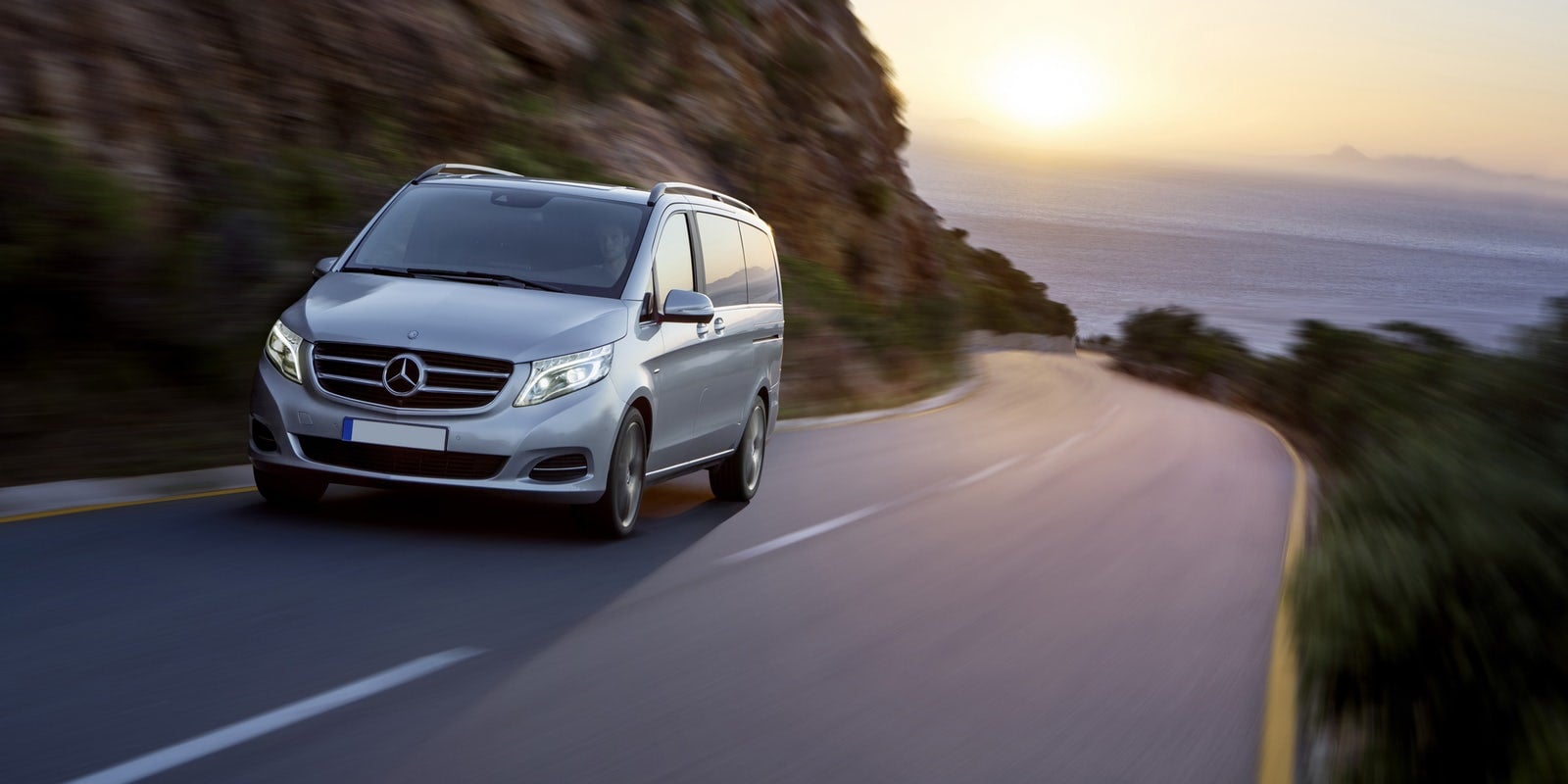
A relaxed private day or a two-night Viseu route
For a full day beginning in Viseu, start on the cathedral hill with the Sé, Museu Nacional Grão Vasco and Igreja da Misericórdia. Allow most of the morning for these three, including a coffee stop. Continue through Rua Direita towards Porta do Soar, Rossio and Jardim das Mães, adjusting the order to opening hours and your preferred amount of walking.
Leave a proper lunch break. Regional choices include vitela à Lafões, the area’s traditional roast veal, and Dão wines; ask what is available that day rather than expecting every restaurant to serve the same dishes. In the afternoon, choose either Fontelo’s shaded paths or Cava de Viriato, adding Porta dos Cavaleiros if you still feel like walking. Visiting all ten places is possible with sufficient time, but selecting seven or eight usually makes a more enjoyable day.
Portugal Magik provides private day and multi-day tours with an English-speaking driver, door-to-door pickup and flexible itineraries. Your driver can connect the outlying stops and agree convenient meeting points near the pedestrian-friendly centre; the historic lanes themselves are best explored on foot. Ask for a personalized route that balances museum time with walking and unhurried meals.
From Lisbon, allow roughly three to three and a half hours of driving each way, depending on traffic and the exact pickup point. A two-night stay is more relaxed than a same-day return: travel north on day one with an optional Coimbra stop, dedicate day two to Viseu, then continue to Porto on day three. Porto is approximately 130 kilometres from Viseu; Lamego can be considered as a deliberate sightseeing detour rather than a quick stop on the direct route.
For smaller groups, a private Mercedes-Benz V-Class is a comfortable option for these longer journeys, subject to availability. Request a personalized Portugal Magik tour or transfer quote with your hotel locations, luggage requirements and onward destination.
Best time to visit Viseu and practical insider tips
May, June, September and early October are often rewarding months for Viseu sightseeing, with comfortable conditions for walking and time outdoors. Spring can bring showers, while summer afternoons can be hot in this inland city. Plan the exposed squares and Cava de Viriato earlier in the day, keeping a museum visit or Fontelo’s shade for warmer hours.
The Feira de São Mateus usually takes place in August and September, bringing concerts, food and a lively fairground atmosphere. Exact dates and programmes change annually. Visit during the fair if evening entertainment appeals, or choose another period if quiet surroundings matter more to you.
The cathedral hill is compact but not level. Granite paving can become slippery in rain, so supportive footwear matters more than the short distances suggest. Travellers with limited mobility should discuss walking tolerance when planning; vehicle access and drop-off points depend on local restrictions, and a driver cannot eliminate every incline or step.
Check museum opening days, church access and last-admission times shortly before travelling, particularly around Mondays and public holidays. Do not assume that the cathedral, its cloister and neighbouring museums share one timetable or ticket.
For a local food detail, look for castanhas de ovos in Viseu’s pastry shops: these rich egg-and-sugar sweets resemble chestnuts but are not simply candied nuts. If a Dão wine-estate visit is important to you, reserve directly with the estate first, then ask Portugal Magik to incorporate the journey into your flexible private itinerary.