10 things you can't miss in Évora
These 10 things you can't miss in Évora reveal a city of Roman stonework, medieval lanes and remarkably rich Alentejo history. Explore its UNESCO-listed historic centre at walking pace, leaving time for a shaded square and a proper regional lunch.
10 things you can't miss in Évora: the essential places
01Roman Temple of Évora
Dating from the first century AD, Évora’s Roman temple stands on the city’s upper ground beside the cathedral quarter, with striking granite columns and marble capitals. Often called the Temple of Diana, it has no confirmed connection to that goddess. Visit early or toward evening for softer light, then step into the neighbouring Jardim de Diana for views over the lower city.
02Sé de Évora
Begun in 1186, Évora’s fortress-like cathedral combines Romanesque and Gothic architecture, with a cloister and a rooftop route that helps explain the city’s hilltop setting. Choose an admission option that includes the areas you want to see, since access is divided between different parts of the complex. The rooftop involves stairs and exposed outdoor surfaces, so wear shoes with grip and avoid the hottest part of the day.
03Capela dos Ossos
Inside the São Francisco church complex, the Chapel of Bones is a Franciscan meditation on mortality, its walls and pillars lined with human bones and skulls. The entrance inscription, “Nós ossos que aqui estamos pelos vossos esperamos,” sets the deliberately sobering tone. Allow time for the adjoining church as well, and consider whether the chapel’s imagery suits younger children before entering.
04Praça do Giraldo
Évora’s principal square takes its name from Geraldo Sem Pavor, associated with the Christian capture of the city in 1165, and remains a natural meeting point beneath its arcades. Its marble fountain and the Church of Santo Antão anchor the northern end. Pause here between the upper cathedral quarter and São Francisco rather than treating it as a quick photograph stop; the arcades offer welcome shelter from sun or rain.
05University of Évora, Colégio do Espírito Santo
Founded in 1559, the university has its historic heart in the Colégio do Espírito Santo, where arcaded courtyards and tiled teaching rooms reflect Évora’s long academic life. This is a working university rather than a museum set, so classroom access depends on teaching and visitor arrangements. Check the current visiting schedule before making the walk, and look closely at the azulejo scenes in any rooms open to visitors.
06Igreja dos Lóios
Beside the Roman Temple, this former convent church combines a late-medieval foundation with an interior celebrated for its blue-and-white azulejos. It is a compact but rewarding contrast to the cathedral’s much larger stone spaces. Check its opening arrangements separately from those of the neighbouring hotel and allow a quiet pause to study the tiled narrative panels rather than only looking through the doorway.
07Museu Nacional Frei Manuel do Cenáculo
Housed in the former episcopal palace beside the cathedral, Évora’s national museum brings together archaeology, sculpture and painting, including the important early-sixteenth-century Évora altarpiece panels. It gives useful context to the Roman remains and religious buildings encountered outside. Place it in the warmer middle hours of your itinerary, but verify the opening day before planning lunch around a visit.
08Aqueduto da Água de Prata
Completed in 1537 during the reign of João III, this aqueduct carried water into Évora and remains one of the city’s most distinctive structures. Along Rua do Cano, houses fitted between the arches show how the city grew around its infrastructure. Explore this stretch on foot for the architectural details; the taller arches beyond the centre give a better sense of the aqueduct’s scale.
09Jardim Público and Palácio de Dom Manuel
Évora’s public garden offers shaded paths beside the surviving part of the royal palace associated with Manuel I. It is also home to the deliberately assembled “Ruínas Fingidas,” or mock ruins, created using architectural fragments from older buildings. Combine the garden with nearby São Francisco for a gentle break, especially if your group needs time off the cobbles.
10Cromeleque dos Almendres
Outside Évora near Nossa Senhora de Guadalupe, this prehistoric stone enclosure introduces a much older chapter of the Alentejo, with dozens of standing stones among cork-oak countryside. It is a rural archaeological site, not an extension of the walkable historic centre. Confirm current access and ground conditions before setting out, since the approach can be rough and exposed; bring water, sturdy footwear and sun protection.
Trusted across Portugal and Spain
Journeys backed by 1,300+ verified reviews
Consistently five-star rated since 2012, Portugal Magik is a TripAdvisor Hall of Fame recipient. Our Portugal Ambassadors bring local knowledge, thoughtful service and dependable private travel to every journey.

Travel with Portugal Magik
Explore Portugal in a Mercedes-Benz V-Class
For smaller groups, a private V-Class offers a comfortable way to travel between places, with an English-speaking driver, door-to-door pickup and a flexible itinerary planned with our team. Vehicle choice depends on your group and availability.
Plan a personalized journey →A relaxed private day or a slower Alentejo stay
From Lisbon, Évora is roughly 130 km by road, usually around 1½–2 hours each way depending on traffic and pickup location. A comfortable private day should focus on selected Évora highlights, not attempt all ten stops. Ask Portugal Magik for a personalized route that balances monuments, lunch and the amount of walking your group enjoys.
For a first visit, begin near the upper historic centre with the Roman Temple and cathedral. Add either the national museum or Igreja dos Lóios, then walk down toward Praça do Giraldo for lunch. Continue to the Chapel of Bones and finish with a quieter interval in the public garden. Interior visits, queues and a leisurely meal can comfortably fill the day without adding a countryside detour.
Portugal Magik offers private day and multi-day tours and transfers with an English-speaking driver, door-to-door pickup and flexible itineraries. Your Portugal Ambassador is a knowledgeable local English-speaking driver-guide from Portugal who can help shape a sensible sequence of stops. The historic centre still requires walking: narrow streets and access restrictions mean the vehicle cannot deliver you to every monument entrance. For smaller groups, a private Mercedes-Benz V-Class is a comfortable option for the Lisbon–Évora journey, subject to availability.
With two days, stay overnight in Évora and divide the sights rather than increasing the pace. Use the first day for the cathedral quarter, museum and university, then explore São Francisco, the public garden and Rua do Cano the following morning. Reserve a separate countryside window for Almendres if access conditions permit; it should not become a rushed extra after a full day on foot.
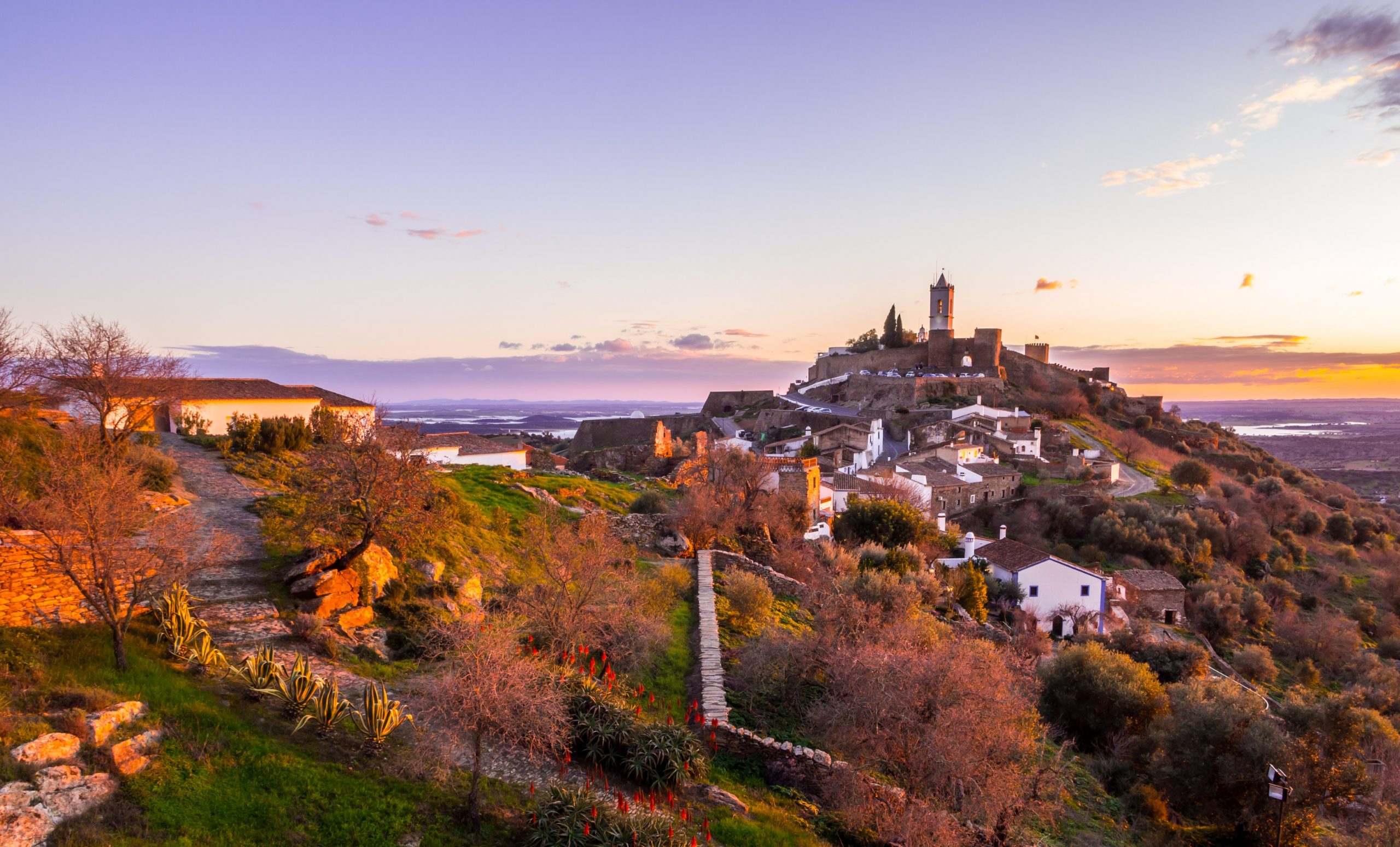
A third day can extend east to the fortified village of Monsaraz, approximately 55 km from Évora, before returning to Lisbon or continuing through mainland Portugal. Ask Portugal Magik to build a personalized multi-day itinerary around your preferred balance of history, countryside and unhurried meals. Established in 2012, the company has 1,300+ verified reviews.
Best time to visit Évora and practical insider tips
April–June and September–October generally offer the most comfortable balance of daylight and walking weather, although hot days remain possible. July and August can be intensely hot, with temperatures sometimes exceeding 35°C. In summer, visit exposed sights early, take a long lunch break and leave the aqueduct walk or garden for later in the afternoon.
Winter brings a quieter atmosphere, cooler temperatures and a greater chance of rain. It can suit a museum-and-monuments visit particularly well, but shorter daylight makes a combined city-and-Almendres itinerary less forgiving. Avoid planning the countryside stop as an afterthought at the end of a winter day.
The most useful advice in any Évora travel guide is to treat the historic centre as a walking destination with slopes, cobbles and occasional polished stone. Wear supportive shoes, carry water and discuss mobility needs before your route is designed. Cathedral rooftop stairs and the uneven ground at Almendres deserve particular consideration.
For lunch, look for açorda alentejana, a bread-based preparation with garlic, coriander and olive oil, or migas served with pork. Queijo de Évora is a regional sheep’s-milk cheese worth seeking out. Portions can be substantial, so ask about sizes before ordering several dishes; vegetarian travellers should also check whether apparently simple preparations contain meat or fish stock.
Check opening hours and ticket arrangements shortly before visiting, particularly for the university, smaller churches and museum. Religious services can affect church access, and holiday schedules may differ. Share your essential stops with Portugal Magik when requesting a personalized quote so the itinerary can allow realistic visiting time rather than relying on every doorway being open.
Your route
Direct or with stops
Tell us where you would like to pause along the way and we shape the day around it.
Request a proposal →Your pace
One day or several
Spread the journey over a few days with overnight suggestions from our team.
Request a proposal →Your Ambassador
A local by your side
An English-speaking driver-guide from Portugal in a private Mercedes-Benz.
Request a proposal →★★★★★ 1,300+ verified reviews · TripAdvisor Hall of Fame · Since 2012
Keep exploring
Related journeys and routes
The best things to do in Castelo de Vide
The best things to do in Castelo de Vide combine a hilltop castle, an important Jewish heritage quarter and quiet walks through the northern Alentejo. Allow time for its granite doorways, Renaissance fountain and mountain views rather than treating the town as a quick stop on the way to Marvão.
Read more →The best things to do in Fátima: A thoughtful travel guide
The best things to do in Fátima connect its great pilgrimage sanctuary with the modest village homes of the three shepherd children. Allow time for both: the monumental churches explain Fátima’s international significance, while Aljustrel and Valinhos bring the story back to a quieter, human scale.
Read more →The top places to visit in Aveiro: Canals, Culture and Coast
The top places to visit in Aveiro reveal a city shaped by its lagoon: working salt pans, Art Nouveau façades, convent treasures and Atlantic beaches nearby. Give yourself time for the quieter streets as well as the waterfront, with a private driver making the journey between city and coast straightforward.
Read more →Frequently Asked Questions
Personalized and without obligation
Speak with a travel designer
1,300+ five-star reviews · TripAdvisor Hall of Fame · Trusted since 2012 · Mercedes-Benz fleet