The top places to visit in Silves: Castle, town and coast
The top places to visit in Silves reveal an Algarve of red sandstone ramparts, Gothic stonework and quiet streets above the River Arade. Give this former Islamic capital of the Algarve an unhurried day, with time for its archaeological museum and lunch below the castle.
9 top places to visit in Silves
01Castelo de Silves
The red sandstone castle dominates the town, with much of its surviving defensive architecture associated with the Islamic period; Silves was captured by Sancho I and crusading forces in 1189 before returning to Muslim rule. Inside, the walls and cisterns help explain how a fortified hilltop settlement functioned, while the ramparts open out towards the surrounding countryside. Visit early for cooler conditions, and wear shoes with grip: the exposed wall walks and uneven steps deserve attention.
02Sé de Silves
Immediately below the castle, the former cathedral occupies a site associated with the town’s principal mosque and preserves substantial Gothic architecture. Its fabric also reflects later repairs, including those following the 1755 earthquake, making it an especially rewarding stop for understanding Silves after the Christian conquest. Check visitor access around religious services, and pause outside to appreciate how closely the cathedral and castle share the summit.
03Museu Municipal de Arqueologia de Silves
Opened in 1990, the municipal archaeological museum traces local occupation through objects from prehistoric, Roman and Islamic contexts. Its standout feature is a deep Almohad-period well-cistern, incorporated into the building rather than removed from its original setting. Allow around 45 minutes, and use this stop to put the castle’s Islamic history into context rather than treating it as a quick indoor detour.
04Portas da Cidade and Torreão das Portas da Cidade
Beside Praça do Município, the surviving fortified gateway marks an entrance through the old town’s defensive circuit. It is a useful place to understand the transition from the lower streets to the compact, climbing lanes of historic Silves. Stop in the square before heading uphill; the tower is easier to appreciate from a little distance than from directly beneath it.
05Igreja da Misericórdia de Silves
Opposite the cathedral, this historic church is notable for its Manueline doorway and Renaissance main entrance, offering a different architectural vocabulary from the neighbouring Gothic building. It makes a worthwhile addition to Silves sightseeing precisely because the two façades can be compared within a few steps. Interior access can vary, so treat entry as a bonus and look carefully at the doorways even when the church is closed.
06Cruz de Portugal
This richly carved limestone cross, generally dated to the late 15th or early 16th century, stands on the northeastern side of town near the cemetery. Its Gothic and Manueline detailing makes it one of Silves’s most distinctive monuments beyond the castle quarter. Ask your driver to include it as a short separate stop rather than adding an exposed walk to the hottest part of the day.
07Ponte Velha de Silves
The old pedestrian bridge crosses the River Arade below the historic centre and recalls the importance of this river corridor to the town’s development. Although often called the Roman bridge, the surviving structure is generally attributed to the medieval period rather than Roman antiquity. Cross to the opposite bank and look back towards the town for a wider view of the castle rising above the rooftops.
08Mercado Municipal de Silves
The riverside municipal market brings the visit back to everyday Algarve life, with food stalls where availability follows the working day and the season. It is a good place to look for local produce, including citrus from a municipality particularly associated with oranges. Go in the morning, check the operating day before making it a priority, and buy only what you can comfortably carry during the uphill walk.
09Praia de Armação de Pêra
Around 20 kilometres south of Silves, this broad sandy beach adds a coastal chapter to a visit focused on the inland town; Armação de Pêra belongs to the municipality of Silves. The fishing boats and fishermen’s beach area at the eastern end connect the resort to its maritime roots. Choose it as an optional late-afternoon extension, not another compulsory stop, and expect a busier waterfront in July and August.

Plan with confidence
Plans change. Your options are clear.
Change dates without an extra change charge when available, and cancel early for a refund or travel credit. Our team confirms every detail before you pay.

Travel with Portugal Magik
Explore Portugal in a Mercedes-Benz V-Class
For smaller groups, a private V-Class offers a comfortable way to travel between places, with an English-speaking driver, door-to-door pickup and a flexible itinerary planned with our team. Vehicle choice depends on your group and availability.
Plan a personalized journey →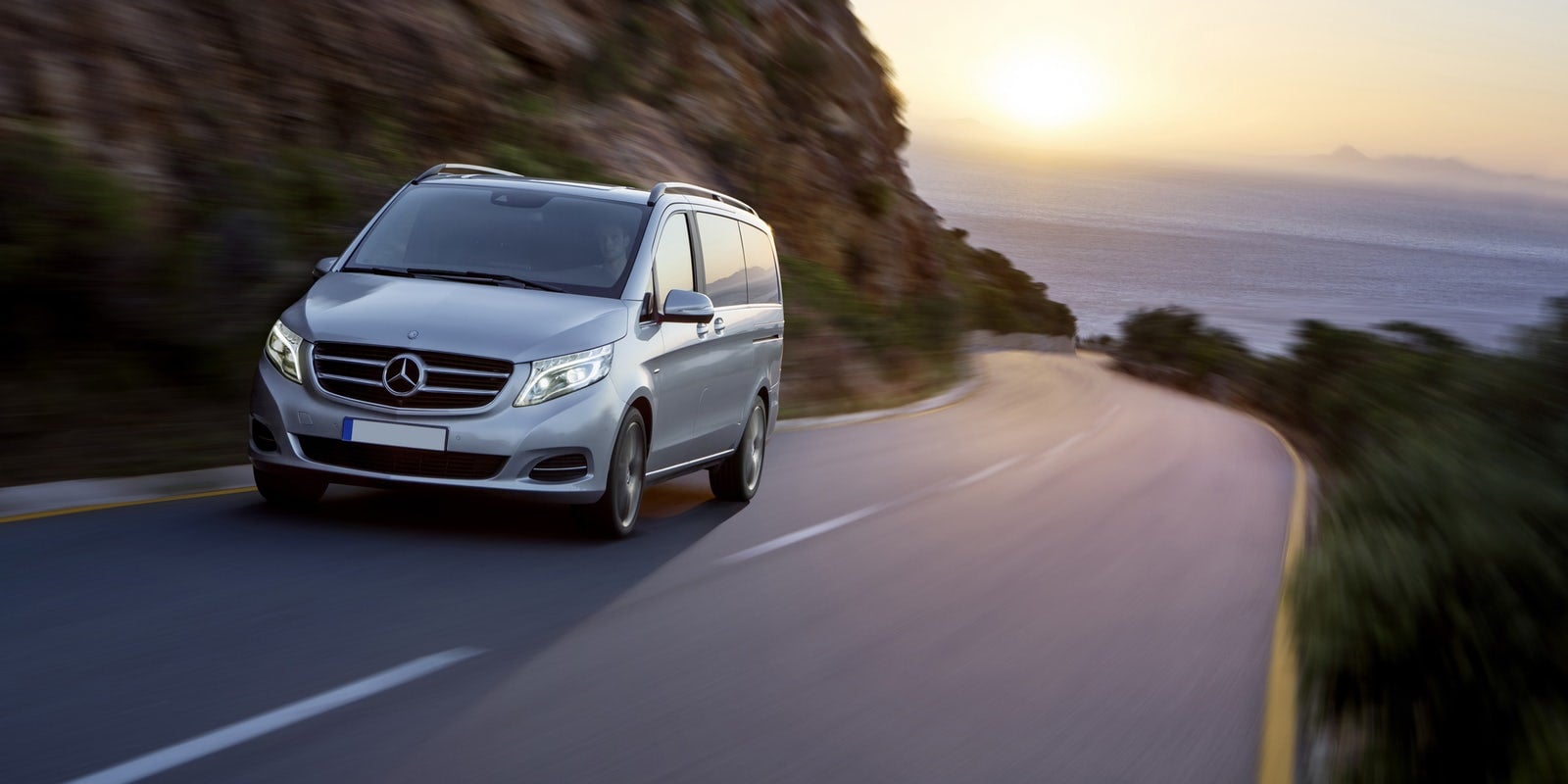
A relaxed private route through Silves
For a comfortable day from an Algarve hotel, arrange door-to-door pickup with Portugal Magik and begin at the municipal market if its opening schedule suits. Continue past the city gateway to the archaeological museum, then allow the rest of the morning for the cathedral, Misericórdia church and castle. The central sights are close together, but cobbles, slopes and stairways make frequent pauses worthwhile.
After lunch, stroll towards Ponte Velha before meeting your English-speaking driver at an agreed accessible pickup point. Add a short stop at Cruz de Portugal, then decide whether to return to your hotel or continue to Armação de Pêra for time beside the sea. Share your walking preferences when requesting a personalized itinerary: vehicle access in the historic centre is limited, and a driver cannot remove every uphill section.
From Lisbon, Silves is roughly 280 kilometres away, with the drive commonly taking around three hours each way before stops and traffic. An overnight or multi-day Algarve route is therefore more relaxed than a return day trip: travel south on day one, explore Silves the next morning, then continue along the coast or return to Lisbon.
Portugal Magik offers private Mercedes-Benz transfers and private day or multi-day tours with an English-speaking driver and flexible itineraries. For smaller groups, request a Mercedes-Benz V-Class as a comfortable option for the longer journey, subject to availability.
Best time to visit Silves and practical insider tips
April to June and September to October usually offer a good balance of daylight and comfortable sightseeing weather, although hot days remain possible. July and August call for an early start: the castle walls have limited shade, and the climb through town feels considerably harder around midday. Winter can be pleasantly quiet, but rain makes polished paving slippery and attraction hours may be shorter.
Silves usually holds its medieval fair in August, bringing evening activity and crowds to the historic centre. Confirm the current year’s dates before planning around it, and expect changes to access, parking and the normal atmosphere of the streets.
For an ordinary sightseeing day, carry water, sun protection and supportive footwear. Check current opening hours and ticket arrangements for the castle, cathedral and museum; do not assume they all follow the same schedule. If oranges appeal, look for locally grown fruit in season rather than expecting peak citrus harvests during summer.
Reserve lunch ahead on busy dates, particularly if you want time for a fish cataplana, which may require advance ordering. Ask Portugal Magik for a personalized pickup plan that leaves room for lunch and shade breaks rather than trying to turn every stop into a fixed appointment.