The top places to visit in Serra da Estrela
The top places to visit in Serra da Estrela range from Portugal’s highest mainland summit to glacier-carved valleys, granite villages and riverside walking spots. Give this mountain region time: its winding roads, changing weather and distinctive food reward a slower itinerary.
10 top places to visit in Serra da Estrela
01Torre
At 1,993 metres, Torre is the highest point in mainland Portugal, with road access close to the summit and broad views when the clouds clear. Visit early on a clear day, bring a windproof layer even in summer, and check road conditions before setting out in winter; snow and ice can prevent access.
02Vale Glaciar do Zêzere
This roughly 13-kilometre glacial valley is one of the defining landscapes of Serra da Estrela, its broad U-shaped profile recording the movement of ancient ice. Approach from Manteigas to appreciate the valley unfolding ahead, and use proper stopping places for photographs rather than the narrow roadside.
03Covão d’Ametade
Near the head of the Zêzere valley, this high-altitude basin combines granite walls, birch trees and the young river in a compact, memorable setting. It makes a gentle pause between Manteigas and the upper mountain, but check current access conditions and stick to established paths because the ground can be wet and the habitat is sensitive.
04Poço do Inferno
Around 10 kilometres from Manteigas by road, this waterfall on the Ribeira de Leandres drops approximately 10 metres through a rocky gorge. It is often more impressive after rain, but the approach road is winding and the walking surfaces can be slippery; choose shoes with grip and do not assume it is a step-free stop.
05Manteigas
Set in the Zêzere valley, Manteigas is a useful mountain base with a long wool-working tradition, including the dense fabric known as burel. Leave time to walk through the town rather than treating it only as a gateway to Torre, and check opening hours directly if you want to visit a wool producer or shop.
06Loriga
On the southwestern slopes, Loriga sits beneath steep granite scenery shaped by glaciation, with a river beach that becomes a popular summer destination. Combine a village walk with a waterside break in warm weather, remembering that the water is cold and bathing facilities and supervision are seasonal.
07Sabugueiro
At around 1,050 metres, Sabugueiro is a high mountain village with granite houses and shops selling regional produce along the road towards Torre. Walk beyond the roadside storefronts into the older village, and look for the DOP designation when buying genuine Queijo Serra da Estrela rather than assuming every locally sold cheese has that certification.
08Seia and Museu do Pão
Seia is a practical western gateway to the mountains, and its Museu do Pão explores the tools, traditions and cultural importance of bread in Portugal. This is a useful lower-altitude stop when summit visibility is poor; check museum opening days before building your route around it.
09Linhares da Beira
On the northwestern side of the mountain region, Linhares da Beira is a historic granite village crowned by a medieval castle overlooking the Mondego valley. Explore the lanes as well as the castle, and wear shoes suited to uneven paving; this stop works especially well on a northern approach or departure rather than as a detour from every mountain route.
10Belmonte
On the eastern approaches to Serra da Estrela, Belmonte adds a different layer to the journey through its castle, connections to Pedro Álvares Cabral and important Jewish heritage. Visit the Jewish Museum for context rather than relying on a quick walk through the old quarter, and confirm museum hours before combining it with a mountain crossing.

Plan with confidence
Plans change. Your options are clear.
Change dates without an extra change charge when available, and cancel early for a refund or travel credit. Our team confirms every detail before you pay.

Travel with Portugal Magik
Explore Portugal in a Mercedes-Benz V-Class
For smaller groups, a private V-Class offers a comfortable way to travel between places, with an English-speaking driver, door-to-door pickup and a flexible itinerary planned with our team. Vehicle choice depends on your group and availability.
Plan a personalized journey →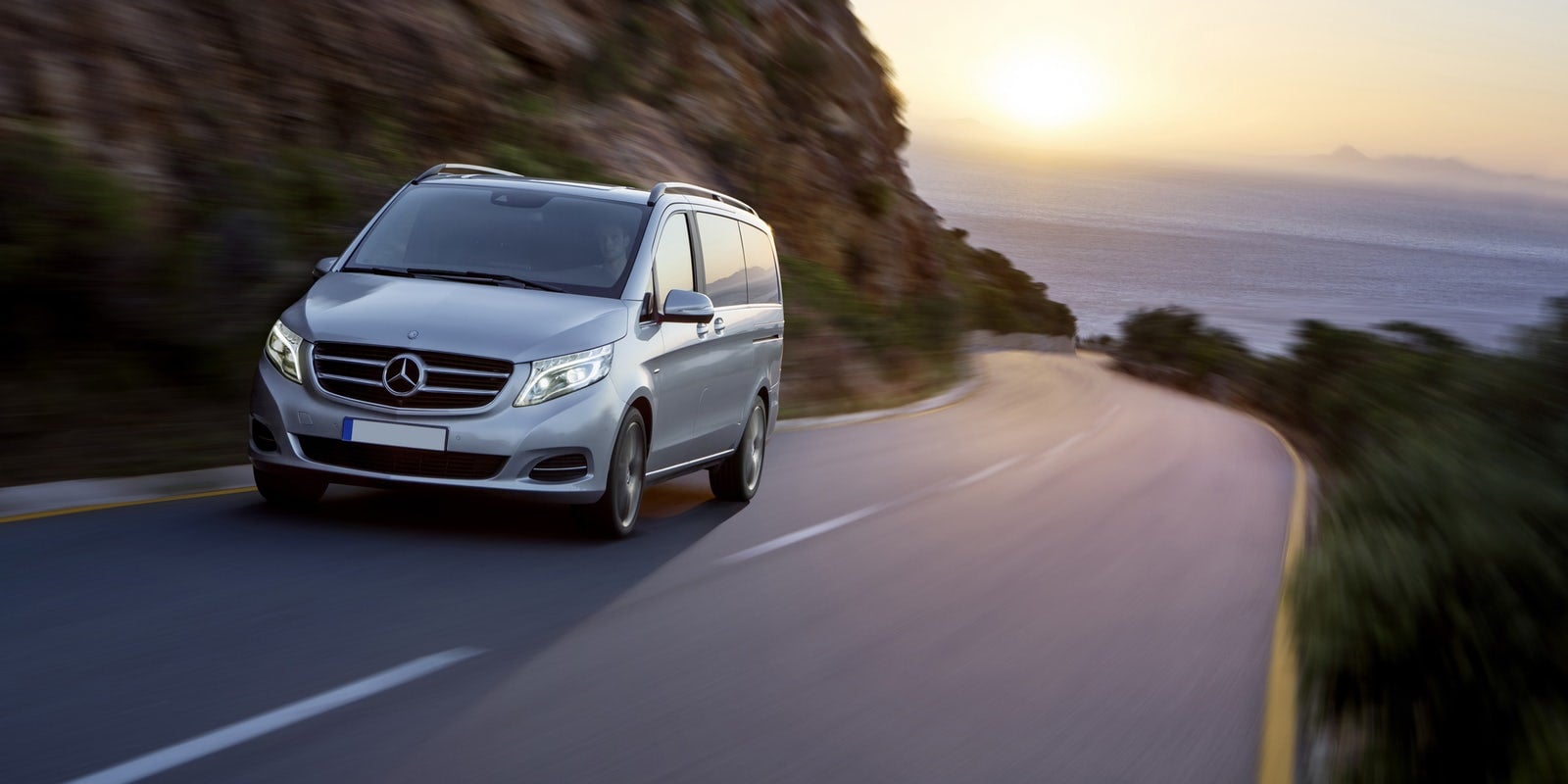
How to build a relaxed private mountain itinerary
A satisfying day of Serra da Estrela sightseeing usually means three or four well-chosen stops, not all ten. The distances on a map can be deceptive: bends, weather and time spent enjoying viewpoints make mountain journeys slower than motorway travel.
For a private day starting in Manteigas, follow the Zêzere glacial valley to Covão d’Ametade and continue to Torre if conditions allow. Return for an unhurried lunch and a walk through Manteigas. Add Poço do Inferno only if the access conditions, daylight and your walking preferences make it a sensible fit; it should be an optional extra, not a deadline.
From Seia, a western-side day can combine Museu do Pão, Sabugueiro and Torre, with time for a regional lunch. Loriga is better treated as an alternative focus or a separate half-day than squeezed into an already full mountain crossing.
From Lisbon, allow roughly 3.5–4.5 hours each way to reach a mountain base, depending on your destination, traffic and stops. A same-day return is possible but is not the relaxed choice. Ask Portugal Magik for a personalized two- or three-day private tour if you want time in the landscape rather than spending most of the day on the road.
For two days, travel from Lisbon through Seia and Sabugueiro, then continue towards Torre and Manteigas when roads and weather permit. Stay in Manteigas, explore the valley and choose either Covão d’Ametade or Poço do Inferno the following morning before returning. If you would like museum visits and longer village walks as well, three days is the better fit.
With a third day, add Belmonte for Jewish heritage and castle history, or Linhares da Beira for granite lanes and Mondego valley views. These sit on different sides of the mountain region, so select the one that best suits your onward journey rather than automatically including both.
Portugal Magik offers private day and multi-day tours and private Mercedes-Benz transfers with an English-speaking driver, door-to-door pickup and flexible itineraries. For smaller groups, a private Mercedes-Benz V-Class is a comfortable option for the longer Lisbon journey, subject to availability. Share your pickup address, preferred pace and must-see stops to request a personalized route and quote.
Best time to visit and practical mountain tips
May to June and September to October generally offer a good balance for village visits, valley scenery and walking, although high-altitude weather remains changeable. Spring can bring stronger waterfall flows, while autumn adds colour around the valley’s deciduous trees. Neither season guarantees clear summit views.
July and August bring longer daylight hours and opportunities to visit Loriga’s river beach, but popular places become busier and exposed walks can be hot. Start outdoor stops early, carry drinking water and sun protection, and check official fire-risk restrictions before using trails or forest areas.
Winter is appealing if snow is your priority, but snowfall is not guaranteed and access to Torre can close. Snowy weekends can also bring heavy traffic. Keep a lower-altitude alternative such as Seia or Belmonte in the itinerary, and never make reaching the summit the condition for a successful day.
For a regional meal, look for Queijo Serra da Estrela DOP, the sheep’s-milk cheese traditionally coagulated with cardoon, alongside local bread. Requeijão with pumpkin preserve is another worthwhile combination. Reserve restaurant tables for weekends and holidays, especially when travelling with a group.
Carry layers, a waterproof jacket and shoes with grip in every season. Summit access is road-based, but waterfalls, village paving and natural paths have different mobility demands; tell Portugal Magik about walking limits when requesting your personalized itinerary. Check current weather, road information and any ICNF access notices shortly before travelling, and let the day’s conditions determine the order of stops.