Your guide to the top places to visit in Porto
The top places to visit in Porto reveal a city of blue-and-white tiles, granite towers, riverside lanes and port wine traditions. This guide helps you choose what deserves your time, understand the hills and plan a visit that leaves room for lunch rather than another queue.
10 top places to visit in Porto
01São Bento Railway Station
Opened in 1916, São Bento is best known for its entrance hall, where roughly 20,000 azulejo tiles by Jorge Colaço depict Portuguese history and rural life. Pause at the large historical panels, then look higher for the colourful frieze tracing the development of transport. Visit outside commuting hours and keep clear of passengers moving through this working station.
02Porto Cathedral
Sé do Porto** — Standing above the old town, Porto’s cathedral has medieval Romanesque origins alongside later Gothic and Baroque additions; its cloister is particularly rewarding for its architecture and tile panels. The terrace outside gives you an immediate sense of the steep drop towards the Douro. Start an old-town walk here and work downhill, but wear shoes with grip because the lanes towards Ribeira include steps and uneven stone.
03Ribeira and Cais da Ribeira
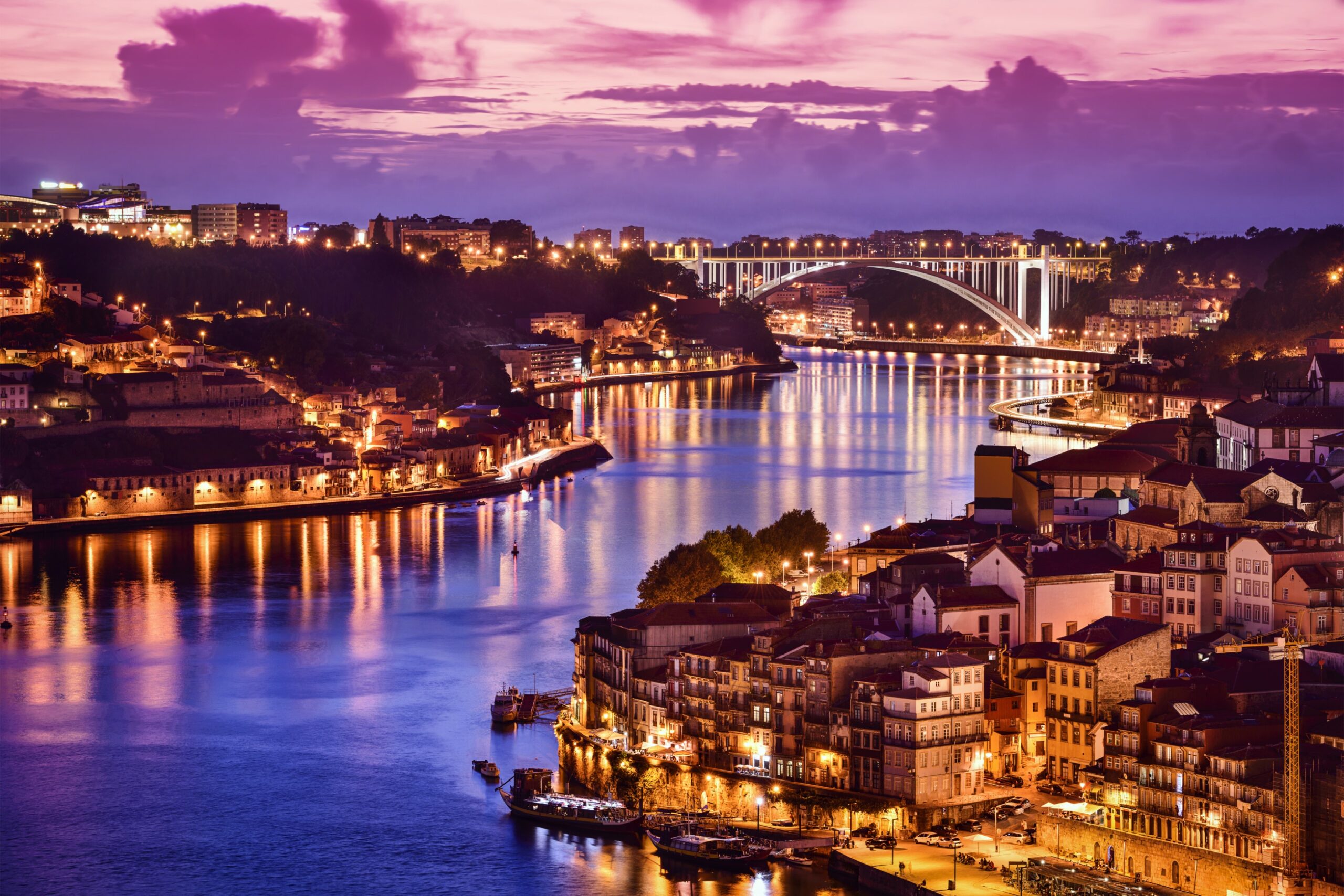
Porto’s riverside quarter is part of the UNESCO-listed historic centre, with tall, colourful façades facing the Douro and Vila Nova de Gaia. It is an essential stop for understanding the city’s relationship with the river, not simply a place for a photograph. Come in the morning for a quieter walk, and check menus before choosing a waterfront table: the setting does not automatically mean the best meal.
04Dom Luís I Bridge and Jardim do Morro
Opened in 1886, the iron bridge links Porto with Vila Nova de Gaia and was designed by Théophile Seyrig, a former collaborator of Gustave Eiffel. Walk the upper deck to Jardim do Morro for a broad view back towards Ribeira and Porto’s layered skyline. The upper crossing sits far above the waterfront, so do not treat it as a quick, level extension of a riverside stroll; arrange your approach and pickup around that height difference.
05Clérigos Church and Tower
Designed by Nicolau Nasoni, the Clérigos complex is one of Porto’s defining Baroque landmarks, with its tower completed in 1763. Climbing the more than 200 steps rewards you with views over terracotta roofs, the cathedral and the river beyond. Choose a clear day for the ascent, and skip the tower if narrow stairs or prolonged climbing would make the visit uncomfortable.
06Livraria Lello
Opened in 1906, this celebrated bookshop combines a neo-Gothic façade with an elaborate interior, stained glass and its much-photographed staircase. It is worth visiting for the architecture and books, without relying on unsubstantiated stories about its influence on Harry Potter. Arrange the required entry ticket through the official website and allow time for queues, since a timed entry does not mean an empty shop.
07Palácio da Bolsa
Construction of Porto’s former stock exchange palace began in 1842, reflecting the wealth and ambition of the city’s commercial community. Its best-known room is the ornate Arab Room, inspired by Moorish decorative traditions. Interior visits follow a guided format, so check the available tour times and languages before building your afternoon around it.
08Church of São Francisco
Behind a comparatively restrained Gothic exterior, São Francisco contains one of Portugal’s most striking displays of gilded Baroque woodcarving. Look closely at the Tree of Jesse altarpiece rather than rushing through the richly decorated interior. Pair it with neighbouring Palácio da Bolsa to avoid another climb across the centre, and follow the current photography rules inside.
09Port Wine Cellars in Vila Nova de Gaia
Across the Douro from Porto, historic lodges such as Graham’s, Taylor’s and Sandeman explain the ageing and blending of wine produced in the Douro Valley. A cellar visit adds substance to the riverfront scenery and helps distinguish ruby, tawny and other port styles. Choose one lodge rather than squeezing in several, confirm its visit schedule directly, and remember that some addresses sit uphill from the quayside.
10Serralves Museum and Park
West of the historic centre, Serralves brings together a contemporary art museum designed by Álvaro Siza Vieira, an Art Deco villa and extensive landscaped grounds. It offers a welcome change of pace after the dense streets and richly decorated churches of central Porto. Give it at least two to three hours, check the current exhibitions and ticket inclusions, and arrange a driver transfer rather than treating it as a short walk from Ribeira.
Trusted across Portugal and Spain
Journeys backed by 1,300+ verified reviews
Consistently five-star rated since 2012, Portugal Magik is a TripAdvisor Hall of Fame recipient. Our Portugal Ambassadors bring local knowledge, thoughtful service and dependable private travel to every journey.

Travel with Portugal Magik
Explore Portugal in a Mercedes-Benz V-Class
For smaller groups, a private V-Class offers a comfortable way to travel between places, with an English-speaking driver, door-to-door pickup and a flexible itinerary planned with our team. Vehicle choice depends on your group and availability.
Plan a personalized journey →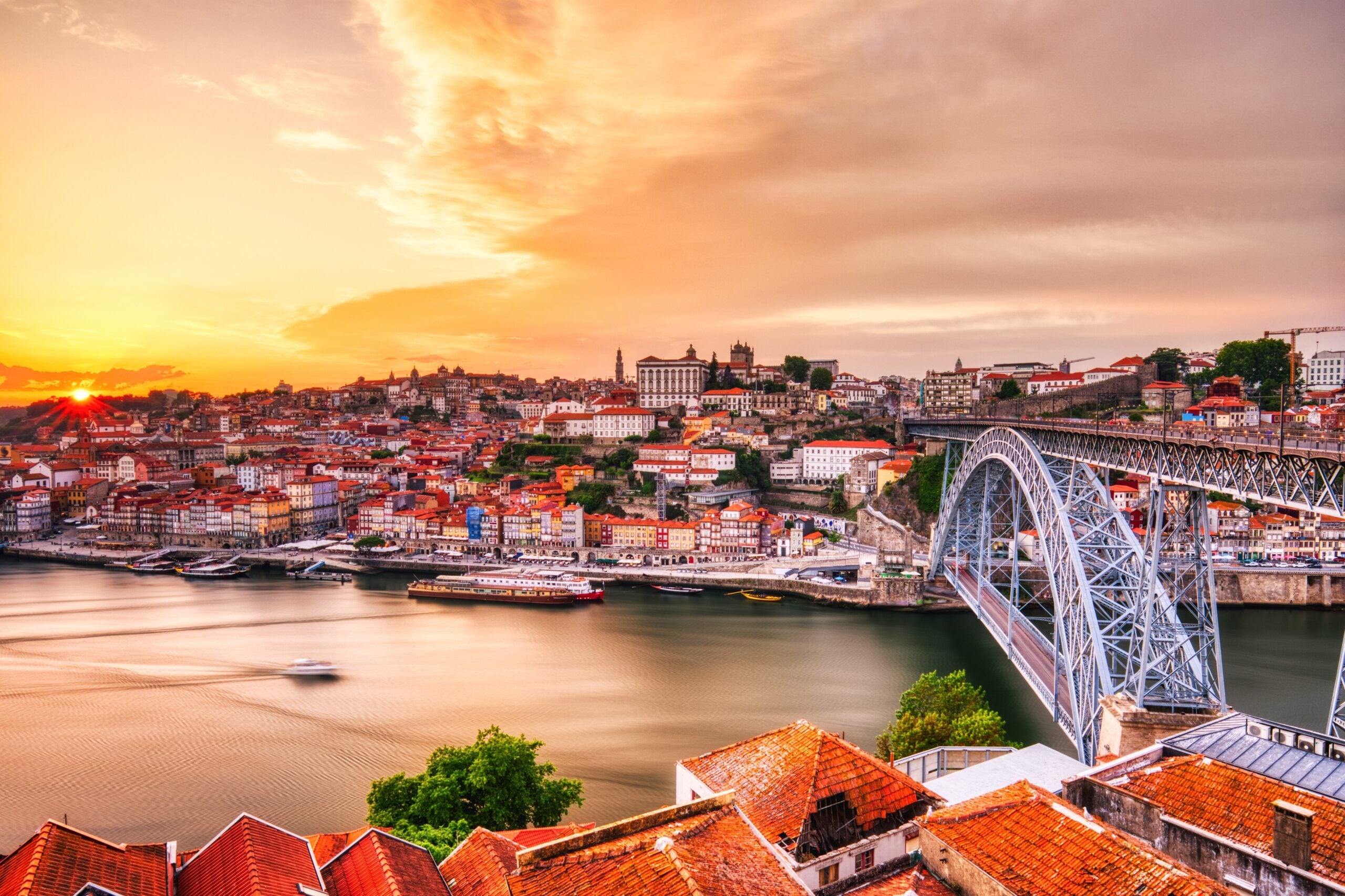
A relaxed must see Porto route with a private driver
For one full day, choose five or six stops rather than attempting all ten. Begin at São Bento, continue to the cathedral, then descend through the old town towards Ribeira if walking suits your group. Allow a proper lunch break before crossing to Gaia for one independently operated port cellar visit. Finish with the view from Jardim do Morro, adjusting the order around cellar admission times and the weather.
Porto sightseeing works best when driving connects neighbourhoods and walking covers the compact historic pockets. Many old-town lanes are steep, narrow or pedestrianised, and a vehicle cannot stop at every attraction entrance. Portugal Magik provides door-to-door pickup and flexible itineraries, with practical drop-off and meeting points chosen around local access restrictions.
With two days, keep the cathedral, São Bento, Ribeira and Gaia together on the first day. Use the second for Clérigos and Livraria Lello, followed by lunch and the neighbouring Palácio da Bolsa and São Francisco; allow extra time for palace tour availability rather than scheduling consecutive admissions too tightly. Ask Portugal Magik for a personalized route that balances interiors, viewpoints and your preferred amount of walking.
A third day makes Serralves easier to enjoy without watching the clock. After the museum and park, continue towards Foz do Douro, where the river meets the Atlantic, for a coastal walk if the weather is pleasant. This western part of Porto fits naturally into a driving route and feels quite different from the historic centre.
Coming from Lisbon? Porto is roughly 315 kilometres north by road, generally around three to four hours of driving before stops and traffic delays. A private transfer followed by two or more nights in Porto is more relaxed than a same-day return. For smaller groups, request a private Mercedes-Benz V-Class as a comfortable option, subject to availability.
Your Portugal Ambassador is a knowledgeable local English-speaking driver-guide from Portugal, helping connect the city’s places and stories while adapting the route to your pace. Portugal Magik offers private Mercedes-Benz transfers and private day or multi-day tours with an English-speaking driver; attraction admissions and cellar experiences are provided separately by their operators. Established in 2012, the company has 1,300+ verified reviews.
Best time to visit Porto and practical insider tips
May, June, September and early October usually offer a good balance of daylight and comfortable sightseeing temperatures, although rain remains possible. July and August bring longer days and heavier demand at Livraria Lello, popular cellars and central restaurants. Winter can be rewarding for museums and quieter streets, but expect wetter weather and shorter days; no season guarantees an uncrowded bookshop or dry afternoon.
Porto’s São João celebrations peak on the night of 23 June, with crowds, music and festivities continuing into 24 June. It is a memorable time to experience the city, but a poor choice if your priority is quiet evenings or straightforward road access around the centre. Discuss pickup locations and realistic driving times with your driver if visiting during the celebrations.
Plan by elevation as well as distance. São Bento, the cathedral, Ribeira and the bridge approaches look close together on a map, but their different levels can turn a short route into a tiring climb. A helpful approach is to visit higher viewpoints first, walk downhill where comfortable and use a private transfer for the next uphill connection.
For food, leave space for a francesinha, Porto’s substantial sandwich typically layered with meat, covered with cheese and served with a hot tomato-and-beer-based sauce; recipes vary. Tripas à moda do Porto, a tripe-and-white-bean stew, is another traditional choice. Schedule lunch away from your tightest admission window rather than treating it as something to fit into a spare half-hour.
Carry a light waterproof layer even when the forecast looks promising, and choose grippy footwear over smooth soles. Check official opening hours, exhibition schedules and admission arrangements shortly before visiting, especially for Mondays and public holidays. For a weather-aware itinerary with sensible walking sections, ask Portugal Magik to personalize your Porto day around your interests.
Your route
Direct or with stops
Tell us where you would like to pause along the way and we shape the day around it.
Request a proposal →Your pace
One day or several
Spread the journey over a few days with overnight suggestions from our team.
Request a proposal →Your Ambassador
A local by your side
An English-speaking driver-guide from Portugal in a private Mercedes-Benz.
Request a proposal →★★★★★ 1,300+ verified reviews · TripAdvisor Hall of Fame · Since 2012
Keep exploring
Related journeys and routes
10 things you can't miss in Belmonte
These 10 things you can't miss in Belmonte connect a medieval castle, a remarkable Jewish community and the family of Pedro Álvares Cabral. This Belmonte travel guide helps you choose meaningful stops, understand what you are seeing and leave enough time to enjoy this hillside town in Portugal's Beira Interior.
Read more →The top places to visit in Guimarães
The top places to visit in Guimarães connect Portugal’s early history with granite lanes, lively medieval squares and wooded hills above the city. This guide explains what deserves your time, what to combine on foot and how to build a comfortable private itinerary without rushing.
Read more →A local guide to sightseeing in Comporta
The pleasure of sightseeing in Comporta lies in its contrasts: Atlantic dunes, working rice fields, wooden fishing jetties and quiet village streets. This guide connects the places worth your time, with practical advice for exploring comfortably from Lisbon or staying a little longer.
Read more →Frequently Asked Questions
Personalized and without obligation
Speak with a travel designer
1,300+ five-star reviews · TripAdvisor Hall of Fame · Trusted since 2012 · Mercedes-Benz fleet