The top places to visit in Marvão
The top places to visit in Marvão stretch from a granite hilltop castle to Roman ruins in the valley below. This guide connects the village’s essential sights with practical advice for exploring the quieter, higher reaches of Portugal’s Alentejo.
9 top places to visit in Marvão and its surroundings
01Castelo de Marvão
At roughly 860 metres above sea level, Marvão’s castle commands views across the Serra de São Mamede towards Spain, making its defensive purpose immediately clear. Its medieval fortifications include a keep and a substantial cistern; allow around an hour, wear shoes with good grip and avoid exposed parapets when the wind is strong.
02Muralhas de Marvão
The village walls enclose a remarkably compact settlement, with granite defenses rising directly from the rocky ridge. Walk the accessible stretches and lanes beside them rather than expecting a continuous, level circuit; some elevated sections have steep drops and are unsuitable for anyone uncomfortable with heights.
03Igreja de Santa Maria and Museu Municipal de Marvão
Near the castle, the former Church of Santa Maria houses the municipal museum, bringing together archaeological objects, sacred art and material relating to local life. Its collection gives useful context to the landscape outside, particularly if Ammaia is also on your itinerary; confirm current opening hours before making it the anchor of your visit.
04Jardim do Castelo
Immediately below the castle, this small formal garden contrasts clipped hedges and geometric planting with the surrounding granite defenses. It is a rewarding place to pause before tackling the castle steps; visit in the morning for gentler light and fewer people passing through your photographs.
05Igreja de São Tiago
This medieval parish church, also called the Church of Santiago, stands within the walls and preserves Gothic architectural features alongside later alterations. It makes a worthwhile stop while exploring the village lanes; if the interior is closed, appreciate the exterior and continue rather than planning your route around guaranteed access.
06Igreja do Espírito Santo
Associated with Marvão’s former hospital, this small church adds a different chapter to the village’s story: care, worship and civic life rather than military defense. Look for its Renaissance doorway as you explore the central streets; treat an interior visit as an opportunity if it is open, not a certainty.
07Convento de Nossa Senhora da Estrela
Founded in 1448, this Franciscan convent stands outside the fortified village and is associated with devotion to Our Lady of the Star. Its setting helps explain how religious life extended beyond the walls; include an exterior stop on arrival or departure and check access locally before expecting to enter the church.
08Cidade Romana de Ammaia
Around 7 kilometres by road below Marvão, near São Salvador da Aramenha, Ammaia preserves the remains of a Roman town established in the first century AD. The archaeological site and museum reveal a very different settlement pattern from the medieval hilltop village; allow approximately an hour and bring a hat because the outdoor remains offer limited shade.
09Portagem and the River Sever
About 6 kilometres below Marvão, Portagem offers a gentler riverside setting, with the old stone bridge commonly called the Ponte Romana and the River Sever running through the village. It is a practical place for a relaxed lunch or short walk between Ammaia and the hilltop; the bridge’s popular name should not be taken as proof that the structure visible today is Roman.

Trusted across Portugal and Spain
Journeys backed by 1,300+ verified reviews
Consistently five-star rated since 2012, Portugal Magik is a TripAdvisor Hall of Fame recipient. Our Portugal Ambassadors bring local knowledge, thoughtful service and dependable private travel to every journey.

Travel with Portugal Magik
Explore Portugal in a Mercedes-Benz V-Class
For smaller groups, a private V-Class offers a comfortable way to travel between places, with an English-speaking driver, door-to-door pickup and a flexible itinerary planned with our team. Vehicle choice depends on your group and availability.
Plan a personalized journey →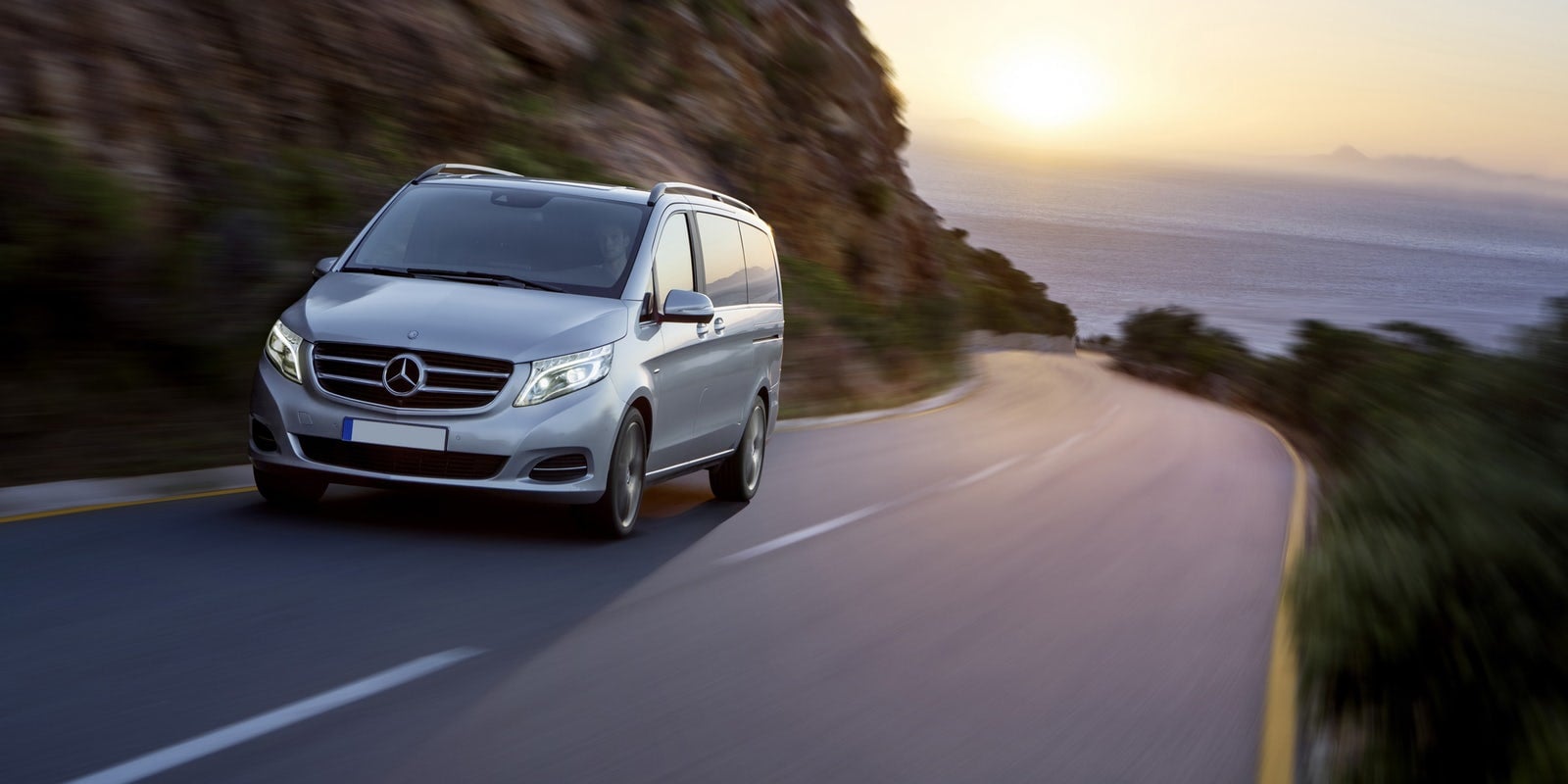
A relaxed private route through Marvão
The most satisfying Marvão sightseeing itinerary gives the hilltop village at least three to four hours, including a pause for coffee or lunch. Distances inside the walls are short, but gradients, uneven paving and castle steps make a packed schedule less enjoyable than it looks on a map.
For a private day starting in Marvão, Castelo de Vide or Portalegre, begin at the castle and Jardim do Castelo before exploring Santa Maria, the village walls and the smaller churches. Take lunch in the village or descend to Portagem, then visit Ammaia in the afternoon if its opening hours allow. In hot weather, reverse the archaeological visit and lunch so that the exposed ruins are covered earlier.
From Lisbon, allow around three hours of driving each way, depending on your pickup point, traffic and stops. A same-day visit is possible, but it is a long outing: prioritize the castle, garden and village lanes, then choose either Ammaia or a leisurely Portagem stop rather than squeezing in everything. Ask Portugal Magik for a personalized itinerary that reflects how much walking and driving you actually enjoy.
For a more relaxed two-day route, travel from Lisbon to Castelo de Vide, explore its historic centre and Jewish quarter, and continue to an overnight stay in the Marvão area. Dedicate the next morning to Marvão’s castle and walled village, followed by Portagem and Ammaia before returning to Lisbon. Castelo de Vide is approximately 12 kilometres from Marvão by road, making the pairing geographically sensible without turning the trip into a succession of long transfers.
Portugal Magik offers private Mercedes-Benz transfers and private day or multi-day tours with door-to-door pickup, flexible itineraries and an English-speaking driver. Your Portugal Ambassador is a knowledgeable local English-speaking driver-guide from Portugal who can help pace the route and explain the region along the way. A private Mercedes-Benz V-Class is a comfortable option for smaller groups on the Lisbon journey, subject to availability; within Marvão, vehicle access restrictions mean some sightseeing must be done on foot.
Established in 2012, Portugal Magik has 1,300+ verified reviews. Share your starting point and preferred pace to request a personalized private tour or transfer quote.
Best time to visit Marvão and practical local tips
April to June and September to October generally offer the most comfortable balance of walking temperatures and daylight. Spring brings greener countryside, while autumn suits slower village visits and regional food. Weather varies considerably with elevation: Marvão can feel cool and windy even when the valley around Portagem is warm.
July and August require a different rhythm. Explore the castle and Ammaia early, carry water and leave the hottest part of the day for lunch or an indoor stop. The village’s altitude does not eliminate summer heat, and the castle walls provide little shade.
November is associated with Marvão’s Feira da Castanha, celebrating the chestnuts grown in this part of the Alentejo. Check the current year’s dates before planning around it, and expect a busier village during the event. Winter can be wonderfully quiet, but fog may obscure the views and wet granite becomes slippery.
Wear sturdy shoes rather than smooth-soled footwear. The most direct lane is not always the easiest walking route, and neither the castle nor the village should be assumed to offer step-free access throughout. Tell your Portugal Ambassador about mobility needs beforehand so that driving stops and walking distances can be planned realistically.
For lunch, look for regional dishes such as Alentejo pork dishes, açorda or migas, depending on the restaurant and season. Chestnuts are especially relevant in autumn, while nearby Portalegre is part of the Alentejo wine region. Allow time to eat rather than treating lunch as a brief interruption between monuments.
Check current museum, castle and archaeological-site hours close to your visit, especially outside the main season. For photographs, morning light is useful around the garden and village lanes; late-afternoon light can soften the surrounding hills, but do not assume the castle remains open until sunset. Ask Portugal Magik to shape your route around the season and your preferred balance of history, scenery and time at the table.
Your route
Direct or with stops
Tell us where you would like to pause along the way and we shape the day around it.
Request a proposal →Your pace
One day or several
Spread the journey over a few days with overnight suggestions from our team.
Request a proposal →Your Ambassador
A local by your side
An English-speaking driver-guide from Portugal in a private Mercedes-Benz.
Request a proposal →★★★★★ 1,300+ verified reviews · TripAdvisor Hall of Fame · Since 2012
Keep exploring
Related journeys and routes
Top places to visit in Sintra: palaces, gardens and coast
The top places to visit in Sintra range from hilltop royal residences to woodland convents and the Atlantic cliffs beyond town. The secret to enjoying them is choosing a few well, rather than spending the day rushing between entrance gates.
Read more →Your guide to sightseeing in Peneda-Gerês
The best sightseeing in Peneda-Gerês combines granite villages, mountain viewpoints and traces of Roman roads rather than a race between waterfalls. Portugal’s only national park, established in 1971, rewards a carefully paced route with time for short walks and long village lunches.
Read more →Sightseeing in Belmonte: Jewish Heritage, Castles and More
Sightseeing in Belmonte brings together Portugal’s remarkable Jewish heritage, the story of Pedro Álvares Cabral and a hilltop castle overlooking the countryside towards Serra da Estrela. Give this small Beira Interior town time: its museums, granite lanes and living traditions reward a thoughtful visit rather than a hurried stop.
Read more →Frequently Asked Questions
Personalized and without obligation
Speak with a travel designer
1,300+ five-star reviews · TripAdvisor Hall of Fame · Trusted since 2012 · Mercedes-Benz fleet