Your guide to sightseeing in Peneda-Gerês
The best sightseeing in Peneda-Gerês combines granite villages, mountain viewpoints and traces of Roman roads rather than a race between waterfalls. Portugal’s only national park, established in 1971, rewards a carefully paced route with time for short walks and long village lunches.
10 places worth including when sightseeing in Peneda-Gerês
01Vila do Gerês
This spa village in the park’s southern sector makes a practical starting point for the Gerês valley, with cafés, restaurants and a long tradition of thermal treatments. Stop here before heading uphill: refreshments and facilities become less frequent along the mountain roads, particularly outside the main season.
02Miradouro da Pedra Bela
At roughly 830 metres above sea level, Pedra Bela overlooks the Gerês valley and the Caniçada reservoir, providing one of the park’s most recognizable panoramas. Choose a clear morning for the view, and allow for uneven stone steps around the lookout rather than assuming a completely step-free stop.
03Cascata do Arado
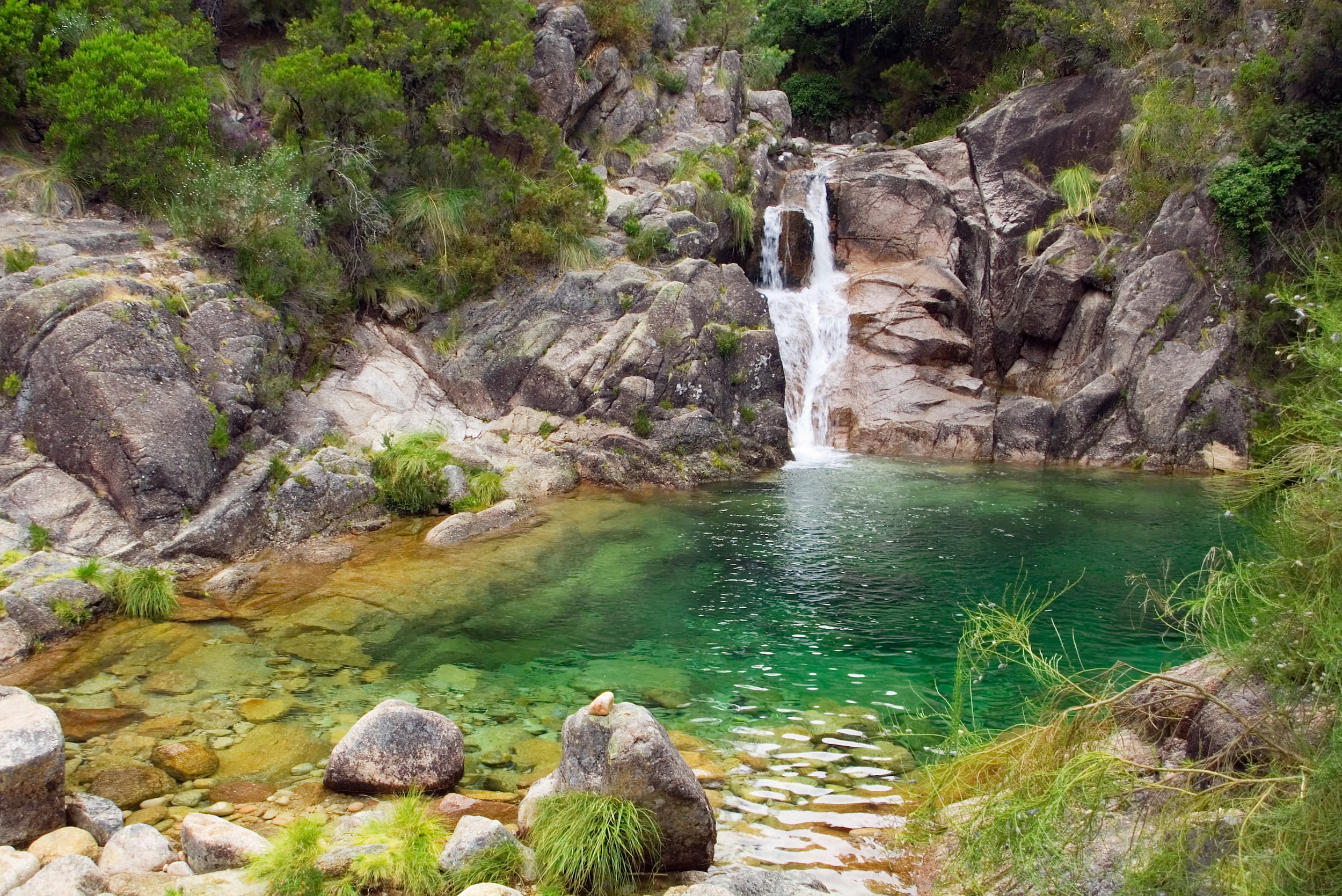
Near Ermida, the Arado waterfall drops through a rugged granite channel and is among the best-known natural Peneda-Gerês landmarks. The approach to the viewing area involves steps and uneven ground; wear shoes with grip and enjoy the cascade from a secure position rather than scrambling down wet rocks.
04Vilarinho da Furna Reservoir
The former communal village of Vilarinho da Furna was submerged when the reservoir filled in the early 1970s, and portions of its stone remains sometimes reappear when water levels fall. Visit the Museu Etnográfico de Vilarinho da Furna in nearby São João do Campo for the human story, and never plan around a guaranteed sighting of the ruins.
05Geira Romana and Mata da Albergaria
The Roman road known as the Geira formed part of the route between Bracara Augusta, now Braga, and Asturica Augusta, now Astorga in Spain; surviving sections and milestones can be found in the park. Around Mata da Albergaria, ancient road traces meet important native oak woodland, but vehicle access is regulated, so check current restrictions before planning a stop and use designated paths.
06Lindoso Castle and Granaries
Lindoso pairs a medieval border castle with a remarkable cluster of more than 50 granite espigueiros, raised granaries traditionally used to dry and store maize. Walk around the granaries to understand their ventilated construction, but treat them as working rural heritage rather than climbing structures, and check opening hours if you want to enter the castle.
07Soajo
Soajo is known for the communal threshing floor crowned by 24 stone espigueiros, with granite houses and narrow lanes extending through the village. Arrive earlier in the day for a quieter look at the granaries, then leave time for a village lunch rather than treating this as a quick photograph stop.
08Santuário de Nossa Senhora da Peneda
Built mainly during the 18th and 19th centuries, this pilgrimage sanctuary stands beneath an immense granite escarpment, approached by a monumental staircase and a sequence of devotional chapels. The annual pilgrimage takes place in early September, when access can be busier; at other times, allow a little extra time to appreciate the setting without committing to every stair.
09Castro Laboreiro
In the park’s northern sector, Castro Laboreiro is associated with distinctive pastoral traditions and a native livestock-guardian dog breed bearing its name. The ruined castle occupies a rocky height above the village, but its uneven walking approach is best attempted in dry weather with suitable footwear; the village itself is a worthwhile stop if that climb does not suit you.
10Pitões das Júnias and Mosteiro de Santa Maria das Júnias
Near Montalegre, Pitões das Júnias introduces the park’s quieter eastern highlands, with the ruins of a medieval monastery below the village. Reaching the monastery requires a walk on uneven ground, so reserve this stop for visitors comfortable on foot and keep the waterfall route as a separate decision rather than assuming both are effortless roadside visits.
Trusted across Portugal and Spain
Journeys backed by 1,300+ verified reviews
Consistently five-star rated since 2012, Portugal Magik is a TripAdvisor Hall of Fame recipient. Our Portugal Ambassadors bring local knowledge, thoughtful service and dependable private travel to every journey.

Travel with Portugal Magik
Explore Portugal in a Mercedes-Benz V-Class
For smaller groups, a private V-Class offers a comfortable way to travel between places, with an English-speaking driver, door-to-door pickup and a flexible itinerary planned with our team. Vehicle choice depends on your group and availability.
Plan a personalized journey →Build a relaxed private route, not a cross-park checklist
Peneda-Gerês stretches across several mountain ranges, and nearby-looking map pins can be separated by slow, winding roads. The most rewarding Peneda-Gerês private tour concentrates on one sector each day, with walking stops matched to your mobility and the weather.
For a private day from Porto or Braga, focus on the southern Gerês sector: Vila do Gerês, Pedra Bela and, if conditions and walking ability suit, Cascata do Arado. Allow roughly 1½–2 hours each way between Porto and Vila do Gerês, or around an hour from Braga, depending on your pickup point and traffic. Keep time for lunch near Gerês or Ermida, and omit the waterfall if you would prefer a gentler day. Ask Portugal Magik for a personalized route that prioritizes viewpoints over walking, or vice versa.
For a western-sector day, combine Soajo and Lindoso, allowing time for both village streets and a seated lunch. The Peneda sanctuary can be added when the starting point and daylight make that comfortable, but it should not become an obligation. Castro Laboreiro deserves a separate northern-sector day, potentially paired with Peneda when staying nearby.
For three days, devote one day to the southern viewpoints, one to Campo do Gerês, the Vilarinho da Furna museum and an accessible Geira stop, and one to Soajo and Lindoso. With four or five days, extend north to Peneda and Castro Laboreiro, or east to Pitões das Júnias; covering both extremes is better with additional time and carefully chosen overnight bases. Access restrictions may mean replacing a forest-road stop with a village or museum visit.
From Lisbon, allow approximately five to six hours of driving to the Gerês area before sightseeing or substantial breaks. An overnight stay is the minimum sensible foundation, while two or more nights make the journey considerably more relaxed. Portugal Magik can incorporate mainland stops such as Braga or Guimarães on different travel days rather than squeezing them into a full mountain itinerary.
Portugal Magik provides private Mercedes-Benz transfers and private day or multi-day tours, with door-to-door pickup and flexible itineraries. Your Portugal Ambassador is a knowledgeable local English-speaking driver-guide from Portugal who can help pace the day around road conditions and your interests. A private Mercedes-Benz V-Class is a comfortable option for smaller groups on these longer journeys, subject to availability.
Established in 2012, Portugal Magik has 1,300+ verified reviews and is consistently five-star rated. Share your starting address, available days and preferred walking level to request a personalized private tour or transfer quote.
Best time to visit and practical local advice
Late spring and early autumn usually offer the most comfortable balance of daylight, temperatures and quieter roads. May and June can be particularly rewarding for green valleys and flowing streams, while September and October suit village visits and woodland scenery. Mountain weather remains changeable, and rain can affect visibility and footing in any season.
July and August bring longer days but also heavier traffic around Gerês, Pedra Bela and the better-known waterfalls. Start early, reserve time for a proper lunch break, and keep the afternoon flexible. Waterfalls can be less impressive after dry weather, while high fire danger may trigger restrictions on forest access or walking routes.
Winter has its own appeal for granite villages and atmospheric landscapes, but the higher northern and eastern sectors can experience frost, ice or snow. Short daylight hours and low cloud make an ambitious viewpoint circuit a poor choice; a shorter village-focused route is often more rewarding.
Bring grippy walking shoes, a light waterproof layer, drinking water and sun protection. A driver can reduce the distances you need to cover on foot, but cannot remove the steps at viewpoints or the uneven paths to waterfalls, castles and monastery ruins. Explain any mobility limitations before the route is planned.
Do not assume that a picturesque pool is safe or permitted for swimming. Water depth, slippery granite and sudden changes in flow can make apparently calm places hazardous; follow posted rules and avoid waterfall edges. Check current park and civil-protection notices before setting out, and respect closures even when a route appears on an older map.
For lunch, look for regional dishes such as cabrito assado, roast kid, and, around the Barroso area, local beef and smoked meats. Village restaurant opening days vary, especially outside summer, so discuss lunch timing as part of the route rather than assuming every village will have somewhere open.
One useful planning detail: download an offline map before entering the mountains, as mobile coverage can be patchy. Share your travel month with Portugal Magik when requesting a personalized itinerary so the proposed stops reflect daylight, seasonal access and realistic driving times.
Your route
Direct or with stops
Tell us where you would like to pause along the way and we shape the day around it.
Request a proposal →Your pace
One day or several
Spread the journey over a few days with overnight suggestions from our team.
Request a proposal →Your Ambassador
A local by your side
An English-speaking driver-guide from Portugal in a private Mercedes-Benz.
Request a proposal →★★★★★ 1,300+ verified reviews · TripAdvisor Hall of Fame · Since 2012
Keep exploring
Related journeys and routes
Top places to visit in Sintra: palaces, gardens and coast
The top places to visit in Sintra range from hilltop royal residences to woodland convents and the Atlantic cliffs beyond town. The secret to enjoying them is choosing a few well, rather than spending the day rushing between entrance gates.
Read more →Sightseeing in Belmonte: Jewish Heritage, Castles and More
Sightseeing in Belmonte brings together Portugal’s remarkable Jewish heritage, the story of Pedro Álvares Cabral and a hilltop castle overlooking the countryside towards Serra da Estrela. Give this small Beira Interior town time: its museums, granite lanes and living traditions reward a thoughtful visit rather than a hurried stop.
Read more →The top places to visit in Marvão
The top places to visit in Marvão stretch from a granite hilltop castle to Roman ruins in the valley below. This guide connects the village’s essential sights with practical advice for exploring the quieter, higher reaches of Portugal’s Alentejo.
Read more →Frequently Asked Questions
Personalized and without obligation
Speak with a travel designer
1,300+ five-star reviews · TripAdvisor Hall of Fame · Trusted since 2012 · Mercedes-Benz fleet