The top places to visit in Fátima: a thoughtful guide
The top places to visit in Fátima connect the vast Sanctuary with the modest village homes and olive-growing countryside associated with the events of 1917. Whether you come on pilgrimage or to understand Portugal’s religious heritage, leave time for both the monumental churches and the quieter paths beyond them.
10 top places to visit in Fátima
01Chapel of the Apparitions
The Capelinha das Aparições marks the spot associated with the Marian apparitions reported by three shepherd children beginning on 13 May 1917; the original chapel was built in 1919. It remains the devotional heart of the Sanctuary, so approach quietly and check the daily programme if you want to attend a service rather than arrive midway through one.
02Basilica of Our Lady of the Rosary
Consecrated in 1953, this limestone basilica houses the tombs of the three visionaries: Lúcia dos Santos and her cousins Francisco and Jacinta Marto. Visit outside scheduled liturgies for a more unhurried look, and remember that access around the tombs may slow during busy pilgrimage periods.
03Basilica of the Most Holy Trinity
Inaugurated in 2007 at the opposite end of the Sanctuary’s prayer area, this contemporary basilica offers a striking contrast to the older church, with a broad interior designed for large congregations. Cross the square to see both buildings together, but allow extra time for the exposed walk in summer heat or winter rain.
04The Sanctuary Colonnade
The curved colonnade beside the Basilica of Our Lady of the Rosary frames the prayer area and incorporates ceramic panels depicting the Stations of the Cross. Walk its length rather than treating it only as a photograph backdrop: the panels reward a closer look, and the covered sections offer some shelter from sun or showers.
05Museum of the Shrine of Fátima
The museum’s permanent exhibition, Fátima Light and Peace, presents offerings and objects that help explain the Sanctuary’s international significance. One of its best-known exhibits is the precious crown of Our Lady of Fátima, which incorporates the bullet linked to the 1981 assassination attempt on Pope John Paul II; check current exhibition access, opening hours and ticket arrangements before planning around it.
06Lúcia’s House, Aljustrel
Around 2 kilometres from the Sanctuary, Lúcia’s family home introduces the rural setting in which the eldest of the three visionaries grew up. Combine it with the Marto family house nearby, and check current opening hours because these small domestic spaces are not suited to a hurried visit during group arrivals.
07Francisco and Jacinta’s House, Aljustrel
This modest family house was the childhood home of Francisco and Jacinta Marto, the siblings canonized in Fátima by Pope Francis on 13 May 2017. Visit the two children’s houses together and pause over the simple rooms and household objects, which provide useful context after the scale of the Sanctuary.
08Valinhos Apparition Monument
Valinhos commemorates the apparition traditionally dated to 19 August 1917, which took place away from the Cova da Iria after the children had been detained in Ourém. It fits naturally between Aljustrel and the countryside devotional paths; wear shoes with grip and allow time to stop without blocking other pilgrims.
09Way of the Cross and Hungarian Calvary
The Via Sacra follows paths associated with the shepherd children and leads to the Hungarian Calvary, with the Chapel of Saint Stephen at its end. The route extends for roughly 1.5 kilometres from the southern Fátima area towards the Calvary, so agree a suitable meeting point with your driver rather than assuming you must retrace the entire walk.
10Loca do Cabeço
This rocky spot among olive trees is associated with the first and third apparitions of the Angel of Peace to the children in 1916, before the Marian apparitions of the following year. Include it while exploring the Valinhos area, but expect uneven ground and some changes in level; it is better approached as a quiet walking stop than a quick roadside photograph.

Plan with confidence
Plans change. Your options are clear.
Change dates without an extra change charge when available, and cancel early for a refund or travel credit. Our team confirms every detail before you pay.

Travel with Portugal Magik
Explore Portugal in a Mercedes-Benz V-Class
For smaller groups, a private V-Class offers a comfortable way to travel between places, with an English-speaking driver, door-to-door pickup and a flexible itinerary planned with our team. Vehicle choice depends on your group and availability.
Plan a personalized journey →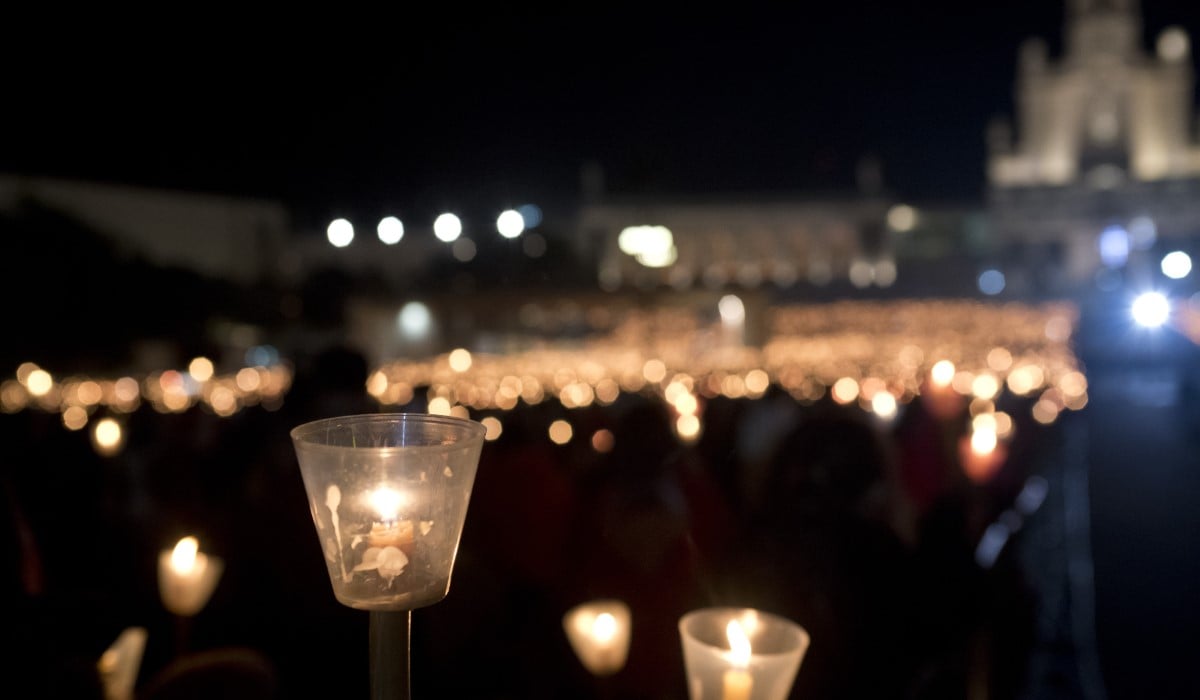
A relaxed private route from Lisbon
Fátima is roughly 130 kilometres by road from Lisbon, with the journey usually taking around 1 hour 30 minutes to 2 hours, depending on your pickup location and traffic. Portugal Magik offers private day and multi-day tours with an English-speaking driver, door-to-door pickup and flexible itineraries. For smaller groups, a private Mercedes-Benz V-Class is a comfortable option for this journey, subject to availability.
For a balanced day trip, spend the morning at the Sanctuary: start with the Chapel of the Apparitions, continue to the Basilica of Our Lady of the Rosary and its colonnade, then cross to the Basilica of the Most Holy Trinity. Allow around two to three hours for this core visit, longer if attending Mass is important to you. The museum works best as an optional addition rather than another compulsory stop.
After an unhurried lunch in Fátima, continue to Aljustrel for the two family houses. Choose either a shorter visit to Valinhos and Loca do Cabeço or a longer walk along the Way of the Cross, according to your interests and mobility. Trying to inspect every stop closely in a single day leaves little room for reflection, services or delays. Ask Portugal Magik for a personalized itinerary built around the places that matter most to you.
For a two-day route, stay overnight in Fátima to leave room for an evening religious programme, when scheduled, and a quieter morning visit. On the second day, continue to Batalha Monastery, approximately 20 kilometres away, then choose either a coastal stop in Nazaré or a walk in Óbidos before returning to Lisbon. Your driver can accommodate agreed sightseeing stops and pickup times without turning the day into a race between monuments.
If your plans are already settled, request a private Mercedes-Benz transfer to or from Fátima instead of a touring itinerary.
Best time to visit and practical insider tips
Spring and autumn generally offer the most comfortable conditions for Fátima sightseeing, especially if you want to walk around Aljustrel and Valinhos. April, late May, June, September and October can work well, but religious dates matter more here than a simple high-season or low-season label.
The major anniversary pilgrimages centre on 12–13 May and 12–13 October. The 12th and 13th of other months from May through October can also be busy. These dates bring a powerful communal atmosphere, but also larger crowds, greater demand for accommodation and possible changes to vehicle access. Choose an ordinary weekday outside these periods if quiet contemplation is your priority.
Arrive early for a calmer first visit, while remembering that the Sanctuary is an active place of worship throughout the day. Check the official Sanctuary programme shortly before travelling for Mass times, languages, processions and any access changes; do not assume an evening candlelight procession follows the same timetable year-round.
The central prayer area is extensive and exposed. Bring water, sun protection and comfortable shoes in warm weather, and a wind-resistant layer or raincoat in cooler months. Modest clothing is appropriate inside the chapels and basilicas, and photography should never interrupt worship.
For visitors with limited mobility, prioritize the Sanctuary’s main buildings and discuss walking distances before adding the rural sites. Parts of the Valinhos and Loca do Cabeço area have uneven surfaces or changes in level, and even a short-looking route can be tiring. Ask Portugal Magik to personalize the driving route and meeting points around your walking comfort, allowing for local access restrictions.