10 top places to visit in Braga, with practical tips
The top places to visit in Braga connect Portugal’s oldest cathedral with Roman remains, Baroque palaces and hillside sanctuaries. Give the historic centre time on foot, then head into the surrounding hills for a different perspective on this deeply religious Minho city.
The top places to visit in Braga: 10 worthwhile stops
01Bom Jesus do Monte
About 6 km east of central Braga, this sanctuary is famous for its monumental Baroque stairway and became a UNESCO World Heritage Site in 2019. Its water-powered funicular opened in 1882, offering an alternative to climbing the steps. For a less strenuous visit, ask your driver to approach the upper sanctuary and explore only as much of the stairway as feels comfortable; check funicular operating hours separately.
02Sé de Braga
Consecrated in 1089, Braga Cathedral predates the foundation of Portugal and combines Romanesque architecture with later Gothic and Baroque additions. Its chapels hold the tombs of Henry of Burgundy and Teresa of León, parents of Portugal’s first king. Check the separate visiting arrangements for the cathedral, chapels and Treasury-Museum, and avoid planning sightseeing around Mass.
03Jardim de Santa Bárbara
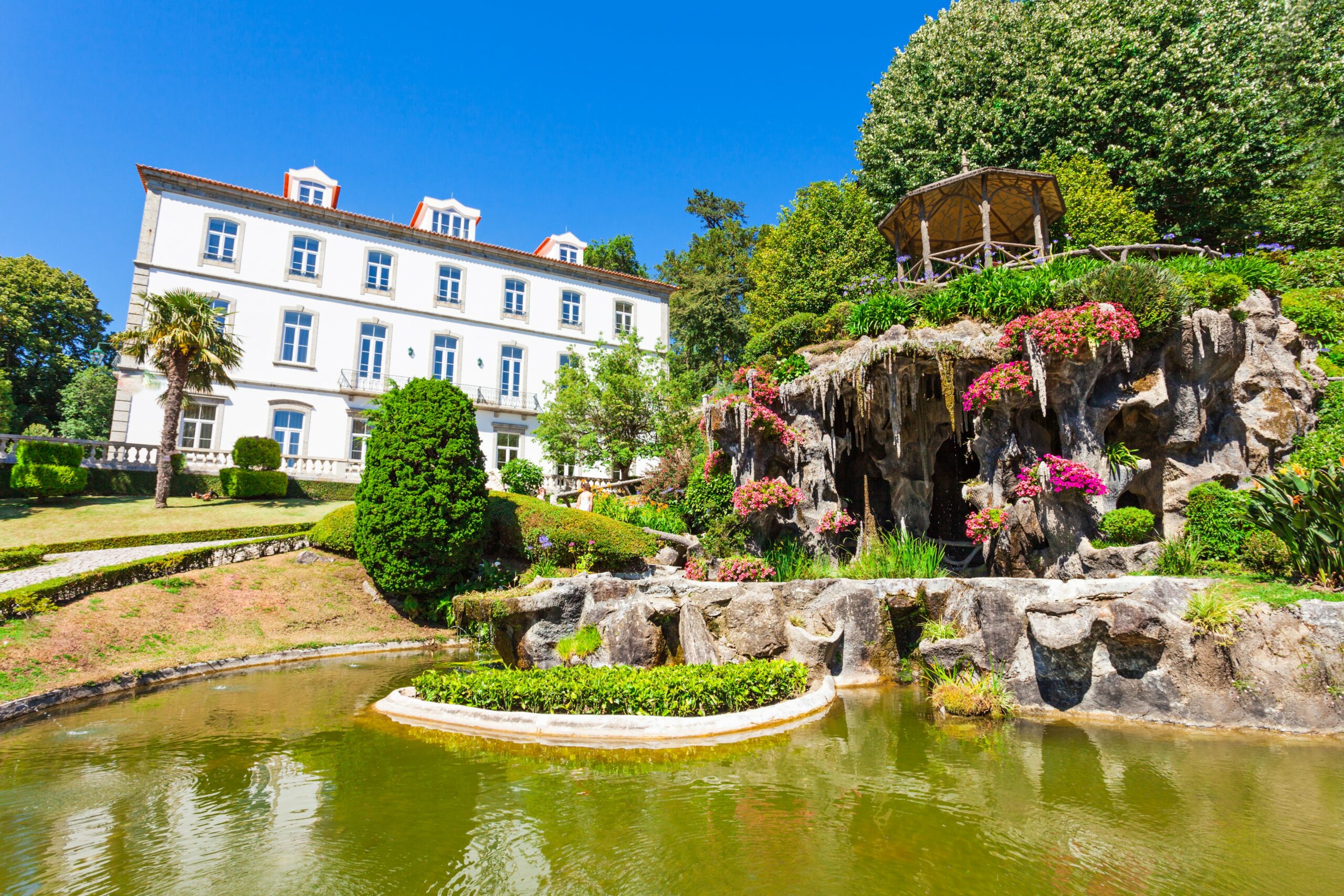
This compact formal garden sits beside the medieval wing of Braga’s Archbishop’s Palace, where stone arches and crenellated walls frame geometric flowerbeds. The contrast between the historic masonry and seasonal planting makes it one of the centre’s most distinctive small spaces. Visit in morning light and stay on the paths: the garden is better enjoyed slowly than treated as a shortcut.
04Praça da República and the Arcada
Braga’s central square opens towards the Arcada, a long arcade associated with the city’s café culture, including Café Vianna, established in 1858. It is a useful place to understand how the historic centre meets the broader avenues and gardens to the east. Pause here between monuments rather than scheduling every minute, especially if your group needs a seated break.
05Arco da Porta Nova
The present ceremonial gateway dates to 1772 and marks the western approach to the old centre along Rua do Souto. Unlike a defensive gate, its role is largely architectural and civic, making it an evocative starting point for a walk towards the cathedral. Photograph it from both sides, then continue east through the shopping streets rather than treating it as a standalone excursion.
06Palácio dos Biscaínhos
This aristocratic residence houses the Museu dos Biscaínhos, with decorative arts and domestic interiors that illuminate elite life in earlier centuries. Its historic gardens are as important to the visit as the palace rooms, offering a different atmosphere from Braga’s church interiors. Check current opening arrangements before committing to a visit, particularly if access to the gardens is your main reason for coming.
07Palácio do Raio
Completed in 1755 to a design by André Soares, this palace is a striking example of Braga’s Baroque architecture, with elaborate granite carving and a blue-tiled façade. It houses an interpretation centre devoted to the history of the Misericórdia de Braga. Step back across the street to appreciate the façade’s symmetry, and confirm interior visiting hours rather than assuming the building is always accessible.
08Santuário do Sameiro
Founded in 1863, Sameiro is one of Portugal’s principal Marian sanctuaries and stands on high ground a few kilometres beyond Bom Jesus. Its broad terraces and extensive views offer a quieter visual contrast to Bom Jesus’s intricately staged stairway. Pair the two sanctuaries in the same hillside outing, but choose a clear day if the panorama is your priority.
09Mosteiro de São Martinho de Tibães
Around 7 km west of central Braga, Tibães became the mother house of the Portuguese Benedictine congregation in 1567. Its church, monastic spaces and grounds reveal a scale of religious life quite different from the compact churches of the centre. Allow roughly 90 minutes to two hours and check which areas are accessible that day; this is not a stop to squeeze into a spare twenty minutes.
10Termas Romanas do Alto da Cividade
These archaeological remains preserve part of a public bathing complex in Roman Bracara Augusta, the city that preceded modern Braga. Discovered in 1977, they help explain why Braga’s history extends far beyond its medieval cathedral and Baroque sanctuaries. Check the site's opening hours and combine it with the nearby Museu de Arqueologia D. Diogo de Sousa if Roman history is a particular interest.
Plan with confidence
Plans change. Your options are clear.
Change dates without an extra change charge when available, and cancel early for a refund or travel credit. Our team confirms every detail before you pay.
Travel with Portugal Magik
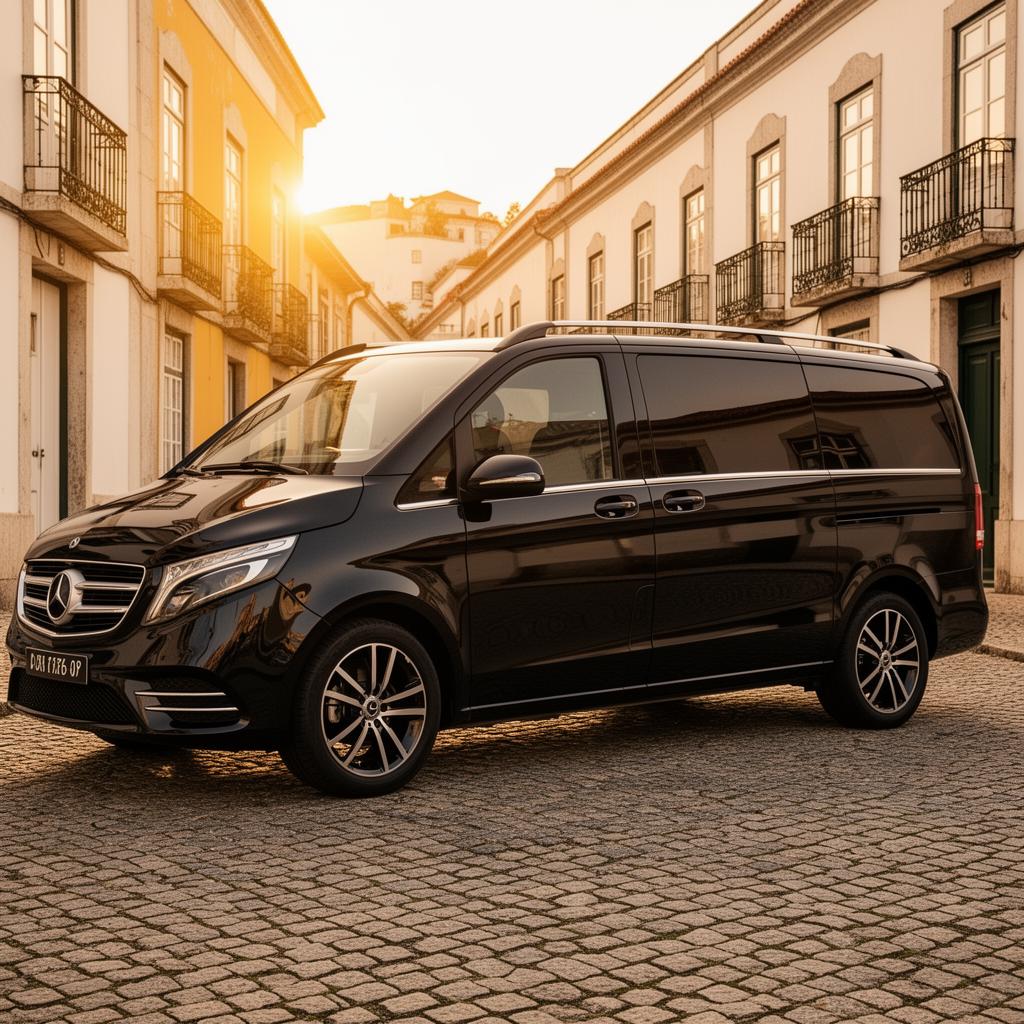
Explore Portugal in a Mercedes-Benz V-Class
For smaller groups, a private V-Class offers a comfortable way to travel between places, with an English-speaking driver, door-to-door pickup and a flexible itinerary planned with our team. Vehicle choice depends on your group and availability.
Plan a personalized journey →A relaxed Braga sightseeing route with a private driver
For one day from Porto, concentrate on the historic centre and Bom Jesus rather than trying to cover all ten places. Porto to Braga is roughly 55 km, usually around an hour by road depending on your pickup point and traffic. Portugal Magik can arrange a private day tour with an English-speaking driver, door-to-door pickup and a flexible itinerary; request a personalized plan that reflects your walking pace.
Begin near Arco da Porta Nova and walk through the centre to the cathedral, Jardim de Santa Bárbara and Praça da República. These stops form a manageable sequence, with time for a café break and lunch. Bacalhau à Braga, commonly served with fried potatoes and an onion topping, is a fitting local dish to look for; restaurant preparations vary.
After lunch, drive to Bom Jesus and allow at least an hour to appreciate the sanctuary and its terraces without rushing. Add Sameiro if the weather is clear and your group still feels energetic. Otherwise, return to Porto with time to spare: Biscaínhos, Tibães and the Roman sites deserve a second day rather than a hurried tick on a list.
For two days based in Braga, spend the first day on the central landmarks, adding Palácio do Raio and Biscaínhos if opening hours permit. Use the second for Bom Jesus and Sameiro in the morning, followed by lunch and Tibães in the afternoon. History enthusiasts can substitute the Roman baths and archaeology museum for one of the palace visits.
From Lisbon, Braga is approximately 365 km away, with a direct journey commonly taking around four hours or longer depending on traffic and stops. A three-day itinerary is more comfortable than a same-day return: travel north on day one, perhaps pausing in Coimbra, spend day two exploring Braga, and choose one final visit before returning south on day three. Ask Portugal Magik to shape a private multi-day tour around your preferred overnight stays.
For smaller groups, a private Mercedes-Benz V-Class is a comfortable option for these journeys, subject to availability. Portugal Magik’s service is a private Mercedes-Benz transfer or tour with an English-speaking driver; plan attraction visits around their own admission rules, and agree convenient meeting points where pedestrian streets prevent vehicle access.
Best time to visit Braga and practical insider tips
May, June, September and early October often provide a good balance of comfortable sightseeing temperatures and daylight. Braga lies in the green, Atlantic-influenced Minho region, so showers are possible in any season. Winter visits can be rewarding for museums and church interiors, but allow for wetter weather, shorter days and reduced visibility at the hilltop sanctuaries.
Holy Week is especially significant in Braga, with religious ceremonies and processions drawing substantial crowds. The São João festivities around 23–24 June bring another lively period. Visit during these occasions for their cultural importance, not for a quiet itinerary, and arrange accommodation and your private driver well ahead.
Put Bom Jesus and Sameiro into the clearest weather window rather than fixing them rigidly to the morning or afternoon. If low cloud settles over the hills, the cathedral, palace interiors and archaeology museum make more rewarding alternatives. Ask for a flexible Portugal Magik itinerary so your driver can help adjust the sequence where practical.
Wear shoes with reliable grip: granite paving and sanctuary steps can become slippery after rain. Upper-level vehicle access at Bom Jesus reduces the need to climb, but it does not make every terrace or path step-free. Mention mobility needs when requesting your personalized quote, including whether short slopes or a few steps are manageable.
Check official opening information shortly before travel, especially for museums, archaeological sites and religious interiors. Some have weekly closing days, midday breaks or access restrictions during worship. Carry a light layer for the exposed sanctuary terraces, and leave enough time for lunch rather than relying on continuous sightseeing.