A thoughtful guide to sightseeing in Viseu
Sightseeing in Viseu brings together a granite-built cathedral quarter, remarkable Renaissance paintings and leafy parks in the heart of Portugal’s Dão wine region. Give this inland city an unhurried day, or stay longer to connect its historic streets with the villages and landscapes beyond.
Sightseeing in Viseu: 10 places worth your time
01Sé de Viseu
Viseu’s cathedral crowns the historic centre, with medieval origins and distinctive stone vaulting whose ribs resemble knotted ropes. Step inside to appreciate the contrast between its imposing exterior and richly detailed interior. Visit outside service times, and wear shoes with good grip for the sloping granite streets around the cathedral square.
02Museu Nacional Grão Vasco
Founded in 1916, this museum occupies the former episcopal seminary beside the cathedral and celebrates Vasco Fernandes, the Renaissance painter known as Grão Vasco. His monumental Saint Peter is a highlight, but the collection rewards more than a quick circuit. Allow about an hour and check current opening days before making it the anchor of your visit.
03Igreja da Misericórdia de Viseu
Facing the cathedral across the Adro da Sé, this church provides a striking architectural contrast with its elegant 18th-century Rococo façade. The square is one of the best places to understand how closely Viseu’s principal religious buildings sit together. Stand near the cathedral steps to take in the whole façade, and check access locally before planning an interior visit.
04Porta do Soar
Also called Porta de São Francisco, this surviving medieval gateway makes the old city’s former defensive boundary tangible. Walking through it is a satisfying way to enter the cathedral quarter rather than approaching every landmark in isolation. Pause on both sides of the arch: the changing views explain more about the old street layout than a hurried photograph does.
05Porta dos Cavaleiros
This second surviving medieval gate stands beside the historic Fonte de São Francisco, offering a quieter counterpart to the cathedral square. Together, the gateway and fountain make a worthwhile stop on the lower edge of the historic centre. Include them on a downhill walk from the upper town, then arrange pickup nearby where vehicle access permits.
06Praça da República, or Rossio
Viseu’s civic heart brings together the town hall, café terraces and a distinctive blue-and-white tile panel dating from 1931. Its scenes of regional life offer a different perspective from the religious art of the upper town. Make this your coffee stop and inspect the tiled figures up close rather than viewing the panel only from across the square.
07Parque Aquilino Ribeiro
Just off Rossio, this central park is named after the Portuguese writer Aquilino Ribeiro and offers shaded paths, mature trees and a welcome change of pace. It is particularly useful when travelling with children or anyone who appreciates a break between historic buildings. Save it for the warmer part of the day, when its shade is more valuable than another exposed square.
08Rua Direita
This traditional commercial street threads through Viseu’s historic centre, connecting sightseeing with the everyday rhythm of shops and local errands. Look above the shopfronts for granite details and older façades rather than treating it simply as a route between monuments. Walk it during normal shopping hours if you want a livelier impression of the city.
09Cava de Viriato
This vast octagonal earthwork is one of Viseu’s most unusual historic sites, with surviving banks that are best understood as part of a much larger defensive enclosure. Despite its name, its origins remain debated: it should not be presented as a proven camp of the Lusitanian leader Viriatus. Read the on-site interpretation and allow time to appreciate its scale rather than expecting a conventional castle.
10Mata do Fontelo
Fontelo’s wooded grounds extend the visit beyond stone streets into a landscape associated with the former episcopal estate. Today, woodland paths and neighbouring sports facilities make this a lived-in recreational area rather than a formal monument. Choose a short woodland loop in daylight and wear suitable footwear, especially after rain when paths can be slippery.

Plan with confidence
Plans change. Your options are clear.
Change dates without an extra change charge when available, and cancel early for a refund or travel credit. Our team confirms every detail before you pay.

Travel with Portugal Magik
Explore Portugal in a Mercedes-Benz V-Class
For smaller groups, a private V-Class offers a comfortable way to travel between places, with an English-speaking driver, door-to-door pickup and a flexible itinerary planned with our team. Vehicle choice depends on your group and availability.
Plan a personalized journey →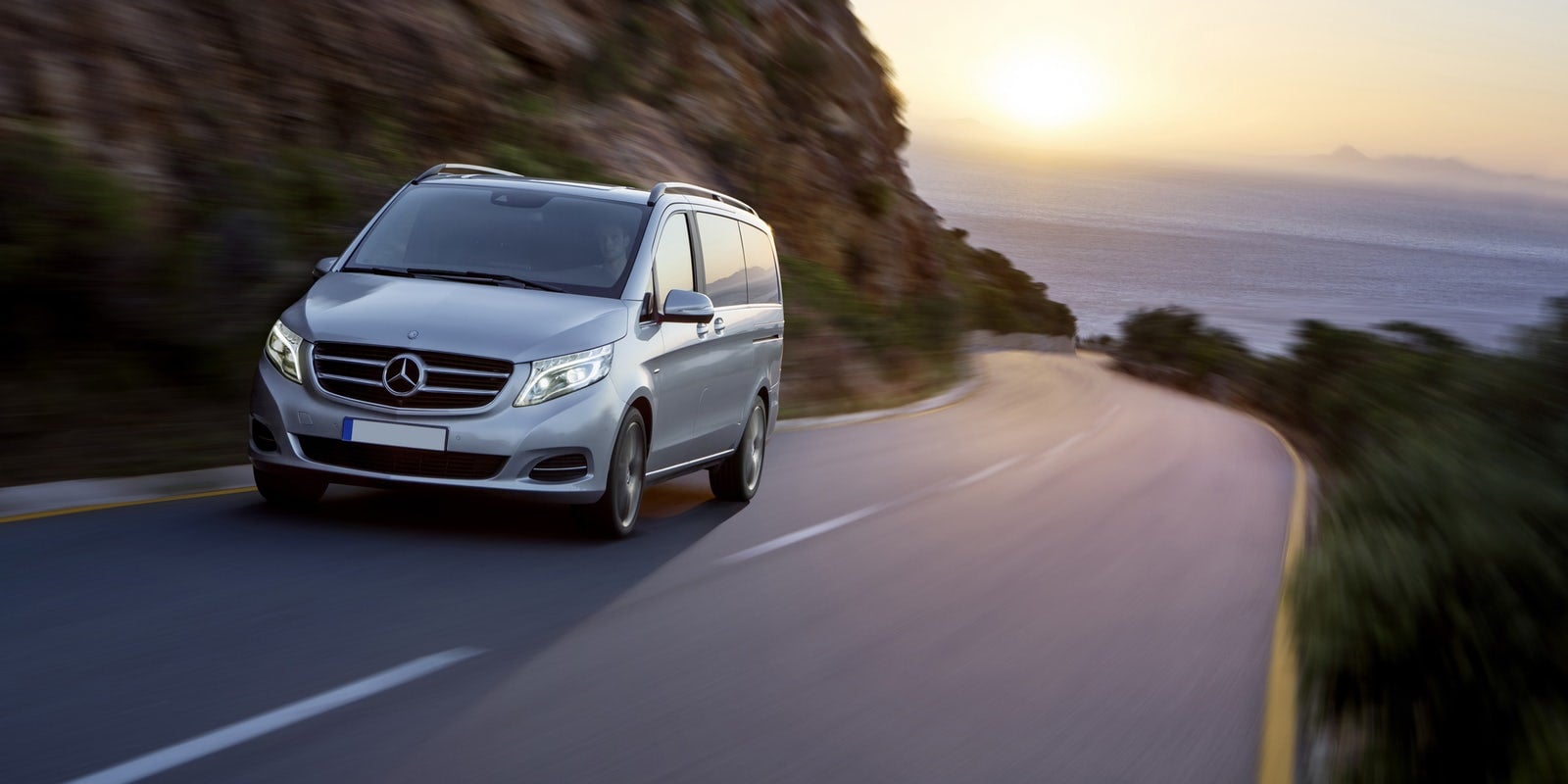
A relaxed private day, or a longer journey through Dão country
For a full day starting in Viseu, keep the morning compact. Begin at the cathedral, cross the square to the Museu Nacional Grão Vasco and Igreja da Misericórdia, then walk through Rua Direita towards Porta do Soar. These central Viseu landmarks are best enjoyed on foot, with time to notice doorways, stop for coffee and adjust the pace rather than chase a rigid checklist.
Have lunch around the historic centre or Rossio. Look for rancho à moda de Viseu, a substantial combination of meat, chickpeas and pasta, or regional vitela à Lafões when available. Afterwards, stroll through Parque Aquilino Ribeiro. Choose Porta dos Cavaleiros and Cava de Viriato for a more historical afternoon, or Fontelo for a greener finish; fitting every stop into one day is possible, but not necessary.
Portugal Magik offers private day and multi-day tours with an English-speaking driver, door-to-door pickup and flexible itineraries. Your driver can connect the more separated stops and coordinate pickup at permitted access points while you explore the pedestrian streets independently. For smaller groups, a private Mercedes-Benz V-Class is a comfortable option, subject to availability. Ask for a personalized Viseu private tour built around your walking preferences and museum interests.
From Lisbon, Viseu is roughly 290 kilometres by road, typically requiring around three to three-and-a-half hours each way before sightseeing stops, depending on traffic and the route. A same-day return makes for a long outing; two nights in Viseu allow a much gentler rhythm, with a full city day between arrival and departure.
For a multi-day journey, combine Viseu with Santar, roughly 20 kilometres away in Dão wine country, or add Coimbra on the journey north from Lisbon. Any winery visit should be confirmed directly with the venue in advance; Portugal Magik provides the private driving itinerary, not the winery experience. Request a personalized route that balances the city, countryside stops and realistic travel time.
When to visit Viseu, and details that make the day easier
May, June, September and early October often offer a pleasing balance of comfortable walking conditions and time outdoors. Spring brings fresh greenery to Fontelo, while early autumn connects naturally with the surrounding Dão vineyards. Weather varies, so carry a light layer even when the forecast looks promising.
July and August can be hot in inland Portugal. Explore the upper town earlier, use the museum as an indoor pause and reserve shaded park walks for later. The Feira de São Mateus, usually held across August and September, adds concerts, food stalls and a livelier evening atmosphere; check the current programme and book accommodation ahead if your dates overlap.
Winter suits travellers who favour art and quieter streets, but expect colder temperatures, rain and shorter daylight hours. Confirm museum opening days, church access and any holiday closures shortly before travelling. Build the route around the Grão Vasco collection if it is a priority rather than assuming every interior will be accessible whenever you arrive.
The historic centre has gradients, steps and uneven paving. Supportive footwear matters, and visitors with limited mobility should discuss walking distances before booking: door-to-door pickup does not mean vehicles can reach every monument entrance. Ask Portugal Magik for a personalized itinerary with shorter walks, well-placed breaks and practical pickup points.
One useful local distinction: the cathedral quarter is compact, but Cava de Viriato and Fontelo are separate outings. Group the central sights together first, then use your private transfer between the outlying stops instead of repeatedly crossing the city.