Your guide to sightseeing in the Douro Valley
The pleasure of sightseeing in the Douro Valley lies in combining its terraced vineyards with riverside towns, wine estates and hilltop viewpoints. This guide helps you choose worthwhile stops and leave enough time to enjoy them, rather than spending the day chasing a checklist.
10 places to include when sightseeing in the Douro Valley
The Alto Douro Wine Region became a UNESCO World Heritage Site in 2001, recognised for a cultural landscape shaped by generations of winegrowers. Among the Douro Valley landmarks below, some deserve a booked visit; others work beautifully as short, unhurried stops.
01Museu do Douro, Peso da Régua
Housed in the former Casa da Companhia, this museum explains the region’s wine culture, working landscape and history of demarcation, which dates to 1756. Visit before your first winery to put the terraces and river trade into context, and check current opening hours when planning your day.
02Pinhão Railway Station
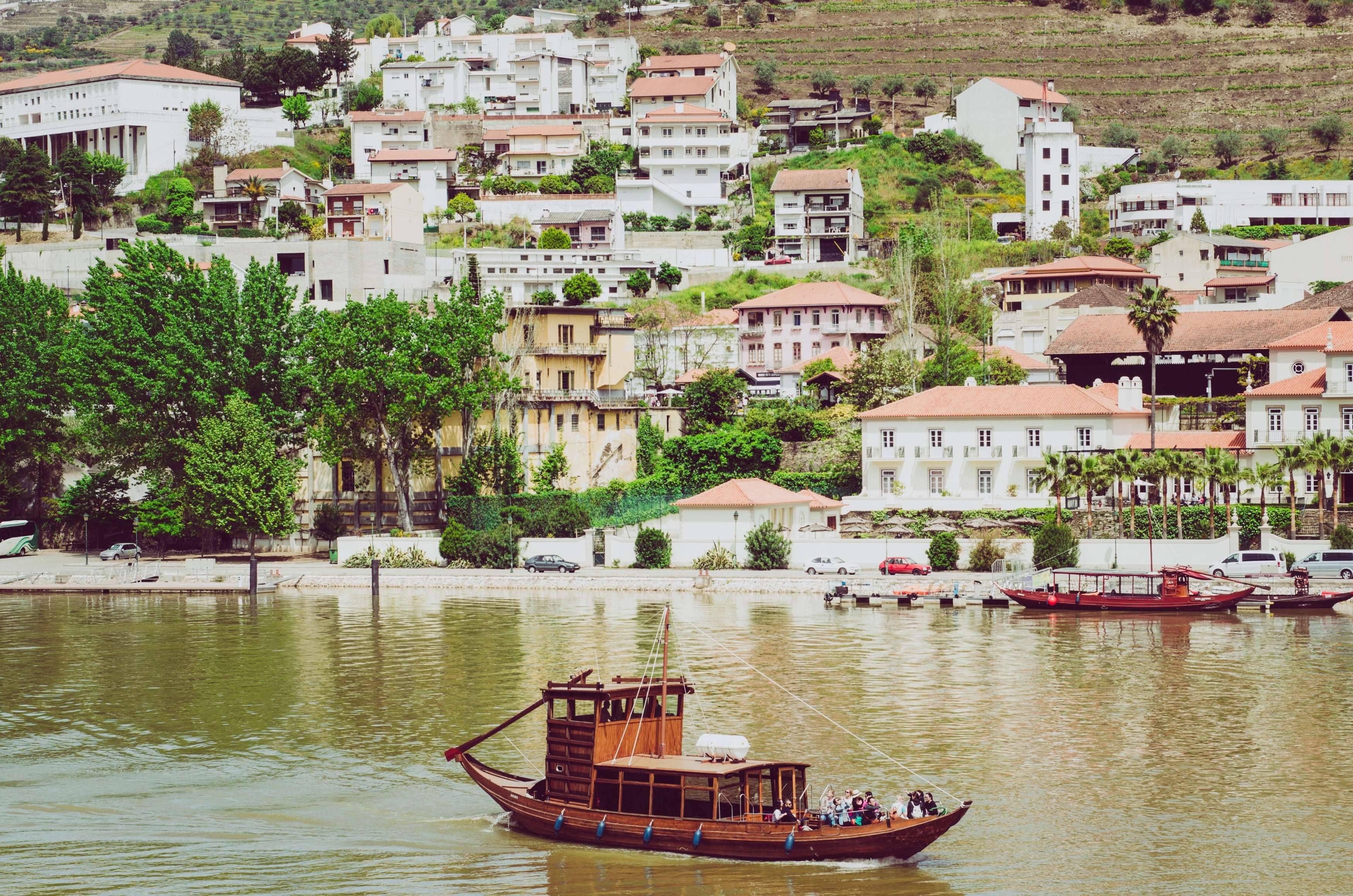
The station’s blue-and-white tile panels, installed in 1937, depict vineyard labour, grape harvesting and the river journeys that once carried wine downstream. Even without taking a train, it is a rewarding architectural stop; look closely for the traditional rabelo boats and keep passenger access clear while photographing the tiles.
03Casal de Loivos Viewpoint
Above Pinhão, this village viewpoint reveals a broad bend of the Douro framed by steep vineyard slopes. It is one of the clearest places to understand the valley’s terraced geography; allow time for the winding approach and ask your driver to adjust the stop around visibility rather than a rigid timetable.
04Quinta do Bomfim, Pinhão
This Symington family estate is closely associated with Dow’s Port and offers independently operated vineyard and cellar visits. Its location in Pinhão makes it convenient for a focused wine stop without a lengthy detour; reserve directly with the estate and check the walking involved in your chosen visit.
05Quinta da Pacheca, near Lamego
Across the river from Peso da Régua, Quinta da Pacheca is a well-known wine estate with a history documented back to 1738. It fits naturally into a western Douro itinerary; book any estate visit or tasting ahead and avoid scheduling another tasting immediately afterwards.
06Sanctuary of Nossa Senhora dos Remédios, Lamego
Construction of this hilltop sanctuary began in 1750, and its monumental staircase has 686 steps punctuated by terraces, fountains and decorative tilework. For a gentler visit, discuss access near the upper sanctuary with your driver rather than assuming you must climb from the town below; the staircase remains demanding for anyone with limited mobility.
07São Leonardo de Galafura Viewpoint
Near the village of Galafura, this elevated lookout connects the Douro landscape with the writing of Miguel Torga, whose words are displayed here. Choose it when exploring the Régua side of the valley, and bring a light layer: the exposed viewpoint can feel cooler and windier than the riverbank.
08N222 between Peso da Régua and Pinhão
This roughly 27-kilometre stretch follows the river past vineyard slopes and successive bends, making the journey itself part of the sightseeing. Travel it in daylight and let your driver select appropriate stopping places, since attractive views do not always come with safe roadside parking.
09São João da Pesqueira
One of the principal wine towns of the Douro, São João da Pesqueira rewards a walk around Praça da República, its historic façades and the nearby Museu do Vinho. Add it to a two-day or longer route rather than squeezing it into a western-valley day, and check the museum’s opening schedule before making that your main reason to visit.
10São Salvador do Mundo Viewpoint
A short drive from São João da Pesqueira, this sanctuary landscape combines small chapels with far-reaching views over the Douro near the Valeira dam. The setting introduces a quieter, more rugged side of the valley; wear shoes with grip and expect uneven paths if you explore beyond the main viewing area.
Plan with confidence
Plans change. Your options are clear.
Change dates without an extra change charge when available, and cancel early for a refund or travel credit. Our team confirms every detail before you pay.

Travel with Portugal Magik
Explore Portugal in a Mercedes-Benz V-Class
For smaller groups, a private V-Class offers a comfortable way to travel between places, with an English-speaking driver, door-to-door pickup and a flexible itinerary planned with our team. Vehicle choice depends on your group and availability.
Plan a personalized journey →How to combine the sights into a relaxed private route
From Porto: choose one part of the valley for a day. Peso da Régua is approximately 120 kilometres from Porto, with the journey often taking around 1½–2 hours before sightseeing stops. A balanced route pairs the Museu do Douro with the N222 drive to Pinhão, time to see the station tiles, a leisurely lunch and either a pre-booked estate visit or Casal de Loivos. Trying to include both, plus Lamego and several more viewpoints, leaves little room to enjoy the places you came to see.
For two days: spend the first day around Lamego and Régua, choosing the sanctuary, the museum and one estate visit according to your interests. Stay overnight around Régua or Pinhão, then use the second day for Pinhão’s station, Casal de Loivos and a booked winery visit. São João da Pesqueira and São Salvador do Mundo can replace the winery visit if landscapes and historic towns matter more to you than tastings.
For three days: keep the eastern sights for a separate day. This creates room for São João da Pesqueira, its wine museum and São Salvador do Mundo without repeatedly watching the clock. Staying two nights in the same area also reduces packing and makes it easier to adapt your sightseeing to rain, heat or low cloud.
From Lisbon: treat the Douro as an overnight or multi-day journey. Reaching the region typically takes around 4–5 hours each way before meaningful breaks, so a same-day return would devote much of your time to the road. Ask Portugal Magik for a personalized route from your Lisbon accommodation, with realistic stops and an overnight stay in the valley.
Portugal Magik offers private Mercedes-Benz transfers and private day or multi-day tours with an English-speaking driver, door-to-door pickup and flexible itineraries. A private Mercedes-Benz V-Class is a comfortable option for smaller groups on these longer journeys, subject to availability. Shape the Douro Valley private tour around the places you most want to see; winery visits and tastings are operated by the estates themselves and require separate arrangements and confirmation.
Best time to visit and practical insider tips
May–June and September–October usually offer the best balance of vineyard scenery and comfortable sightseeing, although weather varies. Spring brings fresh growth on the vines, while autumn can bring gold and copper colours. Harvest timing depends on the year, grape variety and location, often falling across late August and September; never assume that a particular visit includes seeing grapes picked or trodden.
July and August can be intensely hot, especially inland and away from the river. Put exposed viewpoints and town walks earlier in the day, carry water and leave the hottest hours for lunch or an indoor museum visit. Winter is quieter, but rain, fog and shorter daylight make flexible planning particularly valuable; some estates operate reduced visiting schedules.
Book wine visits before finalising the driving route. A fixed tasting appointment on the opposite side of the valley can dictate the whole day, and short distances on the map may involve slow, winding roads. One thoughtfully chosen estate is often more satisfying than several rushed tastings.
Tell your driver about mobility needs in advance. Lamego’s staircase, vineyard paths and hillside viewpoints have very different access conditions, and winery visits may include steps or uneven floors. Comfortable shoes are useful even if most of your sightseeing is by vehicle.
Leave room for a proper meal. Look for regional cooking such as cabrito assado, roast kid, where offered, and try bôla de Lamego, a savoury bread commonly filled with meat. Reserve ahead for weekend lunches and harvest-season visits rather than relying on finding a table between appointments.
Ask Portugal Magik for a personalized itinerary that groups nearby sights and protects time for lunch, photographs and pauses. The most useful flexibility is not adding more stops: it is being able to stay longer somewhere you genuinely enjoy.