Your guide to sightseeing in Tavira
The pleasure of sightseeing in Tavira lies in its manageable scale: castle walls, tiled churches and riverside squares sit within a compact historic centre. Leave time for the details, from Renaissance stonework to the salt pans bordering the Ria Formosa.
10 places for sightseeing in Tavira
01Castelo de Tavira
Tavira’s castle preserves fortifications shaped during Islamic rule and subsequently altered after the Portuguese conquest of 1242; its garden provides a quiet pause above the old town. Climb only the sections you feel comfortable tackling, as steps are uneven and some elevated stretches have limited protection.
02Igreja de Santa Maria do Castelo
Standing beside the castle, this church dates to the period after the Christian conquest and was substantially rebuilt following the 1755 earthquake. Look for its surviving Gothic doorway before entering, and check visitor access separately from worship times.
03Igreja da Misericórdia
Built in the mid-16th century, this church is one of Tavira’s outstanding Renaissance landmarks, with a richly carved entrance and an interior lined with blue-and-white azulejo panels illustrating the Works of Mercy. Make it an early stop while the interior is open rather than assuming you can return late in the afternoon.
04Ponte Antiga sobre o Rio Gilão
Commonly called the Roman Bridge, Tavira’s seven-arched pedestrian crossing has a more complicated history than that nickname suggests, with its surviving form reflecting medieval and later rebuilding. Cross it in both directions: the riverside façades look quite different from each bank, particularly as the tide changes.
05Praça da República
Tavira’s central square brings together the town hall, café terraces and the approach to the old bridge, making it a useful point for understanding the town’s layout. Pause here before climbing towards the castle, and save your riverside photographs for later if the midday light is harsh.
06Palácio da Galeria
This historic palace houses the main exhibition space of Tavira’s municipal museum, connecting the town’s archaeology and cultural history with changing exhibitions. Ask which galleries are open on your visit, as the programme varies, and allow time to appreciate the building itself rather than treating it solely as an exhibition stop.
07Torre de Tavira
Câmara Obscura** — A former water tower near the castle contains a camera obscura that projects a live panoramic image of Tavira onto a viewing surface. This independently operated attraction depends on suitable light and visibility, so check its current session times and conditions before planning your uphill walk around it.
08Mercado da Ribeira
Tavira’s former riverside market, opened in 1887, now accommodates places to eat and drink rather than serving as the town’s main fresh-produce market. Use it as a waterside break and architectural stop; if you want to see everyday fish and produce shopping, ask about visiting the separate Mercado Municipal in the morning.
09Salinas de Tavira and the Quatro Águas area
The salt pans and tidal channels south of town reveal Tavira’s working relationship with the Ria Formosa, a protected coastal lagoon system. Bring binoculars for birdwatching, stay on accessible paths without entering working salt pans, and remember that flamingo sightings depend on season and conditions.
10Ilha de Tavira
This barrier island separates the Atlantic from the Ria Formosa and offers a sandy coastal contrast to the churches and streets of the old town. Access requires a separate boat crossing, outside Portugal Magik’s driving service, so allow a substantial part of the day and confirm arrangements and return times with an independent operator.
Plan with confidence
Plans change. Your options are clear.
Change dates without an extra change charge when available, and cancel early for a refund or travel credit. Our team confirms every detail before you pay.
Travel with Portugal Magik
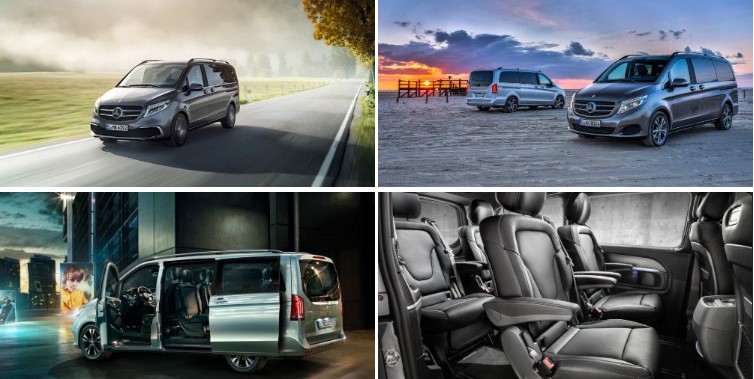
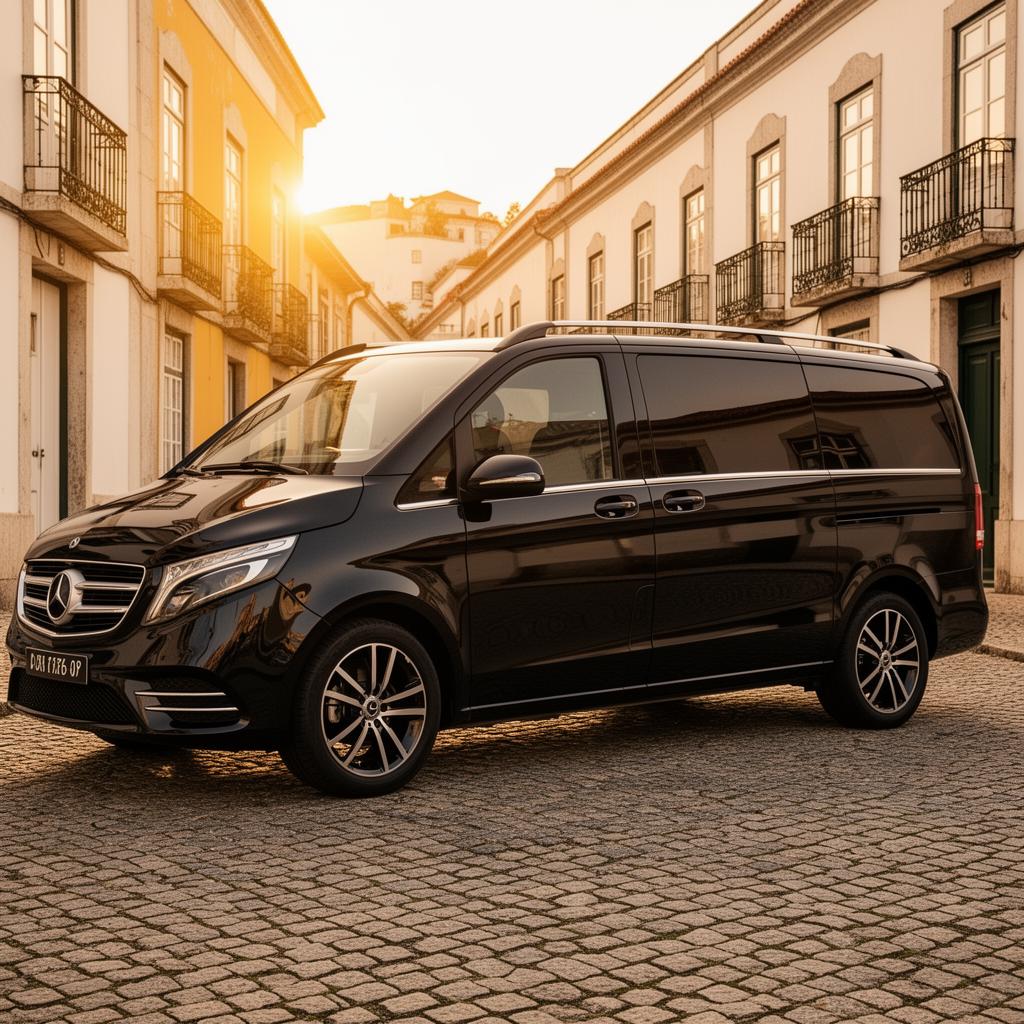
Explore Portugal in a Mercedes-Benz V-Class
For smaller groups, a private V-Class offers a comfortable way to travel between places, with an English-speaking driver, door-to-door pickup and a flexible itinerary planned with our team. Vehicle choice depends on your group and availability.
Plan a personalized journey →A relaxed Tavira private tour, without rushing
For a day beginning in Tavira or nearby, start with door-to-door pickup and a short drive to a suitable drop-off near the historic centre. Explore Praça da República and the old bridge before walking up to Igreja da Misericórdia, the castle and Santa Maria do Castelo. These central Tavira landmarks fit naturally together, but the uphill lanes, cobbles and steps make a slower pace worthwhile.
Choose either Palácio da Galeria or the camera obscura before lunch rather than trying to visit every interior. Any museum admission or independently operated attraction should be checked separately. Return towards Mercado da Ribeira for a riverside pause; local menus may feature grilled fish, octopus or an Algarve-style cataplana, with ingredients and availability varying by restaurant.
In the afternoon, Portugal Magik’s English-speaking driver can take you towards Quatro Águas for lagoon scenery. Alternatively, keep the whole afternoon for Ilha de Tavira, with any boat crossing arranged independently and the road pickup coordinated around your confirmed return. Portugal Magik provides private driving services, not boat excursions.
A two-night stay allows a gentler division: spend the first full day on Tavira’s historic centre, then choose an island afternoon or a road outing to Cacela Velha, roughly 12 kilometres east. This small village overlooks the Ria Formosa and complements Tavira’s urban history with a different view of the eastern Algarve coastline. Ask Portugal Magik for a personalized route that leaves room for lunch and unplanned pauses.
From Lisbon, Tavira is approximately 300 kilometres by road, so a private transfer followed by an overnight stay is more relaxed than an out-and-back sightseeing day. Portugal Magik offers private Mercedes-Benz transfers and private day or multi-day tours with an English-speaking driver, door-to-door pickup and flexible itineraries. For smaller groups, a Mercedes-Benz V-Class is a comfortable option on this longer journey, subject to availability; request a quote based on your passenger numbers, luggage and preferred stops.
Best time to visit Tavira and practical insider tips
May, June, September and October usually provide a good balance of pleasant walking conditions and time outdoors, although hot spells and rain remain possible. July and August bring stronger heat and greater demand for accommodation and island access. Start early, put uphill sightseeing before lunch and leave the exposed waterfront for later in the day.
Winter can suit a history-focused visit, with quieter streets and opportunities for long lunches, but daylight is shorter and some attractions reduce their opening hours. Check church, museum and camera obscura schedules shortly before travelling, particularly around holidays. Do not build a route around an unverified opening time.
Wear shoes with a secure grip: the castle approach combines slopes, cobbles and steps. A driver can reduce the distance between areas, but cannot remove the pedestrian sections or make the castle ramparts step-free. Tell Portugal Magik about mobility needs when requesting your personalized itinerary so that drop-offs, walking distances and alternatives can be considered.
Tides are part of Tavira’s character. High water produces fuller river views, while low water exposes the lagoon’s mudflats and feeding grounds for birds; neither guarantees particular wildlife sightings. Pack binoculars for the salt-pan area and sun protection even outside summer.
For lunch, look for regional dishes such as polvo à lagareiro, grilled fish or cataplana de marisco rather than assuming every waterfront restaurant serves the same specialities. In warmer months, reserve a table and allow an unhurried break. If island time matters most, tell your driver when planning the day rather than adding it after a full morning of monuments.