Your guide to sightseeing in Serra da Estrela
The pleasure of sightseeing in Serra da Estrela lies in its contrasts: granite summits, glacier-carved valleys and villages where sheep’s cheese and wool still shape daily life. Protected as a natural park since 1976, this mountain landscape rewards an unhurried itinerary with time for viewpoints, village lunches and changing weather.
10 memorable stops for sightseeing in Serra da Estrela
01Torre
At 1,993 metres, Torre marks the highest point in mainland Portugal, with road access close to the summit monument when conditions permit. It is an essential reference point among Serra da Estrela landmarks, although cloud can erase the views completely. Keep the timing flexible and aim for the clearest forecast window rather than a fixed lunchtime arrival.
02Covão d’Ametade
This high mountain basin, crossed by the young Zêzere River and shaded by birch trees, offers a gentler contrast to the exposed summit plateau. It is particularly atmospheric when the leaves turn in autumn. Explore the immediate riverside surroundings rather than assuming that paths leading beyond the basin are equally short or easy; wet ground and ice can make even a brief walk slippery.
03Zêzere Glacial Valley
The broad, U-shaped valley above Manteigas is one of the clearest places to appreciate how ice shaped Serra da Estrela. The N338 follows much of its course, revealing steep slopes, granite outcrops and the valley floor below. Ask your driver to use designated stopping places: the best photographs are not worth stepping into the road or stopping on a bend.
04Manteigas
Manteigas makes a rewarding mountain base, with whitewashed houses, a working wool tradition and access to the Zêzere valley. Look for burel, the dense wool fabric historically associated with mountain clothing and now used in contemporary design. If a particular wool shop or factory visit interests you, check its opening arrangements before fixing the day’s route rather than expecting walk-in access everywhere.
05Poço do Inferno
This waterfall on the Ribeira de Leandres, roughly 7 kilometres from Manteigas by road, drops through a wooded ravine. It is a worthwhile detour when water levels and weather cooperate, but the approach road is narrow and the walking surfaces can be uneven. Wear shoes with grip, and do not confuse a brief waterfall visit with the longer marked walking route in the surrounding area.
06Lagoa Comprida
This high-altitude reservoir occupies a basin of glacial origin and plays a role in the mountain’s hydroelectric system. Its open water and granite shoreline offer a different perspective from Torre, making it a useful stop on the western mountain approach. Bring a windproof layer even in summer; the much-photographed Covão dos Conchos requires a separate walk and is not visible from the roadside stop here.
07Sabugueiro
At around 1,050 metres above sea level, Sabugueiro is a granite-built village on the road between Seia and the high plateau. Cheese shops and roadside businesses are convenient, but the older village streets offer a better sense of local scale and character. Leave time to walk beyond the main road towards the parish church rather than treating the village only as a shopping stop.
08Seia and Museu do Pão
Seia is a practical western gateway to the mountains, and its Museu do Pão explores bread-making, milling and the place of bread in Portuguese life. It provides a useful indoor counterpoint to exposed mountain sightseeing, especially on a cloudy afternoon. Check museum admission hours and any restaurant arrangements separately; a lunch plan should not depend on assuming both operate on the same schedule.
09Linhares da Beira
On the northwestern side of the mountain range, Linhares da Beira pairs a medieval castle with granite lanes and broad views over the surrounding countryside. Its castle and village streets make a satisfying cultural contrast to the summit landscape. Arrange pickup near a convenient village access point, wear shoes suitable for uneven paving and allow time for the lanes below the castle rather than visiting only the walls.
10Covilhã and Museu de Lanifícios
Covilhã’s wool-making history gives the mountain landscape a human context, especially at the University of Beira Interior’s Museu de Lanifícios. Its Real Fábrica de Panos site occupies the former royal cloth factory founded in 1764, with surviving structures connected to textile production. Check which museum sites are open on your date, and plan pickup carefully: central Covilhã has steep streets that can make a short map distance feel considerably longer.
Plan with confidence
Plans change. Your options are clear.
Change dates without an extra change charge when available, and cancel early for a refund or travel credit. Our team confirms every detail before you pay.

Travel with Portugal Magik
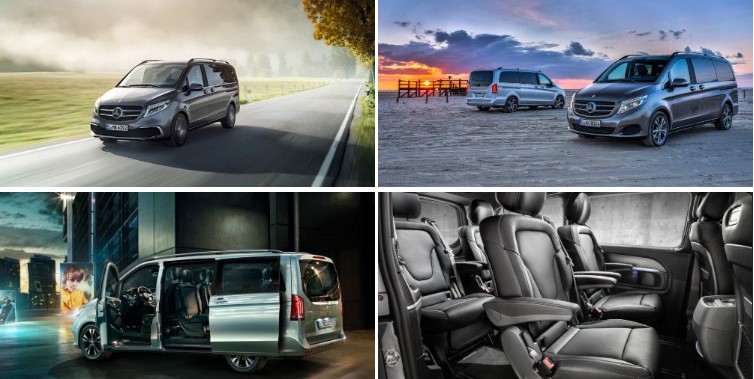
Explore Portugal in a Mercedes-Benz V-Class
For smaller groups, a private V-Class offers a comfortable way to travel between places, with an English-speaking driver, door-to-door pickup and a flexible itinerary planned with our team. Vehicle choice depends on your group and availability.
Plan a personalized journey →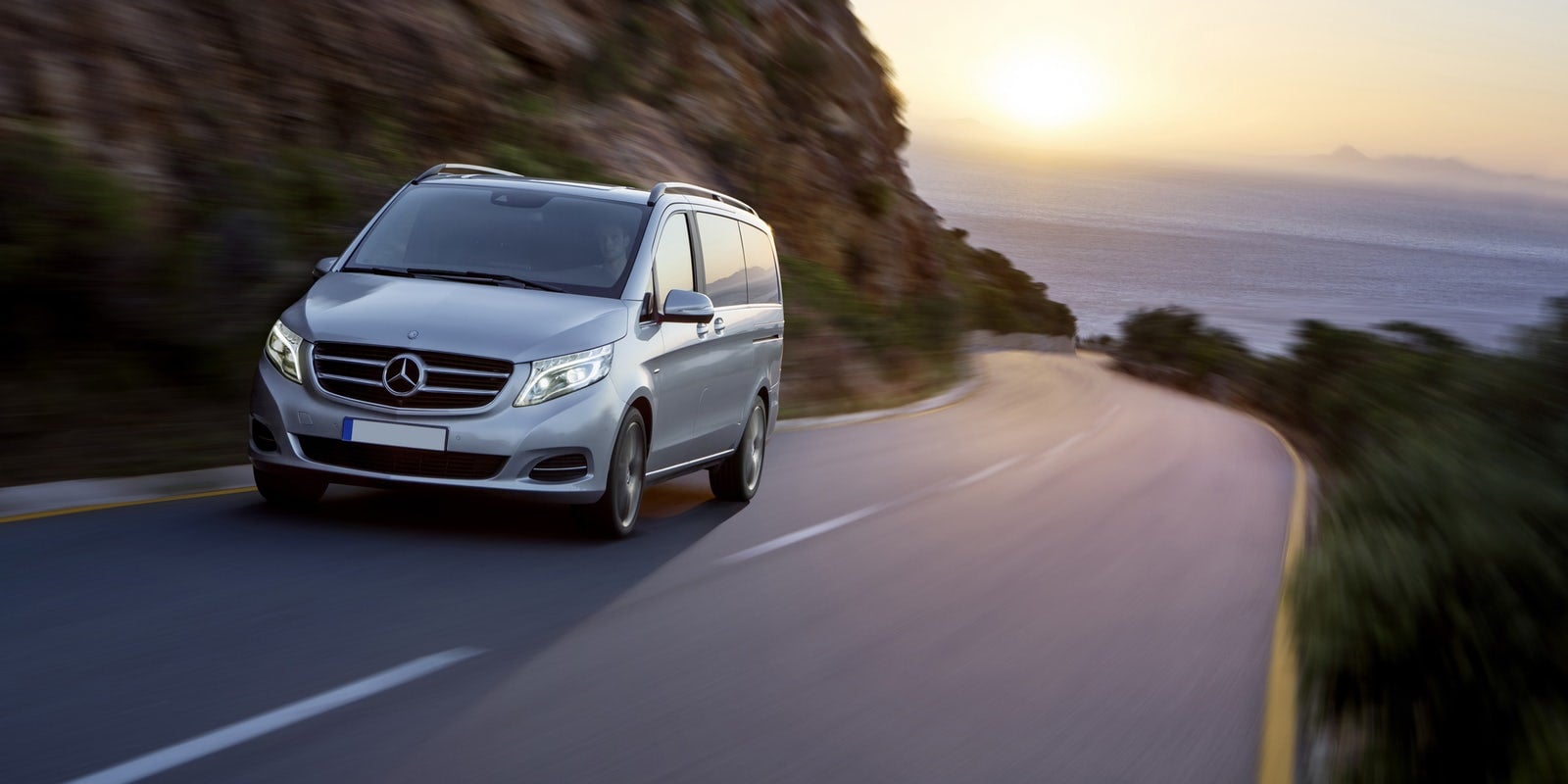
How to build a relaxed private mountain route
Start with one principle: these ten places belong on a shortlist, not a single-day checklist. Mountain distances can look modest on a map, but bends, viewpoints and weather make journeys slower than equivalent distances on the motorway.
For a private day from Manteigas or Covilhã, focus on the Zêzere Glacial Valley, Covão d’Ametade and Torre, with time for lunch and a short village walk. Your driver can adjust the order around visibility and road conditions. Poço do Inferno is best treated as an alternative stop, not an automatic addition to an already full day. Ask Portugal Magik for a personalized route based on your pickup address and preferred walking level.
For a western-side day, combine Seia and the Museu do Pão with Sabugueiro and Lagoa Comprida. Add Torre only if the weather, daylight and time available make it comfortable. This route works particularly well for travelers who want a mixture of mountain scenery, local food and an indoor cultural stop.
From Lisbon, allow approximately 280–320 kilometres and around three to three and a half hours of direct driving to lower gateway towns such as Seia or Covilhã, before sightseeing stops or higher mountain roads. A return day trip is possible but long; an overnight stay usually makes the experience more rewarding.
For a multi-day journey, begin with Covilhã and stay in Manteigas for two nights. Use the full mountain day for the valley and summit area, then continue west via Lagoa Comprida and Sabugueiro to Seia for another night. Visit the Museu do Pão before returning to Lisbon. If both Linhares da Beira and Poço do Inferno are priorities, add another night rather than squeezing them into transfer days.
A Serra da Estrela private tour with Portugal Magik provides a private Mercedes-Benz vehicle, an English-speaking driver, door-to-door pickup and a flexible itinerary. Share your hotel plans and must-see stops to request a personalized day or multi-day quote; museum admission and any independently operated visits should be confirmed separately.
Best time to visit and practical local tips
Late spring and early autumn often offer a useful balance of daylight, comfortable village temperatures and manageable walking conditions. May and June can be attractive for greener valleys, although high ground may still feel cold. September and October are appealing for road-based touring; autumn colour at Covão d’Ametade varies with the season and elevation.
July and August bring longer days, but exposed walks can be hot and shade is limited on the plateau. Carry water, sunscreen and a layer for the wind. Winter can bring snow and ice, but snowfall is not guaranteed and roads around Torre may close. Snowy weekends and holidays can also bring queues, so keep lower-altitude alternatives in the itinerary.
For lunch, look for Queijo Serra da Estrela DOP, the protected sheep’s-milk cheese traditionally made using cardoon as the coagulant. Its texture varies with maturation, so ask whether a cheese is buttery and spoonable or firmer before buying. Request suitable packaging if it will travel with you afterwards.
Download essential information before entering the higher valleys, where mobile coverage can be uneven. Carry footwear with grip and a waterproof layer, and avoid planning around sunset unless return timings have been discussed. Tell Portugal Magik about mobility needs when requesting your personalized itinerary: reaching a viewpoint by vehicle does not mean every nearby path is step-free.