Your guide to sightseeing in Porto
The best sightseeing in Porto balances tiled railway halls, granite churches and riverside walks with time to enjoy the city rather than race through it. Use this guide to choose your stops, understand the hills and plan a comfortable day on both banks of the Douro.
11 essential stops for sightseeing in Porto
01Ribeira
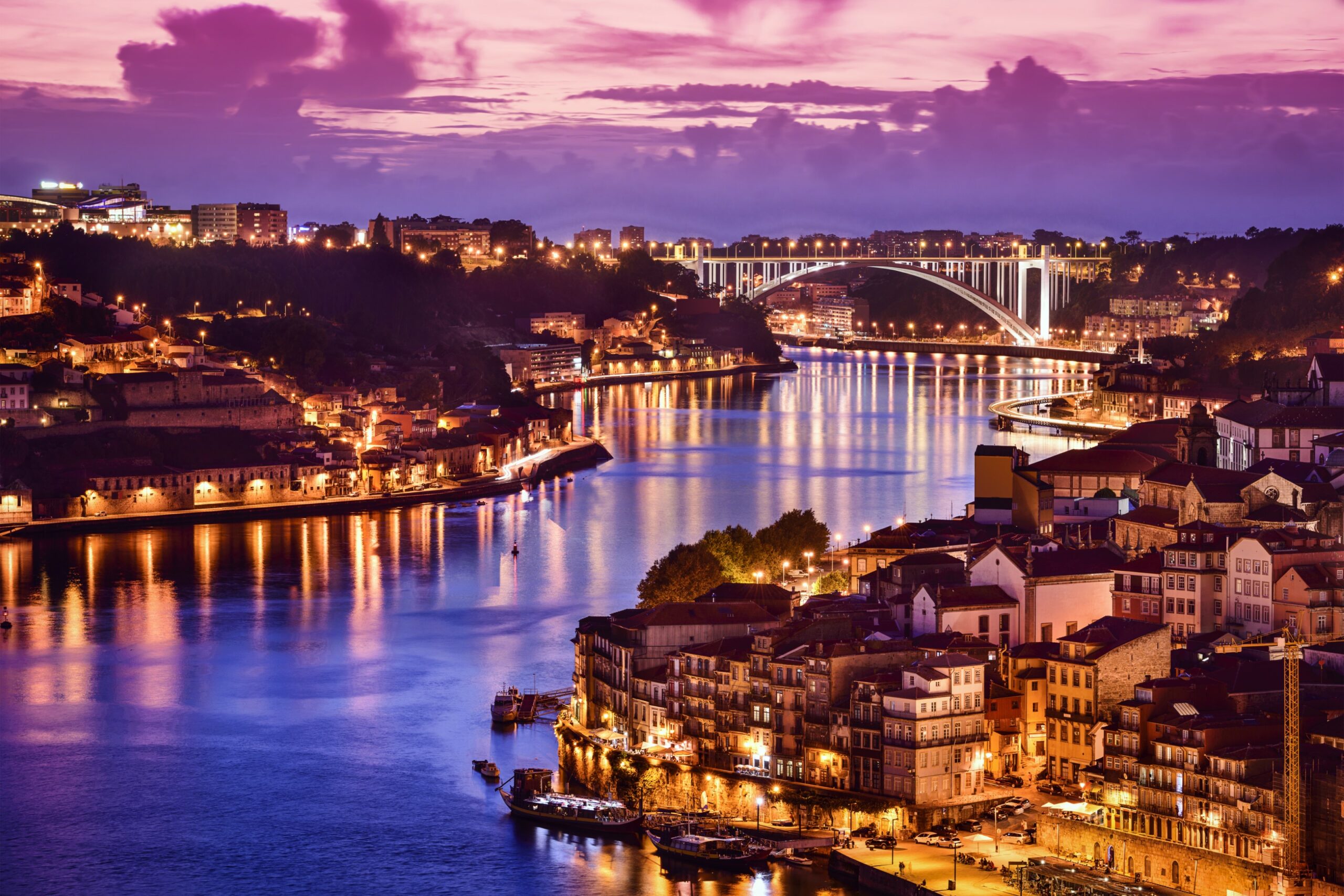
Porto’s historic waterfront forms part of the UNESCO-listed historic centre, inscribed in 1996, with narrow lanes descending to Praça da Ribeira beside the Douro. Come early for a quieter walk along Cais da Ribeira, then look back uphill to appreciate how tightly the houses climb above the river. Arrange your driver’s meeting point before walking down, since vehicle access is restricted in parts of the district.
02Dom Luís I Bridge
Opened in 1886, this double-deck iron bridge connects Porto with Vila Nova de Gaia and was designed by Théophile Seyrig, a former partner of Gustave Eiffel. Its upper deck offers a striking view of the river bend, Ribeira and the port lodges across the water. Cross on foot only if you are comfortable with heights, and bring a light layer because the exposed deck can feel much windier than the streets below.
03Porto Cathedral, Sé do Porto
Founded in the 12th century, Porto’s cathedral combines a fortress-like Romanesque exterior with later Gothic and Baroque additions. The terrace outside helps you understand the city’s geography before descending towards São Bento or the river. Visit this higher stop before Ribeira to reduce uphill walking, and check current access arrangements if you want to see the cloisters as well as the church.
04São Bento Railway Station
The entrance hall is lined with around 20,000 azulejo tiles by Jorge Colaço, depicting historic events and scenes of Portuguese rural life. The station opened in 1916 on the site of the former São Bento de Avé-Maria convent. Step to the sides of the hall to study the larger narrative panels without blocking passengers, and allow 15–20 minutes rather than treating it as a quick photograph stop.
05Clérigos Church and Tower
Designed by Italian architect Nicolau Nasoni, the Clérigos complex gives Porto one of its most recognizable silhouettes; the tower was completed in 1763. Its roughly 75-metre height rewards the climb with wide views over the tiled roofs, but reaching the top involves more than 200 steps. Reserve a suitable entry time if you want to climb, or enjoy the exterior and church without making the tower essential to your day.
06Livraria Lello
Opened in 1906, this celebrated bookshop on Rua das Carmelitas is known for its ornate façade, stained-glass ceiling and curving red staircase. It is a working literary landmark as well as a heavily visited interior, so expect company even with a timed ticket. Check the bookshop’s official ticket arrangements before visiting and choose an early slot, leaving breathing room afterwards rather than scheduling another admission immediately.
07Palácio da Bolsa
Built from 1842 for Porto’s Commercial Association, this former stock exchange palace reflects the wealth and ambition of the city’s merchants. Its best-known room is the richly decorated Arab Room, inspired by Moorish design. Interior visits follow the palace’s own guided-tour arrangements, so confirm an available language and departure time before fixing the rest of your riverside schedule.
08Church of São Francisco
Close to Palácio da Bolsa, this Gothic church is famous for an interior transformed by elaborate Baroque gilded woodcarving. Look closely for the Tree of Jesse altarpiece, an intricate depiction of Christ’s ancestry. Pair the church with the palace to avoid retracing your steps, and check the current photography rules before taking pictures inside.
09Jardins do Palácio de Cristal
These landscaped gardens occupy a hillside west of the historic centre and offer several viewpoints over the Douro and its bridges. The original 19th-century Crystal Palace no longer stands, but the gardens remain a welcome pause between more crowded Porto landmarks. Explore beyond the main paths for different river perspectives, allowing time for slopes and steps rather than assuming the grounds are entirely level.
10Vila Nova de Gaia Port Wine Lodges
Across the Douro from Porto, Gaia is home to historic port wine lodges, including Taylor’s, Graham’s and Sandeman, where individual venues offer visits and tastings. Port’s ageing and trading history makes this a meaningful addition to a city itinerary, not simply a drinks stop. Reserve directly with your chosen lodge and check its location carefully: some are uphill from the waterfront, so a driver transfer can spare you a steep climb.
11Jardim do Morro and Serra do Pilar Viewpoint
On the Gaia side of the upper bridge, Jardim do Morro and the terrace by the Monastery of Serra do Pilar offer different angles on Porto’s stacked riverfront buildings. The monastery is distinguished by its circular church and forms part of the UNESCO-listed historic area. Arrive before sunset rather than at the last minute, since popular viewing spots fill up and the walk up to Serra do Pilar adds another incline.
Plan with confidence
Plans change. Your options are clear.
Change dates without an extra change charge when available, and cancel early for a refund or travel credit. Our team confirms every detail before you pay.

Travel with Portugal Magik
Explore Portugal in a Mercedes-Benz V-Class
For smaller groups, a private V-Class offers a comfortable way to travel between places, with an English-speaking driver, door-to-door pickup and a flexible itinerary planned with our team. Vehicle choice depends on your group and availability.
Plan a personalized journey →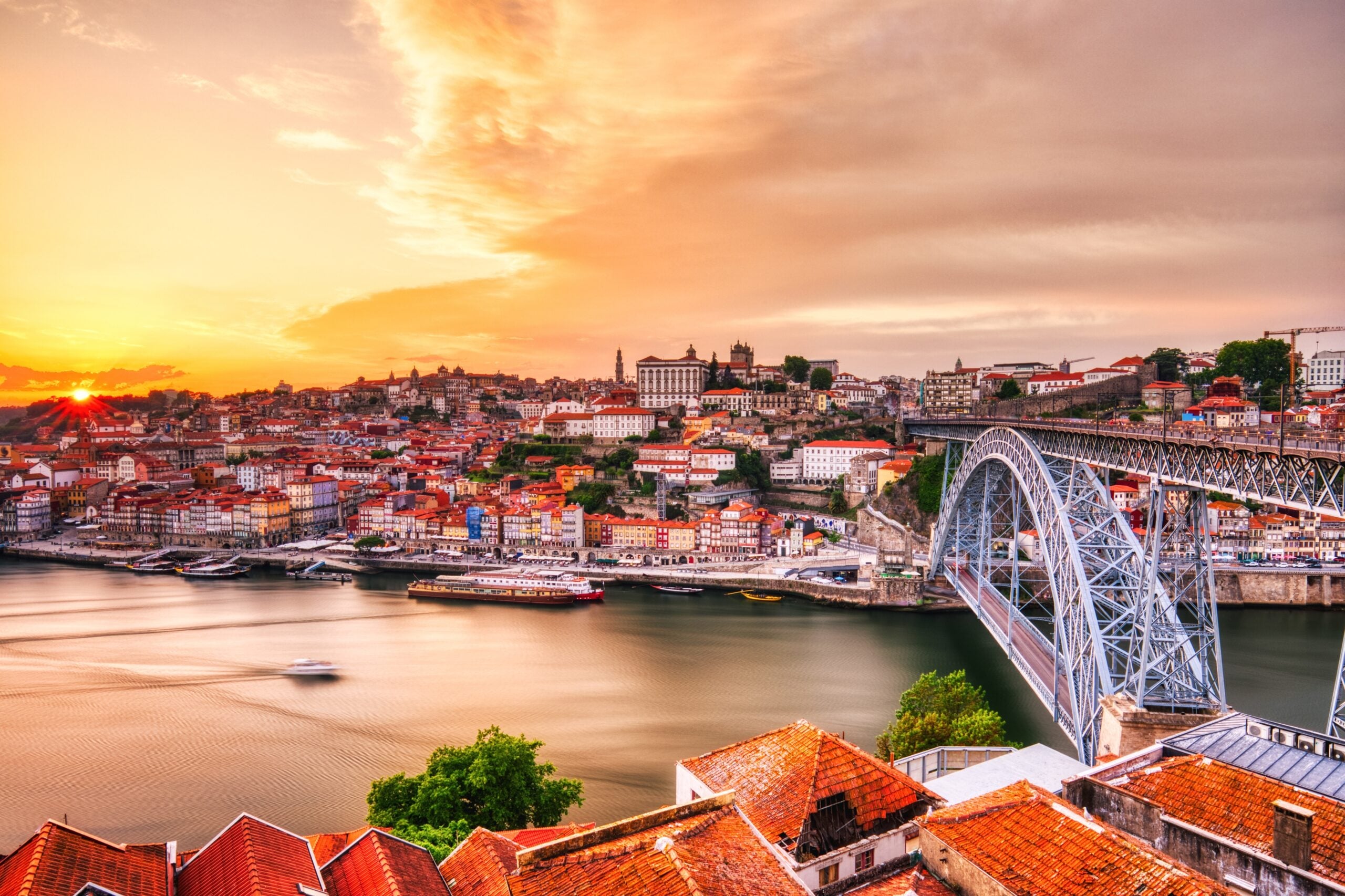
Build a relaxed private day—or give Porto two days
A satisfying Porto private tour does not need to include all 11 stops. Portugal Magik offers private day and multi-day tours with an English-speaking driver, door-to-door pickup and flexible itineraries, making it easier to link Porto’s hilltop sights with its lower riverfront without repeatedly tackling the same slopes.
For one relaxed day, start with pickup at your accommodation and a visit to the cathedral area. Walk downhill to São Bento if comfortable, then continue towards Ribeira for lunch. Choose either Palácio da Bolsa or São Francisco for the afternoon, rather than squeezing both between fixed appointments, and finish with a transfer to a Gaia viewpoint. Your driver can plan suitable meeting points around pedestrian streets and access restrictions; door-to-door service does not mean vehicles can reach every attraction entrance.
If Livraria Lello is a priority, anchor the morning around its booked admission and combine it with nearby Clérigos. Leave the cathedral interior or the palace for another day. Ask Portugal Magik for a personalized route built around your essential stops before purchasing several timed tickets.
With two days, devote the first to the historic centre: cathedral, São Bento, Ribeira and one substantial interior visit. On the second, combine Lello and Clérigos with the Crystal Palace gardens, followed by a transfer to a pre-booked Gaia lodge and an evening viewpoint. Lodge visits and tastings are provided by the venues themselves; Portugal Magik supplies the private driving and flexible touring itinerary.
Allow a proper lunch break. A francesinha—the substantial Porto sandwich typically layered with meat, covered with melted cheese and served with sauce—is better enjoyed without a timed tower climb immediately afterwards. Tripas à moda do Porto, a traditional tripe-and-white-bean dish, is another local speciality for adventurous eaters.
For smaller groups, a private Mercedes-Benz V-Class is a comfortable option for these journeys, subject to availability. If you are travelling from Lisbon, the road journey is approximately 315 kilometres and usually takes around three to four hours before longer stops, depending on traffic and pickup location. An overnight or multi-day stay gives Porto much more breathing room than a same-day return; request a personalized transfer or touring quote to connect the two cities.
When to visit Porto and practical insider tips
May, June, September and early October often offer a good balance of daylight and comfortable sightseeing temperatures, although rain is possible in every season. July and August bring busy attractions and stronger demand for accommodation and timed admissions. Winter can be quieter, but wet weather and shorter days favour a route with more indoor stops.
Start early at Ribeira and São Bento, then save a clear late afternoon for Gaia’s viewpoints. Porto’s Atlantic influence means the waterfront can feel cool even when sheltered streets are warm. Wear shoes with a firm grip: polished stone, cobbles and steep lanes become slippery after rain.
The night of 23 June is the main celebration of São João, leading into the city holiday on 24 June. Expect street festivities, crowds and changes to road access rather than a normal evening transfer schedule. If your stay overlaps with the celebrations, discuss pickup locations and timings well in advance.
Book the interiors that matter most, but avoid filling every hour with non-changeable admissions. Lello, Clérigos, Palácio da Bolsa and wine lodges each have their own opening arrangements and ticket conditions; religious sites may also restrict sightseeing during services. Check official venue information close to your visit.
For limited mobility, prioritize short walks, selected interiors and viewpoints reached from practical drop-off areas. The Clérigos tower, steep riverside lanes and parts of the gardens are not equally suitable for everyone. Tell Portugal Magik about walking limits when requesting your itinerary so your driver can plan realistic access and rest stops.
Finally, keep one part of the day uncommitted. A slower lunch, changing light over the Douro or a rain shower can all justify adjusting the route, provided your fixed admissions allow it.