Your guide to sightseeing in Marvão
The pleasure of sightseeing in Marvão lies in its contrasts: granite lanes, immense frontier views and Roman ruins in the valley below. Give this fortified Alentejo village time, and its castle becomes the beginning of your visit rather than the whole story.
Sightseeing in Marvão: 10 places worth your time
01Castelo de Marvão
Standing roughly 850 metres above sea level, Marvão’s castle commands the surrounding Serra de São Mamede and the frontier towards Spain; its medieval fabric reflects centuries of border defence. Allow at least 45–60 minutes, and seek out the great vaulted cistern as well as the upper defences, taking particular care on exposed steps.
02Muralhas de Marvão
The village’s enclosing walls are among the most distinctive Marvão landmarks, making its defensive position immediately understandable. Walk the accessible stretches rather than attempting every stairway, and choose lanes inside the walls when wind or slippery stone makes elevated sections uncomfortable.
03Porta de Ródão
This fortified gateway is one of the principal entrances through Marvão’s walls and a useful place to begin understanding the village’s compact layout. Pause just inside to appreciate the transition from open hillside to tightly enclosed streets, but keep the narrow vehicle passage clear when taking photographs.
04Igreja de Santa Maria and Museu Municipal de Marvão
The former Church of Santa Maria houses the municipal museum, whose collections introduce the area’s archaeology and local history. Check current opening hours before planning around an indoor visit, and consider seeing the collection before heading down to the Roman site of Ammaia.
05Jardim do Castelo
Close to the castle and Santa Maria church, this formal garden brings clipped hedges and geometric planting into a village otherwise defined by granite and whitewashed houses. Make it a pause between the castle and the lower streets; morning light is particularly useful for photographing the garden against the fortifications.
06Igreja de São Tiago
Marvão’s parish church preserves Gothic elements alongside later alterations, offering a quieter counterpoint to the military architecture nearby. If the church is open, step inside respectfully between services; otherwise, its exterior makes a worthwhile stop while exploring the lanes rather than a separate uphill detour.
07Convento de Nossa Senhora da Estrela
Founded in 1448, this Franciscan convent stands outside the fortified enclosure and reflects a different strand of Marvão’s history. Combine an exterior stop with your arrival or departure, and confirm access beforehand if seeing the church interior is important to you.
08Pelourinho de Marvão
The 16th-century pillory is a small but telling monument to the town’s historic civic and judicial authority. Look for it around Largo do Pelourinho, and spend a few minutes observing the surrounding façades: this is a rewarding pause on the village walk, not a stop requiring a long visit.
09Cidade Romana de Ammaia
Around 7 kilometres by road below Marvão, near São Salvador da Aramenha, Ammaia preserves remains of a Roman town established in the first century AD, with an archaeological site and museum. Allow roughly an hour, check current admission arrangements, and bring sun protection because the exposed ruins feel considerably warmer than the hilltop.
10Portagem and the River Sever
At the foot of Marvão, Portagem offers a riverside setting beside the Sever, a historic stone bridge and a medieval tower associated with the old crossing. Use it for a gentle waterside pause or lunch between the hilltop and Ammaia, rather than returning uphill simply to fill a gap in the day.

Plan with confidence
Plans change. Your options are clear.
Change dates without an extra change charge when available, and cancel early for a refund or travel credit. Our team confirms every detail before you pay.

Travel with Portugal Magik
Explore Portugal in a Mercedes-Benz V-Class
For smaller groups, a private V-Class offers a comfortable way to travel between places, with an English-speaking driver, door-to-door pickup and a flexible itinerary planned with our team. Vehicle choice depends on your group and availability.
Plan a personalized journey →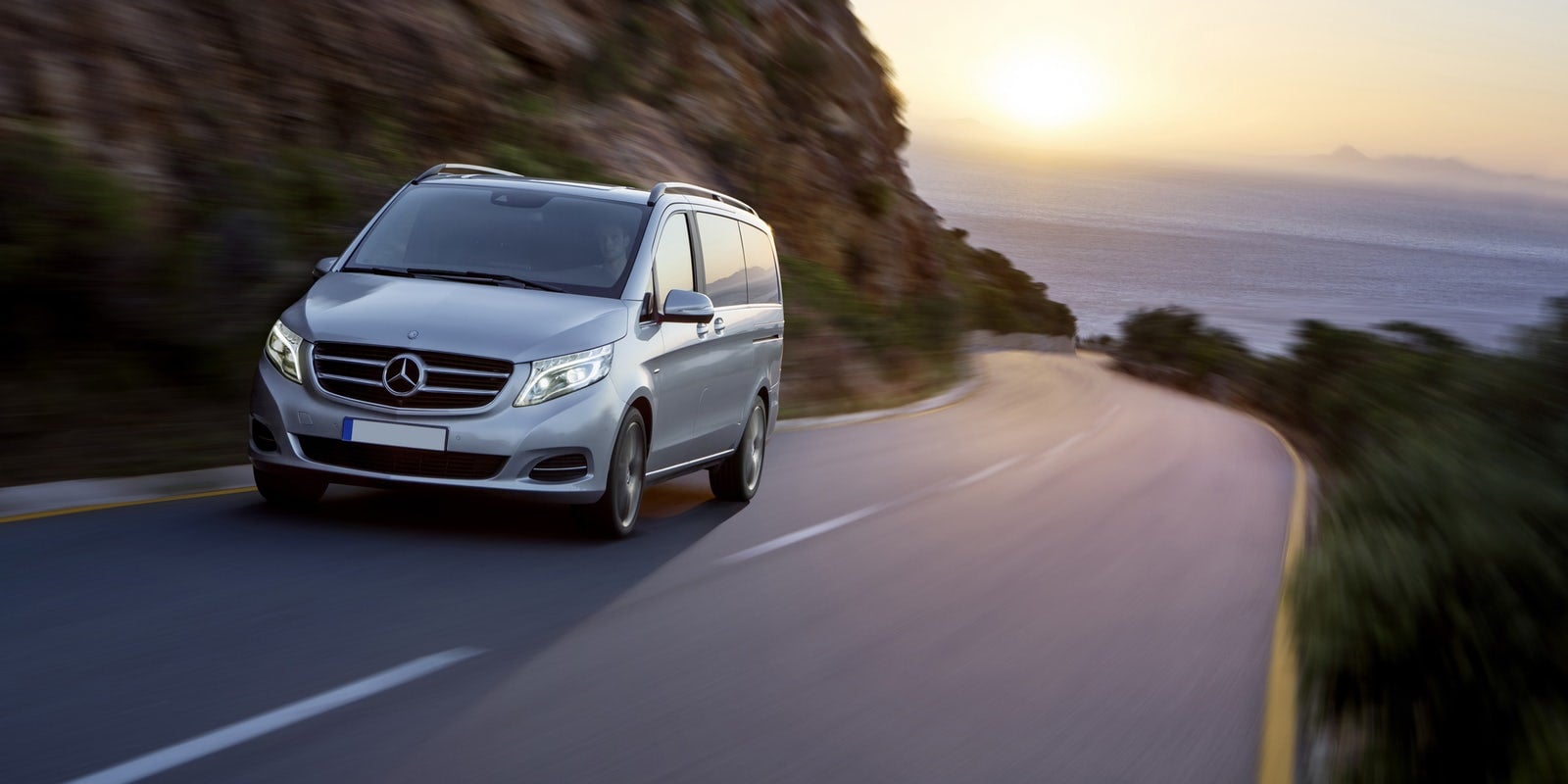
A relaxed private day or a slower Alentejo route
From Lisbon, Marvão is roughly 230–250 kilometres away by road, with around three hours of driving each way depending on your pickup point and traffic. A private day trip is possible, but it is a long outing: the most enjoyable version prioritizes the fortified village rather than trying to collect every nearby town.
With Portugal Magik’s English-speaking driver, arrange door-to-door pickup and head directly towards Marvão. Begin near Porta de Ródão, work gradually uphill through the lanes to Santa Maria, the garden and the castle, then return via the civic centre and São Tiago. These stops form one compact walking route, although slopes, uneven paving and castle steps mean distance alone does not tell the whole story.
After an unhurried lunch, choose Ammaia if archaeology interests you, or a shorter riverside pause in Portagem if you would prefer less walking. The convent fits naturally into arrival or departure, subject to access. Ask Portugal Magik for a personalized Marvão private tour that builds in proper time for lunch and adjusts the sightseeing to your walking pace.
For a genuinely slower visit, spend two nights in Marvão or nearby Castelo de Vide. Use the arrival afternoon for a short village walk, devote the next day to the castle, Ammaia and Portagem, then visit Castelo de Vide before your onward transfer. Its castle and former Jewish quarter provide a useful contrast to Marvão’s exposed frontier position; an extended multi-day itinerary can continue towards Elvas or Évora without squeezing them into the same sightseeing day.
Portugal Magik offers private Mercedes-Benz transfers and private day or multi-day tours with an English-speaking driver, door-to-door pickup and flexible itineraries. A private Mercedes-Benz V-Class is a comfortable option for smaller groups on the Lisbon–Marvão journey, subject to availability. Request a personalized route that accounts for luggage, overnight stops and where you would like the journey to finish.
Best time to visit Marvão and practical local tips
April to June and September to October usually offer the best balance of daylight and manageable walking temperatures. Spring brings greener countryside around the Serra de São Mamede; early autumn can remain warm, particularly at Ammaia. Weather varies, so check the forecast for both the hilltop and the valley.
In July and August, visit the exposed archaeological site early where opening hours allow, and avoid making the castle your hardest climb in the hottest part of the afternoon. Marvão’s height can bring a breeze, but it does not remove the need for water, sunscreen and a hat.
November brings the Feira da Castanha, celebrating the area’s chestnuts. Confirm that year’s dates and book accommodation and restaurant tables ahead if visiting during the event. Winter visits can be atmospheric and quiet, but fog may obscure the views, while rain and wind make the walls less inviting.
Wear shoes with a firm grip. Granite paving can become slippery, and parts of the castle have steep, exposed or uneven access; families should keep children close, and anyone uncomfortable with heights can enjoy the village without walking elevated defences.
For lunch, look for regional dishes such as migas alentejanas or ensopado de borrego, with availability depending on the restaurant. Chestnut dishes are especially relevant in season. Do not leave lunch planning until late afternoon, when kitchen service may already have finished.
Door-to-door pickup does not mean vehicle access to every monument inside Marvão. Discuss mobility needs with Portugal Magik before booking so your driver can plan suitable drop-off points and a realistic walking circuit. Check current museum, castle and church access shortly before departure, and leave room in the itinerary for weather changes rather than treating opening times as guaranteed.