A thoughtful guide to sightseeing in Fátima
For many visitors, sightseeing in Fátima begins with the sanctuary, but the village homes and country paths nearby give its story a more personal scale. This guide connects the principal religious sites with practical advice for a calm, well-paced visit.
10 places to include when sightseeing in Fátima
01Chapel of the Apparitions
Built in 1919, this small chapel marks the place associated with most of the reported Marian apparitions to Lúcia dos Santos and her cousins Francisco and Jacinta Marto in 1917. It remains the devotional heart of the sanctuary; visit between scheduled services if you want time to take in the setting without interrupting worship.
02Basilica of Our Lady of the Rosary
Consecrated in 1953, the limestone basilica holds the tombs of the three shepherd children and provides an essential introduction to Fátima’s pilgrimage history. Allow time inside rather than treating it as a photograph stop, and check service times before planning your visit to the tombs.
03Basilica of the Most Holy Trinity
Inaugurated in 2007, this contemporary basilica stands opposite the older basilica across the sanctuary’s vast open space. Its restrained architecture offers a striking contrast; step inside outside service times to appreciate the scale and the mosaic behind the altar.
04Sanctuary Prayer Square
The broad esplanade connects Fátima’s principal sacred buildings and accommodates the large gatherings that define its international pilgrimages. Cross it slowly to understand the relationship between the two basilicas and the Apparitions Chapel, and bring sun protection because much of the space is exposed.
05Lúcia’s House in Aljustrel
Around 2 kilometres from the sanctuary, Lúcia’s childhood home introduces the modest rural surroundings in which the oldest of the three visionaries grew up. Pair it with the Marto family home nearby, and check current visiting hours before leaving the sanctuary area.
06Francisco and Jacinta’s House in Aljustrel
This small family home was where the two younger shepherd children lived before the events of 1917 brought worldwide attention to Fátima. Its intimate scale rewards an unhurried visit; allow other visitors space in the small rooms rather than trying to move through as one large group.
07Valinhos Apparition Monument
Between Aljustrel and the sanctuary area, Valinhos commemorates the reported apparition of 19 August 1917, which took place here rather than at the Cova da Iria. Visit alongside the village houses to keep the geography of the story clear, and wear comfortable shoes for the surrounding paths.
08Way of the Cross and Hungarian Calvary
The Way of the Cross follows paths associated with the shepherd children, leading towards the Hungarian Calvary and the Chapel of Saint Stephen. This is a place for a reflective walk rather than a quick stop; agree on a suitable walking section and pickup point with your driver instead of assuming you must walk the entire route.
09Parish Church of Fátima
Dedicated to Our Lady of Pleasures, the parish church in the old village of Fátima is distinct from the sanctuary and is where the three children were baptized. Include it with Aljustrel rather than making a separate journey, and remember that parish services can limit sightseeing access.
10Grutas da Moeda
Discovered in 1971 near São Mamede, roughly 3 kilometres from the sanctuary, these limestone caves offer a change of setting through chambers shaped by mineral deposits. Check admission arrangements and accessibility directly with the attraction, and wear shoes with grip for the damp underground environment.

Plan with confidence
Plans change. Your options are clear.
Change dates without an extra change charge when available, and cancel early for a refund or travel credit. Our team confirms every detail before you pay.

Travel with Portugal Magik
Explore Portugal in a Mercedes-Benz V-Class
For smaller groups, a private V-Class offers a comfortable way to travel between places, with an English-speaking driver, door-to-door pickup and a flexible itinerary planned with our team. Vehicle choice depends on your group and availability.
Plan a personalized journey →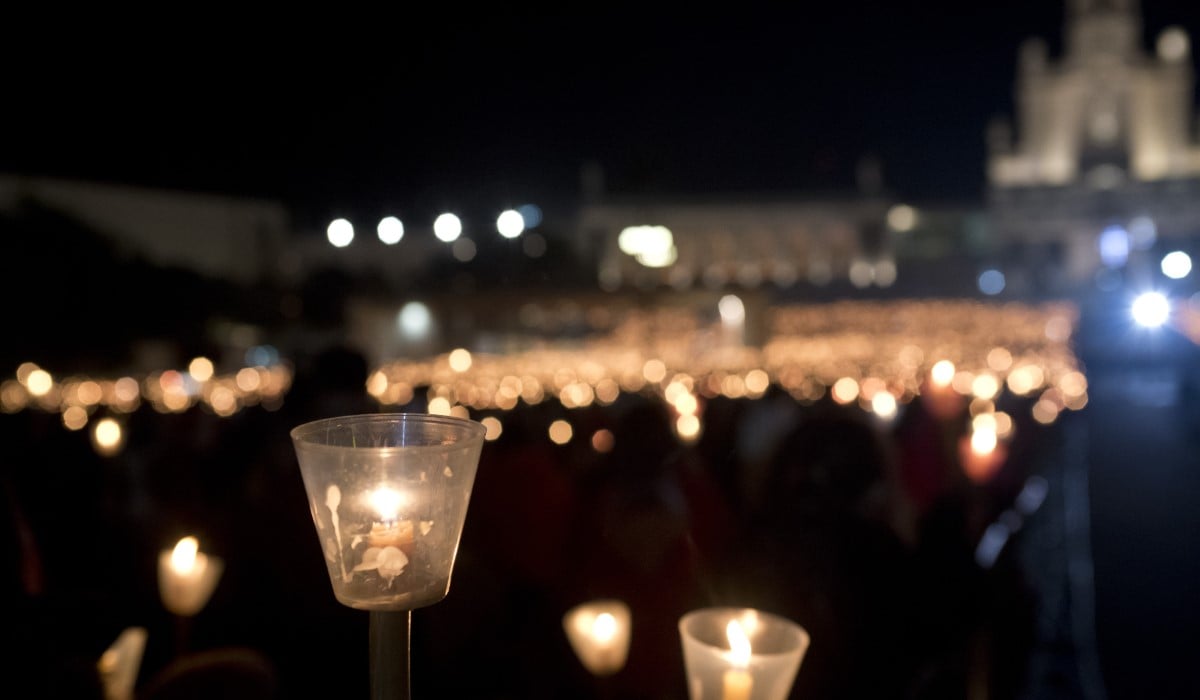
A relaxed private day or multi-day route
From Lisbon, Fátima is roughly 130 kilometres away by road; allow around 1½–2 hours each way, depending on your pickup point and traffic. Portugal Magik offers private day and multi-day tours with an English-speaking driver, door-to-door pickup and flexible itineraries. A private Mercedes-Benz V-Class is a comfortable option for smaller groups on this journey, subject to availability.
For a balanced day, begin with the Chapel of the Apparitions, the Basilica of Our Lady of the Rosary and the Basilica of the Most Holy Trinity. Allow two to three hours for these central Fátima landmarks, including time to sit quietly or attend part of a service if that is important to you. After an unhurried lunch, continue to Aljustrel for the two family homes, then choose Valinhos or the parish church before returning to Lisbon.
Avoid trying to complete every stop in one day. The Way of the Cross needs walking time, while Grutas da Moeda works best as an alternative afternoon stop rather than another obligation. Ask Portugal Magik to shape a Fátima private tour around your priorities, whether those are pilgrimage, architecture or family history; the driver handles the road journeys while you explore each site at your own pace.
For a slower two-day route, stay overnight in Fátima. Spend the first day at the sanctuary and, if scheduled, return independently from your accommodation or arrange your transfer timing for the evening candlelight procession. Use the next morning for Aljustrel, Valinhos and a manageable section of the Way of the Cross, before continuing towards Lisbon with an optional stop at Batalha Monastery, approximately 20 kilometres west of Fátima.
Request a personalized itinerary before choosing your timings, particularly if you want to attend a specific Mass or procession. Admission, worship schedules and any attraction-operated visits should be checked separately from your private transport arrangements.
Best time to visit and practical insider tips
April–June and September–October generally offer comfortable conditions for walking, although rain remains possible. July and August can be hot on the exposed sanctuary square, so an early start, drinking water and a shaded lunch break make a noticeable difference. Winter can be quieter, but shorter daylight hours and wet weather call for a more compact route.
The major international pilgrimage dates are 12–13 May and 12–13 October, with further monthly pilgrimages from May through October. These occasions are meaningful for pilgrims but bring larger crowds, heavier traffic and strong demand for accommodation. Choose dates away from these gatherings if your priority is a quieter architectural or historical visit.
Check the sanctuary’s official calendar shortly before travelling. Masses, the Rosary and processions influence when individual spaces are suitable for sightseeing, and the candlelight procession should not be assumed to take place at the same time throughout the year.
Dress respectfully inside sacred buildings, silence your phone and follow local photography notices. Avoid crossing directly in front of worshippers to take photographs, and leave the marked penitential path clear for those using it devotionally.
For visitors with limited mobility, the sanctuary’s size matters as much as individual entrances: the distances across the square can be tiring. Discuss walking limits with Portugal Magik when requesting your personalized route, and confirm accessibility separately for the village houses, countryside paths and caves. A driver can reduce journeys between areas, but cannot eliminate walking within the sites.