A thoughtful guide to sightseeing in Central Portugal
The best sightseeing in Central Portugal combines monumental history with time for coastal walks, university courtyards and unhurried lunches. From Lisbon, choose a focused day trip or travel north over several days rather than trying to collect every landmark at once.
10 places worth including when sightseeing in Central Portugal
01Óbidos
About 85 km north of Lisbon by road, this walled town rewards a slow walk between whitewashed houses, the castle and the tiled entrance at Porta da Vila. Its association with Portugal’s queens includes King Dinis’s gift of the town to Queen Isabel in 1282. Arrive before the busiest midday period, explore beyond Rua Direita, and remember that the ramparts have uneven surfaces and unguarded edges.
02Nazaré
Nazaré brings together a working fishing-town identity, a broad Atlantic beach and the clifftop Sítio district overlooking the red-roofed waterfront. Beyond Sítio, the Fort of São Miguel Arcanjo faces Praia do Norte, where the offshore Nazaré Canyon helps produce exceptionally large waves under the right conditions. Choose Sítio for the classic town panorama, and treat giant-wave viewing as weather-dependent rather than a guaranteed attraction.
03Monastery of Alcobaça
Founded in 1153, this UNESCO-listed Cistercian monastery contains the intricately carved 14th-century tombs of King Pedro I and Inês de Castro. The contrast between the church’s restrained architecture and the elaborate tomb sculpture makes it one of the most memorable Central Portugal landmarks. Allow roughly 90 minutes to two hours if visiting the additional monastic spaces, and check which areas require a ticket rather than assuming church access includes everything.
04Batalha Monastery
King João I commissioned this Dominican monastery to commemorate the Portuguese victory at the Battle of Aljubarrota in 1385. Its Gothic and Manueline stonework, royal tombs and roofless Unfinished Chapels reward close attention rather than a quick photograph outside. Check whether your chosen ticket includes the Unfinished Chapels, and bring a rain layer because this remarkable space is open to the sky.
05Sanctuary of Fátima
This major Catholic pilgrimage destination developed after the reported apparitions to three shepherd children in 1917. The Chapel of the Apparitions, Basilica of Our Lady of the Rosary and Basilica of the Holy Trinity frame a vast precinct that feels very different during quiet weekday visits and major pilgrimages. May and October pilgrimage dates, especially the 12th and 13th, require extra planning; allow time for walking across the sanctuary and respect services in progress.
06Tomar and the Convent of Christ
Above Tomar, the UNESCO-listed Convent of Christ grew from a castle founded by the Knights Templar in 1160 and later became the seat of the Order of Christ. The richly decorated Charola and celebrated Manueline Chapter House window make this a rewarding stop even for travelers who rarely visit religious monuments. Reserve around two hours for the complex, wear shoes suited to slopes and stone paving, and leave time afterward for Praça da República in the lower town.
07Coimbra’s University and Old Town
Coimbra’s university occupies a former royal palace above the Mondego River, with the Paço das Escolas courtyard and 18th-century Joanina Library among its best-known sights. The university moved permanently to Coimbra in 1537, and its traditions still shape the city’s atmosphere. Check the current ticket options and reserve any required library entry slot ahead, then explore downhill through the old town rather than repeatedly climbing between the riverside and university.
08Conímbriga
Around 16 km southwest of Coimbra, Conímbriga preserves extensive remains of a Roman settlement, including mosaic floors, houses, baths and defensive walls. The House of the Fountains is a particular highlight, while the museum gives useful context for objects recovered from the site. Allow about two hours for the ruins and museum, and visit early in hot weather because much of the archaeological area has little shade.
09Buçaco National Forest
Near Luso, roughly 30 km north of Coimbra, Buçaco combines woodland paths, historic Carmelite features and the ornate exterior of the Palace Hotel do Bussaco. The forest’s religious history dates to the arrival of the Discalced Carmelites in the 17th century, long before the palace hotel was built. Choose a short walk around Fonte Fria for a gentler visit, or discuss a longer route toward Cruz Alta; paths can be slippery after rain, and hotel interior access should not be assumed.
10Serra da Estrela Natural Park
Serra da Estrela offers a different side of the region: granite landscapes, mountain villages and Torre, the highest point in mainland Portugal at 1,993 metres. Around Manteigas, the Zêzere glacial valley makes a compelling scenic journey, while local menus and shops introduce the protected-origin Queijo Serra da Estrela sheep’s-milk cheese. Give the mountains an overnight stay rather than squeezing them into a Lisbon day trip, and keep high-altitude plans flexible because fog, snow and road restrictions can affect access.

Plan with confidence
Plans change. Your options are clear.
Change dates without an extra change charge when available, and cancel early for a refund or travel credit. Our team confirms every detail before you pay.

Travel with Portugal Magik
Explore Portugal in a Mercedes-Benz V-Class
For smaller groups, a private V-Class offers a comfortable way to travel between places, with an English-speaking driver, door-to-door pickup and a flexible itinerary planned with our team. Vehicle choice depends on your group and availability.
Plan a personalized journey →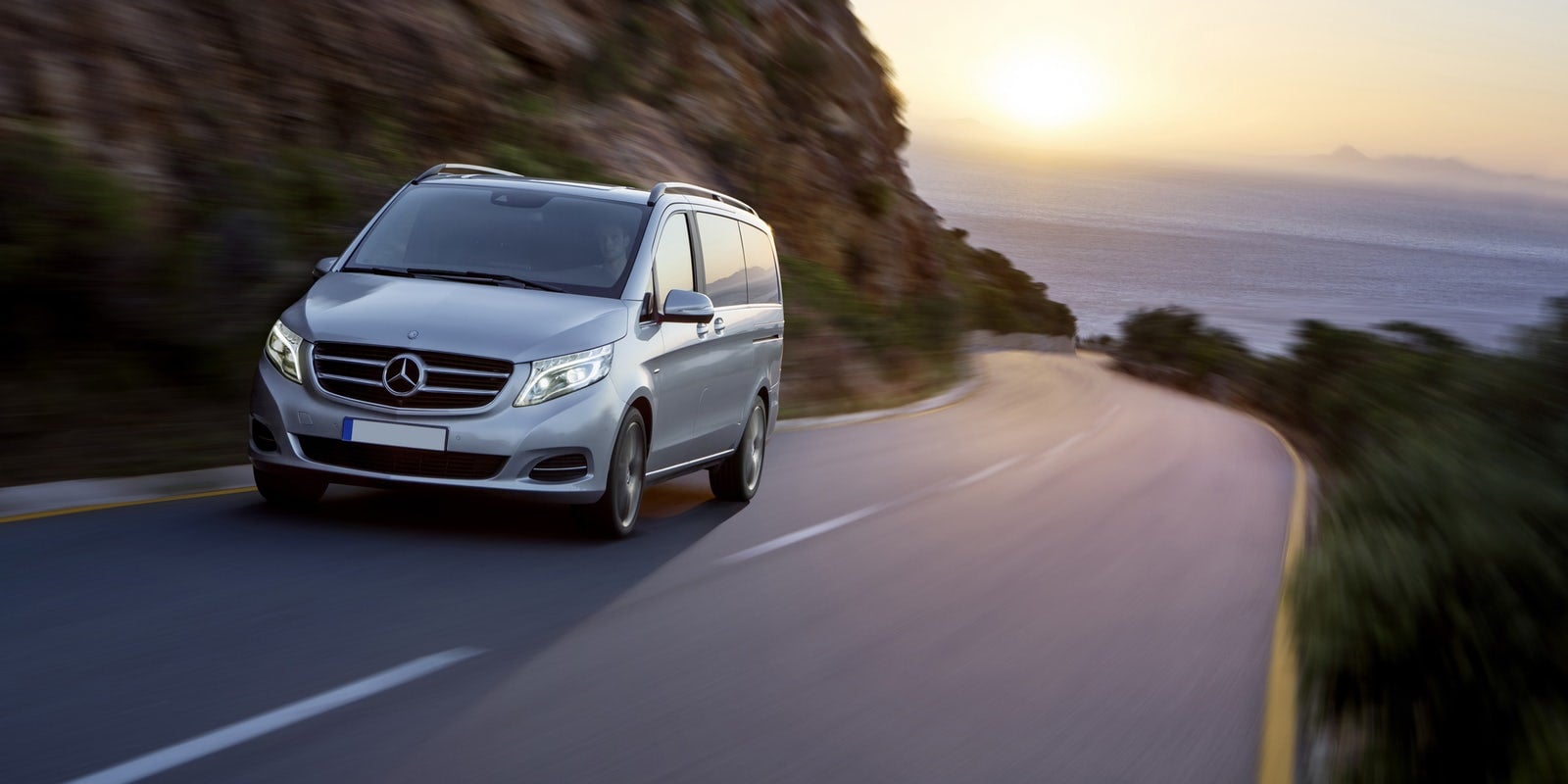
How to build a relaxed private day or multi-day route
The most satisfying Central Portugal private tour follows a geographical thread. Portugal Magik offers private day and multi-day tours with an English-speaking driver, door-to-door pickup and flexible itineraries, so you can agree on realistic priorities rather than commit to an exhausting checklist. Travel times below are approximate and exclude visits, meals and traffic delays.
A coastal day from Lisbon: Pair Óbidos with Nazaré. Óbidos is usually around an hour to 75 minutes from Lisbon, with another 35–45 minutes onward to Nazaré; spend the morning inside the walls, then allow time for a fish lunch, the waterfront and Sítio. Alcobaça is nearby, but adding a full monastery visit makes this a longer, busier day: substitute it for Óbidos if architecture matters more than village wandering.
A monastery-focused day: Choose Alcobaça and Batalha, approximately 25 minutes apart by road. Two substantial visits with a proper lunch break are enough; Fátima works better as a substitution than an automatic third stop. Ask Portugal Magik for a personalized itinerary around the monuments you most want to explore.
A Tomar-focused day: Allow roughly 1 hour 45 minutes to two hours each way from Lisbon, depending on your pickup point and traffic. Make the Convent of Christ the main visit, followed by lunch and a stroll through Tomar’s lower town. Pairing Tomar with Fátima is possible, but shortens the time available for a leisurely town visit.
A five-day northbound route: Spend day one in Óbidos and Nazaré, staying on the coast. Visit Alcobaça and Batalha on day two before continuing to Tomar; travelers prioritizing pilgrimage can replace one monastery with Fátima. Explore Tomar on day three and continue to Coimbra, devote day four to Coimbra itself, and pair Conímbriga with a short Buçaco walk on day five if your onward arrangements allow. Staying in Coimbra for several nights reduces packing and gives the university city the time it deserves.
For Serra da Estrela, add two nights around Manteigas rather than bolting the mountains onto the final afternoon. The journey from Coimbra to Manteigas is roughly 2½–3 hours, depending on the route and conditions, and mountain sightseeing needs its own weather margin.
For smaller groups, a private Mercedes-Benz V-Class is a comfortable option for these journeys, subject to availability. Portugal Magik can also provide a private Mercedes-Benz transfer between overnight bases; request a personalized quote with your dates, luggage needs and preferred pace. Monument tickets, opening hours and any specialist guided visits should be planned separately from the driving itinerary.
Best time to visit and practical insider tips
April–June and September–October generally offer the most comfortable balance for town walks, monastery visits and scenic drives. Spring brings greener countryside, while early autumn often retains warm afternoons. Neither season guarantees dry weather, particularly around the coast and Buçaco, so carry a light waterproof layer.
July and August suit travelers who enjoy long daylight hours, but inland stops such as Tomar and Conímbriga can become hot. Schedule exposed ruins and uphill walks earlier, then use the hottest part of the day for lunch or an indoor visit. Nazaré’s sea breeze can feel markedly cooler than conditions inland on the same afternoon.
Winter can be rewarding for quieter cultural visits, outside holidays and pilgrimage peaks. Nazaré’s big-wave season is broadly autumn through winter, but major swells depend on forecasts and may come with hazardous conditions: use authorized viewpoints and follow local restrictions. In Serra da Estrela, snow is neither guaranteed nor a reason to assume mountain roads will remain accessible.
Book around the fixed elements first. Coimbra’s library admission, monument closing days, last-entry times and religious services can determine the order of a day more than the distance between stops. Check official visitor information before committing to a route, particularly around public holidays.
Plan for the final walk. Door-to-door pickup does not mean a vehicle can reach every historic entrance: pedestrian streets, hills, steps and access restrictions remain part of visiting Óbidos, Coimbra and Tomar. Tell Portugal Magik about mobility needs when requesting your itinerary so the driver can plan suitable drop-off points and a gentler sequence of stops.
Make lunch local without overloading the day. Around Nazaré, look for grilled fish or caldeirada when available; in the mountains, try Queijo Serra da Estrela. Keep one generous lunch window instead of several tightly timed stops, and ask for a personalized private tour or transfer quote once you have chosen your two or three main priorities.