The history of the Alentejo: A Guide Through the Centuries
The history of the Alentejo unfolds through prehistoric stone circles, Roman towns, Islamic architecture and fortified settlements overlooking the Spanish frontier. Understanding those layers turns a visit to Évora, Mértola or Elvas into something much richer than a sequence of monuments.
The history of the Alentejo in 11 key moments
Alentejo means “beyond the Tagus,” a name that makes sense when approaching from Lisbon. Yet this large mainland region has never had just one story: its river ports, agricultural estates, religious centres and frontier towns developed in different ways.
01Neolithic communities and megaliths (c. 6000–3000 BC)
Farming communities transformed the landscape long before Portugal existed. Around Évora, standing stones and collective burial monuments survive from this period. The Almendres Cromlech developed in several phases, broadly between the sixth and third millennia BC; its precise functions remain debated. Tip: compare the open-air stone arrangement at Almendres with the Anta Grande do Zambujeiro, a passage tomb, rather than assuming all megaliths served the same purpose.
02Roman conquest and provincial life (2nd century BC–5th century AD)
Roman expansion brought the territory into an empire connected by roads, towns and agricultural estates. Much of today's Alentejo belonged to Lusitania, whose capital was Augusta Emerita, now Mérida in Spain. Évora became Liberalitas Julia Ebora, while Beja was Pax Julia. Évora's surviving Roman temple dates to the first century AD. Tip: its familiar nickname, “Temple of Diana,” is not supported by evidence identifying Diana as its dedicatee.
03Late Roman change and Visigothic rule (5th–early 8th centuries)
As Roman imperial authority weakened, settlements and religious institutions adapted rather than simply disappearing. Christianity became increasingly visible, and the region eventually came under Visigothic rule. Beja preserves an important collection of early medieval architectural sculpture in the Church of Santo Amaro. Tip: check whether the museum collection is accessible before making it a central stop; archaeological collections can have different opening arrangements from nearby monuments.
04Al-Andalus and Islamic urban culture (8th–mid-13th centuries)
Following the Muslim conquest of Iberia beginning in 711, much of the region became part of al-Andalus. Mértola, known as Martulah, flourished as a fortified settlement and river port on the Guadiana. Its surviving mosque architecture, incorporated into the present parish church, offers unusually direct evidence of that period. Tip: look for the mihrab, the prayer niche indicating the direction of Mecca, inside Mértola's church.
05Portuguese conquest and new institutions (1165–1249)
The advance of the Portuguese kingdom was gradual, with warfare and reversals rather than one decisive regional conquest. Geraldo Sem Pavor captured Évora in 1165; the Order of Santiago took Mértola in 1238. By 1249, the Portuguese conquest of the Algarve had established a lasting southern frontier. Tip: in Évora, connect Praça do Giraldo's name with Geraldo, but remember that the square's present appearance belongs to later centuries.
06A more defined frontier and fortified towns (1297–15th century)
The Treaty of Alcañices in 1297 helped define the Portuguese-Castilian border and confirmed Portuguese possession of several frontier settlements, including Elvas and Campo Maior. Castles, walls and military orders shaped settlement across the eastern Alentejo. Tip: at Monsaraz, walk to the castle walls and study the surrounding approaches; the elevated position explains the settlement's defensive importance better than a photograph of its streets alone.
07Royal patronage, Renaissance culture and learning (15th–16th centuries)
Évora became an important royal residence and cultural centre. Its Água de Prata Aqueduct was inaugurated in 1537, and its university was founded in 1559 under Cardinal Henrique. In Vila Viçosa, the dukes of Braganza developed their palace into a major aristocratic residence. Tip: follow Évora's aqueduct into Rua do Cano, where buildings fitted between its arches show how monumental infrastructure became part of everyday urban life.
08Restoration war and artillery fortifications (1640–1668)
Portugal's restoration of independence in 1640 brought prolonged conflict with Spain. The Alentejo frontier became a major theatre of war, including the Battle of the Lines of Elvas in 1659 and the Battle of Montes Claros, near Borba, in 1665. Elvas developed extensive bastioned defences designed for artillery warfare. Tip: distinguish these angular earth-and-masonry works from medieval castle walls; they answered a different kind of military threat.
09Invasion, liberal reform and changing ownership (1807–19th century)
The French invasions reached the Alentejo, with Évora suffering a violent assault in July 1808. Later, Portugal's liberal reforms dissolved religious orders in 1834, changing the ownership and use of convents and monastic estates. Tip: when visiting a former convent, ask what happened after 1834; its later life as a museum, public building or accommodation is part of its history too.
10Agricultural labour, dictatorship and revolution (20th century)
Large estates, seasonal employment and sharp inequalities shaped much of rural Alentejo under the Estado Novo dictatorship. After the revolution of 25 April 1974, land occupations and agricultural cooperatives became central to the region's agrarian reform, followed by legislation that changed or reversed many arrangements. Tip: explore the rural history of the Beja and Serpa areas alongside their monuments; cante alentejano, recognised by UNESCO in 2014, offers another perspective on community life and identity.
11Alqueva and a transformed landscape (2002–present)
The closing of the Alqueva Dam's gates in 2002 began the filling of a reservoir that reshaped the Guadiana valley, irrigation and local tourism. The inhabitants of the old village of Luz moved to a newly built village before the original settlement was submerged. Tip: visit Museu da Luz to understand the human consequences of this transformation; the broad water views from Monsaraz are a modern landscape, not the one its medieval inhabitants knew.

Trusted across Portugal and Spain
Journeys backed by 1,300+ verified reviews
Consistently five-star rated since 2012, Portugal Magik is a TripAdvisor Hall of Fame recipient. Our Portugal Ambassadors bring local knowledge, thoughtful service and dependable private travel to every journey.

Travel with Portugal Magik
Explore Portugal in a Mercedes-Benz V-Class
For smaller groups, a private V-Class offers a comfortable way to travel between places, with an English-speaking driver, door-to-door pickup and a flexible itinerary planned with our team. Vehicle choice depends on your group and availability.
Plan a personalized journey →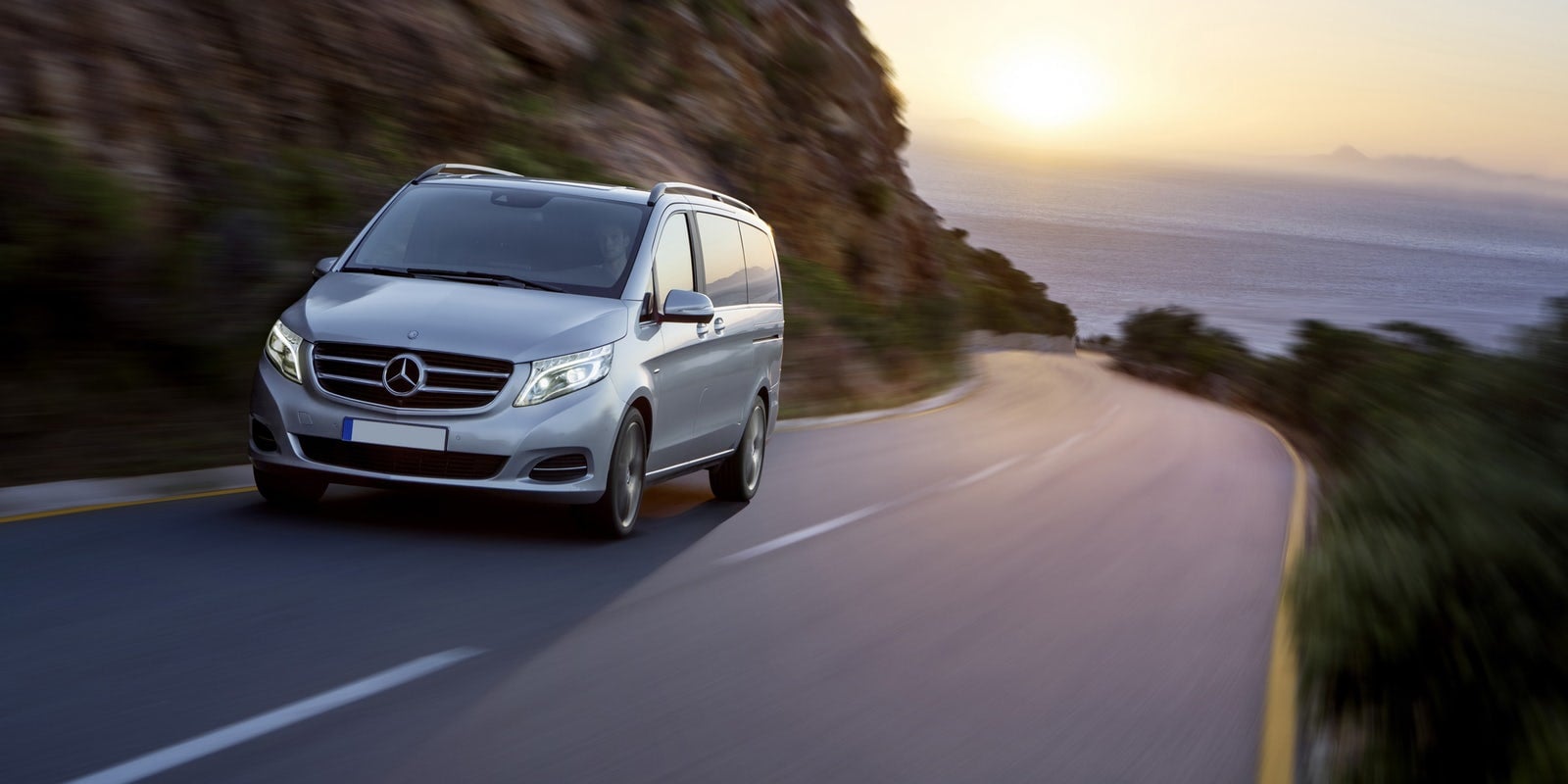
Where the Alentejo's past is still visible today
Among the historic sites the Alentejo preserves, some reveal a single period clearly, while others place several centuries within a short walk. These are strong choices for building a visit around your particular interests. Distances below are approximate road distances from Évora, not suggestions to combine every stop in one day.
01Évora: Roman remains and a royal city
Around 130 kilometres east of Lisbon, Évora is the most accessible introduction to the region's layered past. Its historic centre, inscribed on UNESCO's World Heritage List in 1986, brings together the Roman temple, medieval cathedral, Renaissance buildings and sections of the Água de Prata Aqueduct. Allow several hours rather than treating it as a brief photo stop. Insider tip: walk from the temple through the cathedral area into the narrower streets; changes in street level and building materials make the city's accumulated layers easier to notice.
02Almendres and Zambujeiro: the prehistoric landscape
West of Évora, the Almendres Cromlech lies roughly 20 kilometres from the city, while the Anta Grande do Zambujeiro stands near Valverde. Together they introduce two different kinds of prehistoric monument: standing stones and a communal tomb. Access conditions, conservation measures and rough approach roads need checking before travel. Insider tip: wear closed walking shoes and bring water; these are exposed archaeological landscapes, not fully serviced museum visits. A personalized itinerary can account for current access rather than promise a particular approach.
03Beja: Roman Pax Julia and medieval power
About 80 kilometres south of Évora, Beja combines deep archaeological roots with a commanding medieval castle. Its marble keep, associated with the reign of King Dinis, rises to approximately 40 metres. The regional museum in the former Convent of Nossa Senhora da Conceição adds religious art and the legacy of wealthy patrons, subject to current access. Insider tip: if the keep is open and you are comfortable with stairs, the view helps explain the agricultural territory that sustained the town.
04Mértola: an Islamic town above the Guadiana
Approximately 130 kilometres southeast of Évora, Mértola deserves unhurried time. Its castle, former mosque and dispersed archaeological museum spaces reveal Roman, late antique, Islamic and Christian occupation. The river below was once a commercial artery connecting the interior with wider trading networks. Insider tip: begin high in the old town and work downhill where practical; its steep lanes can make repeated climbs tiring, particularly in summer. Mértola usually works better as the focus of a separate day than as an addition to a full Évora visit.
05Elvas: a frontier engineered for defence
Around 85 kilometres northeast of Évora, Elvas is distinguished by its bastioned walls, outlying forts and the long Amoreira Aqueduct. UNESCO listed the Garrison Border Town of Elvas and its Fortifications in 2012. The eighteenth-century Fort of Graça illustrates how defensive engineering continued to evolve after the Restoration War. Insider tip: see the fort and the town as one defensive system; the outlying heights explain why the city walls alone were insufficient.
06Monsaraz and Luz: the medieval and modern landscape
Monsaraz, roughly 55 kilometres east of Évora, preserves a compact walled settlement with whitewashed houses and a castle overlooking the Guadiana basin. The Alqueva reservoir dominates today's panorama. Museu da Luz, in the replacement village of Luz, adds the recent history of displacement and reconstruction. Insider tip: pair these places if landscape change interests you; the museum gives names, memories and everyday objects to a view that otherwise seems purely scenic.
07Vila Viçosa: the Braganza dynasty in marble
About 60 kilometres northeast of Évora, Vila Viçosa centres on the Paço Ducal, residence of the dukes of Braganza. João, the eighth duke, became King João IV in 1640, linking this Alentejo town directly to the restoration of Portuguese independence. Locally quarried marble is prominent in the palace frontage and townscape. Insider tip: check palace visiting arrangements before fixing the day's sequence; an interior visit requires more planning than a walk around the exterior.
Choose the chapter that interests you most—prehistory, Roman towns, Islamic heritage or frontier warfare—and ask Portugal Magik to shape a personalized private route around it.
How a private guided day brings the history to life
The Alentejo history you encounter is easier to understand when the journey connects monuments with the land between them: cork oak country, large agricultural estates, ridgelines and old frontier approaches. A Portugal Ambassador is a knowledgeable local English-speaking driver-guide from Portugal who can provide that context while keeping the itinerary realistic.
For a first visit from Lisbon, Évora makes a sensible anchor. The drive is approximately 130 kilometres each way and commonly takes around 1½ to 2 hours, depending on pickup location and traffic. A rewarding day might combine the Roman temple, cathedral area, Praça do Giraldo and an aqueduct walk, with time for lunch. Açorda alentejana, traditionally made with bread, garlic, coriander and olive oil, is one regional dish worth looking for on local menus.
If prehistory is your priority, ask about replacing part of the city programme with Almendres, subject to current site and road access. If castles and landscape appeal more, Évora and Monsaraz can work as a longer day with a selective city visit. Trying to add Mértola, Elvas and Vila Viçosa to the same outing would sacrifice the time that makes these places worthwhile.
Portugal Magik offers private day and multi-day tours and private Mercedes-Benz transfers, with an English-speaking driver, door-to-door pickup and flexible itineraries. For smaller groups, a private Mercedes-Benz V-Class is a comfortable option for these journeys, subject to availability. Discuss walking distances, interests and preferred pace when requesting your personalized quote; monument opening hours and any separate interior guiding requirements should be checked during planning.
Established in 2012, Portugal Magik has 1,300+ verified reviews, is consistently five-star rated and holds TripAdvisor Hall of Fame recognition. Ask for an Évora-focused introduction, a frontier-history day or a multi-day Alentejo journey that gives the more distant towns the time they deserve.
Your route
Direct or with stops
Tell us where you would like to pause along the way and we shape the day around it.
Request a proposal →Your pace
One day or several
Spread the journey over a few days with overnight suggestions from our team.
Request a proposal →Your Ambassador
A local by your side
An English-speaking driver-guide from Portugal in a private Mercedes-Benz.
Request a proposal →★★★★★ 1,300+ verified reviews · TripAdvisor Hall of Fame · Since 2012
Keep exploring
Related journeys and routes
The history of the Douro Valley: Wine, Stone and River
The history of the Douro Valley begins long before port wine, with prehistoric engravings, medieval monasteries and generations of work on steep vineyard slopes. Follow the key moments, then discover the places where that past still shapes a visit today.
Read more →The history of Coimbra: Romans, Royalty and University Life
The history of Coimbra unfolds above the Mondego River, from the buried galleries of Roman Aeminium to the courtyards of Portugal’s oldest university. Understanding those layers makes its steep lanes, royal tombs and student traditions far more rewarding to explore.
Read more →The history of Marvão: A Guide to Portugal’s Frontier
The history of Marvão connects a Roman town in the valley with an Islamic rebel leader, medieval kings and centuries of border defence. Understanding those layers turns a walk through its granite lanes into something richer than a castle visit.
Read more →Frequently Asked Questions
Personalized and without obligation
Speak with a travel designer
1,300+ five-star reviews · TripAdvisor Hall of Fame · Trusted since 2012 · Mercedes-Benz fleet