Catholic places to visit in Braga: A pilgrimage guide
The Catholic places to visit in Braga connect Portugal’s early Christian history with living traditions of Mass, Marian devotion and Holy Week processions. Begin beneath the cathedral’s Romanesque arches, then follow the pilgrimage route towards Bom Jesus do Monte and the Sanctuary of Sameiro.
10 Catholic places to visit in Braga
Braga’s religious heritage deserves more than a quick circuit of church façades. These churches, sanctuaries and monastic sites reveal different chapters of the city’s Catholic life; some welcome regular congregations, while others require particular attention to visiting hours or ticketed access. Confirm current arrangements before travelling, especially if attending Mass or venerating relics is central to your visit.
01Sé de Braga
Braga Cathedral** — Consecrated in 1089, Braga’s cathedral predates the foundation of the Portuguese kingdom. Its Romanesque fabric sits alongside later chapels, elaborate organs and a richly decorated high choir. The Chapel of Kings contains the tombs of Count Henry and Teresa, parents of Portugal’s first king; Saint Gerald’s chapel connects visitors with Braga’s patron saint. Worship and sightseeing follow different access arrangements, with some areas requiring tickets or accompanied visits. Tip: ask specifically which historic chapels are included before choosing your visit.
02Sanctuary of Bom Jesus do Monte
Approximately 6 km east of central Braga, this UNESCO World Heritage sanctuary turns a hillside into a devotional journey. Its monumental stairways and chapels lead through the Passion of Christ, the Five Senses and the theological virtues towards a neoclassical church. Construction of the celebrated Baroque ensemble developed principally during the 18th century. Mass takes priority inside the church. Tip: decide whether you want a prayerful ascent on foot or vehicle access near the upper sanctuary; the full staircase is not essential to experiencing the site.
03Sanctuary of Our Lady of Sameiro
Founded in 1863, Sameiro is one of Portugal’s major Marian sanctuaries, approximately 8 km from Braga’s centre. Its devotion centres on the Immaculate Conception, with a domed basilica, extensive esplanade and an additional crypt church used for large gatherings. Pope John Paul II visited in 1982. Check the sanctuary’s current liturgical programme if you hope to attend Mass. Tip: on pilgrimage days, allow extra time to establish whether your service is in the basilica, crypt or an outdoor celebration area.
04Monastery of São Martinho de Tibães
Around 7 km northwest of Braga, Tibães became the mother house of the Portuguese Benedictine Congregation in 1567. The surviving ensemble is particularly rewarding for its Baroque church, gilded woodcarving, cloisters and monastic landscape. It offers a quieter counterpoint to the hilltop sanctuaries and helps explain the religious institutions that shaped northern Portugal. Monument visiting hours and worship arrangements are separate matters. Tip: allow at least 90 minutes, and ask which outdoor areas are accessible that day before setting your pace indoors.
05Chapel of São Frutuoso de Montélios
Approximately 3 km northwest of the cathedral, this compact, Greek-cross chapel is traditionally dated to the seventh century and associated with Saint Fructuosus, bishop of Braga. Its early medieval architecture makes it quite different from the city’s later gilded churches. Access is through the adjoining Church of São Francisco, so a closed entrance can prevent a spontaneous visit. Tip: arrange or confirm access beforehand, and look closely at the small arches and capitals rather than expecting a large interior.
06Church of São Vítor
Rebuilt in the late 17th century and consecrated in 1698, São Vítor stands east of the historic centre in a neighbourhood with its own strong religious identity. Its blue-and-white azulejos depict saints and ecclesiastical history, making the interior especially rewarding for visitors interested in sacred storytelling. This is an active parish church: sightseeing should pause during services. Tip: once inside, give your eyes time to adjust and follow the tile panels along the nave rather than heading straight to the altar.
07Church of Santa Cruz
Begun in 1625, Santa Cruz faces Largo Carlos Amarante, one of Braga’s most distinctive ecclesiastical squares. Its stone façade includes imagery associated with Christ’s Passion, while the interior displays the gilded carving characteristic of northern Portuguese church decoration. Opening for sightseeing can depend on the church’s religious programme. Tip: study the carved Passion symbols outside before entering; they provide a useful devotional introduction, particularly for a visit during Lent or Holy Week.
08Church of São Marcos
Beside Santa Cruz, São Marcos belongs to Braga’s historic hospital complex, whose origins reach back to Archbishop Diogo de Sousa’s initiatives in the early 16th century. The church’s present appearance reflects later rebuilding, with a monumental façade and statues of apostles. It is a place of worship rather than an attraction with guaranteed continuous opening. Tip: view São Marcos and Santa Cruz from across Largo Carlos Amarante to appreciate their contrasting façades before approaching either doorway.
09Church of the Misericórdia
Close to the cathedral, this 16th-century church introduces the charitable brotherhoods that supported the sick and vulnerable in Portuguese towns. Its Renaissance frontage contrasts with the richer decoration inside, including the high altar. It fits naturally into a cathedral-area walk, but access may be restricted by services or local opening arrangements. Tip: look at the exterior first, then ask locally about interior access; do not assume that a cathedral admission ticket includes this separate church.
10Church of Nossa Senhora do Pópulo
Founded in the late 16th century under Archbishop Agostinho de Jesus, this church formed part of an Augustinian convent. Its later neoclassical façade gives way to an interior with gilded altarpieces and substantial azulejo decoration. On the northern side of the historic centre, it adds an important monastic chapter to a walk through the churches in Braga. Respect service times and any restrictions on entering side chapels. Tip: allow time for the tiled side spaces rather than treating the church as a quick façade stop.
For a visit built around particular saints, church interiors or time for prayer, ask Portugal Magik for a personalized route. Selecting fewer sites with confirmed access usually produces a more meaningful day than trying to enter all ten.
Plan with confidence
Plans change. Your options are clear.
Change dates without an extra change charge when available, and cancel early for a refund or travel credit. Our team confirms every detail before you pay.
Travel with Portugal Magik
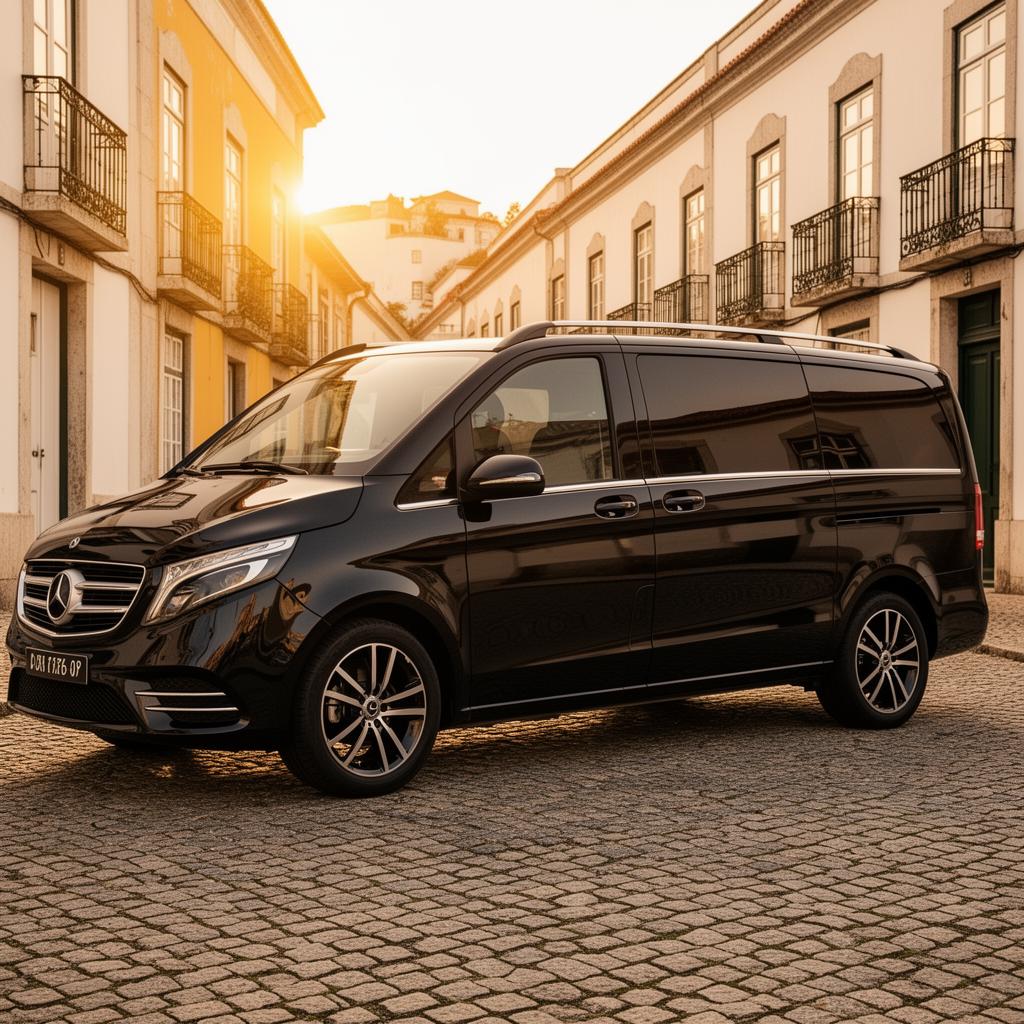
Explore Portugal in a Mercedes-Benz V-Class
For smaller groups, a private V-Class offers a comfortable way to travel between places, with an English-speaking driver, door-to-door pickup and a flexible itinerary planned with our team. Vehicle choice depends on your group and availability.
Plan a personalized journey →A pilgrimage-style private itinerary through Braga
A thoughtful pilgrimage in Braga combines the cathedral, one or two neighbourhood churches and the two hilltop sanctuaries. Build the day around a confirmed Mass time if worship is your priority; religious services should shape the itinerary, not become a hurried stop between photographs.
Morning: begin at the Sé de Braga. Allow approximately 60–90 minutes for the cathedral and whichever chapels or treasury areas are available. Leave space for quiet prayer, then walk to the nearby Misericórdia. If its doors are closed, continue through the historic centre towards Santa Cruz and São Marcos rather than spending the morning waiting for uncertain openings.
Midday: pause for lunch in Braga before heading east. Keep this break unhurried, especially if you plan to climb part of the Bom Jesus staircase. Visitors fasting before receiving Communion should arrange meal timing according to their religious practice.
Afternoon: visit Bom Jesus do Monte, choosing between a walking ascent and vehicle access near the upper sanctuary. Continue by private transfer to Sameiro for Marian devotion, a scheduled Mass where practical, or a quieter visit outside major pilgrimage gatherings. These are active sanctuaries, so leave room for silence as well as sightseeing.
A second day: pair Tibães with São Frutuoso, subject to confirmed chapel access. This combination shifts the focus from monumental pilgrimage landscapes to Benedictine life and Braga’s early Christian heritage.
Braga is roughly 55–65 km from Porto, depending on the starting point, making a private day tour practical. Lisbon is approximately 365 km away, usually around four hours or more by road before stops and traffic; a multi-day journey is more comfortable than a rushed return visit.
Portugal Magik offers private day and multi-day tours and transfers with an English-speaking driver, door-to-door pickup and flexible itineraries. For smaller groups, a private Mercedes-Benz V-Class is a comfortable option for these journeys, subject to availability. Request a personalized plan with your preferred churches, walking limits and intended Mass times; church admission and liturgical arrangements should be confirmed separately.
Feast days, dress code and pilgrimage etiquette
Holy Week is Braga’s most distinctive religious season. The Maundy Thursday Ecce Homo procession is associated with the hooded farricocos, while Good Friday brings the procession of the Lord’s Burial. Dates change with Easter, and routes, access restrictions and detailed timings should be checked against the current Semana Santa de Braga programme.
The Assumption on 15 August is an important date at Sameiro. Braga also celebrates Saint John the Baptist around 24 June, combining religious observance with extensive city festivities. Saint Gerald, the city’s patron, has his feast on 5 December. These dates do not guarantee access to normally restricted chapels or relics.
Dress modestly: covered shoulders and clothing reaching approximately to the knees are a considerate choice. Remove hats inside churches, silence phones and avoid crossing in front of people praying. Ask before photographing interiors, never use flash during worship and observe all photography notices.
Visitors of any faith may generally attend Mass respectfully, but receiving Holy Communion is governed by Catholic discipline. Sightseeing should wait until the service has ended. On major feast days, tell Portugal Magik whether you want to join the celebrations or avoid the busiest periods so your personalized pickup and route can reflect local road closures.
Frequently Asked Questions
Plan a thoughtful private pilgrimage to Braga
Request a personalized private tour or transfer quote from Portugal Magik, with door-to-door pickup and an English-speaking driver. Share your preferred churches, Mass plans and walking needs so your Mercedes-Benz itinerary can be shaped around your visit.