Catholic places to visit in Alcobaça and nearby
Catholic places to visit in Alcobaça reveal a landscape shaped by Cistercian prayer, royal patronage and centuries of Marian devotion. Begin with the monastery, then make time for smaller churches in Alcobaça and carefully chosen pilgrimage stops nearby.
Catholic places to visit in Alcobaça: nine meaningful stops
The first four places below are in Alcobaça or its municipality; the remaining five are nearby excursions, clearly identified by location. Distances are approximate road distances from central Alcobaça, not walking distances. Smaller churches may open principally for worship or arranged visits, so confirm access before building your day around them.
01Mosteiro de Santa Maria de Alcobaça
Founded in 1153 through the patronage of Portugal’s first king, Afonso Henriques, this Cistercian monastery became a UNESCO World Heritage Site in 1989. Its immense Gothic church expresses the order’s preference for architectural restraint, while the carved tombs of King Pedro I and Inês de Castro introduce a strikingly different richness. These are royal funerary monuments, not saints’ reliquaries. The cloisters and former communal rooms help explain monastic daily life. Check current church access, monument tickets and any liturgical restrictions separately. Insider tip: study the narrative carvings around the tombs rather than photographing only the recumbent figures.
02Igreja de Nossa Senhora da Conceição, Alcobaça
This smaller church offers a quieter counterpoint to the monastery’s scale. Its present appearance owes much to a 17th-century rebuilding, although the site’s religious history is older. Look for the contrast between its modest exterior and the devotional character of the interior when open. Unlike a major ticketed monument, it should not be treated as having guaranteed all-day visitor access; ask the local parish about Mass and opening arrangements. Insider tip: keep this as a flexible town-centre stop, rather than assigning it a rigid appointment between longer journeys.
03Mosteiro de Santa Maria de Coz
Around 12 km north of Alcobaça, this former Cistercian convent preserves an important chapter of women’s religious life in the region. Its medieval origins contrast with the richly decorated church that developed during later centuries: azulejos, gilded woodwork and the painted timber ceiling reward an unhurried visit. Access to particular spaces depends on current arrangements, and a heritage visit should not be assumed to include Mass. Insider tip: ask specifically whether the former nuns’ choir can be visited; understanding its separation from the public church makes the building much easier to read.
04Igreja de São Vicente, Aljubarrota
Approximately 7 km from Alcobaça, São Vicente is one of the historic parish churches of Aljubarrota. Its medieval roots and subsequent alterations belong to the lived religious history of the village, rather than to a purpose-built visitor attraction. See the church exterior and, when accessible, its interior before walking through the old settlement. Confirm services with the parish and leave sightseeing until worship has finished. Insider tip: distinguish the village from the battlefield: the Battle of Aljubarrota was fought on 14 August 1385 near São Jorge, not in Aljubarrota’s streets.
05Capela de São Jorge, Porto de Mós municipality
Roughly 20 km northeast of Alcobaça, this chapel stands within the landscape of the Battle of Aljubarrota. It commemorates the Portuguese victory of 1385 and is closely associated with Nuno Álvares Pereira, the military commander later canonized as Saint Nuno of Saint Mary in 2009. It is a meaningful stop for visitors interested in the intersection of national memory and Catholic devotion. Confirm interior access; do not expect a daily pilgrim Mass. Insider tip: pair the chapel with the nearby battle interpretation centre to separate documented events from the legends surrounding the battle.
06Mosteiro de Santa Maria da Vitória, Batalha
About 25 km northeast of Alcobaça, Batalha’s Dominican monastery was founded by King João I in fulfilment of a vow following the 1385 victory. Its Gothic church, Founder’s Chapel and Unfinished Chapels make a rewarding comparison with Cistercian Alcobaça. The Founder’s Chapel contains the tomb of João I and Philippa of Lancaster. This UNESCO-listed monument has distinct visiting areas, so check tickets and access rather than assuming everything is included with entry to the church. Insider tip: visit Alcobaça first if possible; Batalha’s elaborate royal architecture becomes especially striking after Cistercian restraint.
07Santuário de Nossa Senhora da Nazaré, Sítio da Nazaré
Around 18 km west of Alcobaça, this Marian sanctuary overlooks the Atlantic from Nazaré’s upper town. Its history reaches back to the medieval pilgrimage tradition, although much of the visible building reflects later rebuilding and decoration. The revered image of Our Lady of Nazaré remains the devotional focus; azulejo panels and the sanctuary’s furnishings deserve attention too. This is an active place of worship, so confirm Mass times directly and avoid circulating during services. Insider tip: allow time to sit quietly inside before heading to the busy viewpoint outside.
08Ermida da Memória, Sítio da Nazaré
A short walk from the sanctuary, this small chapel marks the traditional location of the miracle of Dom Fuas Roupinho. According to the story, Our Lady saved him from riding over the cliff while hunting in 1182. Treat that account as devotional tradition rather than independently established history. The chapel’s tiled interior connects the legend with Nazaré’s long-standing Marian identity. Space is limited, and access may vary; it is not a substitute for checking services at the main sanctuary. Insider tip: visit the chapel and sanctuary together, reading the story before looking out over the cliff edge.
09Santuário de Nossa Senhora do Rosário de Fátima
Approximately 50 km east of Alcobaça, Fátima is a separate pilgrimage destination, not a church within the town. Its sanctuary commemorates the reported Marian apparitions of 1917. Principal stops include the Chapel of the Apparitions, the Basilica of Our Lady of the Rosary, containing the tombs of Francisco and Jacinta Marto and Sister Lúcia, and the Basilica of the Most Holy Trinity. Consult the official programme for Mass, confession and the Rosary in your preferred language. Insider tip: reserve at least half a day if worship is central to your visit, rather than squeezing Fátima between several monuments.
For a focused day, choose Alcobaça and one nearby devotional area rather than trying to complete all nine stops. Ask Portugal Magik for a personalized private route that allows time for both church visits and quiet reflection.

Plan with confidence
Plans change. Your options are clear.
Change dates without an extra change charge when available, and cancel early for a refund or travel credit. Our team confirms every detail before you pay.

Travel with Portugal Magik
Explore Portugal in a Mercedes-Benz V-Class
For smaller groups, a private V-Class offers a comfortable way to travel between places, with an English-speaking driver, door-to-door pickup and a flexible itinerary planned with our team. Vehicle choice depends on your group and availability.
Plan a personalized journey →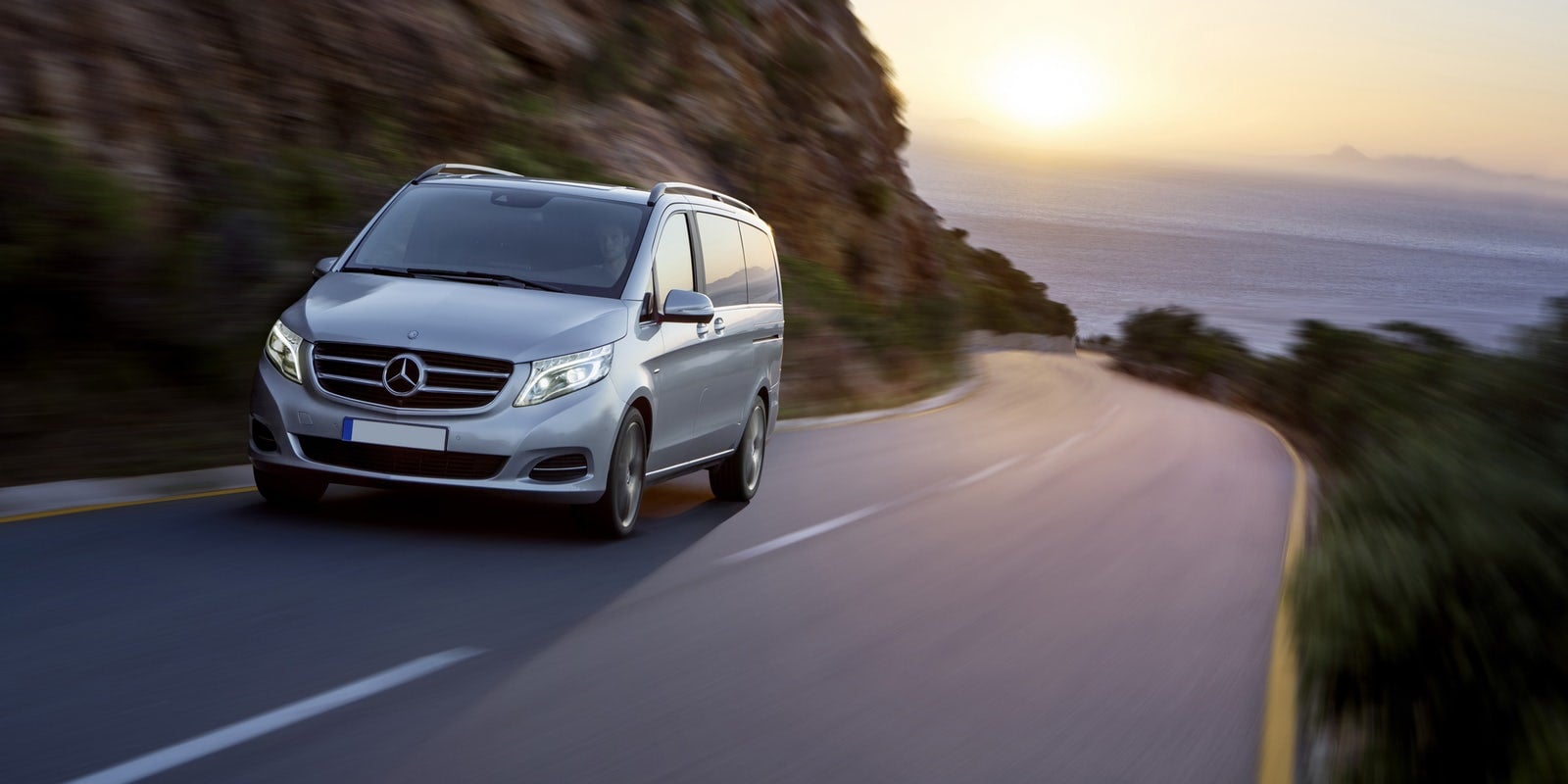
A pilgrimage-style private itinerary from Lisbon
This gentle one-day route links Alcobaça’s monastic heritage with the Marian devotion of Nazaré. It suits visitors who want substantial time in sacred spaces without turning the day into a checklist. If attending Mass is essential, confirm the service first and arrange the sightseeing around it.
Morning: Lisbon to Alcobaça
Arrange door-to-door pickup and travel approximately 120 km north from Lisbon, usually around 1½–2 hours depending on traffic and your starting address. Begin at the Monastery of Alcobaça, allowing roughly 90 minutes to two hours for the church and the monument areas you choose to visit. Pause at the royal tombs, then explore the spaces that reveal how the Cistercian community lived. Add Nossa Senhora da Conceição only if opening arrangements permit.
Late morning: the convent at Coz
Continue approximately 12 km to Coz for a contrasting encounter with Cistercian women’s history. A visit of around 45–60 minutes can work well when access has been confirmed. If the church is unavailable, stay longer in Alcobaça rather than spending your prayer time searching for an open door.
Lunch: leave breathing room
Allow an unhurried restaurant lunch in Alcobaça or Nazaré. This is a useful break between the monastery’s scale and the more intimate devotional atmosphere of the afternoon, especially for older travelers or families.
Afternoon: Our Lady of Nazaré
Continue to Sítio da Nazaré for the sanctuary and Ermida da Memória. Allow approximately 60–90 minutes, longer if attending a scheduled service. The sanctuary square offers a natural pause, but wind and uneven paving can affect comfort. Return to Lisbon afterward, allowing approximately 1½–2 hours for the journey.
For a pilgrimage centered on Fátima, replace Nazaré with the sanctuary rather than adding it to this full day. A two-day itinerary gives Alcobaça, Batalha and Fátima more appropriate space, particularly when confession, Mass or evening prayer is a priority.
Portugal Magik offers private day and multi-day tours and private Mercedes-Benz transfers with an English-speaking driver, door-to-door pickup and flexible itineraries. A private Mercedes-Benz V-Class can be a comfortable option for smaller groups on these journeys, subject to availability. Request a personalized quote with your preferred churches, mobility requirements and any confirmed service times; church entry and participation in worship remain subject to each site’s arrangements.
Feast days, dress code and Catholic visiting etiquette
Dates worth considering
20 August is the feast of Saint Bernard of Clairvaux, a particularly relevant date when exploring Cistercian heritage. It does not automatically mean a special public programme at Alcobaça; check locally before traveling for a celebration.
8 December, the Solemnity of the Immaculate Conception and a Portuguese public holiday, is especially relevant to churches dedicated to Nossa Senhora da Conceição. Mass schedules and monument opening arrangements can differ from an ordinary weekday.
8 September, the Nativity of the Blessed Virgin Mary, is the principal reference date for devotion to Our Lady of Nazaré. Local festivities may extend beyond the feast itself, so verify the year’s religious programme and expect a busier Sítio.
At Fátima, 13 May and 13 October are major pilgrimage dates associated with the 1917 apparitions. The sanctuary also holds anniversary pilgrimages from May through October. Crowds, processions and access arrangements can substantially change the pace of a visit. Easter and Holy Week services vary with the annual calendar.
What to wear
Choose clothing that covers shoulders and avoids very short hemlines; this is a respectful approach rather than a claim that every church enforces the same dress code. Remove hats inside churches unless worn for religious or medical reasons. Comfortable shoes matter on stone floors and uneven streets, and a light layer is useful in cool interiors and windy Nazaré.
During worship
Silence your phone, speak softly and do not walk through the congregation to inspect artwork during Mass. Follow signs concerning photography; avoid flash, tripods and photographing worshippers without permission. Visitors who are not receiving Communion can remain seated or quietly allow others to pass. Follow local guidance rather than assuming that practices from another country apply.
Candles, prayer and accessibility
Use only the designated candle areas and follow any posted instructions. Donations support the religious community or site but should never be treated as payment for guaranteed access. Historic thresholds, steps and uneven paving can complicate wheelchair access even where some areas are accessible. Tell Portugal Magik about mobility needs when requesting your route, and confirm specific church facilities before departure.
Frequently Asked Questions
Plan your Alcobaça Catholic heritage journey
Request a personalized private tour or Mercedes-Benz transfer quote from Portugal Magik, with door-to-door pickup and an English-speaking driver. Share your preferred churches, prayer time and travel dates so your flexible itinerary reflects the purpose of your visit.