The best things to do in Viseu: art, history and local life
The best things to do in Viseu bring together Renaissance paintings, granite lanes, Dão wine and generous stretches of parkland. Give this inland Portuguese city time: its cathedral quarter rewards close looking, while the cafés around Rossio invite a slower afternoon.
10 best things to do in Viseu, from the Sé to Fontelo
01Sé de Viseu
Viseu’s cathedral crowns the historic centre, with medieval origins, a later monumental façade and striking vaulted ceilings whose ribs resemble knotted ropes. Look up before moving through the building, and plan sightseeing around services rather than assuming every part will be accessible throughout the day.
02Museu Nacional Grão Vasco
Beside the cathedral in the former episcopal seminary, this museum holds major works by Vasco Fernandes, the Renaissance painter known as Grão Vasco, who worked in Viseu during the early 16th century. Allow at least an hour, and look closely at the Adoration of the Magi, which includes a figure commonly interpreted as an Indigenous Brazilian—an arresting detail in Portuguese Renaissance painting.
03Igreja da Misericórdia de Viseu
Facing the cathedral across Adro da Sé, this church provides a vivid architectural contrast with its predominantly 18th-century Rococo façade and twin towers. Stand near the cathedral steps to appreciate the two buildings together, then check the church’s current visiting arrangements before planning an interior visit.
04Praça da República, known as Rossio
Viseu’s civic square brings together the town hall, café terraces and a long azulejo panel designed by Joaquim Lopes in 1931, depicting regional rural life. Walk right up to the tiles to examine the clothing and agricultural scenes; this is also a convenient place to pause before climbing into the older streets.
05Museu Almeida Moreira
Close to Rossio, this house-museum preserves the home and collection of Francisco António de Almeida Moreira, the first director of the Grão Vasco Museum. Its paintings, ceramics, furniture and domestic setting offer a more intimate encounter with Viseu’s cultural life; pair it with the larger museum, but check opening hours before making a special detour.
06Jardim das Mães
This compact garden beside the Almeida Moreira house-museum is known for its sculpture celebrating motherhood and its position above the lower city. Use it as a short pause between museum visits and Rossio, taking the paths slowly where steps or slopes make the most direct route less comfortable.
07Parque Aquilino Ribeiro
Named after the Portuguese writer closely associated with the Beira region, this central park offers mature trees, lawns and paths just beyond Rossio. It is an easy addition when travelling with children or anyone who wants a break from churches and museums; keep it for a warmer afternoon when shade becomes especially welcome.
08Porta do Soar
Also called Porta de São Francisco, this granite gateway is one of the two surviving gates of Viseu’s medieval walls, alongside Porta dos Cavaleiros. Approach it through the historic streets rather than treating it as a standalone photo stop, and look back through the arch to appreciate how tightly the old lanes frame the entrance.
09Cava de Viriato
North of the historic centre, this enormous octagonal earthwork is one of Viseu’s most unusual historic sites, although its date and original purpose remain debated. Despite its name, it should not be presented as a proven fortress of the Lusitanian leader Viriathus; choose a short section of the perimeter to appreciate its scale rather than expecting a conventional castle visit.
10Mata do Fontelo
East of the centre, Fontelo’s wooded grounds belong to the landscape of Viseu’s former episcopal estate and now sit alongside sports and leisure facilities. Choose the woodland paths for a gentler finish to the day, wear shoes with grip after rain, and ask your driver to agree on a convenient collection point so you need not retrace your walk.

Plan with confidence
Plans change. Your options are clear.
Change dates without an extra change charge when available, and cancel early for a refund or travel credit. Our team confirms every detail before you pay.

Travel with Portugal Magik
Explore Portugal in a Mercedes-Benz V-Class
For smaller groups, a private V-Class offers a comfortable way to travel between places, with an English-speaking driver, door-to-door pickup and a flexible itinerary planned with our team. Vehicle choice depends on your group and availability.
Plan a personalized journey →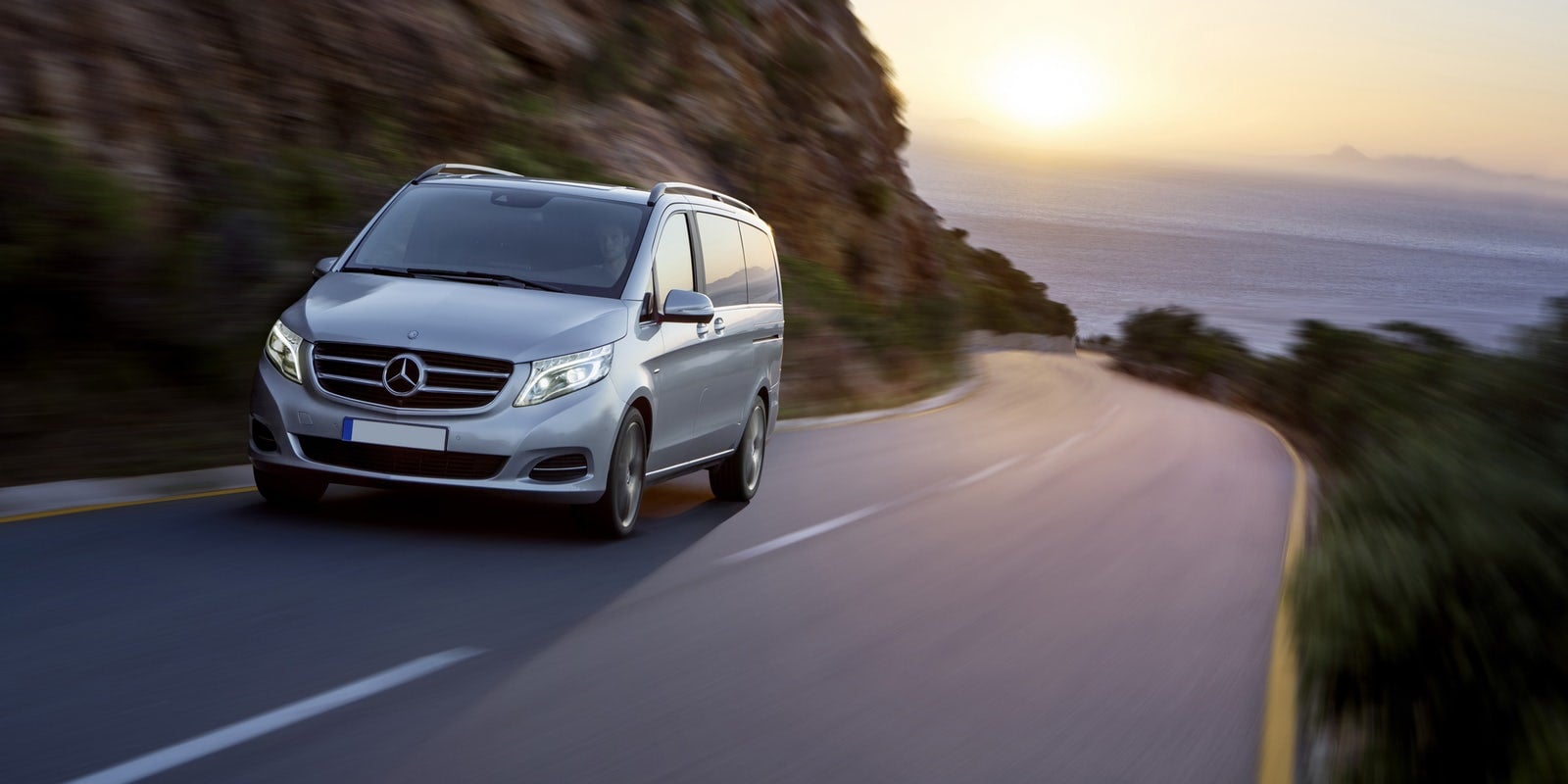
A relaxed Viseu route with Portugal Magik’s driver
For a private day starting in Viseu, begin near Adro da Sé while you are fresh for the uphill lanes. Visit the cathedral and Grão Vasco Museum, then take in the Misericórdia façade before wandering downhill towards Porta do Soar and Rossio. These top places to visit in Viseu sit close enough together to enjoy as a walking sequence, with your driver arranging practical drop-off and collection points where vehicle access permits.
Leave a proper lunch interval rather than filling every hour. Afterwards, choose either the Almeida Moreira house-museum and Jardim das Mães or a quieter spell in Parque Aquilino Ribeiro. Finish with a short drive to Cava de Viriato or Fontelo; trying to give all ten places equal time would make the day considerably less relaxed. Ask Portugal Magik for a personalized itinerary built around your preferred balance of art, walking and downtime.
From Lisbon, Viseu is roughly 290 kilometres away by road, usually around three to three-and-a-half hours each way before stops and traffic. An overnight or multi-day journey is generally more rewarding than a return day trip. One comfortable three-day outline is Lisbon to Coimbra and Viseu on day one, a full Viseu day on day two, then Lamego and onward to Porto on day three.
For a shorter countryside extension, Santar lies roughly 15 kilometres south of Viseu and offers a natural introduction to the Dão wine region. Any estate visits should be selected and booked separately according to the venue’s opening arrangements; Portugal Magik provides the private transport and flexible route, not the estate experience itself.
Portugal Magik offers private Mercedes-Benz transfers and private day or multi-day tours with an English-speaking driver and door-to-door pickup. For smaller groups, a Mercedes-Benz V-Class can be a comfortable option for the Lisbon–Viseu journey, subject to availability. Request a personalized quote with your dates, group size and onward destination so the route and vehicle can be matched to your plans.
Best time to visit Viseu and practical insider tips
May, June, September and early October are appealing months for combining the historic centre with parks and the surrounding Dão countryside. Conditions vary, but these periods often make walking more comfortable than the hottest summer afternoons. Viseu is inland: summer heat can be pronounced, while winter brings colder temperatures and wetter spells.
Late summer also brings the Feira de São Mateus, a longstanding fair with entertainment, food and concerts. Its grounds lie near Cava de Viriato, so check the current year’s dates if you want to join the festivities—or prefer a quieter visit. Busy evenings can affect accommodation availability and local pickup arrangements.
Put indoor collections first when building your timetable. Museum closing days, religious services and seasonal hours can change, so verify the Grão Vasco Museum, Almeida Moreira house-museum and church access shortly before travelling. A driver makes the wider route easier, but the oldest lanes still require some walking on gradients and uneven paving.
At lunch, look for rancho à moda de Viseu, a substantial combination of meats, chickpeas and pasta. Vitela à Lafões, associated with the nearby Lafões area, is another regional dish worth seeking out, while local pastelarias are the place to ask for Viriatos pastries. Dão wines make a fitting accompaniment if you enjoy wine; booking a driver means there is no need to plan the afternoon around driving yourself.
Pack comfortable shoes and a light layer even outside winter, and avoid treating every garden as a separate scheduled visit. The most enjoyable Viseu attractions often work best in pairs: the cathedral with Grão Vasco, Rossio with Almeida Moreira, and a park after lunch. Share any mobility needs with Portugal Magik when requesting your personalized route, so walking sections and pickup points can be planned realistically.