Your guide to the best things to do in the Algarve
The best things to do in the Algarve range from walking above Lagos’s sea arches to exploring Silves’s red sandstone castle and Tavira’s riverside streets. Choose one part of the coast at a time, leave room for a long lunch, and discover how different the western cliffs, inland hills and eastern lagoons really are.
10 of the best things to do in the Algarve
These are among the top places to visit in the Algarve, but they work better as several unhurried outings than one coast-to-coast checklist.
01Ponta da Piedade, Lagos
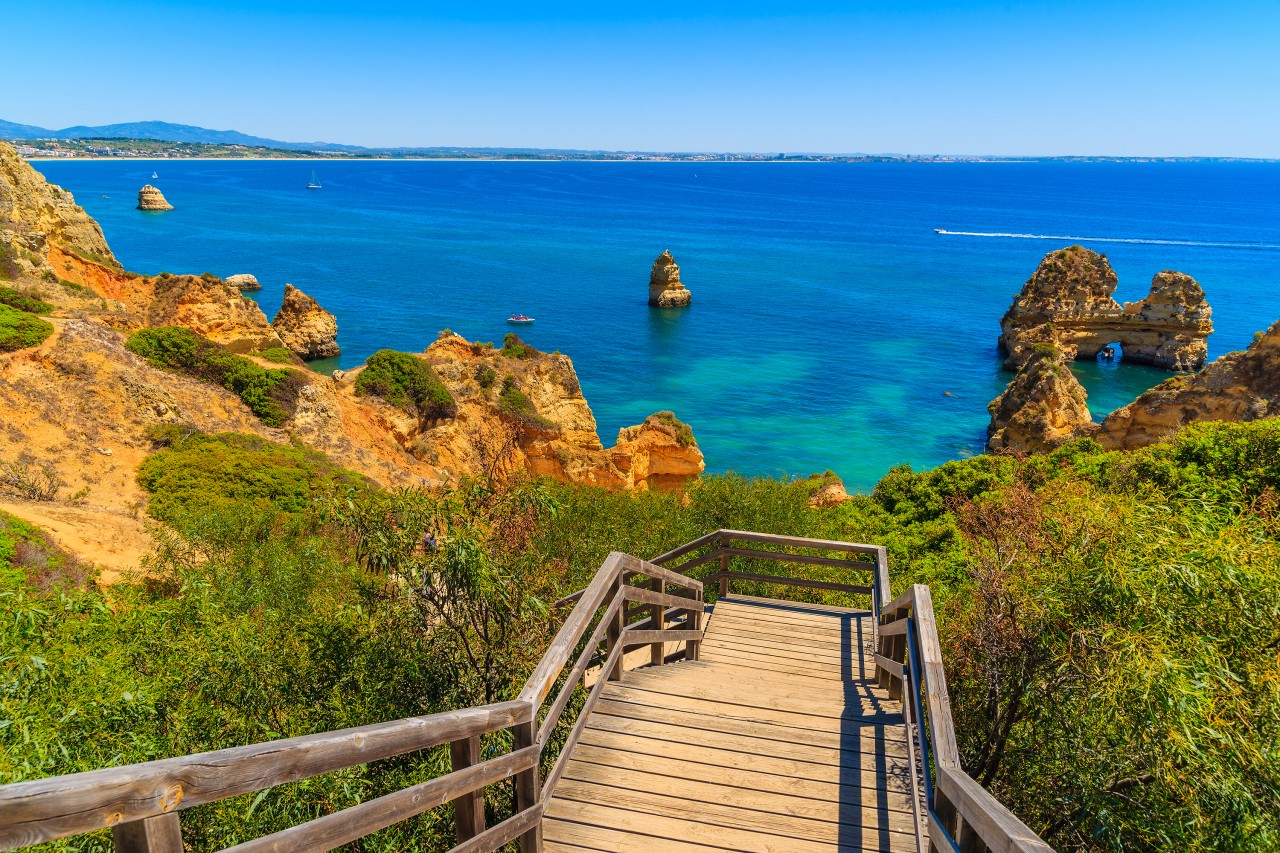
South of Lagos, golden limestone pillars, arches and sheltered coves make Ponta da Piedade one of the coast’s most distinctive landscapes. Follow the clifftop paths and boardwalks for views that do not require a boat trip, then spend time in Lagos’s old town. Arrive early for cooler walking conditions, and remember that the long staircase toward the water is optional, not essential to enjoying the headland.
02Sagres Fortress and Cabo de São Vicente
Sagres Fortress occupies a windswept promontory associated with Prince Henry the Navigator, while Cabo de São Vicente lies roughly 6 km farther west by road. Together they reveal the Algarve’s more exposed Atlantic character, quite different from the sheltered coves around Lagos. Bring a windproof layer even in summer, stay well back from cliff edges, and check fortress opening hours rather than leaving the visit until sunset.
03Praia da Marinha and the Seven Hanging Valleys Trail
Praia da Marinha is known for its limestone cliffs and offshore rock formations, and it marks the eastern end of the Seven Hanging Valleys Trail toward Praia de Vale Centeanes. The full trail is approximately 5.7 km each way, so a return walk is a substantial outing rather than a quick beach stroll. For a relaxed visit, choose a short out-and-back section early in the day, wear shoes with grip and remember that reaching the beach involves steps.
04Benagil Sea Cave
Benagil’s vast sea cave is famous for its circular opening in the roof, which lights the sand below. Seeing the interior requires a separate sea excursion with an appropriately licensed operator; Portugal Magik provides road transport and private touring, not boat or kayak activities. Access rules and sea conditions can change, so confirm current arrangements directly with the operator, never attempt to swim into the cave, and keep Praia da Marinha as a land-based alternative.
05Silves Castle and the Historic Centre
Silves was an important city during the Algarve’s Islamic period, and its red sandstone castle still dominates the town above the Arade River. Visit the ramparts and courtyard, then walk down past the cathedral through streets where the pace feels markedly different from the beach resorts. Go to the castle before the strongest afternoon heat, as exposed walls and uneven paving make shade, water and sensible footwear especially useful.
06Monchique and Fóia
The wooded hills around Monchique offer a cooler-feeling contrast to the coast, with Fóia reaching 902 metres, the Algarve’s highest point. Explore the town, consider a lunch featuring local smoked sausage or a traditional pork dish, and continue to the summit if visibility is good. Check the forecast before committing to the climb by road: low cloud can hide the panorama, and a clear morning is more valuable than simply arriving at the highest point.
07Loulé Municipal Market and Old Town
Loulé’s landmark market building opened in 1908, and its red domes and horseshoe arches give the town centre a distinctive profile. Inside and around it, look for seasonal produce, fish and regional ingredients such as almonds, figs and carob before wandering the nearby historic streets. Saturday mornings are particularly lively, but verify current opening hours and arrive early if browsing produce stalls matters more to you than a quiet walk.
08Faro’s Cidade Velha
Faro’s walled old town rewards a slower visit through the Arco da Vila and into Largo da Sé, where the cathedral stands on a site with a layered religious history. Its compact lanes and nearby waterfront make Faro a worthwhile cultural stop rather than merely the region’s airport gateway. Check cathedral visiting times separately from worship hours, and choose a waterfront pause afterward instead of trying to cover the whole city at midday.
09Ria Formosa Natural Park
Protected as a natural park in 1987, Ria Formosa is a coastal system of lagoons, salt marshes, channels and barrier islands stretching across the eastern Algarve. Around Quinta de Marim near Olhão, walking routes provide a land-based introduction to the wetland habitats and birdlife. Bring binoculars and check visitor access arrangements before setting out; the changing tide alters the landscape, and early morning usually offers more comfortable walking than the middle of the day.
10Tavira and the Gilão River
Tavira combines whitewashed streets, tiled façades, castle remains and a historic bridge across the Gilão, with former fishing quarters extending toward the waterfront. Walk up to the castle garden for views over the roofs, then return to the river for lunch or coffee. Visit the upper town before the afternoon heat, and do not assume that a stroll through Tavira includes its island beach, which requires a separate crossing.
Plan with confidence
Plans change. Your options are clear.
Change dates without an extra change charge when available, and cancel early for a refund or travel credit. Our team confirms every detail before you pay.
Travel with Portugal Magik
Explore Portugal in a Mercedes-Benz V-Class
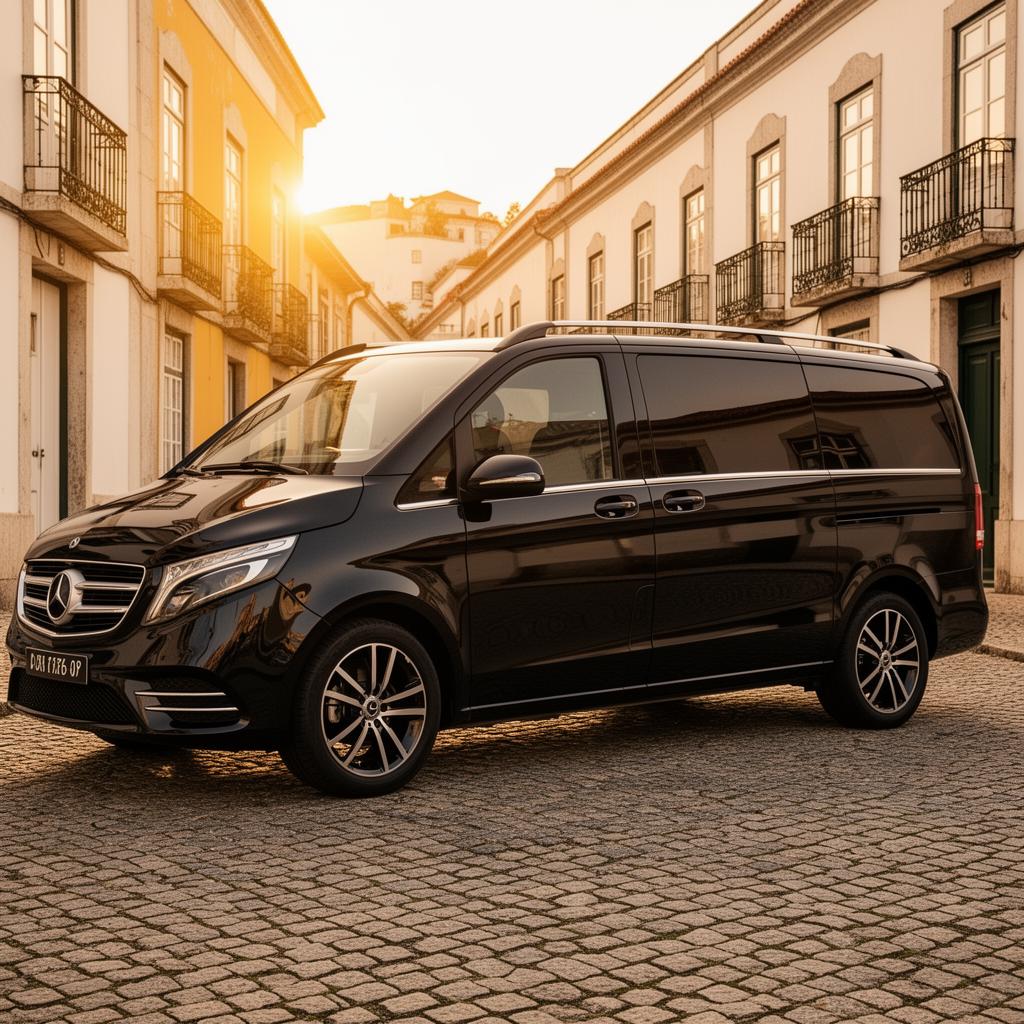
For smaller groups, a private V-Class offers a comfortable way to travel between places, with an English-speaking driver, door-to-door pickup and a flexible itinerary planned with our team. Vehicle choice depends on your group and availability.
Plan a personalized journey →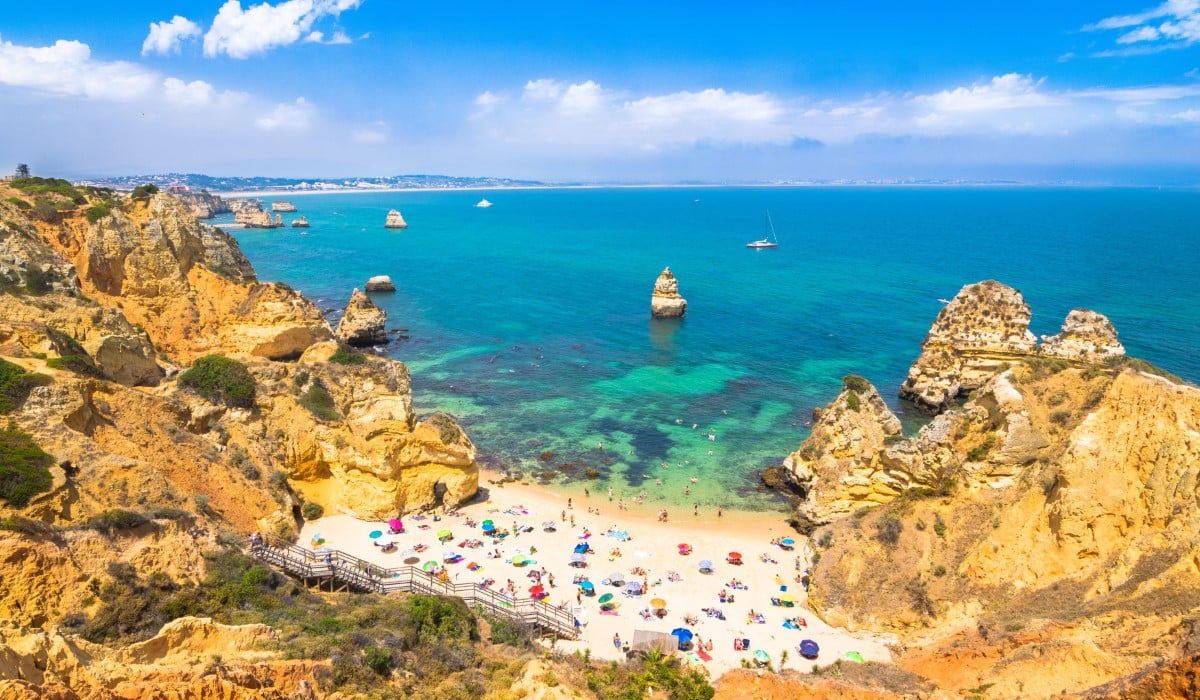
How to build a relaxed private Algarve itinerary
The Algarve looks compact on a map, but its western headlands, central coves and eastern wetlands deserve separate days. Two or three main stops usually give you more enjoyment than a schedule filled with short photo breaks. Portugal Magik offers private day and multi-day tours with an English-speaking driver, door-to-door pickup and flexible itineraries, alongside private Mercedes-Benz transfers.
A western day from Lagos: Start at Ponta da Piedade, return to Lagos for an old-town walk and lunch, then continue to Sagres Fortress and Cabo de São Vicente. If you prefer more time on foot, keep the afternoon in Lagos instead of adding the western headlands. Ask Portugal Magik for a personalized route based on your hotel and how much walking you enjoy.
A central coast and castle day: Pair an early visit to Praia da Marinha with lunch and an afternoon in Silves. Choose either a short cliff walk or time on the beach rather than attempting both alongside the full Seven Hanging Valleys Trail. If you independently book a Benagil sea excursion, discuss its meeting point and timing when planning your road itinerary, and leave space for weather-related changes.
An eastern day: Combine Faro’s Cidade Velha with a land-based introduction to Ria Formosa at Quinta de Marim, or spend the day between Olhão and Tavira. Trying to include Faro, a substantial wetland walk, Tavira and an island beach in one day leaves little room to appreciate any of them.
For three or four days: Dedicate one day to Lagos and the western headlands, one to Marinha and Silves, and one to the eastern Algarve. Add Monchique or a Loulé market morning on a fourth day rather than inserting inland detours into an already full coastal route.
From Lisbon: Faro is roughly 280 km away by road, and a direct journey commonly takes around three hours or more before longer stops, depending on traffic and pickup location. A private transfer followed by several nights in the region is more relaxed than a return day trip. For smaller groups, request a private Mercedes-Benz V-Class as a comfortable option for the Lisbon–Algarve journey or regional touring, subject to availability; confirm the vehicle that suits your party and luggage when requesting your quote.
Best time to visit and practical insider tips
May, June, September and early October usually offer the most appealing balance of daylight, warmth and manageable crowds. Spring is particularly rewarding for coastal walking and green inland scenery; September often suits travelers who want beach time without the busiest August atmosphere. Warm weather is never guaranteed, and the Atlantic can feel cool even on a hot day.
July and August bring the greatest pressure on beach access, restaurant tables and accommodation. Visit exposed places such as Ponta da Piedade and Silves Castle in the morning, then reserve the hottest hours for a leisurely lunch or a shaded town walk. A private driver removes the need to navigate unfamiliar roads, but cannot bypass traffic, restricted access or busy beach approaches.
November through March can work well for Faro, Tavira, Loulé and Silves, with a quieter feel and more flexibility. Expect shorter days, possible rain and reduced seasonal opening hours; rough seas can also disrupt independently operated boat excursions.
Match the route to your mobility. Castle lanes, cliff trails and beach staircases are often uneven, and a viewpoint visit can be much easier than descending to the sand. Tell Portugal Magik about walking preferences when planning your door-to-door pickup and stops.
For lunch, look for cataplana de marisco, a seafood preparation cooked in the Algarve’s characteristic hinged vessel, or grilled fish at a restaurant serving the day’s catch. Ask about portions before ordering a cataplana, as it is often intended for sharing, and check the price basis when choosing whole fish sold by weight.
Stay behind cliff barriers, avoid sitting directly beneath unstable rock faces and follow beach flags and lifeguard instructions. For a personalized plan, share your travel dates, accommodation and preferred balance of coast, towns and walking with Portugal Magik before settling the itinerary.
Frequently Asked Questions
Plan your Algarve at an easier pace
Share your dates, pickup address and interests for a personalized private tour or transfer quote from Portugal Magik. Ask about door-to-door Mercedes-Benz travel with an English-speaking driver and a flexible itinerary, including a V-Class for smaller groups, subject to availability.