Your guide to the best things to do in Portugal
The best things to do in Portugal range from exploring Sintra’s royal palaces to lingering over the river views in Porto and discovering the Algarve’s limestone coast. This mainland guide connects standout sights with practical timing, local details and routes that leave room for a proper lunch.
11 of the best things to do in Portugal
01Alfama and São Jorge Castle, Lisbon
Alfama’s steep lanes reveal an older Lisbon through tiled façades, small squares and viewpoints above the Tagus, while São Jorge Castle occupies the hilltop above the district. Start near the castle before working downhill toward the cathedral, pausing at the Santa Luzia viewpoint for its river-facing terrace. Wear shoes with good grip: polished paving can be slippery, and even a door-to-door itinerary involves walking where vehicles cannot reach.
02Jerónimos Monastery and Belém, Lisbon
Construction of Jerónimos Monastery began in 1501 under King Manuel I, and its elaborate Manueline stonework reflects the wealth and ambition of Portugal’s maritime expansion. Book the cloister visit ahead and allow additional time for any separate church access, since entry arrangements and opening hours can differ. Afterwards, walk to Pastéis de Belém, which has made its custard pastries here since 1837; check the indoor seating queue rather than automatically joining the takeaway line.
03Pena Palace and Sintra
Pena Palace brings together brightly coloured façades, Romantic-era architecture and wooded parkland on a hill above Sintra, roughly 30 kilometres from Lisbon. Reserve a timed palace ticket and allow enough time to reach the entrance from the park gates; the time on your ticket is not simply your arrival time in Sintra. For a calmer visit, choose one palace interior and leave time for the historic centre rather than attempting Pena, Quinta da Regaleira and the Moorish Castle in a single rushed day.
04Cascais and Cabo da Roca
Cascais developed into a fashionable seaside retreat after King Luís I began spending summers here in 1870, while nearby Cabo da Roca marks continental Europe’s westernmost point. Combine a walk around Cascais’s old centre with the headland, approximately 18 kilometres away by road, and a leisurely seafood lunch. Carry a windproof layer for Cabo da Roca and stay behind the barriers: the exposed cliffs deserve more caution than a photograph suggests.
05Óbidos
Around 85 kilometres north of Lisbon, Óbidos preserves a compact walled town of whitewashed houses, cobbled lanes and a castle above the rooftops. Queen Isabel received the town from King Dinis in 1282, beginning its long association with Portugal’s queens. Arrive early or later in the afternoon, step away from busy Rua Direita, and skip the wall walk if unguarded drops or uneven footing make you uncomfortable.
06Batalha Monastery
Batalha’s Dominican monastery was founded to commemorate Portugal’s victory at the Battle of Aljubarrota in 1385, a defining moment in the country’s independence. Its royal tombs, ornate cloisters and open-roofed Unfinished Chapels make it one of the most rewarding Portugal attractions for architecture and history. Allow around 90 minutes rather than treating it as a quick church stop, and check which spaces your admission includes before beginning the visit.
07University of Coimbra
Founded in Lisbon in 1290 and permanently established in Coimbra in 1537, the university crowns the city above the Mondego River. Its historic buildings include the richly decorated Joanina Library, where access is controlled and photography restrictions apply. Reserve the appropriate ticket ahead, check the library entry time carefully, and explore the upper town before descending through Coimbra’s steep streets.
08Porto’s Ribeira and Dom Luís I Bridge
Porto’s riverfront brings together granite buildings, merchant history and the double-deck Dom Luís I Bridge, inaugurated in 1886. Walk through Ribeira, then cross to Vila Nova de Gaia for a different perspective on the city and its historic port wine lodges. For photographs of Porto’s colourful waterfront, choose the Gaia side in late-afternoon light; the upper bridge deck is exposed and may feel uncomfortable for anyone uneasy with heights.
09The Douro Valley
The Alto Douro Wine Region, inscribed on UNESCO’s World Heritage List in 2001, is a working landscape of terraced vineyards and villages arranged along the river and its tributaries. Around Peso da Régua and Pinhão, the N222 offers a memorable stretch of riverside scenery, but winding roads make distances slower than they appear on a map. Select one area and, if desired, reserve a visit directly with a wine estate rather than spending the day travelling between widely separated properties.
10Évora
Évora’s UNESCO-listed historic centre combines a Roman temple, a medieval cathedral and the Chapel of Bones inside the São Francisco church complex. Approximately 130 kilometres east of Lisbon, it makes a rewarding introduction to the Alentejo, especially with time for açorda alentejana or migas at lunch. Visit outdoor sights early in warm weather, and check cathedral rooftop access separately if that is a priority rather than assuming every ticket includes it.
11Lagos and Ponta da Piedade, Algarve
Ponta da Piedade’s golden limestone cliffs and sea stacks sit just south of Lagos, whose old centre provides an appealing contrast of town walls, churches and lively squares. Use the clifftop paths and boardwalks for coastal views without needing to go out on the water. Visit early or toward sunset in summer, stay on marked routes, and remember that boardwalk access does not mean the steep steps to every nearby cove are suitable for everyone.

Plan with confidence
Plans change. Your options are clear.
Change dates without an extra change charge when available, and cancel early for a refund or travel credit. Our team confirms every detail before you pay.

Travel with Portugal Magik
Explore Portugal in a Mercedes-Benz V-Class
For smaller groups, a private V-Class offers a comfortable way to travel between places, with an English-speaking driver, door-to-door pickup and a flexible itinerary planned with our team. Vehicle choice depends on your group and availability.
Plan a personalized journey →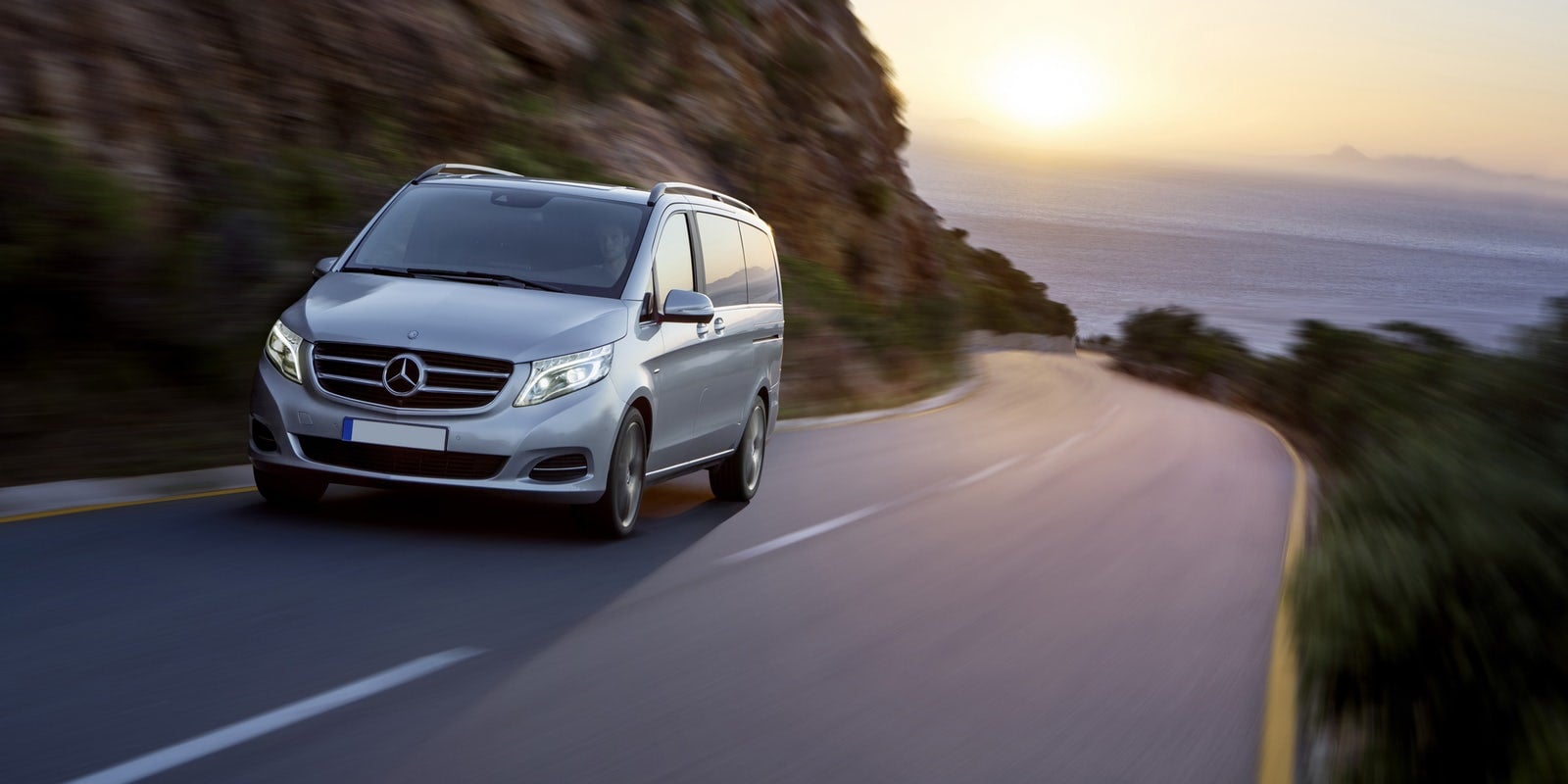
How to connect Portugal’s highlights without rushing
From Lisbon, a relaxed private day works best with one main destination and one contrasting stop. For Sintra and Cascais, plan roughly eight to ten hours: visit one prebooked palace, enjoy lunch, then continue to Cascais, adding Cabo da Roca only if time and weather allow. Évora deserves its own day, with approximately 90 minutes to two hours of driving each way depending on traffic and pickup location. Ask Portugal Magik for a personalized itinerary built around your preferred walking pace rather than a long checklist.
For a northbound day from Lisbon, pair Óbidos with Batalha and leave Coimbra for an overnight stop or a separate touring day. Lisbon and Porto are approximately 315 kilometres apart by road, so a transfer between them can include a meaningful sightseeing stop without becoming an attempt to cover every town en route. Portugal Magik offers private Mercedes-Benz transfers and private day or multi-day tours with an English-speaking driver, door-to-door pickup and flexible itineraries. Share your hotel locations and onward commitments when requesting a quote so the route can be paced realistically.
For a fuller mainland journey, allow around two weeks and travel broadly north to south: two nights in Porto, two in the Douro, one in Coimbra, four in Lisbon, one in Évora and three in Lagos. Between Coimbra and Lisbon, choose Óbidos or Batalha for a substantial stop; seeing both requires a longer travel day. Use Lisbon as the base for Belém and a separate Sintra–Cascais excursion, then continue through the Alentejo to the Algarve rather than returning north to sleep.
For smaller groups, a private Mercedes-Benz V-Class can be a comfortable option on longer journeys, subject to availability and passenger and luggage requirements. Portugal Magik’s service is the private transport and driver-led itinerary; attraction tickets, meals and independently operated experiences should be discussed separately, not assumed to be included. Request a personalized multi-day quote with your dates, group size and must-see places.
Best time to visit and practical insider tips
May, June, September and early October generally offer a good balance of daylight, comfortable sightseeing weather and time outdoors. These are still popular travel periods, particularly in Lisbon, Porto and Sintra, so reserve accommodation and timed-entry attractions ahead. September can coincide with the Douro grape harvest, but the exact timing changes by estate and year; never assume a vineyard visit will include harvest activities.
July and August suit travellers prioritizing the Algarve, although beaches and major sights are busiest and inland Évora and the Douro can become intensely hot. Schedule exposed viewpoints and historic centres early, then leave midday for lunch or an indoor visit. Atlantic water can feel cool even in summer, and sheltered-looking beaches are not automatically safe for swimming: follow local flags and lifeguard advice.
November through March can be rewarding for city visits, with shorter days and more changeable weather. Porto and the north generally receive more rain than the Algarve, while Sintra can be misty or damp even when Lisbon is sunny. Keep palace gardens, cliff walks and viewpoints flexible rather than making an entire day depend on clear skies.
Among the top places to visit in Portugal, several involve cobbles, slopes or steps that a vehicle cannot eliminate. Mention mobility needs before booking, carry a light layer for the coast, and confirm current opening days and admission arrangements for each major sight. A useful planning rule is one substantial monument before lunch and one neighbourhood or scenic stop afterwards; ask Portugal Magik to shape a personalized route around that rhythm.