The best things to do in Porto: A Relaxed Travel Guide
The best things to do in Porto bring together riverside walks, tiled railway halls, remarkable churches and port wine cellars across the Douro. Give the city time: its steep lanes, long lunches and changing river light reward a relaxed itinerary rather than a race between landmarks.
12 of the best things to do in Porto
These top places to visit in Porto cover the historic center, the riverside and a worthwhile escape west to Serralves. The port wine cellars are across the Douro in Vila Nova de Gaia, a separate city that fits naturally into a Porto visit.
01São Bento Railway Station
Opened in 1916, São Bento is celebrated for an entrance hall lined with around 20,000 azulejo tiles by Jorge Colaço, depicting historical events and scenes of Portuguese life. Look above the large blue-and-white panels for the colored frieze tracing the development of transport. Visit early for a quieter look, keeping entrances clear for passengers.
02Porto Cathedral, Sé do Porto
The cathedral's fortress-like exterior reflects its medieval origins, while its Gothic cloister adds a more intimate, tile-lined setting. The terrace outside helps explain Porto's geography, with the old town falling steeply toward the Douro. Wear shoes with grip for the surrounding lanes, and check current visiting arrangements if you want to enter the cloister.
03Ribeira and Cais da Ribeira
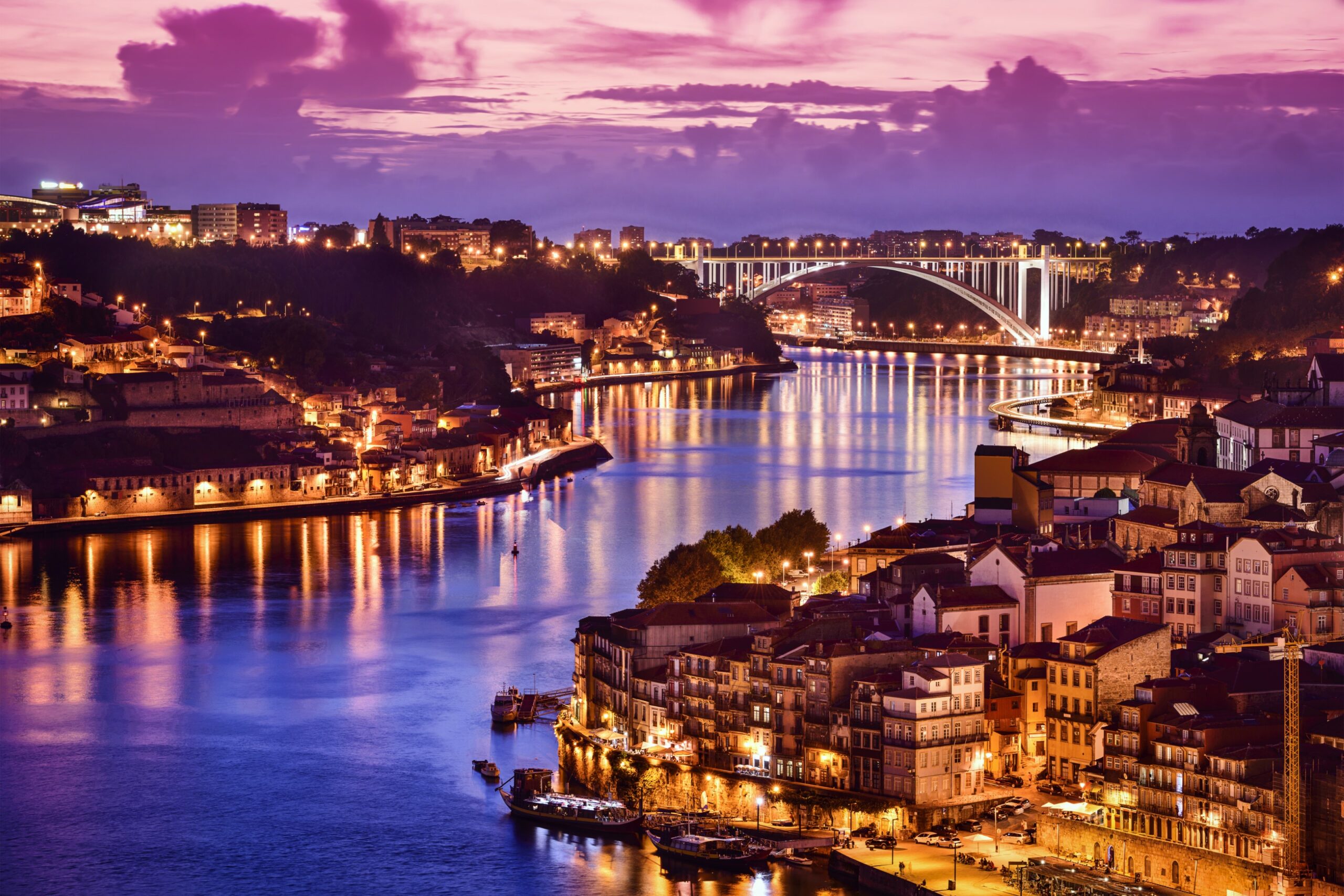
Porto's historic center became a UNESCO World Heritage Site in 1996, and Ribeira's tight streets and waterfront houses are among its most recognizable scenes. Walk along Cais da Ribeira for views of the Dom Luís I Bridge and the Gaia riverfront. Come in the morning for gentler crowds, then explore a lane or two behind the restaurant-lined quay.
04Dom Luís I Bridge
Completed in 1886, this double-deck iron bridge connects Porto with Vila Nova de Gaia and was designed by Théophile Seyrig, a former collaborator of Gustave Eiffel. Its upper deck offers expansive views over Ribeira and the port lodges opposite. Walk it only if you are comfortable with heights and wind; stay within the designated pedestrian areas and allow time to pause safely.
05Mercado do Bolhão
Dating from 1914 and reopened after restoration in 2022, Bolhão remains a working food market where fishmongers, produce sellers and other traders share a central courtyard. It is especially rewarding for seeing the ingredients behind northern Portuguese cooking rather than simply sitting down for a meal. Arrive in the morning for the liveliest trading atmosphere, and check opening days because the market is normally closed on Sundays.
06Clérigos Church and Tower
Nicolau Nasoni's 18th-century Clérigos complex gives Porto one of its defining landmarks, with a tower rising roughly 75 meters above the city. The climb involves more than 200 steps, making this a rewarding viewpoint rather than an effortless stop. Choose a clear day and book ahead during busy periods; skip the tower if narrow stairways are uncomfortable.
07Livraria Lello
Opened in 1906, Livraria Lello is known for its richly ornamented interior, stained-glass ceiling and red staircase. Its architecture is reason enough to visit, without relying on disputed stories connecting it to Harry Potter. Buy the appropriate ticket through the official website and aim for an early entry slot, while remembering that timed admission does not guarantee an uncrowded interior.
08Palácio da Bolsa
Construction of Porto's former stock exchange palace began in 1842, and its elaborate rooms reflect the ambitions of the city's commercial elite. The Arab Room is the standout, with decoration inspired by Islamic architecture. Interior visits are guided by the venue, so check available languages and times before organizing the rest of your day around it.
09Church of São Francisco
Beside Palácio da Bolsa, São Francisco pairs a Gothic structure with an extraordinary interior of gilded woodcarving. Look for the Tree of Jesse altarpiece, whose branching composition rewards a slower inspection than a quick photograph. Combine the two neighboring monuments to reduce walking, and confirm current photography rules before taking pictures inside.
10Port Wine Cellars in Vila Nova de Gaia
Port has long been aged in the lodges across the river from Porto; established names open to visitors include Taylor's and Graham's. A visit arranged directly with a cellar can explain the differences between ruby, tawny and other port styles through its own tour and tasting formats. Choose your lodge before setting the route, because some entrances sit uphill rather than directly on the waterfront.
11Jardins do Palácio de Cristal
Laid out in the 19th century, these gardens offer shaded paths and several viewpoints over the Douro, west of the busiest historic-center streets. The original Crystal Palace no longer stands, but the gardens remain a welcome place to slow down. Explore beyond the main approach toward the river-facing terraces, allowing for slopes and steps along some paths.
12Serralves Museum and Park
West of the historic center, Serralves combines a contemporary art museum designed by Álvaro Siza Vieira with an Art Deco villa and extensive landscaped grounds. The museum opened in 1999, and the changing exhibitions make this a different experience from Porto's historic monuments. Reserve at least half a day for an unhurried visit and check which buildings, exhibitions and park areas your chosen ticket includes.
Plan with confidence
Plans change. Your options are clear.
Change dates without an extra change charge when available, and cancel early for a refund or travel credit. Our team confirms every detail before you pay.

Travel with Portugal Magik
Explore Portugal in a Mercedes-Benz V-Class
For smaller groups, a private V-Class offers a comfortable way to travel between places, with an English-speaking driver, door-to-door pickup and a flexible itinerary planned with our team. Vehicle choice depends on your group and availability.
Plan a personalized journey →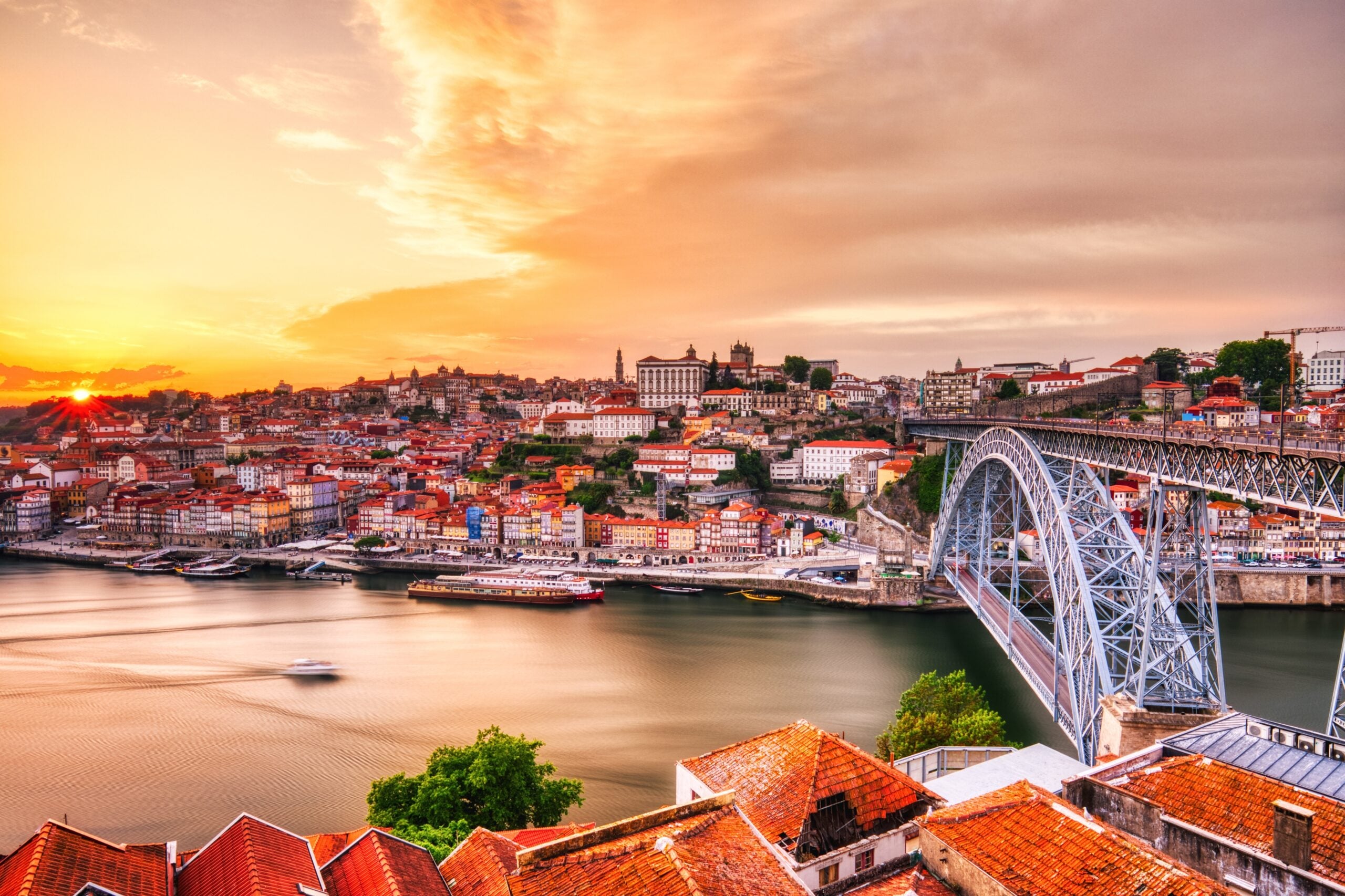
How to combine Porto's highlights into a relaxed private route
One day: concentrate on the old town and river.
Begin with São Bento and the cathedral, then continue toward Ribeira, using short walks where comfortable and vehicle transfers between suitable access points. Choose either Palácio da Bolsa or São Francisco before lunch rather than trying to squeeze in both. Afterward, cross to Gaia for a pre-booked visit with your chosen port cellar, or keep the afternoon outdoors with river views and an optional walk across the bridge.
Allow a proper lunch break. A francesinha is Porto's substantial sandwich of meats and cheese under a hot sauce, often served with chips; tripas à moda do Porto is a traditional tripe-and-bean dish with deep local associations. If you have a cellar appointment, avoid placing lunch so close to it that the meal becomes a countdown.
Two days: separate the river from the upper city.
Keep the first day for the cathedral, Ribeira, one neighboring monument and Gaia. On the second morning, visit Bolhão, followed by Clérigos and Livraria Lello if those interest you; secure any timed tickets before finalizing the order. Leave the afternoon for the Crystal Palace gardens and a longer café stop, rather than adding another queue.
Three days: give Serralves its own space.
Dedicate a morning or afternoon to Serralves, then continue toward Foz do Douro, where the river meets the Atlantic, for a waterfront walk if conditions suit. This western part of the city is a useful change of pace after two days among the central Porto attractions.
Portugal Magik offers private day and multi-day tours with an English-speaking driver, flexible itineraries and door-to-door pickup. A private Mercedes-Benz V-Class can be a comfortable option for smaller groups, subject to availability, especially when combining central Porto, Gaia and Serralves. In pedestrianized or restricted streets, your driver will use the nearest permitted access point; the service does not remove the steps or slopes inside attractions.
If you are starting in Lisbon, Porto is roughly 310 kilometers away by road, usually around three to three and a half hours of driving each way before stops and traffic. An overnight or multi-day stay is more relaxed than a same-day return. Ask Portugal Magik for a personalized private Mercedes-Benz transfer or multi-day tour quote, with time at each stop shaped around your interests.
Cellar visits, monument tours and museum admission are provided by their respective venues, not by Portugal Magik. Share your preferred attractions and any existing bookings when requesting your route so the driving schedule supports them rather than competing with them.
Best time to visit Porto and practical insider tips
May, June, September and early October often offer a good balance of pleasant walking weather and daylight, although rain is possible in every season. July and August are popular, with busier landmark queues and occasional hot spells; the Atlantic can still bring cool mornings and evenings. Winter suits travelers who enjoy museums, churches and quieter streets, provided they plan for shorter days and wetter weather.
For São João, Porto's major annual celebration, the night of June 23 brings crowds, street festivities and fireworks around the river. It is an exciting time to visit, but not the best choice for a quiet Ribeira evening. Book accommodation well ahead and expect road closures and altered pickup arrangements.
Plan by elevation, not just distance. São Bento and the cathedral sit above Ribeira, and a short line on a map can conceal a steep descent followed by a tiring climb. Ask for a personalized route with manageable walking sections and convenient driver meeting points, particularly if anyone has limited mobility.
Reserve the bottlenecks first. Livraria Lello, popular cellar visits and Palácio da Bolsa can determine the day's rhythm. Opening hours, ticket conditions and visit languages change, so check directly with each venue before committing to a tightly timed sequence.
Carry a light waterproof layer and wear shoes with reliable grip. Polished stone, cobbles and sloping pavements become slippery in rain; the bridge and Atlantic waterfront can feel considerably windier than sheltered streets.
For photographs, try Ribeira in the morning and the Gaia waterfront later in the day, adjusting for the season and weather. For lunch, compare menus away from the most prominent riverside terraces if food matters more to you than a front-row view.
Tell Portugal Magik whether your priority is architecture, port wine, food markets or a gentler pace. An English-speaking driver and flexible private itinerary are most useful when they help you do less rushing, not simply cover more ground.