The best things to do in Marvão: a practical travel guide
The best things to do in Marvão connect a granite-walled hilltop village with Roman ruins and the River Sever below. Allow time for castle courtyards, quiet lanes and a long Alentejo lunch rather than treating this corner of Portugal as a quick photo stop.
9 best things to do in Marvão and its surroundings
01Castelo de Marvão
The castle occupies the highest end of the village, with defensive courtyards, towers and a substantial vaulted cistern that helped sustain the stronghold during sieges. Its medieval fortifications command wide views towards Spain, making this the essential starting point among Marvão attractions. Visit before the hottest part of the day, wear shoes with grip and avoid exposed elevated sections if heights make you uncomfortable.
02Marvão’s walls and Porta de Ródão
The enclosing walls explain why this rocky ridge became such an effective frontier stronghold, while Porta de Ródão provides a memorable entrance into the historic village. Follow the lanes beside the fortifications to appreciate their scale without assuming you need to walk every elevated stretch. Some sections have steep drops and uneven footing, so choose ground-level viewpoints when visiting with children or anyone unsteady on their feet.
03Jardim de Marvão
Also known as Jardim Doutor Manuel Magro, this formal garden below the castle contrasts clipped hedges and geometric beds with the surrounding granite. It is one of the most rewarding places to pause between the fortress and the village streets. Stop here on your way back from the castle, when the benches offer a welcome rest before further sightseeing.
04Museu Municipal in Igreja de Santa Maria
Marvão’s municipal museum occupies the former Church of Santa Maria, near the castle, bringing local archaeology, religious art and everyday traditions into a historic church setting. It adds useful context to views that might otherwise tell only the military side of the village’s story. Confirm current opening hours before your visit, particularly if you are planning a short winter stay.
05Igreja de Santiago
This medieval parish church is a quieter counterpoint to the castle, with a restrained interior and an architectural history shaped by later alterations. Its position within the old village makes it easy to include while exploring Marvão’s steep lanes. If it is open, step inside between services and keep voices low; access should not be assumed throughout the day.
06Convento de Nossa Senhora da Estrela
Founded in 1448, this Franciscan convent stands outside the fortified village and reflects Marvão’s religious history beyond its military defences. It deserves a stop for its historic setting, even when access to the church or other interiors is limited. Ask your driver to include it on the approach or departure rather than adding an uphill walk back into the village.
07Roman City of Ammaia
Roughly 7 kilometres by road below Marvão, near São Salvador da Aramenha, Ammaia preserves the remains of a Roman town established in the first century AD. Excavated structures and the site museum reveal a very different settlement from the medieval village above, making it one of the top places to visit in Marvão municipality. Allow around an hour, check opening arrangements and bring a hat because the outdoor ruins can be exposed to the sun.
08Ponte Velha da Portagem
Portagem’s historic stone bridge crosses the River Sever at the foot of Marvão’s hill, beside the village’s old defensive tower. The riverside setting provides an entirely different perspective on the municipality, away from the castle’s high viewpoints. Combine the bridge with lunch in Portagem and photograph it from the riverbank rather than lingering where you could obstruct access.
09Praia Fluvial da Portagem
This river bathing area on the Sever is a popular warm-weather retreat, with a greener, gentler atmosphere than the exposed hilltop. It makes a useful pause after Ammaia or a place to slow down during a summer overnight stay. Treat swimming as seasonal: check local notices, water conditions and lifeguard arrangements rather than assuming supervised bathing is available year-round.

Trusted across Portugal and Spain
Journeys backed by 1,300+ verified reviews
Consistently five-star rated since 2012, Portugal Magik is a TripAdvisor Hall of Fame recipient. Our Portugal Ambassadors bring local knowledge, thoughtful service and dependable private travel to every journey.

Travel with Portugal Magik
Explore Portugal in a Mercedes-Benz V-Class
For smaller groups, a private V-Class offers a comfortable way to travel between places, with an English-speaking driver, door-to-door pickup and a flexible itinerary planned with our team. Vehicle choice depends on your group and availability.
Plan a personalized journey →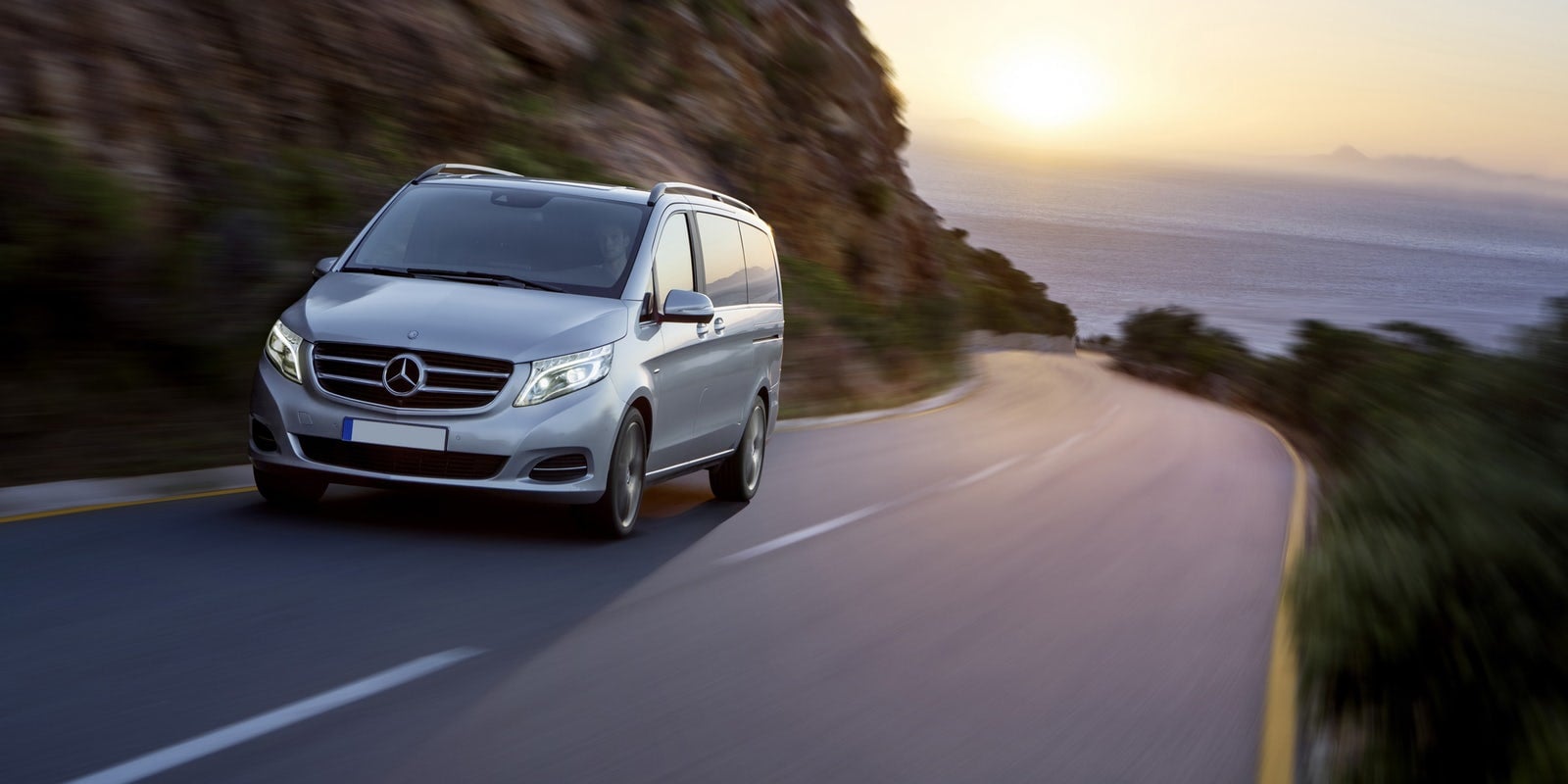
A relaxed private day or multi-day route
For a day beginning near Marvão, visit Ammaia first, continue to Portagem for the bridge and lunch, then spend the afternoon in the hilltop village. The castle, garden, museum and churches are close together geographically, but gradients, cobbles and pauses for views make two to three hours a sensible minimum for the historic centre. Your driver can fit the convent into the approach or departure, subject to access and opening hours.
From Lisbon, Marvão is roughly 230 kilometres away, with around three hours of driving each way depending on traffic and pickup location. A private day trip is possible, but it is a long outing: prioritize the village and a leisurely lunch rather than trying to complete every stop. Ask Portugal Magik for a personalized itinerary that leaves room to linger.
For a more relaxed journey, travel from Lisbon to Ammaia and Marvão on day one, stay overnight, and visit Castelo de Vide, approximately 12 kilometres away, on day two before returning. An extra night allows more time in the Serra de São Mamede region without turning each day into a sequence of departures.
Portugal Magik offers private Mercedes-Benz transfers and private day or multi-day tours with an English-speaking driver, door-to-door pickup and flexible itineraries. A Mercedes-Benz V-Class is a comfortable option for smaller groups on these longer journeys, subject to availability. Request a personalized quote with your hotel, preferred dates and walking comfort so the route can be shaped accordingly.
Best time to visit Marvão and practical insider tips
April to June and September to October usually offer the most comfortable balance for walking, although spring rain and autumn weather remain possible. July and August can be very hot in the surrounding Alentejo countryside; visit Ammaia early, carry water and leave exposed castle sections for cooler hours. The hilltop can be windy even when the valley feels warm.
November brings Marvão’s Feira da Castanha, celebrating the local chestnut harvest. It is an atmospheric time to visit, but festival dates vary and accommodation demand rises, so check the programme before committing to travel. In winter, expect shorter daylight hours and possible fog, which can hide the views but give the granite streets a strikingly different character.
For lunch, look for Alentejo dishes such as migas, açorda alentejana or pork with chestnuts when seasonally available. Check restaurant opening days and reserve ahead at weekends rather than relying on a late walk-in.
The village rewards sensible footwear more than ambitious scheduling. Steep cobbles, steps and exposed fortifications require care, and vehicle access does not eliminate walking inside the historic centre. Tell Portugal Magik about mobility needs before booking, and ask for a route with manageable drop-off points, shorter walks and time to rest. Confirm individual attraction hours close to departure; a flexible itinerary is particularly useful when church access or museum schedules change.
Your route
Direct or with stops
Tell us where you would like to pause along the way and we shape the day around it.
Request a proposal →Your pace
One day or several
Spread the journey over a few days with overnight suggestions from our team.
Request a proposal →Your Ambassador
A local by your side
An English-speaking driver-guide from Portugal in a private Mercedes-Benz.
Request a proposal →★★★★★ 1,300+ verified reviews · TripAdvisor Hall of Fame · Since 2012
Keep exploring
Related journeys and routes
10 things you can't miss in Évora
These 10 things you can't miss in Évora reveal a city of Roman stonework, medieval lanes and remarkably rich Alentejo history. Explore its UNESCO-listed historic centre at walking pace, leaving time for a shaded square and a proper regional lunch.
Read more →The best things to do in Castelo de Vide
The best things to do in Castelo de Vide combine a hilltop castle, an important Jewish heritage quarter and quiet walks through the northern Alentejo. Allow time for its granite doorways, Renaissance fountain and mountain views rather than treating the town as a quick stop on the way to Marvão.
Read more →The best things to do in Fátima: A thoughtful travel guide
The best things to do in Fátima connect its great pilgrimage sanctuary with the modest village homes of the three shepherd children. Allow time for both: the monumental churches explain Fátima’s international significance, while Aljustrel and Valinhos bring the story back to a quieter, human scale.
Read more →Frequently Asked Questions
Personalized and without obligation
Speak with a travel designer
1,300+ five-star reviews · TripAdvisor Hall of Fame · Trusted since 2012 · Mercedes-Benz fleet