Best Things to Do in Alcobaça: Monastery, Museums and Coast
The best things to do in Alcobaça begin with its extraordinary medieval monastery, but leave time for ceramics, convent sweets and the Atlantic coast nearby. This guide separates walkable town sights from excursions farther afield, helping you plan a visit without turning the day into a checklist.
10 best things to do in Alcobaça and nearby
The top places to visit in Alcobaça range from a UNESCO World Heritage Site to small museums that reward a little advance planning. The final four suggestions extend beyond the town centre; Nazaré is in a neighbouring municipality rather than Alcobaça itself.
01Mosteiro de Alcobaça
Founded in 1153 and inscribed on UNESCO’s World Heritage List in 1989, this Cistercian monastery is the town’s essential visit, with a soaring Gothic church, cloisters and an enormous historic kitchen. Allow around two hours for the church and paid monastic circuit, and check current access arrangements before choosing your arrival time.
02Tombs of Pedro I and Inês de Castro
Inside the monastery church, these intricately carved 14th-century tombs commemorate King Pedro I and Inês de Castro, who was killed in 1355 before Pedro became king. Treat them as a highlight of your monastery visit rather than a separate stop, and look closely at the carved narrative panels instead of photographing only the reclining figures.
03Praça 25 de Abril
The broad square in front of the monastery gives you the clearest sense of its monumental façade and its relationship with everyday Alcobaça. Pause here for coffee or a convent sweet after your visit; stepping back across the square makes it easier to fit the full façade into a photograph.
04Castelo de Alcobaça
The surviving castle ruins occupy a hill above the town, offering a useful overview of the monastery and surrounding urban landscape. Expect ruins rather than furnished interiors, wear shoes with grip for the uphill approach and uneven ground, and skip the climb if mobility or wet weather makes it uncomfortable.
05Museu do Vinho de Alcobaça
Housed in a former winery associated with José Eduardo Raposo de Magalhães, this museum explores winemaking through historic equipment and cellar spaces. It is outside the immediate monastery precinct, so confirm current visiting arrangements before building it into your itinerary rather than assuming you can simply walk in.
06Museu Raul da Bernarda
This ceramics museum preserves the legacy of Raul da Bernarda, a manufacturer established in Alcobaça in 1875, and adds an important industrial chapter to the town’s story. Check opening arrangements ahead of time, and pay attention to how decorative styles change across the collection rather than expecting only traditional blue-and-white pottery.
07Mosteiro de Santa Maria de Cós
Around 10 kilometres from Alcobaça, this former Cistercian convent has a church known for its azulejos, gilded woodwork and painted ceiling. It makes a rewarding contrast with the austere scale of Alcobaça’s monastery, but confirm church access first because a smaller religious site should not be treated as an all-day walk-in attraction.
08São Martinho do Porto
Roughly 20–25 kilometres from Alcobaça, this seaside town faces a distinctive shell-shaped bay, with a sheltered waterfront and a promenade suited to an unhurried stroll. Choose it for a relaxed coastal afternoon rather than dramatic open-ocean scenery, and always follow beach flags even when the water appears calm.
09Praia de Paredes da Vitória
About 25 kilometres from Alcobaça, this Atlantic beach combines a wide sandy shore with a small coastal settlement and a more exposed setting than São Martinho do Porto. It is a good choice for a beach walk and an ocean-facing lunch; bring a wind layer and avoid walking close to cliff faces.
10Nazaré and Sítio da Nazaré
Around 15 kilometres from Alcobaça, neighbouring Nazaré offers a lively beachfront and sweeping coastal views from the elevated Sítio district. Ask your driver to include an upper-town stop if you want to avoid the steep climb, and remember that the famous giant waves occur at Praia do Norte only when conditions align, not on a predictable daily schedule.

Plan with confidence
Plans change. Your options are clear.
Change dates without an extra change charge when available, and cancel early for a refund or travel credit. Our team confirms every detail before you pay.

Travel with Portugal Magik
Explore Portugal in a Mercedes-Benz V-Class
For smaller groups, a private V-Class offers a comfortable way to travel between places, with an English-speaking driver, door-to-door pickup and a flexible itinerary planned with our team. Vehicle choice depends on your group and availability.
Plan a personalized journey →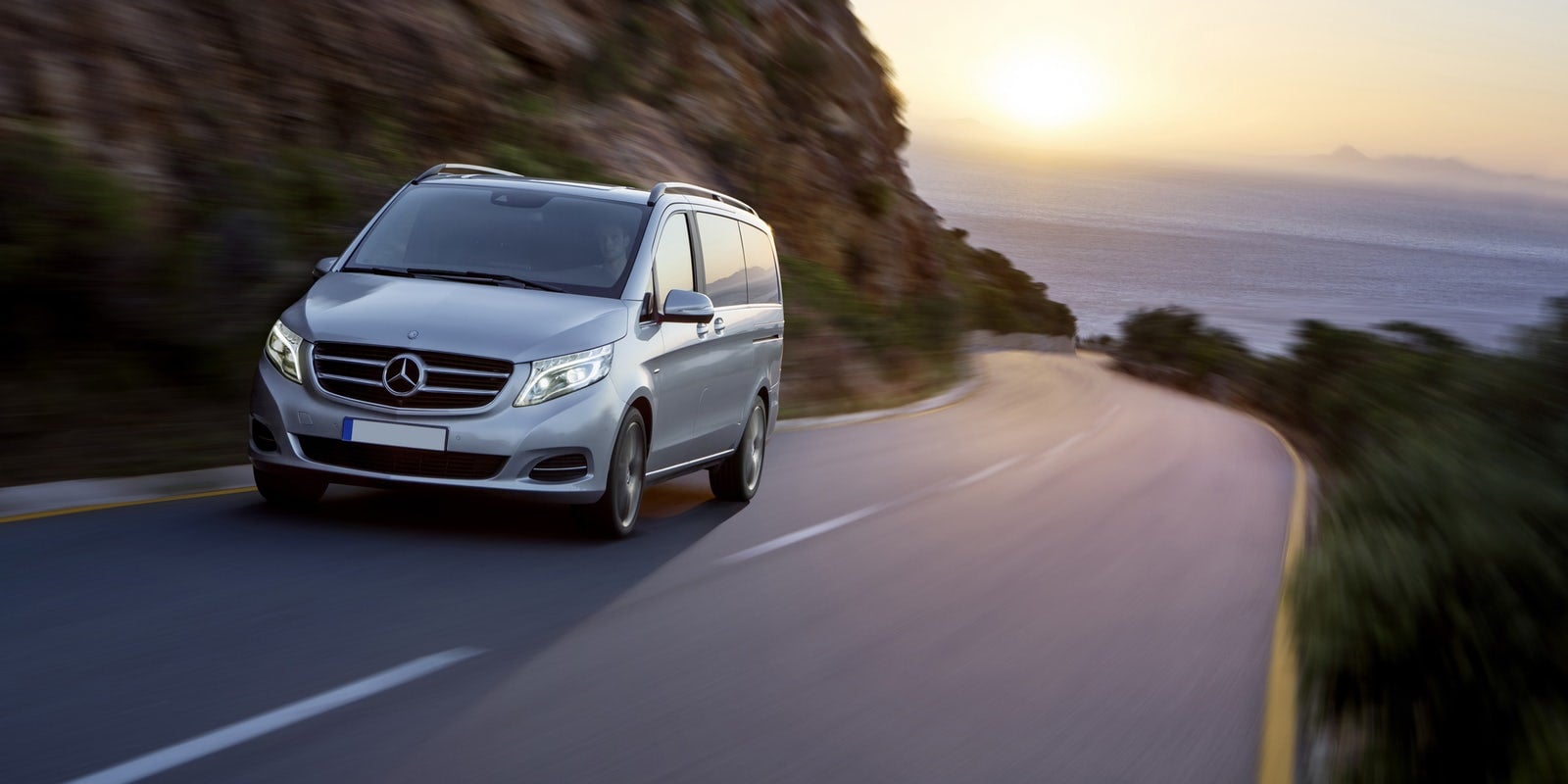
A relaxed private day or a slower two-day route
For a private day from Lisbon, keep Alcobaça as the focus and add just one contrasting destination. The journey is approximately 120 kilometres each way and often takes around 1½–2 hours, depending on your pickup address and traffic. Portugal Magik provides door-to-door pickup, private Mercedes-Benz transfers and private day or multi-day tours with an English-speaking driver and flexible itineraries.
A monastery-and-coast day: leave Lisbon in the morning, spend about two hours exploring the monastery and tombs, then pause around Praça 25 de Abril. Add the castle viewpoint only if you enjoy uphill walking, followed by an unhurried lunch. Continue to either Nazaré for the beachfront and Sítio views or São Martinho do Porto for a gentler promenade before returning to Lisbon. Allow roughly nine to ten hours overall rather than squeezing this into a short outing.
A heritage-focused alternative: replace the coast with Cós and, if opening arrangements permit, one of Alcobaça’s museums. This is particularly rewarding if you enjoy religious art, ceramics or wine history. Ask Portugal Magik for a personalized route built around confirmed opening times; the driver service does not replace site admission or specialist interpretation inside monuments.
For two days, spend the first exploring Alcobaça’s monastery, square and a museum, then stay overnight in Nazaré or São Martinho do Porto. Use the second day for Cós and a coastal stop at Paredes da Vitória, leaving room for lunch and a beach walk before your onward transfer. There is no need to include every stop: choosing fewer places makes the journey feel noticeably more relaxed.
For smaller groups, a private Mercedes-Benz V-Class can be a comfortable option on these journeys, subject to availability. Share your group size, luggage requirements and preferred pace when requesting a personalized tour or transfer quote.
Best time to visit Alcobaça and practical insider tips
May, June, September and early October usually offer a useful balance of comfortable sightseeing weather and daylight for a coastal extension. July and August bring busier beaches and stronger demand for seaside restaurants. Winter can be rewarding for a monastery-focused visit, but rain, shorter days and Atlantic wind make a flexible itinerary especially valuable.
Aim to visit the monastery near its published opening time or later in the afternoon, while leaving enough time before last admission. Opening hours, ticket arrangements and access to individual areas can change; check the monastery’s official visitor information and confirm smaller museums separately. Religious services may also affect access to the church.
Wear comfortable shoes for stone floors and uneven surfaces. The monastery’s interiors can feel cool even on a warm day, while the coast may be windy when Alcobaça itself feels pleasant. A light extra layer is worth carrying throughout the year.
Make time for a cornucópia, a crisp pastry cone with a sweet egg-based filling associated with Alcobaça’s convent-sweet tradition. Ask the pastry shop what has been made that day, and leave room for a proper lunch rather than relying entirely on sightseeing snacks.
Distances between Alcobaça attractions are manageable, but opening times and the pace of your visit matter more than mileage. Tell Portugal Magik whether your priority is architecture, local food, museums or coastal scenery so your English-speaking driver can follow a flexible itinerary that suits you.