10 things you can't miss in the Alentejo
These 10 things you can't miss in the Alentejo connect Roman streets, prehistoric stones, marble towns and villages overlooking the Spanish frontier. Give them time: the region rewards an unhurried lunch, an early castle walk and journeys broken up by worthwhile stops.
10 things you can't miss in the Alentejo: where to go
01Évora’s historic centre
A UNESCO World Heritage Site since 1986, Évora brings together a Roman temple dating to the first century AD, a medieval cathedral and the bone-lined Capela dos Ossos at the Church of São Francisco. Allow at least half a day rather than treating these monuments as quick photo stops. Visit the cathedral’s rooftop terrace early, if open, before the exposed stone heats up, then pause around Praça do Giraldo.
02Almendres Cromlech
Roughly 15 kilometres west of Évora, this prehistoric stone enclosure is one of the Iberian Peninsula’s most important megalithic sites, with origins stretching back into the Neolithic period. Its setting among cork and holm oaks makes the landscape as memorable as the stones themselves. Check current access conditions before including it: the final approach can be rough, suitable footwear matters, and vehicle access should never be assumed.
03Arraiolos
About 25 kilometres northwest of Évora, Arraiolos is known for hand-embroidered wool rugs and its hilltop medieval castle, whose enclosure has an unusual near-circular form. The Centro Interpretativo do Tapete de Arraiolos provides useful context before you browse local workshops and shops. Ask whether a rug is hand-embroidered locally, and leave the exposed castle walk for the cooler part of the day.
04Estremoz
One of the Alentejo’s marble towns, Estremoz pairs a fortified upper town with the broad Rossio Marquês de Pombal below; its clay-figure craftsmanship was inscribed on UNESCO’s intangible cultural heritage list in 2017. Come on a Saturday morning for the market, where food stalls and antiques give you two different reasons to linger. Explore the lower town first while the market is active, then head uphill towards the castle area.
05Vila Viçosa and the Ducal Palace
Vila Viçosa’s Paço Ducal, begun in 1501 under Duke Jaime of Braganza, reveals the wealth and influence of the family that became Portugal’s royal dynasty in 1640. Its long marble façade faces the spacious Terreiro do Paço, making this a particularly rewarding stop for architecture and history. Check the palace’s current visiting arrangements before fixing lunch plans, since interior access follows its own timetable.
06Elvas and its frontier fortifications
Listed by UNESCO in 2012, the Garrison Border Town of Elvas and its Fortifications preserves a remarkable defensive landscape near Spain, including star-shaped ramparts and the outlying Forte da Graça. The Amoreira Aqueduct adds another striking landmark on the approach to town. Give the fort and historic centre separate visiting time: they are not one compact, walkable attraction, and the fort’s exposed areas are best explored outside the hottest hours.
07Marvão
High on a granite ridge in the Serra de São Mamede, Marvão is a walled village whose castle looks across the surrounding countryside towards Spain. The pleasure here is the combination of narrow lanes, whitewashed houses and a defensive position that makes immediate sense once you reach the summit. Wear shoes with grip for uneven paving, and arrange pickup near an appropriate village entrance rather than expecting door-to-door vehicle access inside every lane.
08Monsaraz
Around 55 kilometres east of Évora, medieval Monsaraz sits above the Guadiana landscape and Alqueva reservoir, with whitewashed streets leading towards its castle. It is small enough to explore without rushing, but the cobbles, gradients and viewpoints deserve more than a brief stop. Aim for late afternoon light, and agree your pickup point outside the historic core before walking uphill.
09Alqueva reservoir and the Dark Sky Alqueva area
Created by the Alqueva Dam on the Guadiana, the reservoir reshaped this part of the Alentejo into a landscape of broad water, inlets and hilltop settlements. The surrounding Dark Sky Alqueva destination is also known for its low-light-pollution skies, making an overnight stay more rewarding than a midday photograph alone. For independent stargazing, choose a clear night near the new moon, use a safe permitted spot away from traffic and bring an extra layer even after a hot day.
10Mértola
Above the Guadiana in the southern Alentejo, Mértola preserves an exceptional reminder of Islamic Portugal: its main church occupies a former twelfth-century mosque. The castle and dispersed museum collections help explain the town’s importance as a river trading centre. Start high in the old town while temperatures are lower, then work downhill, checking which museum sections are open rather than assuming they share identical hours.

Plan with confidence
Plans change. Your options are clear.
Change dates without an extra change charge when available, and cancel early for a refund or travel credit. Our team confirms every detail before you pay.

Travel with Portugal Magik
Explore Portugal in a Mercedes-Benz V-Class
For smaller groups, a private V-Class offers a comfortable way to travel between places, with an English-speaking driver, door-to-door pickup and a flexible itinerary planned with our team. Vehicle choice depends on your group and availability.
Plan a personalized journey →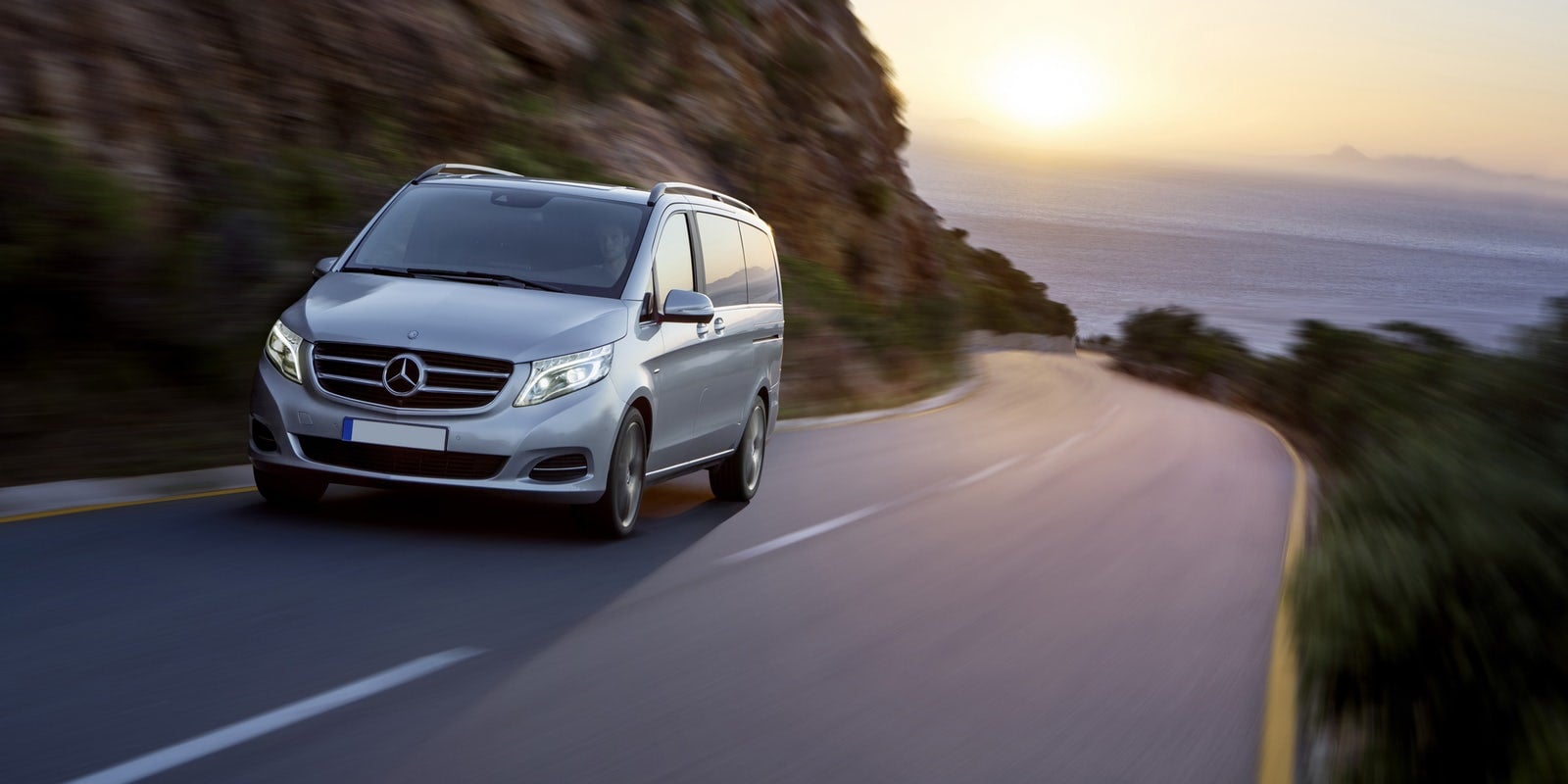
How to combine the Alentejo highlights without rushing
For a private day from Lisbon, make Évora the anchor. The drive usually takes around 1½–2 hours each way, depending on pickup location and traffic; allow a substantial morning in the historic centre, a proper lunch and one additional stop. Arraiolos works well for rugs and a shorter village visit, while Almendres is an alternative only when access conditions are suitable. Ask Portugal Magik for a personalized itinerary that prioritizes time on foot over a long checklist.
Évora and Monsaraz can also share a full private day, but this is a longer outing. Allow approximately another hour between them and keep Évora’s interior visits selective. If sunset in Monsaraz is the priority, discuss the later return to Lisbon in advance rather than squeezing it into an already crowded schedule.
For three days, use Évora as a base: spend the first day in the city, pair Almendres with Arraiolos on the second, and devote the third to Monsaraz and the Alqueva landscape. This gives you room for a slow lunch and avoids changing hotels each night.
To include all ten places comfortably, allow around six or seven days. One workable sequence is Lisbon to Mértola for a southern overnight, then Monsaraz and Alqueva, followed by two nights around Évora for the city, Almendres and Arraiolos. Continue through Estremoz and Vila Viçosa, stay around Elvas, and finish with Marvão before returning to Lisbon; exact overnight stops should reflect monument opening days and your preferred walking pace.
Portugal Magik offers private day and multi-day tours and private Mercedes-Benz transfers with an English-speaking driver, door-to-door pickup and flexible itineraries. A private Mercedes-Benz V-Class is a comfortable option for smaller groups on these longer journeys, subject to availability. Share your hotel locations, luggage requirements and must-see places when requesting a quote; monument admissions and any independently booked visits should be confirmed separately.
Best time to visit and practical insider tips
April–May and late September–October generally offer the most comfortable balance of daylight and walking temperatures. Spring often brings green fields and wildflowers; early autumn can coincide with the grape harvest, although timing varies by estate and year. Neither season guarantees dry weather.
July and August call for a different rhythm. Inland temperatures can exceed 35°C, so visit castles and exposed archaeological sites early, reserve the middle of the day for lunch or indoor visits, and return to village streets later. Carry water, sun protection and a hat: shade is limited at Almendres and on many ramparts.
Winter can be rewarding for quieter streets, but days are shorter and hilltop villages such as Marvão can feel cold, wet and windy. Build in flexibility rather than planning every stop around sunset views.
A useful Alentejo travel guide should leave room for lunch. Look for açorda alentejana, commonly made with bread, garlic, coriander and olive oil; migas, often served alongside pork; and regional cheeses such as Queijo de Serpa. Recipes and accompaniments vary, so ask about ingredients if you have dietary requirements, and reserve ahead in small villages on weekends.
Check individual opening calendars before settling the route, especially for palaces, museums and smaller collections. Bring grippy shoes for polished stone and cobbles, and mention mobility needs when requesting your personalized Portugal Magik itinerary: a nearby drop-off can reduce walking, but it cannot remove steep lanes, steps or restricted vehicle access.