10 things you can't miss in Porto
These 10 things you can't miss in Porto bring together tiled railway halls, riverside lanes, landmark bridges and the port cellars across the Douro. This Porto travel guide helps you choose what deserves your time and arrange the city's steep streets into a comfortable, unhurried visit.
10 things you can't miss in Porto: the essential list
01São Bento Railway Station
Opened in 1916, São Bento is celebrated for its entrance hall, where around 20,000 azulejo tiles by Jorge Colaço depict Portuguese history and rural life. Pause to distinguish the large blue-and-white historical scenes from the colourful frieze above them. Visit early for a quieter look, and keep circulation routes clear: this is still a working station.
02Porto Cathedral, Sé do Porto
Standing above the old town, Porto's cathedral has Romanesque origins in the 12th century, with later Gothic and Baroque additions. Its fortress-like exterior and tiled cloisters reveal different chapters of the city's history. Allow time for the terrace outside, then descend towards Ribeira rather than tackling the steep route uphill; access arrangements for the cloisters should be checked separately.
03Ribeira and Praça da Ribeira
Porto's historic riverside neighbourhood forms part of the city's UNESCO-listed historic centre, recognised in 1996. Around Praça da Ribeira, tall, narrow façades face the Douro and the former port-wine warehouses across the water. Explore the lanes behind the waterfront before settling at a terrace, and check menus carefully because river views often come at a premium.
04Dom Luís I Bridge
Inaugurated in 1886, this double-deck iron bridge links Porto with Vila Nova de Gaia and was designed by Théophile Seyrig. The upper deck offers a sweeping view over Ribeira, the Douro and Gaia's waterfront. Approach it from the cathedral side to avoid the climb from river level, stay within the designated pedestrian areas and bring a layer for the wind.
05Clérigos Church and Tower
Designed by Nicolau Nasoni, the Clérigos complex is one of Porto's defining Baroque landmarks, with its tower completed in 1763. Climbing more than 200 steps rewards you with a rooftop panorama that helps make sense of the city's hills. Choose clear weather for the ascent, and leave the tower off your itinerary if narrow stairways or sustained climbing would be uncomfortable.
06Livraria Lello
Opened in 1906, Livraria Lello is known for its neo-Gothic façade, stained-glass ceiling and curving red staircase. Its architectural appeal is real, but its popularity means the visit is rarely a quiet browse. Reserve admission through the bookshop's official channels, check the current entry arrangements and choose an early slot if available.
07Palácio da Bolsa
Construction of Porto's former stock exchange palace began in 1842, reflecting the wealth and ambition of the city's commercial community. The ornate Arab Room is the standout, but the ceremonial staircase and other reception rooms also deserve attention. Visits follow the palace's own guided-tour arrangements, so confirm the available language and entry time before organising your day around it.
08Church of São Francisco
This Gothic church near Ribeira is famous for the extraordinary gilded woodcarving that transforms its interior. Look closely for the Tree of Jesse altarpiece, an intricate representation of Christ's genealogy. Pair the visit with neighbouring Palácio da Bolsa, and check current photography rules before taking pictures inside.
09Vila Nova de Gaia's Port Wine Cellars
Across the Douro from Porto, Gaia is home to historic port lodges, including Taylor's, Graham's and Ferreira, where independently operated visits explain the wine's production and ageing. This is the natural place to understand the distinction between the Douro Valley, where the grapes grow, and the lodges traditionally used for maturation. Choose one cellar rather than rushing between several, and check its location carefully because some require a substantial uphill walk from the waterfront.
10Jardins do Palácio de Cristal
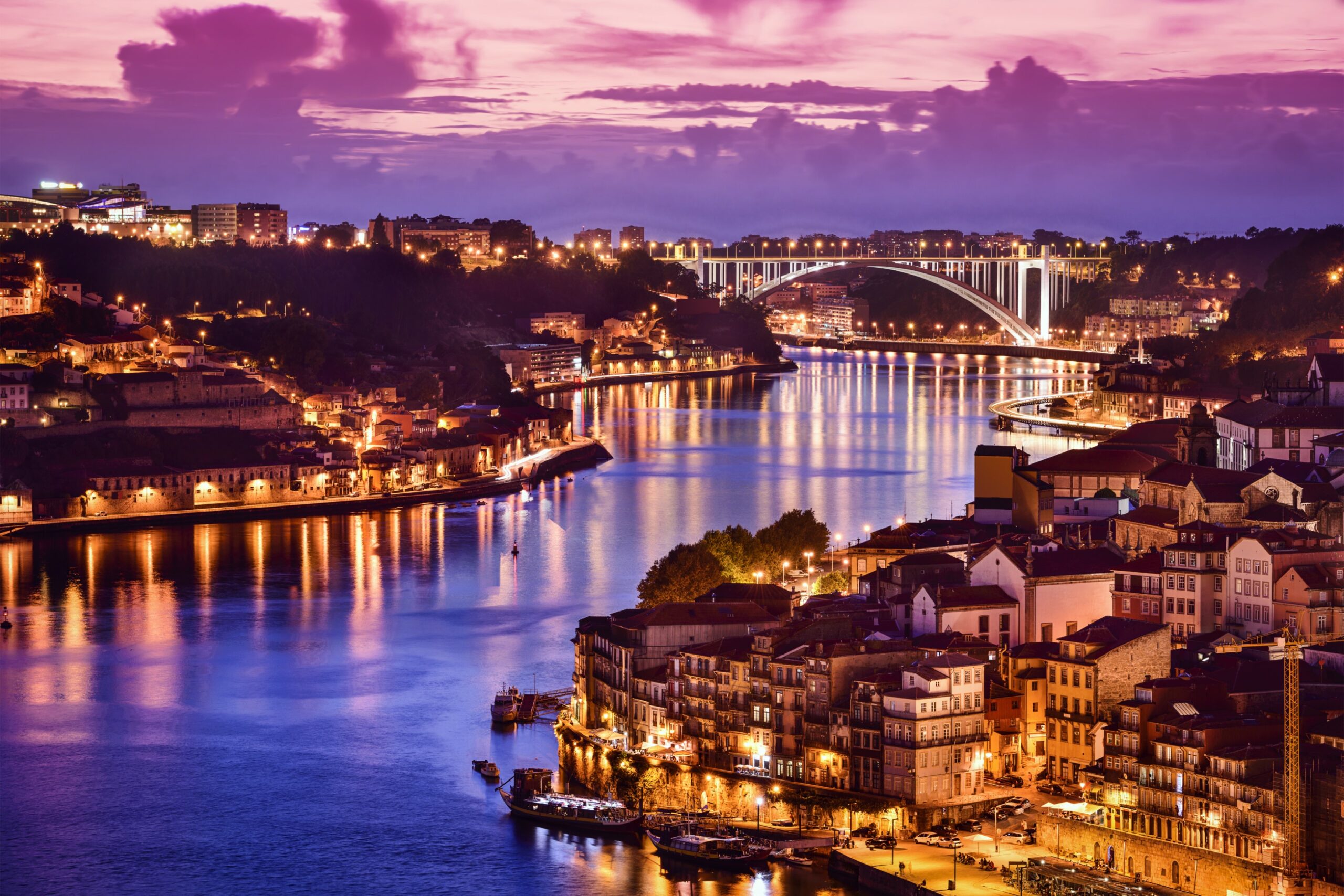
Laid out in the 19th century, these gardens offer shaded paths, terraces and views west along the Douro towards the Arrábida Bridge. The original Crystal Palace no longer stands, but the gardens remain a welcome counterpoint to the busy historic centre. Follow the paths towards the river-facing viewpoints rather than staying near the entrance, allowing at least 45 minutes for an unhurried wander.
Trusted across Portugal and Spain
Journeys backed by 1,300+ verified reviews
Consistently five-star rated since 2012, Portugal Magik is a TripAdvisor Hall of Fame recipient. Our Portugal Ambassadors bring local knowledge, thoughtful service and dependable private travel to every journey.

Travel with Portugal Magik
Explore Portugal in a Mercedes-Benz V-Class
For smaller groups, a private V-Class offers a comfortable way to travel between places, with an English-speaking driver, door-to-door pickup and a flexible itinerary planned with our team. Vehicle choice depends on your group and availability.
Plan a personalized journey →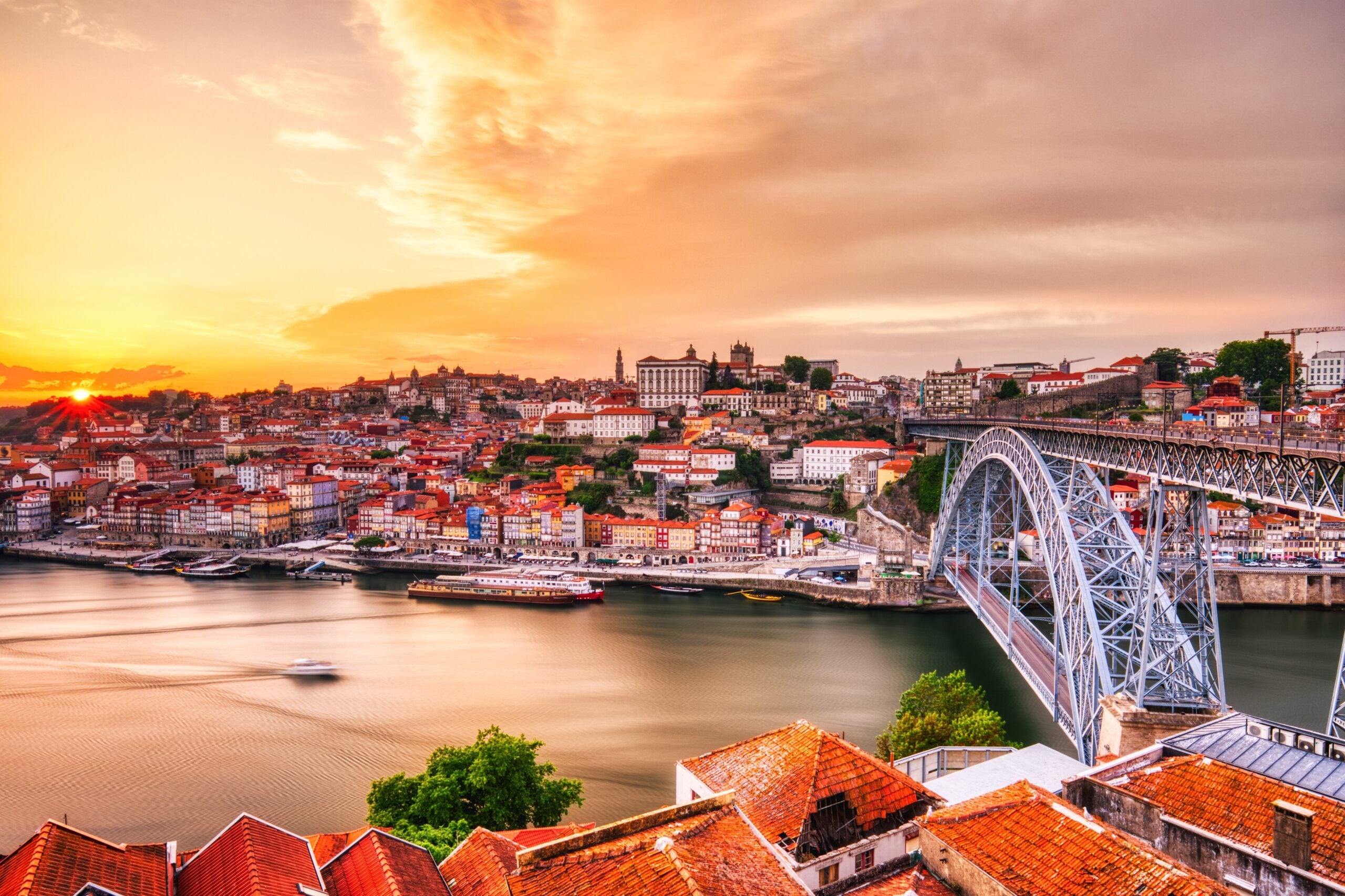
How to combine the Porto highlights without rushing
For one relaxed day, select five or six stops rather than attempting every interior. Start at São Bento, continue to the cathedral and walk downhill towards Ribeira if the cobbled slopes suit your mobility. Choose either Palácio da Bolsa or São Francisco before lunch, then arrange a vehicle transfer to a preselected Gaia cellar. Finish with a riverside view or an upper-deck bridge walk, depending on your energy and the weather.
Two days give these Porto highlights more breathing room. On day one, combine São Bento, the cathedral, Ribeira, Palácio da Bolsa and São Francisco, with a long lunch between visits. On day two, pair neighbouring Clérigos and Livraria Lello in the morning, then visit the Crystal Palace gardens before transferring to Gaia for a cellar visit and a late-afternoon bridge viewpoint. With three days, spread out the paid interiors and leave a whole afternoon for cafés, small shops and the riverfront.
Portugal Magik offers private day and multi-day tours with an English-speaking driver, door-to-door pickup and flexible itineraries. Your Portugal Ambassador is a knowledgeable local English-speaking driver-guide from Portugal who can help organise the driving route around your chosen stops. Historic pedestrian streets still require some walking, and each attraction's admission, guiding and wine experiences are provided independently by the venue.
For smaller groups, a private Mercedes-Benz V-Class is a comfortable option for transfers between districts or the longer Lisbon–Porto journey, subject to availability. Lisbon and Porto are roughly 315 kilometres apart by road, usually requiring around three to three-and-a-half hours of driving each way before stops and traffic; an overnight stay is much more relaxed than a return day trip. Ask Portugal Magik for a personalized route that combines a private Mercedes-Benz transfer with time to explore Porto properly.
Established in 2012, Portugal Magik has 1,300+ verified reviews and is consistently five-star rated. Share your preferred pace, walking comfort and must-see interiors when requesting your private tour quote.
Best time to visit Porto and practical insider tips
May, June, September and early October often offer a good balance of pleasant walking weather and daylight, although Atlantic rain remains possible. July and August bring busier attractions and generally warmer conditions, while winter can be wet and windy. Keep an indoor option, such as Palácio da Bolsa, for a rainy spell and save the Clérigos climb and garden viewpoints for clearer weather.
São João, celebrated on the night of 23 June into 24 June, is one of Porto's biggest annual events. Expect street celebrations, crowds and changes to vehicle access rather than a normal sightseeing evening. If quiet exploration matters more than festival atmosphere, choose different dates.
Wear shoes with dependable grip: polished stone and steep cobbles become slippery after rain. A driver can reduce the longer climbs and connect outlying stops, but vehicles cannot reach every historic lane or attraction entrance. Tell Portugal Magik about mobility requirements when asking for a personalized itinerary, so the route can prioritise practical drop-off points and manageable walks.
Plan Livraria Lello, Palácio da Bolsa and your chosen port cellar around confirmed admission times; opening hours, languages and availability vary by venue. Leave gaps between timed visits rather than treating the city as a checklist. For the bridge and riverside, softer morning or late-afternoon light usually makes photographs more rewarding than midday glare.
Make lunch part of the visit. A francesinha is Porto's substantial meat-filled sandwich, typically covered with melted cheese and a hot beer-based sauce; it is better suited to a leisurely meal than a snack between climbs. Tripas à moda do Porto, a tripe-and-white-bean dish, offers another distinctly local choice. Away from the busiest waterfront terraces, check kitchen hours and allow time to enjoy the meal.
Your route
Direct or with stops
Tell us where you would like to pause along the way and we shape the day around it.
Request a proposal →Your pace
One day or several
Spread the journey over a few days with overnight suggestions from our team.
Request a proposal →Your Ambassador
A local by your side
An English-speaking driver-guide from Portugal in a private Mercedes-Benz.
Request a proposal →★★★★★ 1,300+ verified reviews · TripAdvisor Hall of Fame · Since 2012
Keep exploring
Related journeys and routes
10 things you can't miss in Belmonte
These 10 things you can't miss in Belmonte connect a medieval castle, a remarkable Jewish community and the family of Pedro Álvares Cabral. This Belmonte travel guide helps you choose meaningful stops, understand what you are seeing and leave enough time to enjoy this hillside town in Portugal's Beira Interior.
Read more →The top places to visit in Guimarães
The top places to visit in Guimarães connect Portugal’s early history with granite lanes, lively medieval squares and wooded hills above the city. This guide explains what deserves your time, what to combine on foot and how to build a comfortable private itinerary without rushing.
Read more →A local guide to sightseeing in Comporta
The pleasure of sightseeing in Comporta lies in its contrasts: Atlantic dunes, working rice fields, wooden fishing jetties and quiet village streets. This guide connects the places worth your time, with practical advice for exploring comfortably from Lisbon or staying a little longer.
Read more →Frequently Asked Questions
Personalized and without obligation
Speak with a travel designer
1,300+ five-star reviews · TripAdvisor Hall of Fame · Trusted since 2012 · Mercedes-Benz fleet