10 things you can't miss in Lagos
These 10 things you can't miss in Lagos bring together the Algarve town’s limestone headlands, Atlantic beaches and layered maritime history. Use this Lagos travel guide to choose your stops, leave room for lunch and explore at a pace that suits you.
Your guide to 10 things you can't miss in Lagos
01Ponta da Piedade
About 3 km south of central Lagos, this limestone headland is shaped into sea stacks, arches and sheltered coves, with walking routes and viewpoints above the water. Follow the designated paths rather than informal cliff-edge tracks; late-afternoon light brings out the gold in the rock, but exposed stretches can be windy.
02Praia Dona Ana
Framed by ochre cliffs and offshore rock formations, Dona Ana is one of Lagos’s best-known beaches and a rewarding stop even without a swim. Arrive early in summer for a quieter visit, expect steps down to the sand and keep clear of cliff bases because falling rocks are a genuine hazard.
03Praia do Camilo
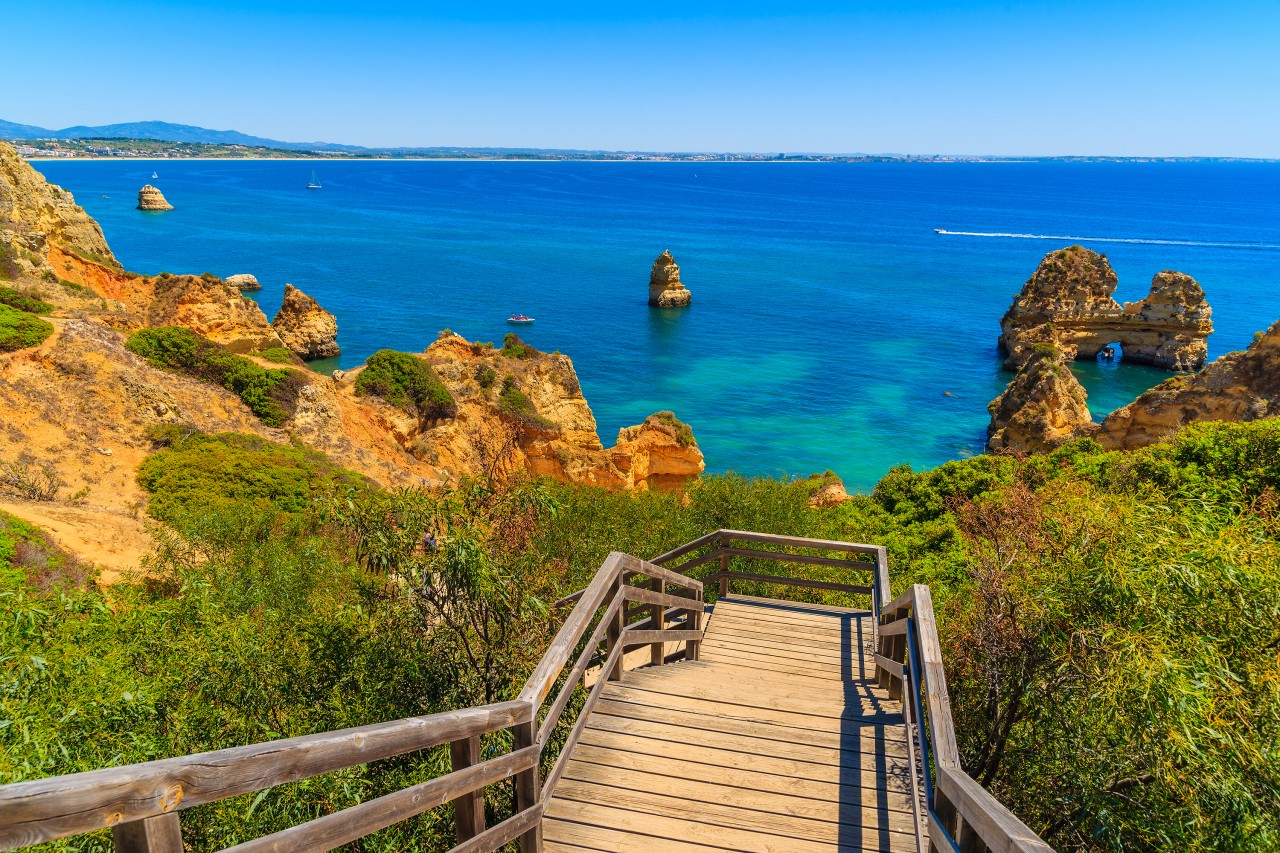
South of Dona Ana, Camilo is a small, cliff-backed beach reached by a long wooden staircase, with clear-water views that make the descent tempting. Check current access conditions before committing to a beach visit, and remember that every step down must be climbed again; the upper viewpoints are a worthwhile alternative when access permits.
04Lagos Old Town and Praça Gil Eanes
Whitewashed façades, patterned paving and sections of historic walls give the old town its character, while Praça Gil Eanes makes a useful starting point for exploring on foot. Continue toward Praça Luís de Camões and the streets around Rua 25 de Abril, taking this walk before lunch rather than during the hottest part of the afternoon.
05Igreja de Santo António and Museu de Lagos Dr. José Formosinho
Behind a comparatively restrained exterior, Santo António contains richly gilded woodcarving and painted decoration; the church was rebuilt after the 1755 earthquake. Visits are normally made through the adjoining museum, so check its opening arrangements and allow time for the local archaeological and historical collections rather than treating this as a quick church stop.
06Forte da Ponta da Bandeira
Built in the late 17th century beside the waterfront, this compact fort helped defend the entrance to Lagos’s harbour. Its moat and drawbridge are easy to appreciate from outside; check whether the interior is open before planning around the upper-level views, and pair the stop with nearby Praia da Batata.
07Mercado de Escravos Museum
On Praça do Infante, this museum examines Lagos’s role in the trade in enslaved Africans, including the documented sale of captives in the town in 1444. The present building is later than that event, so visit for the interpretation rather than expecting an intact 15th-century market, and give this difficult history time instead of making it a passing photo stop.
08Mercado Municipal de Lagos
On Avenida dos Descobrimentos, the municipal market offers a working glimpse of local food culture, with fish counters and stalls selling produce and regional ingredients. Go in the morning while trading is active, ask before photographing vendors and look for Algarve figs, almonds or oranges when available.
09Meia Praia
Extending east of the Bensafrim estuary, Meia Praia offers a broad sweep of sand that contrasts with the smaller, enclosed beaches south of town. It is a good choice for a longer shoreline walk or an unhurried beach afternoon; choose a designated access point and check swimming flags, as wind and sea conditions vary.
10Marina de Lagos
Across the pedestrian bridge from the town waterfront, the marina provides a different perspective on Lagos, with moored yachts, waterside cafés and views along the Bensafrim estuary. Combine it with the municipal market and a waterfront stroll, then pause for coffee here rather than adding another cross-town journey.
Plan with confidence
Plans change. Your options are clear.
Change dates without an extra change charge when available, and cancel early for a refund or travel credit. Our team confirms every detail before you pay.

Travel with Portugal Magik
Explore Portugal in a Mercedes-Benz V-Class
For smaller groups, a private V-Class offers a comfortable way to travel between places, with an English-speaking driver, door-to-door pickup and a flexible itinerary planned with our team. Vehicle choice depends on your group and availability.
Plan a personalized journey →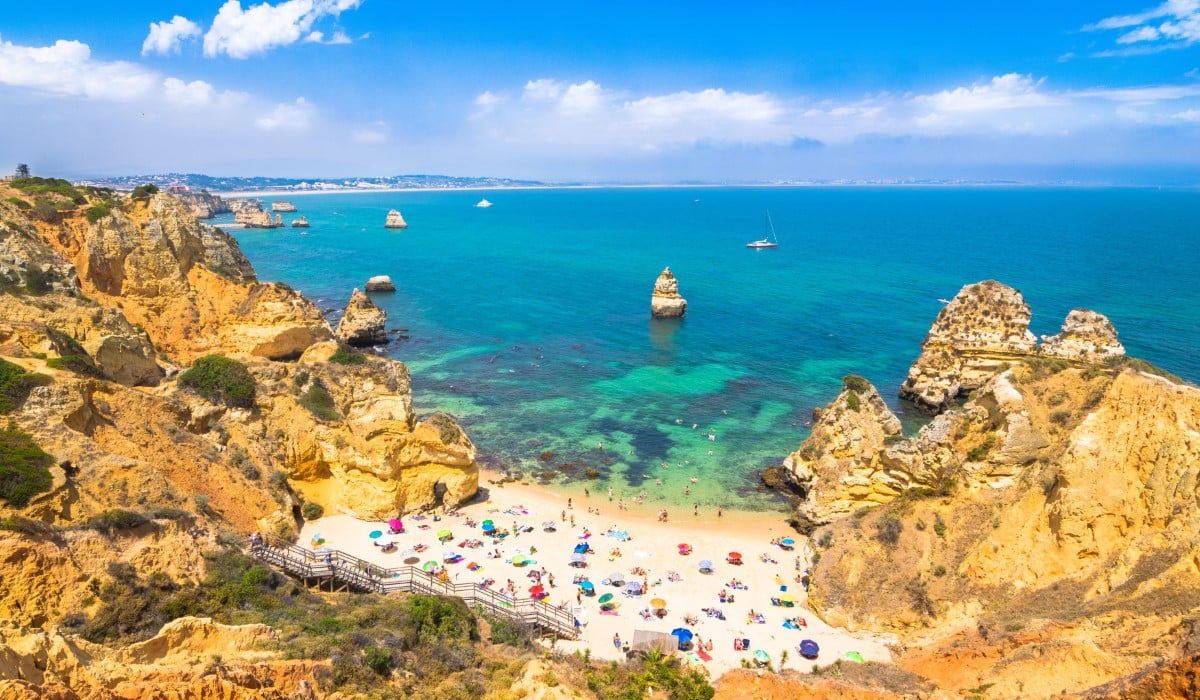
Combine the Lagos highlights into a relaxed private route
For one full day starting in Lagos, choose six or seven stops rather than trying to inspect all ten. Begin at the municipal market, cross to the marina if you fancy a short waterfront walk, then explore the old town. Choose either the Santo António church and museum complex or Mercado de Escravos for a substantial indoor visit, adding the fort if its opening arrangements suit your timing.
Leave a proper lunch break. A local restaurant might serve grilled sardines in season, octopus or cataplana de peixe e marisco, the Algarve’s fish-and-shellfish preparation cooked in a hinged copper-style vessel. Cataplana is often priced for two and may take time to prepare, so ask before ordering if you have afternoon plans.
After lunch, your Portugal Magik English-speaking driver can take you toward Dona Ana and Ponta da Piedade. Add Camilo only if the stairs, access conditions and remaining time suit you. Your driver can coordinate convenient pickup points, but beach staircases, pedestrian streets and coastal paths still require walking.
Two nights in Lagos give you a more comfortable way to cover the full list: spend your first afternoon around the old town, market and marina, then dedicate the next day to the museums and southern headland. Keep Meia Praia for a spacious beach interval rather than squeezing it between timed visits. Ask Portugal Magik for a personalized private multi-day itinerary built around your preferred balance of history, walking and coast.
From Lisbon, Lagos is roughly 300 km by road; allow around three to three and a half hours of driving before breaks or significant traffic. That makes an overnight stay more rewarding than a rushed return day trip. Faro Airport is roughly 90 km away, usually around an hour to an hour and a quarter by road, depending on conditions.
Portugal Magik offers private Mercedes-Benz transfers and private day or multi-day tours with an English-speaking driver, door-to-door pickup and flexible itineraries. For smaller groups, a private Mercedes-Benz V-Class is a comfortable option for the Lisbon–Lagos journey or airport transfer, subject to availability. Request a personalized quote with your pickup address, group size and luggage details so the vehicle and route can be planned appropriately.
Best time to visit Lagos and practical insider tips
May, June, September and early October usually offer a good balance of pleasant walking weather and manageable crowds. July and August bring the busiest beaches and stronger demand for accommodation and restaurants; put exposed coastal walks early in the day and keep the middle hours for lunch or indoor visits. The Atlantic can feel cool even when the air is hot.
Winter works well for old-town wandering and coastal views between rain showers, but daylight is shorter and some businesses operate reduced hours. Avoid exposed headlands in strong winds, and never approach the cliff edge for a photograph. Check local warnings and beach access notices in every season, particularly before planning time at Camilo.
Wear shoes with grip: polished paving in the centre can be slippery when wet, and beach staircases require more effort than the map suggests. Carry water, sun protection and a light layer for the coast. Families with pushchairs and travellers with limited mobility should discuss walking distances and step-free alternatives before finalizing the route.
Check museum opening days close to your visit rather than assuming every attraction opens daily. For swimming, use lifeguarded areas when operating and obey beach flags; apparently calm water is not a guarantee of safe conditions. Stay back from cliff bases even if they offer tempting shade.
To keep the day genuinely relaxed, tell Portugal Magik which two or three Lagos highlights matter most to you. A personalized private tour can then prioritize those places, with flexible time for a longer lunch, a viewpoint pause or less walking.