10 things you can't miss in Comporta
These 10 things you can't miss in Comporta take you from rice fields and fishermen’s walkways to Atlantic beaches and Roman ruins. This Comporta travel guide covers the village and its wider coastal surroundings, with practical advice for exploring without turning a quiet escape into a checklist.
10 things you can't miss in Comporta: where to go
01Comporta village
Whitewashed buildings, blue-painted details and small shops make the village a pleasant introduction to a landscape shaped by rice farming and fishing. Explore around Rua do Comércio before lunch, when you can browse without sacrificing the best beach hours; some shops keep seasonal opening times.
02Praia da Comporta
A few kilometres from the village, this broad Atlantic beach combines pale sand, dunes and established beach restaurants. Arrive in the morning for a quieter walk, use the designated dune crossings and check the lifeguard flags before swimming—the ocean is not always as gentle as it looks.
03Comporta’s rice fields
The paddies surrounding the village are working agricultural land, not merely a scenic backdrop, and their changing colours are central to Comporta’s identity. Look for views from public roads and paths during the growing season, generally spring through summer, but never enter fields or block farm access for a photograph.
04Cais Palafítico da Carrasqueira
About 7 km from Comporta village, this fishing harbour uses wooden walkways and stilts to reach across the Sado estuary’s tidal mudflats. Low tide reveals its unusual structure most clearly, while higher water changes the reflections; check tide times and respect working fishermen, uneven boards and any access restrictions.
05Carvalhal village
Roughly 10 km south of Comporta, Carvalhal offers another small village centre among rice fields, with cafés, restaurants and independent shops. Stop here before continuing towards the coast, particularly if you want a coffee or a short browse away from the sand; check individual business hours outside summer.
06Praia do Carvalhal
Beyond Carvalhal village, this long beach is one of the area’s best-known places for combining an Atlantic walk with lunch overlooking the sand. Reserve a beach restaurant ahead for summer weekends, and leave time for the boardwalk approach rather than treating lunch as a quick roadside stop.
07Praia do Pego
South of Praia do Carvalhal, Pego is another celebrated stretch of the same expansive coastline, with dunes and an open Atlantic horizon. It is particularly rewarding for a late-afternoon walk, but bring a light layer for the breeze and confirm restaurant opening hours before planning dinner around sunset.
08Roman Ruins of Tróia
Around 25 km north of Comporta village, this archaeological site preserves part of a major Roman fish-salting production centre, including tanks used to process fish and sauces. It adds historical depth to a beach-focused visit; check current opening dates and guided-visit arrangements before travelling, as access is scheduled rather than unrestricted.
09Praia de Tróia-Mar
At the northern end of the Tróia peninsula, this beach faces towards the Arrábida landscape across the water and offers a different outlook from Comporta’s more exposed Atlantic shore. Combine it with the Roman ruins rather than making a separate journey, and stay within designated swimming areas instead of assuming estuary-side water has no currents.
10Alcácer do Sal Castle
About 30 km inland from Comporta, the castle hill overlooks the Sado River and the terracotta roofs of one of the region’s most distinctive historic towns. Part of the complex houses a pousada, so focus on accessible exterior areas and viewpoints, then walk down towards the river; wear shoes with grip for the sloping streets.

Plan with confidence
Plans change. Your options are clear.
Change dates without an extra change charge when available, and cancel early for a refund or travel credit. Our team confirms every detail before you pay.
Travel with Portugal Magik
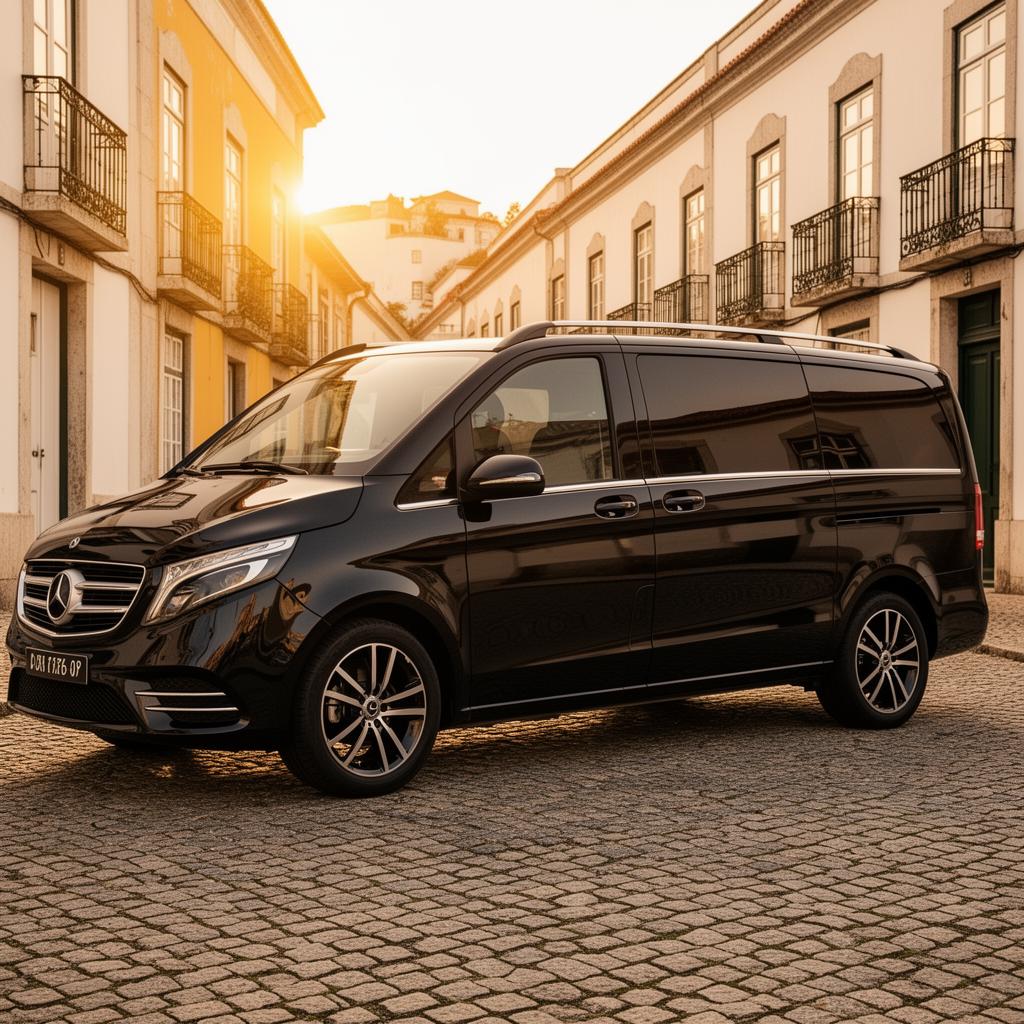
Explore Portugal in a Mercedes-Benz V-Class
For smaller groups, a private V-Class offers a comfortable way to travel between places, with an English-speaking driver, door-to-door pickup and a flexible itinerary planned with our team. Vehicle choice depends on your group and availability.
Plan a personalized journey →How to combine the Comporta highlights without rushing
A relaxed private day from Lisbon should focus on three or four stops, not all ten. Comporta is roughly 120 km from Lisbon by road, usually around 1½–2 hours each way depending on your pickup point and traffic. Portugal Magik offers private day tours with an English-speaking driver, door-to-door pickup and a flexible itinerary, making it straightforward to leave room for a long lunch or an unplanned beach walk.
For a first visit, travel to Comporta village for a short stroll, pause for rice-field views where stopping is safe and permitted, then continue to Praia da Comporta for lunch and time by the sea. Finish at Carrasqueira, adjusting the order if a particular tide matters more to you than late-afternoon light. Ask Portugal Magik for a personalized route around your Lisbon address and preferred pace.
If beach time is the priority, swap Praia da Comporta for Carvalhal village and either Praia do Carvalhal or Praia do Pego. Visiting all three beaches in one afternoon usually means more arriving and leaving than enjoying the coast. Restaurant reservations and realistic lunch timings make more difference here than squeezing in another stop.
For two days, devote the first to Comporta village, the rice fields, Carrasqueira and Praia da Comporta. Spend the second around Carvalhal and Pego, choosing one beach for an extended stay. With a third day, add the Roman ruins and Praia de Tróia-Mar; Alcácer do Sal works well as a separate inland visit or a stop on the road journey to or from Lisbon, provided you allow time for the uphill walk.
For smaller groups, a private Mercedes-Benz V-Class is a comfortable option for the Lisbon journey and local touring, subject to availability. Portugal Magik can provide private Mercedes-Benz transfers or private day and multi-day tours with an English-speaking driver; accommodation, restaurant visits and attraction access should be planned separately. Request a personalized quote that distinguishes a direct transfer from a touring itinerary with sightseeing stops.
Best time to visit and practical insider tips
Late May, June and September generally offer the most appealing balance of beach weather and a less crowded atmosphere than peak summer. July and August bring the busiest restaurants and beach access areas, especially at weekends. Warm weather is possible outside these months, but the Atlantic stays cool and sunshine is never guaranteed.
Spring is particularly good for village walks, birdwatching around the estuary and exploring Alcácer do Sal without midsummer heat. Autumn and winter suit travellers who enjoy quiet beaches and changing coastal light, although some restaurants, shops and visitor sites operate reduced hours or close seasonally. Confirm opening arrangements rather than relying on summer listings.
Let the tide guide your Carrasqueira stop. Exposed mud gives a clear view of the stilt construction, whereas higher water creates a very different scene; neither is inherently the wrong time to visit. This is a working harbour with uneven surfaces, so it is not an ideal place for anyone who needs consistently smooth, step-free access.
Pack sunscreen, a hat, a windproof layer and insect repellent, particularly for evenings near the rice fields. Respect dune vegetation and agricultural boundaries, and use established beach access routes. Atlantic surf and currents deserve attention even on a hot, apparently calm day.
For lunch, look for arroz de lingueirão, a razor-clam rice dish associated with Portugal’s coast, or simply grilled fish when available. Ask how fish is priced before ordering, as larger specimens may be charged by weight. Book summer beach lunches ahead and tell your driver about the reservation so the day remains unhurried.
Share your priorities with Portugal Magik before choosing the route: swimming, photography, archaeology and a leisurely lunch each call for different timings. A personalized private itinerary is most useful here when it protects your downtime rather than filling every hour.