10 things you can't miss in Castelo de Vide
The 10 things you can't miss in Castelo de Vide reveal a compact Alentejo town of castle walls, Jewish heritage, granite fountains and mountain views. Give its steep lanes time, and combine the historic centre with a carefully chosen countryside stop rather than trying to see everything at once.
Your list: 10 things you can't miss in Castelo de Vide
01Castelo de Castelo de Vide
The castle crowns the town, with medieval fortifications shaped by the strategic importance of Portugal’s nearby frontier with Spain. Explore the enclosed upper settlement as well as the defensive walls to understand how the town grew down the hillside. Visit early for cooler climbing conditions, and check which ramparts and interior spaces are accessible that day.
02Judiaria de Castelo de Vide
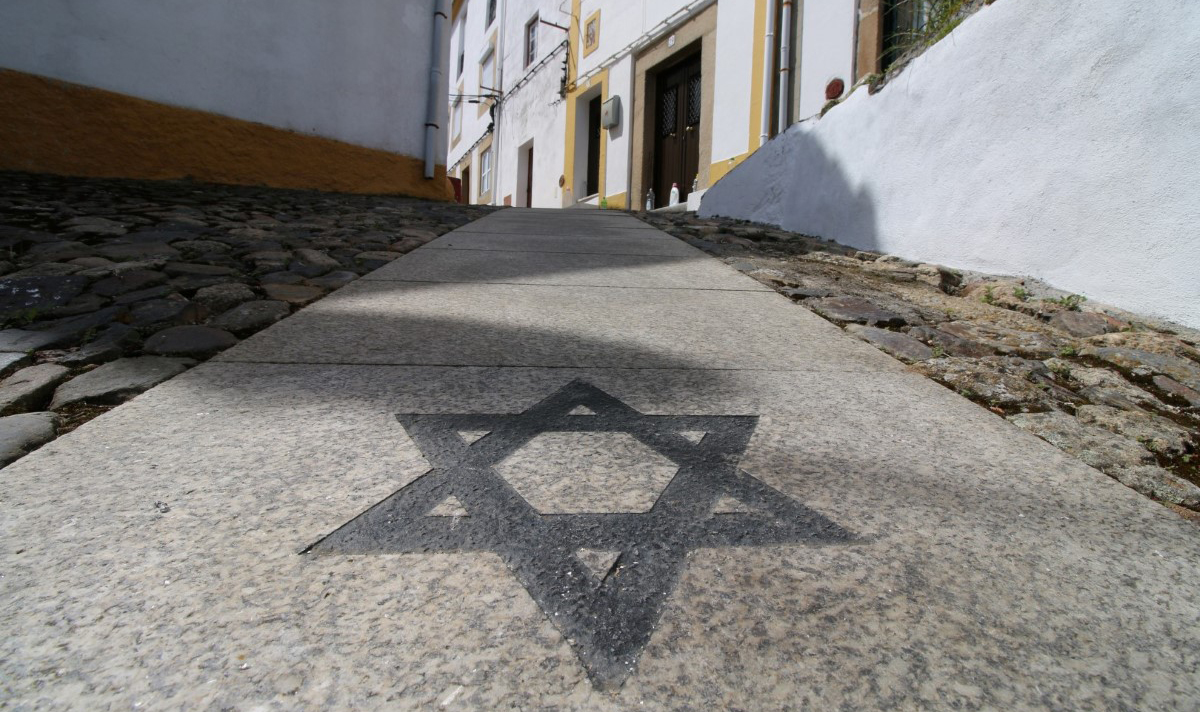
The former Jewish quarter spreads along the sloping streets below the castle, particularly around Rua da Judiaria and Rua da Fonte. Its granite doorways and tightly packed houses preserve the setting of a community whose history was profoundly disrupted by Portugal’s 1496 expulsion decree and the forced conversions that followed. Walk downhill from the castle towards Fonte da Vila, pausing at carved door surrounds rather than treating the quarter as a quick passage between monuments.
03Sinagoga de Castelo de Vide
The building identified as the town’s medieval synagogue now houses a museum interpreting local Jewish life and religious practice. It gives essential context to the surrounding streets, which cannot tell the community’s story through architecture alone. Check current opening hours before planning your castle walk around a visit, and leave time to read the displays rather than simply photograph the interior.
04Fonte da Vila
This distinctive Renaissance fountain stands in Largo Dr. Frederico Laranjo, below the Jewish quarter, beneath a roof supported by marble columns. Its position makes it a useful landmark between the medieval lanes and the lower town. Step back across the square to appreciate the whole structure, but do not assume that historic fountain water is currently suitable for drinking.
05Igreja de Santa Maria da Devesa
Dominating Praça de D. Pedro V, this substantial parish church offers a striking contrast to the narrow streets above; construction began in 1789. The square is a natural place to pause and take in the more spacious civic centre of Castelo de Vide. Check for services before entering, and use a nearby café break to rest before tackling another uphill stretch.
06Igreja de Nossa Senhora da Alegria
Inside the castle’s upper settlement, this small church rewards attention with its historic azulejo-lined interior. It is an intimate counterpoint to the fortifications outside and belongs naturally in the same walking circuit. Check whether it is open when you first reach the castle, since access to a small church should not be assumed throughout the day.
07Forte de São Roque
This seventeenth-century fortification reflects the defensive demands of the Portuguese Restoration War, which began in 1640. Its bastioned form tells a different military story from the medieval castle, making it particularly worthwhile for visitors interested in frontier history. Approach it as an exterior stop unless interior access has been confirmed, and allow time to look back towards the town.
08Ermida de Nossa Senhora da Penha
Set on the Serra de São Paulo above Castelo de Vide, this hilltop sanctuary is one of the best places to appreciate the town’s position in the surrounding landscape. The panorama makes more sense after you have walked the castle quarter and can pick out its landmarks. Ask your driver to confirm the closest practical stopping point, because the final approach includes steps and is not a step-free viewpoint.
09Menir da Meada
Around 12 kilometres north of Castelo de Vide, this prehistoric standing stone rises more than seven metres above ground and shifts the story far beyond medieval Portugal. Its rural setting is part of the appeal, but it is a separate excursion rather than an extension of the town walk. Confirm access conditions before setting out, wear shoes suitable for uneven ground and bring water, especially in summer.
10Parque Natural da Serra de São Mamede
Established in 1989, this protected landscape surrounds the wider Castelo de Vide–Marvão area with wooded hills, rocky ridges and habitats quite different from the open plains often associated with Alentejo. A short countryside extension gives welcome context to the town’s elevated setting. Choose one accessible scenic stop with your driver instead of assuming that a brief visit can cover the whole park.
Plan with confidence
Plans change. Your options are clear.
Change dates without an extra change charge when available, and cancel early for a refund or travel credit. Our team confirms every detail before you pay.

Travel with Portugal Magik
Explore Portugal in a Mercedes-Benz V-Class
For smaller groups, a private V-Class offers a comfortable way to travel between places, with an English-speaking driver, door-to-door pickup and a flexible itinerary planned with our team. Vehicle choice depends on your group and availability.
Plan a personalized journey →A relaxed private day, or a better-paced two-day route
For a day focused on the Castelo de Vide highlights, start with the castle and Nossa Senhora da Alegria, then walk down through the Judiaria to the synagogue museum and Fonte da Vila. Continue to Praça de D. Pedro V for Santa Maria da Devesa and an unhurried lunch. Museum opening hours may require reversing part of this sequence, so keep the order flexible.
Spend the afternoon on one or two outlying stops: Forte de São Roque followed by the Penha viewpoint, or Menir da Meada if archaeology is a priority. Trying to include every countryside stop as well as all the historic interiors would turn a pleasant day into a checklist. Ask Portugal Magik for a personalized itinerary that gives your preferred places enough time.
From Lisbon, allow roughly three hours each way, depending on the pickup address, route and traffic. A private day trip is possible, but it is a long day; two days are more comfortable if you also want Marvão, approximately 12 kilometres from Castelo de Vide. Spend the first day exploring Castelo de Vide, stay locally, then devote the second to Marvão and a selected stop in the Serra de São Mamede before returning to Lisbon or continuing your journey.
Portugal Magik offers private day and multi-day tours and transfers with an English-speaking driver, door-to-door pickup and flexible itineraries. A private Mercedes-Benz V-Class is a comfortable option for smaller groups on these longer journeys, subject to availability. Your driver can connect the more distant sights and arrange practical meeting points, although the steep historic lanes still require walking and vehicle access varies.
If you are continuing through Alentejo rather than returning to Lisbon, request a personalized transfer quote with time for agreed sightseeing stops. Building Castelo de Vide into a multi-day journey usually allows a gentler pace than making it a distant out-and-back excursion.
Best time to visit and practical insider tips
April to June and September to October generally offer the most comfortable conditions for exploring on foot. Spring brings greener countryside, while early autumn can still be warm enough for lunch outdoors. Conditions vary at elevation: carry a light layer for exposed viewpoints even when the lower town feels mild.
July and August can be very hot. Put the castle and Jewish quarter early in the day, reserve the hottest hours for lunch and any open indoor sights, and save Penha for later if conditions suit. Winter can be rewarding for quieter streets, but expect shorter daylight hours, possible rain and cold or windy conditions on the heights.
Easter is especially significant in Castelo de Vide, with distinctive local traditions including the Chocalhada, when bells sound through the streets on Holy Saturday. Check the current programme before travelling: religious events can change access, parking arrangements and the usual rhythm of a visit. Book accommodation ahead if your dates overlap the celebrations.
Footwear matters more than mileage here. Granite paving, steep gradients and steps make supportive shoes useful even for a short circuit; wet stone can be slippery. Tell Portugal Magik about mobility requirements before booking so your itinerary can favour manageable stops, while recognising that some historic areas cannot be reached directly by vehicle.
For lunch, look for regional dishes such as açorda alentejana or migas when available, and allow a proper break rather than fitting food between monuments. Restaurants and small museums may have weekly closures or midday breaks, so verify current schedules before finalising your route. This Castelo de Vide travel guide works best as a shortlist to personalise, not a promise that every door will be open on any particular day.
Frequently Asked Questions
Explore Castelo de Vide at your own pace
Request a personalized private tour or transfer quote from Portugal Magik, with door-to-door pickup and an English-speaking driver. Share your dates, group size and interests to shape a flexible Mercedes-Benz journey through Castelo de Vide and the surrounding Alentejo.