10 things you can't miss in Alcobaça
These 10 things you can't miss in Alcobaça connect a monumental medieval abbey with royal history, local ceramics and the surrounding municipality. Start with the monastery, leave time for the town itself, and choose a nearby village or coastal stop rather than rushing through everything.
Your guide to 10 things you can't miss in Alcobaça
The first three Alcobaça highlights are within the same monastery complex, not three separate journeys. The final two take you beyond the town into the surrounding municipality.
01Mosteiro de Alcobaça
Founded in 1153 by Portugal’s first king, Afonso Henriques, this Cistercian monastery became a UNESCO World Heritage Site in 1989; its immense Gothic church is the essential introduction to Alcobaça. Allow around two hours for the church and monastic rooms, and check current admission arrangements because access to the church and the paid visitor circuit can differ.
02Tombs of Pedro I and Inês de Castro
Inside the monastery church, these intricately carved 14th-century tombs commemorate King Pedro I and Inês de Castro, who was murdered in 1355 before Pedro became king. Walk around the monuments where permitted to examine their narrative reliefs, rather than viewing only the reclining figures; the carvings reward a slower look.
03Cloister of Silence and Monastic Kitchen
The medieval Cloister of Silence, associated with King Dinis, and the later kitchen reveal how the monastery functioned beyond its church, from contemplation to feeding a large religious community. Follow the visitor circuit through the refectory and kitchen, looking for the enormous chimney and the water channel that served the kitchen.
04Rossio and Praça 25 de Abril
The open space in front of the monastery gives you the clearest sense of its scale, with the long façade facing the everyday life of cafés and pastry shops. Return here after your interior visit for a different perspective, and try a cornucópia, a crisp pastry filled with egg cream closely associated with Alcobaça’s confectionery tradition.
05Castelo de Alcobaça
The ruined hilltop castle offers a contrasting view of the town, with the monastery’s size particularly striking from above. This is a short uphill detour rather than a furnished castle visit, so wear shoes with grip and confirm local access before setting out, especially after rain.
06Museu do Vinho de Alcobaça
Housed in a former winery, this museum explores the region’s wine production through historic equipment and a substantial collection connected with Portuguese winemaking. It lies outside the immediate monastery square, so ask your driver to include it as a separate stop and check visiting arrangements in advance rather than assuming walk-in access.
07Jardim do Amor
This small town-centre garden draws on the story of Pedro and Inês, carrying Alcobaça’s best-known royal romance into a contemporary public space. Treat it as a brief pause between larger sights, not a major garden excursion; it works particularly well when you want a quieter moment after the monastery.
08Museu Raul da Bernarda
Named for the local ceramics manufacturer, this museum introduces another side of Alcobaça through pottery associated with the town’s industrial and decorative heritage. Check its current opening schedule before making the detour, and look closely at the decoration to appreciate how different this local craft story is from the monastery’s austere stonework.
09Aljubarrota
Around 7 kilometres northeast of Alcobaça, this historic village has traditional streets and strong associations with the 1385 Portuguese victory over Castile and the legendary baker Brites de Almeida. Separate legend from geography: the battle itself took place near São Jorge, not in the village centre, so request a separate battlefield stop if military history is your priority.
10São Martinho do Porto
Roughly 20 kilometres by road from Alcobaça, this coastal town is known for its broad, shell-shaped bay and sheltered sandy beach. It makes a relaxed seaside extension after the inland monuments; allow time for a promenade walk, and remember that sheltered water still requires attention to conditions and lifeguard advice.

Trusted across Portugal and Spain
Journeys backed by 1,300+ verified reviews
Consistently five-star rated since 2012, Portugal Magik is a TripAdvisor Hall of Fame recipient. Our Portugal Ambassadors bring local knowledge, thoughtful service and dependable private travel to every journey.

Travel with Portugal Magik
Explore Portugal in a Mercedes-Benz V-Class
For smaller groups, a private V-Class offers a comfortable way to travel between places, with an English-speaking driver, door-to-door pickup and a flexible itinerary planned with our team. Vehicle choice depends on your group and availability.
Plan a personalized journey →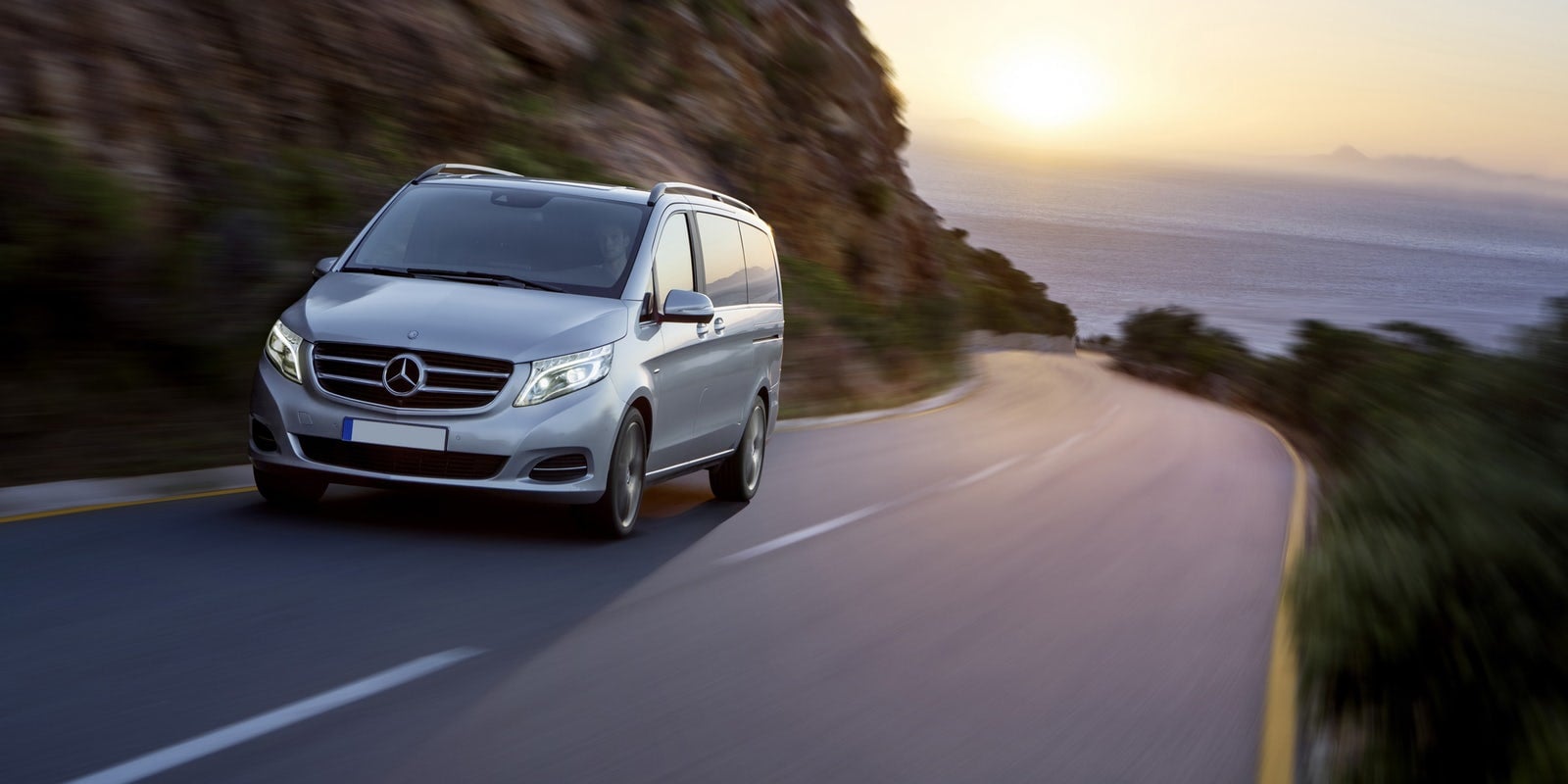
A relaxed private route from Lisbon
Alcobaça is roughly 125 kilometres by road from Lisbon, with a journey commonly taking around 90 minutes to two hours depending on pickup location and traffic. Portugal Magik’s private Mercedes-Benz tours and transfers offer door-to-door pickup and an English-speaking driver, so your day can be built around the places that interest you rather than a fixed checklist.
For a comfortable day trip, leave Lisbon in the morning and make the monastery your first substantial visit. Spend around two hours exploring the church, royal tombs, cloister and monastic rooms, then take an unhurried lunch near the Rossio. Add a pastry stop and either the Jardim do Amor or the castle viewpoint, depending on your energy and mobility.
Choose one main afternoon extension. The wine or ceramics museum suits visitors who want to stay focused on Alcobaça, subject to opening arrangements; Aljubarrota adds village streets and historical context. São Martinho do Porto is the better choice for a change of scenery and a coastal walk before returning to Lisbon. Trying to fit all three options into one afternoon would undermine the relaxed pace.
For two days, devote the first to Alcobaça’s monastery, town centre and one museum, then stay in Alcobaça or nearby Nazaré. On the second day, combine Aljubarrota with the Batalha Monastery for a history-led route, or explore Nazaré and São Martinho do Porto for a coastal route. Your Portugal Ambassador—a knowledgeable local English-speaking driver-guide from Portugal—can help shape a physically sensible itinerary around your interests and the day’s conditions.
Ask Portugal Magik for a personalized route with realistic time at each stop. A private Mercedes-Benz V-Class is a comfortable option for smaller groups on these journeys, subject to availability. Established in 2012, Portugal Magik has 1,300+ verified reviews and is consistently five-star rated.
Best time to visit and practical insider tips
April to June and September to October usually offer a pleasant balance for monastery visits, town walks and a coastal extension. Weather remains variable, particularly beside the Atlantic, so pack a light layer even when Lisbon feels warm. July and August bring stronger beach demand around São Martinho do Porto and Nazaré; a weekday visit can make the coastal portion more relaxed.
Winter can suit a monument-focused itinerary, but expect cooler interiors, possible rain and shorter daylight hours. Avoid building the day around an exposed viewpoint or beach walk without an indoor alternative. This Alcobaça travel guide works best as a menu of choices, not a requirement to complete all ten stops.
Visit the monastery earlier in the day if you prefer a quieter atmosphere, while recognising that group arrivals vary. Check official opening hours, last admission and any worship-related restrictions shortly before travelling. Confirm museum schedules separately: smaller museums should not be treated as interchangeable, always-open afternoon stops.
Wear comfortable shoes for stone floors and uneven surfaces. The monastery church is a place of worship, so dress respectfully and follow current photography instructions. Visitors with reduced mobility should discuss the walking involved before finalising the route, particularly for the castle hill and older village streets.
For a local food break, look for cornucópias and other egg-rich convent-style sweets in the centre. Alcobaça is also associated with Maçã de Alcobaça IGP apples; if you see them identified on a menu or in a shop, they offer a less sugary taste of the region. Keep lunch flexible enough to enjoy it rather than squeezing it between monument deadlines.
Share your preferred walking pace and whether your priority is architecture, food, ceramics or the coast when requesting a personalized Portugal Magik itinerary. Those details are more useful than simply adding more stops.
Your route
Direct or with stops
Tell us where you would like to pause along the way and we shape the day around it.
Request a proposal →Your pace
One day or several
Spread the journey over a few days with overnight suggestions from our team.
Request a proposal →Your Ambassador
A local by your side
An English-speaking driver-guide from Portugal in a private Mercedes-Benz.
Request a proposal →★★★★★ 1,300+ verified reviews · TripAdvisor Hall of Fame · Since 2012
Keep exploring
Related journeys and routes
10 things you can't miss in Belmonte
These 10 things you can't miss in Belmonte connect a medieval castle, a remarkable Jewish community and the family of Pedro Álvares Cabral. This Belmonte travel guide helps you choose meaningful stops, understand what you are seeing and leave enough time to enjoy this hillside town in Portugal's Beira Interior.
Read more →The top places to visit in Guimarães
The top places to visit in Guimarães connect Portugal’s early history with granite lanes, lively medieval squares and wooded hills above the city. This guide explains what deserves your time, what to combine on foot and how to build a comfortable private itinerary without rushing.
Read more →A local guide to sightseeing in Comporta
The pleasure of sightseeing in Comporta lies in its contrasts: Atlantic dunes, working rice fields, wooden fishing jetties and quiet village streets. This guide connects the places worth your time, with practical advice for exploring comfortably from Lisbon or staying a little longer.
Read more →Frequently Asked Questions
Personalized and without obligation
Speak with a travel designer
1,300+ five-star reviews · TripAdvisor Hall of Fame · Trusted since 2012 · Mercedes-Benz fleet