A guide to the traditional food of Peneda-Gerês
The traditional food of Peneda-Gerês reflects two northern Portuguese food cultures: the maize breads and pork dishes of Minho, and the rye, smoked meats and mountain beef of Barroso. Come hungry, but plan selectively: a village lunch, a bakery stop and a jar of local honey often make a better day than rushing between tables.
Traditional food of Peneda-Gerês: 10 dishes and products to try
Created in 1971, Peneda-Gerês National Park extends across parts of five municipalities: Melgaço, Arcos de Valdevez, Ponte da Barca, Terras de Bouro and Montalegre. Its food does not follow the park boundary neatly. These top dishes Peneda-Gerês visitors should know include local livestock products, recipes shared across northern Portugal and a sweet worth seeking in a gateway town.
01Cabrito assado
Roast kid goat is a mountain-table classic, usually seasoned with garlic, wine and aromatics, then oven-roasted, often with potatoes. It belongs to a wider northern Portuguese tradition rather than one village, and appears on tables around Terras de Bouro and the Barroso side of the park, particularly for Sunday and celebratory meals. Insider tip: ask ahead whether it needs advance ordering and whether the portion serves two; a slow roast is not always available on demand.
02Carne Barrosã DOP
This protected-origin beef comes from Barrosã cattle, the long-horned breed associated with the Barroso uplands around Montalegre and Boticas. Depending on the cut, it may appear grilled, roasted or in slow-cooked dishes. It is a product designation, not the name of a single recipe. Insider tip: if provenance matters to you, ask specifically whether the beef is certified Carne Barrosã DOP; a menu saying only “vitela” means veal, not necessarily this breed or protected origin.
03Carne Cachena da Peneda DOP
Beef from the small, long-horned Cachena cattle is closely associated with the Serra da Peneda and villages such as Sistelo, in Arcos de Valdevez municipality. A particularly satisfying local combination is cachena beef with arroz de feijão, a moist bean rice that absorbs the meat juices. Insider tip: look for the protected-origin wording and ask which cut is being served; the breed name alone does not tell you whether lunch will be a steak or a slower-cooked preparation.
04Arroz de cabidela
This northern Portuguese rice dish is usually made with chicken, with its blood and vinegar stirred into the cooking liquid to produce a dark, tangy finish. It is part of Minho’s rural cooking and may appear around Terras de Bouro, Ponte da Barca and Arcos de Valdevez. Insider tip: ask whether it is available that day before building lunch around it. Proper cabidela is a distinctive choice, not simply another chicken-and-rice dish, and it is unsuitable for anyone avoiding blood products.
05Rojões à minhota
Pork pieces cooked with garlic, wine and fat form the heart of this substantial Minho dish. Depending on the kitchen, accompaniments can include potatoes, blood sausage, cooked blood or other pork preparations. It is a good choice in the western gateway towns, including Ponte da Barca and Arcos de Valdevez. Insider tip: ask what comes with the rojões before ordering additional sides; the plate can be considerably more generous and varied than the short menu description suggests.
06Salpicão de Barroso-Montalegre IGP
This protected smoked pork sausage belongs to Barroso’s fumado tradition, developed around preserving pork through salting, seasoning, smoking and drying. Made with substantial pieces of pork rather than a finely minced filling, it is especially relevant around Montalegre and the eastern approaches to the park. Insider tip: when buying a whole sausage, ask about storage and serving instructions for that particular product. If taking it abroad, check your destination’s meat-import rules before purchasing.
07Broa de milho
This dense northern Portuguese bread combines maize flour with rye or wheat flour in proportions that vary by baker. Its firm crust and slightly crumbly interior suit caldo verde, pork dishes and grilled meats. It is particularly at home on the Minho side of the park, where maize cultivation also helps explain the raised grain stores seen at Soajo and Lindoso. Insider tip: buy a small portion first if available; broa is filling, and its texture is quite different from a light wheat loaf.
08Pão de centeio
Rye bread is a defining staple of the colder Barroso uplands, where rye has long been suited to mountain farming. Typically substantial and sometimes pleasantly sour, it is eaten with smoked meats, cheese or the juices from a hearty main course around Montalegre and surrounding villages. Insider tip: ask whether the loaf is entirely rye or a mixture, and when it was baked. For a simple tasting, compare it with broa rather than treating the two breads as interchangeable.
09Mel das Terras Altas do Minho DOP
This protected honey comes from the northern uplands, with heather an important part of its floral character. It connects naturally with the Peneda and Soajo mountain landscapes and makes a useful alternative to another large meal. Enjoy it with bread or cheese, or take home a labelled jar. Insider tip: check the producer and protected-origin information rather than assuming every jar sold near the national park is locally produced or carries DOP certification.
10Charutos dos Arcos
These rich, cigar-shaped sweets are associated with Arcos de Valdevez and its conventual confectionery tradition. Egg yolks and sugar are central to their character, making them a distinctly different finish from the park’s rustic breads and smoked meats. Seek them in pastry shops in Arcos de Valdevez rather than expecting every mountain village to stock them. Insider tip: have one with an unsweetened coffee, and ask how best to transport any extras; these are delicate sweets, not sturdy walking snacks.

Plan with confidence
Plans change. Your options are clear.
Change dates without an extra change charge when available, and cancel early for a refund or travel credit. Our team confirms every detail before you pay.

Travel with Portugal Magik
Explore Portugal in a Mercedes-Benz V-Class
For smaller groups, a private V-Class offers a comfortable way to travel between places, with an English-speaking driver, door-to-door pickup and a flexible itinerary planned with our team. Vehicle choice depends on your group and availability.
Plan a personalized journey →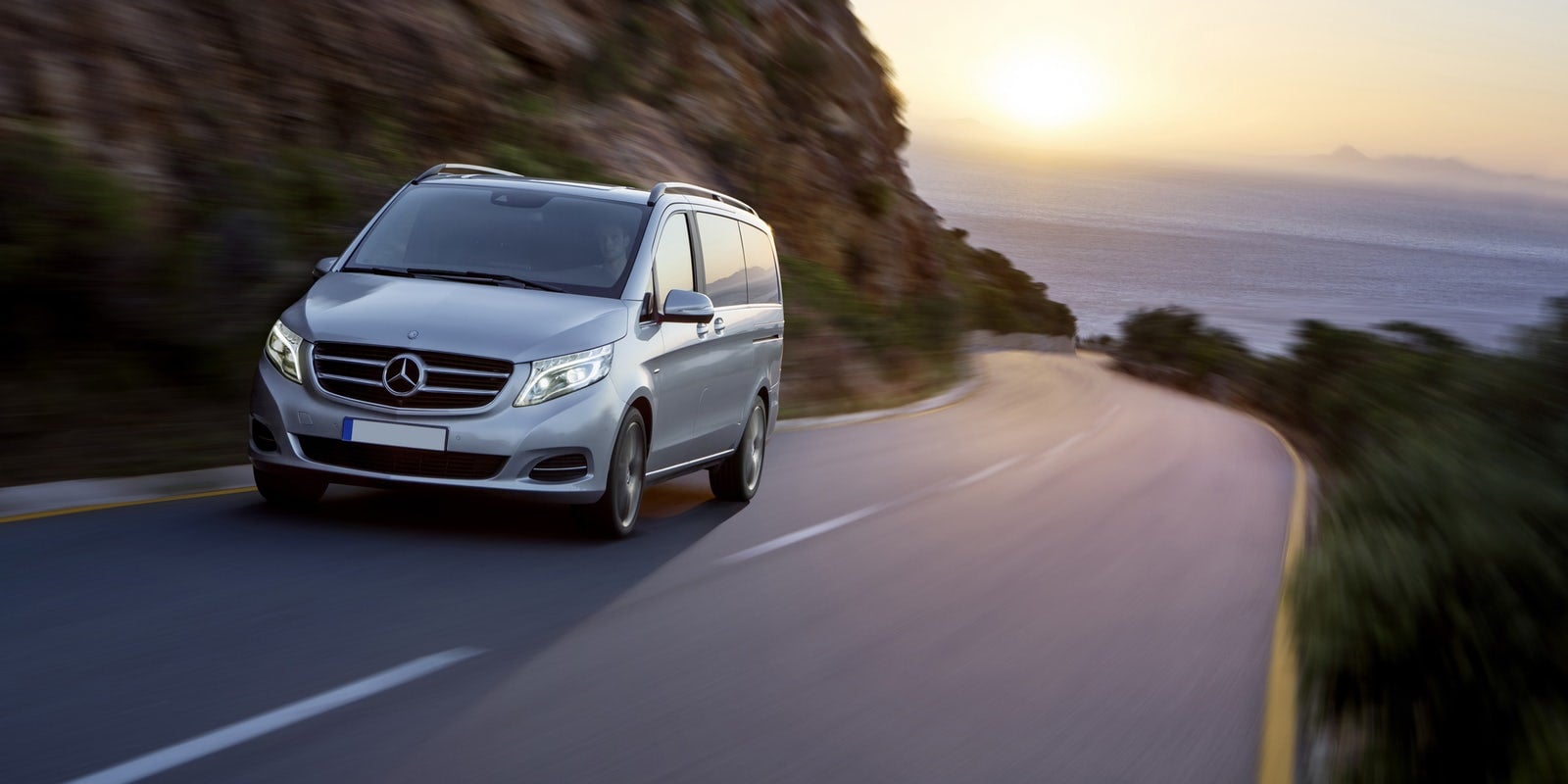
How a private day connects towns, landscapes and lunch
The most rewarding answer to what to eat in Peneda-Gerês starts with choosing one side of the park. Mountain roads take time, and trying to cover Arcos de Valdevez, Gerês and Montalegre around several sit-down meals leaves little room to enjoy any of them.
For the western side, build a day around Arcos de Valdevez, Soajo and Lindoso. Start with coffee and charutos in Arcos, continue towards Soajo for its granite village setting and espigueiros, then make one unhurried lunch the centre of the day. Cachena beef is a relevant dish to ask about in this area. Lindoso adds another view of the region’s grain-storage heritage, while a shop stop can provide bread or labelled honey to take away. These villages are close enough for a coherent regional itinerary, but opening hours and meal availability still need checking.
For a Minho-focused day, combine Terras de Bouro and Vila do Gerês with lunch featuring cabrito, rojões or cabidela, according to the day’s menu. For Barroso beef, rye bread and smoked meats, give Montalegre and its surroundings their own day instead of treating them as a quick detour from the western valleys.
Portugal Magik offers private day and multi-day tours with an English-speaking driver, door-to-door pickup and flexible itineraries. A private Mercedes-Benz V-Class is a comfortable option for smaller groups on these journeys, subject to availability. Ask for a personalized route built around one main lunch and a few well-chosen stops; specific dishes and shop openings should always be confirmed separately.
From Lisbon, Vila do Gerês is roughly 400–450 km by road, depending on the route, so this is better approached as a multi-day northern Portugal journey than a food-focused day trip from the capital. Request a private Mercedes-Benz transfer or a multi-day tour quote if you would like to connect Lisbon with a longer stay near the park.
Wine pairings and table etiquette in Peneda-Gerês
On the Minho side, start with Vinho Verde DOC, remembering that the name covers whites, reds and rosés—not just light, slightly spritzy white wine. A Loureiro-based white from the Lima area is a refreshing partner for bread, mild cheese and lighter starters. An Alvarinho from Monção e Melgaço, north of the park, offers more weight for richer dishes; these are neighbouring wine-country connections, not a claim that every bottle comes from inside the national park.
For rojões or cabidela, consider a red Vinho Verde made with Vinhão. Its pronounced acidity and firm character suit fatty pork and strongly flavoured food, though it will not appeal to everyone. Ask for a small taste if offered. With roast kid or Barrosã beef, a red from Trás-os-Montes or the Douro is another sensible choice. For charutos dos Arcos, coffee may be the most satisfying finish; if choosing wine, a sweet style is a better match than a dry white.
At the table, bread, olives, cheese or smoked meats placed before you are often a paid couvert rather than part of the main-course price. Ask what is charged and decline anything you do not want before eating it. Check whether a dose is intended for sharing and whether a meia dose is available; portion sizes vary considerably.
Lunch service often centres on approximately 12:00–15:00, and smaller village kitchens may have shorter hours or close on particular weekdays. Reserve ahead for weekends and ask about slow-cooked dishes when booking. Explain allergies clearly: broa often contains wheat or rye, cabidela contains blood, and some pork plates include offal or blood-based accompaniments.
Tipping is discretionary, not a fixed percentage requirement. A modest amount for attentive service is appreciated. Keep wine tasting measured, drink water alongside it and let your English-speaking driver handle the journey between stops. When requesting your personalized itinerary, mention dietary needs and whether wine with lunch matters more to you than additional sightseeing.