A guide to the traditional food of Ericeira
The traditional food of Ericeira brings together Atlantic fish, shellfish, almond pastries and the rustic bread of neighbouring Mafra. This guide distinguishes local specialities from Portuguese coastal favourites, with practical advice on ordering, seasonality and pairing your lunch with wine.
The traditional food of Ericeira: 10 tastes to know
Among the top dishes Ericeira serves, simplicity often wins: grilled fish, a pot of seafood rice, or shellfish that needs little more than careful cooking. Not everything below originated here; some are local specialities, while others belong to the wider Portuguese coastal repertoire and are well worth trying in this fishing town.
01Caldeirada de peixe
This Portuguese fishermen’s stew brings together pieces of different fish with potatoes, onions, tomatoes and peppers. Its roots lie in coastal cooking rather than one town, and it makes a fitting lunch around Ericeira’s old centre. The fish varies with the kitchen and market supply. Insider tip: ask which species are in that day’s caldeirada and whether it is prepared for a minimum of two people; expect bones rather than neat fillets.
02Sargo grelhado
White seabream, usually grilled whole and simply seasoned with salt, is a good introduction to the fish associated with Portugal’s rocky Atlantic coast. In Ericeira, it commonly appears alongside boiled potatoes and vegetables or salad. It is a Portuguese coastal staple, not an exclusively local recipe. Insider tip: check whether the menu price is per kilogram, then agree on the fish’s weight and approximate total cost before it goes to the grill.
03Sardinhas assadas
Grilled sardines are a Portuguese summer tradition, especially associated with the June popular-saints festivities. Served with bread, potatoes and often a roasted-pepper salad, they suit an informal Ericeira lunch. Availability and quality depend on the fishing season and supply; sardines should not be treated as a guaranteed year-round fresh catch. Insider tip: ask whether they are fresh or frozen, and let a slice of bread catch the juices beneath the fish.
04Arroz de marisco
This brothy Portuguese seafood rice typically combines rice, a tomato-and-onion base and assorted shellfish, with coriander often added before serving. Prawns, clams, mussels or crab may appear, but the combination depends on the kitchen. It is widely eaten in coastal Portugal and is a satisfying shared main course in Ericeira. Insider tip: ask how many people the portion serves and eat it promptly; the rice keeps absorbing broth as it sits.
05Polvo à lagareiro
Octopus finished with generous olive oil and garlic, usually accompanied by batatas a murro, or lightly crushed roast potatoes, is a familiar Portuguese dish served well beyond Ericeira. It offers a useful alternative for anyone who dislikes navigating fish bones. Look for it on traditional restaurant menus rather than assuming every seafood kitchen offers it. Insider tip: this is a substantial main course, so keep shellfish starters modest if you also want room for pastry.
06Percebes
Goose barnacles are a prized product of Portugal’s wave-battered rocky coastline. Usually boiled briefly in salted water, they are eaten for their briny flesh rather than with elaborate sauces. They belong to the broader Atlantic shellfish tradition and may appear in Ericeira’s marisqueiras when available. Insider tip: confirm the portion weight and price before ordering, and ask for a demonstration of how to peel the leathery stalk; the first attempt can release a surprisingly enthusiastic splash.
07Sapateira recheada
Dressed brown crab is a classic Portuguese marisqueira order. The shell holds a mixture based on crab meat and its edible interior, often enriched with ingredients such as mayonnaise, mustard or chopped egg; recipes vary considerably. Legs, claws and toast usually complete the plate. Insider tip: ask about the filling if you have egg or mustard allergies, and check whether the crab is priced by weight rather than as a fixed-price starter.
08Ouriços-do-mar
Sea urchins have a particularly strong gastronomic association with Ericeira. The edible part is the roe-like reproductive tissue inside the spiny shell, prized for its concentrated marine flavour. They may be served simply or incorporated into dishes, depending on the kitchen. Availability is seasonal and subject to supply and harvesting rules. Insider tip: ask about them before planning a meal around them, and specify ouriços-do-mar so there is no confusion with the town’s almond cakes.
09Ouriços de Ericeira
These small almond cakes are a genuine local pastry speciality, made with almonds, sugar and eggs. Despite their name, they contain no sea urchin: they belong beside an espresso in a pastelaria, not on a seafood platter. Their almond flavour makes them a distinctive edible souvenir from the town. Insider tip: buy one to taste before ordering a box, and ask how best to store the remainder for your journey.
10Pão de Mafra
From neighbouring Mafra, roughly 10 kilometres inland from Ericeira, this rustic bread is known for its substantial crust and moist, irregular crumb. Traditionally associated with wheat flour and often a proportion of rye, it accompanies meals across the municipality and is sold in bakeries. Insider tip: ask when the next batch comes out, and buy a smaller loaf if you will eat it that day; bread makes a practical final stop before returning to Lisbon.
Plan with confidence
Plans change. Your options are clear.
Change dates without an extra change charge when available, and cancel early for a refund or travel credit. Our team confirms every detail before you pay.

Travel with Portugal Magik
Explore Portugal in a Mercedes-Benz V-Class
For smaller groups, a private V-Class offers a comfortable way to travel between places, with an English-speaking driver, door-to-door pickup and a flexible itinerary planned with our team. Vehicle choice depends on your group and availability.
Plan a personalized journey →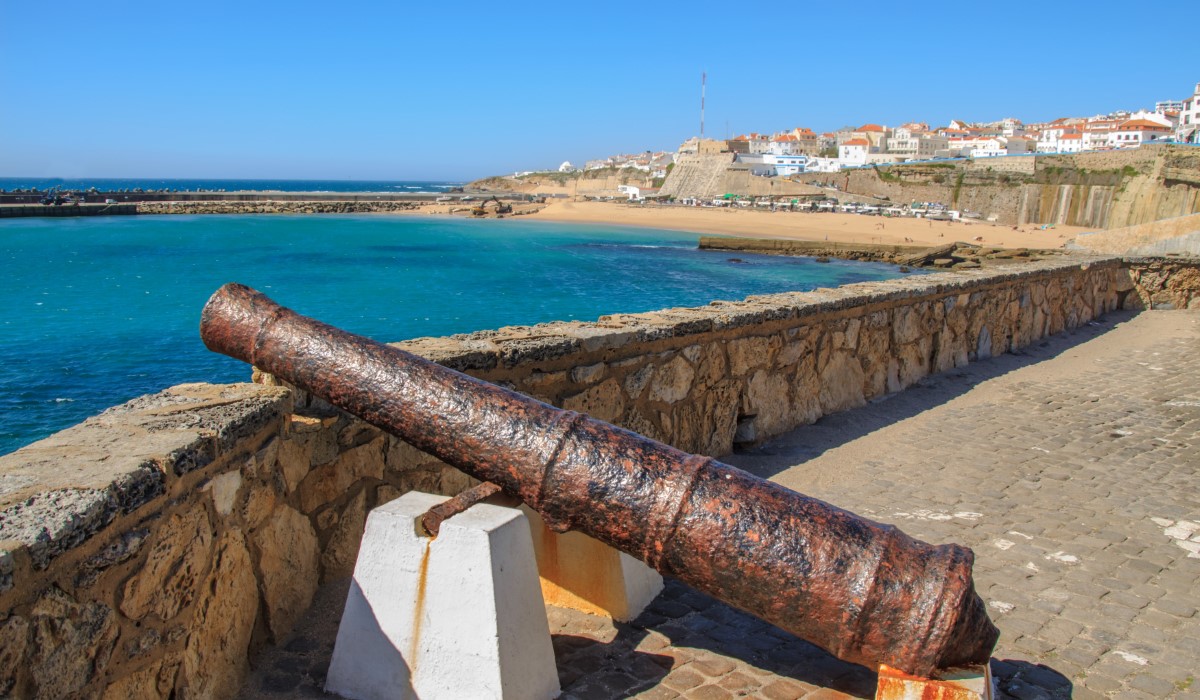
How a private day connects Ericeira, Mafra and the coast
Ericeira is approximately 50 kilometres northwest of Lisbon by road, making it practical for a day built around one unhurried seafood lunch. Rather than trying to eat ten specialities in succession, choose a few contrasting tastes: Mafra bread, one shellfish starter, grilled fish or caldeirada, and an ouriço with coffee.
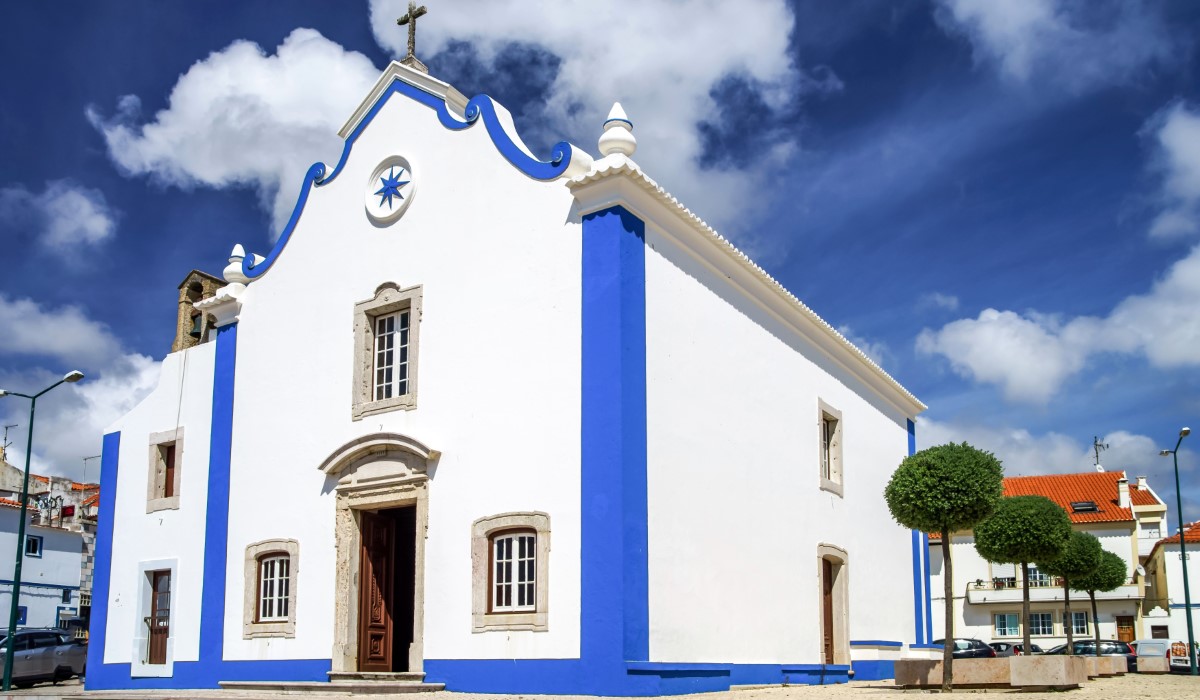
A sensible route starts with door-to-door pickup in Lisbon and a morning stop in Mafra. Visit a bakery, then allow time for the town or its monumental palace complex, whose construction began in 1717. Continue roughly 10 kilometres to Ericeira, walk through the whitewashed old centre and towards Praia dos Pescadores, and settle in for lunch. A view of the fishing harbour gives useful context, but it does not establish where a restaurant’s fish was landed: ask what is fresh and where it came from.
For a longer day, Colares can add a wine-country dimension south of Ericeira, near Sintra. Treat it as an alternative afternoon focus rather than an automatic extra: a proper lunch, coastal traffic and any independently arranged wine visit all need time. Winery opening hours, appointments and tasting availability should be checked separately.
Portugal Magik offers private day and multi-day tours, plus private Mercedes-Benz transfers, with an English-speaking driver, door-to-door pickup and flexible itineraries. For smaller groups, a private Mercedes-Benz V-Class is a comfortable option for this journey, subject to availability. Share your food priorities when requesting a personalized itinerary, whether that means seasonal shellfish, a relaxed family lunch or extra time in Mafra.
If you are staying in Ericeira rather than visiting for the day, request a personalized transfer quote from Lisbon or the airport. You can make the journey comfortably without turning your arrival day into a packed sightseeing schedule.
Wine pairings and food etiquette in Ericeira
For percebes and simply served shellfish, choose a dry white with lively acidity. An Arinto-based wine from Bucelas, another historic wine area north of Lisbon, is a useful regional choice. A Loureiro or Alvarinho from Vinho Verde also works well, although those wines come from northern Portugal rather than Ericeira’s surroundings.
With grilled sargo, consider a dry white from the Lisboa wine region. A Colares white made from Malvasia de Colares can be an interesting coastal pairing when available; it is a small-production wine, so check the bottle price rather than assuming it is an everyday house option. For tomato-rich caldeirada or seafood rice, a dry rosé or a white with a little more body can sit comfortably alongside the sauce.
Sardines and olive-oil-rich octopus can also suit a lighter red served slightly cool. If you are curious about local wine geography, ask whether the list includes Colares Ramisco, but expect its structure and availability to differ from a simple, fruity house red. With an almond ouriço, coffee is the straightforward choice; a small glass of sweet Moscatel de Setúbal offers a richer pairing from south of Lisbon.
At the table, bread, olives, cheese or other small plates placed before you are usually couvert, not a complimentary welcome. You can decline them before eating; ask the price if it is unclear. Fish and shellfish may be sold by weight, so confirm the unit, selected weight and likely cost. A shared seafood dish may have a minimum number of diners.
Shellfish is often eaten with your hands, and it is perfectly reasonable to ask for crackers, picks or help opening it. Flag allergies clearly: seafood rice, stocks and sauces can contain ingredients not obvious from the dish’s name. Tipping is appreciated rather than compulsory; round up or leave an amount that reflects the service.
Tell Portugal Magik if you would prefer a leisurely lunch with wine and a later return. A flexible private itinerary gives the meal breathing room while your English-speaking driver handles the journey.