Discover the traditional food of Belmonte
The traditional food of Belmonte brings together sheep’s-milk cheese, slow-cooked meat, maize puddings and the generous cooking of Portugal’s Beira Interior. This guide explains what belongs to the town’s wider food region, what to order and how to connect a good lunch with nearby towns.
10 tastes of the traditional food of Belmonte
Belmonte’s table belongs to the wider Beira Interior and Serra da Estrela food landscape. These are regional dishes and products to seek out here and in neighbouring towns—not ten recipes invented within Belmonte itself. Availability changes with the season and the kitchen, so use this list to decide what to eat in Belmonte rather than expecting every menu to contain everything.
01Cabrito assado
Roast kid goat is a festive favourite across the Beiras and among the top dishes Belmonte visitors should look for. Garlic, wine, bay leaf and olive oil commonly flavour the meat, usually served with potatoes at a family Sunday lunch or a traditional restaurant. Tip: ask whether cabrito requires advance ordering; smaller kitchens may roast it only on selected days.
02Queijo Serra da Estrela DOP
This protected mountain cheese is made with raw sheep’s milk, salt and a thistle-based coagulant. It comes from the defined Serra da Estrela production area, not exclusively from Belmonte, and appears on regional cheese boards and family tables. Younger cheese can be wonderfully spoonable; mature versions are firmer. Tip: specify whether you want amanteigado or a more mature cheese before buying.
03Requeijão Serra da Estrela DOP
Made from the whey left after cheesemaking, this fresh dairy product offers a gentler taste of the Serra da Estrela region. Soft and moist, it is eaten at breakfast, as a snack or as dessert with pumpkin preserve. Tip: buy it close to the time you plan to eat it and keep it refrigerated; it is not a travel-hardy substitute for aged cheese.
04Enchidos da Beira Interior
Pork-based sausages are part of the region’s household-preserving tradition. Chouriça commonly contains seasoned pork and fat; morcela contains blood; farinheira combines flour, fat and seasonings. They appear on starter boards, in cooked dishes and at traditional meals around Belmonte. Tip: ask which varieties are served cooked, and remember that farinheira is neither vegetarian nor suitable for a gluten-free diet.
05Bucho recheado
A stuffed pig’s stomach associated particularly with the Sabugal area and the wider Beira Interior, bucho contains seasoned pork, with rice or bread included in some versions. It is a substantial cold-weather dish, especially associated with Carnival meals. Tip: treat it as a seasonal regional find, not a guaranteed Belmonte menu item; ask about its availability before planning lunch around it.
06Cherovia frita
Parsnip, known locally as cherovia, is particularly associated with nearby Covilhã. The root is commonly cooked until tender, sliced, coated in an egg-and-flour batter and fried, then eaten as a starter or accompaniment in regional kitchens. Tip: seek it out during a Covilhã stop and order a portion to share while it is freshly fried; this is a neighbouring town’s speciality worth distinguishing from Belmonte’s own menus.
07Papas de carolo
A traditional Beira Interior sweet made with coarsely ground maize, milk and sugar, often scented with lemon and finished with cinnamon. Served in bowls or dishes at home and in regional restaurants, it has a pleasantly grainy texture rather than the smoothness of custard. Tip: if you see it alongside more familiar desserts, choose carolo for a stronger sense of the region’s maize-based cooking.
08Arroz doce
Rice pudding made with rice, milk, sugar, citrus peel and cinnamon is a Portuguese household classic, also served throughout the Beiras. Some recipes contain egg yolks, while others do not. It belongs to family celebrations and traditional restaurant dessert lists rather than to Belmonte alone. Tip: ask whether it is served warm or chilled, as temperature changes its texture considerably.
09Doce de abóbora
Pumpkin preserve, generally cooked with sugar and often cinnamon or citrus, is a familiar partner for cheese in the Beiras. Walnuts appear in some versions. It is eaten with requeijão, on bread or as part of a regional dessert plate. Tip: taste the cheese on its own first, then add a little preserve; a large spoonful can hide its delicate dairy flavour.
10Azeite da Beira Interior
Olive oil from the wider Beira Interior underpins local soups, vegetables, roast meats and bread-based starters. Made from olives grown and milled in the region, it is a pantry product rather than a dish, but an important part of understanding the table. Tip: when buying a bottle, check the producer’s location and harvest information rather than assuming that every oil sold locally was produced nearby.

Plan with confidence
Plans change. Your options are clear.
Change dates without an extra change charge when available, and cancel early for a refund or travel credit. Our team confirms every detail before you pay.

Travel with Portugal Magik
Explore Portugal in a Mercedes-Benz V-Class
For smaller groups, a private V-Class offers a comfortable way to travel between places, with an English-speaking driver, door-to-door pickup and a flexible itinerary planned with our team. Vehicle choice depends on your group and availability.
Plan a personalized journey →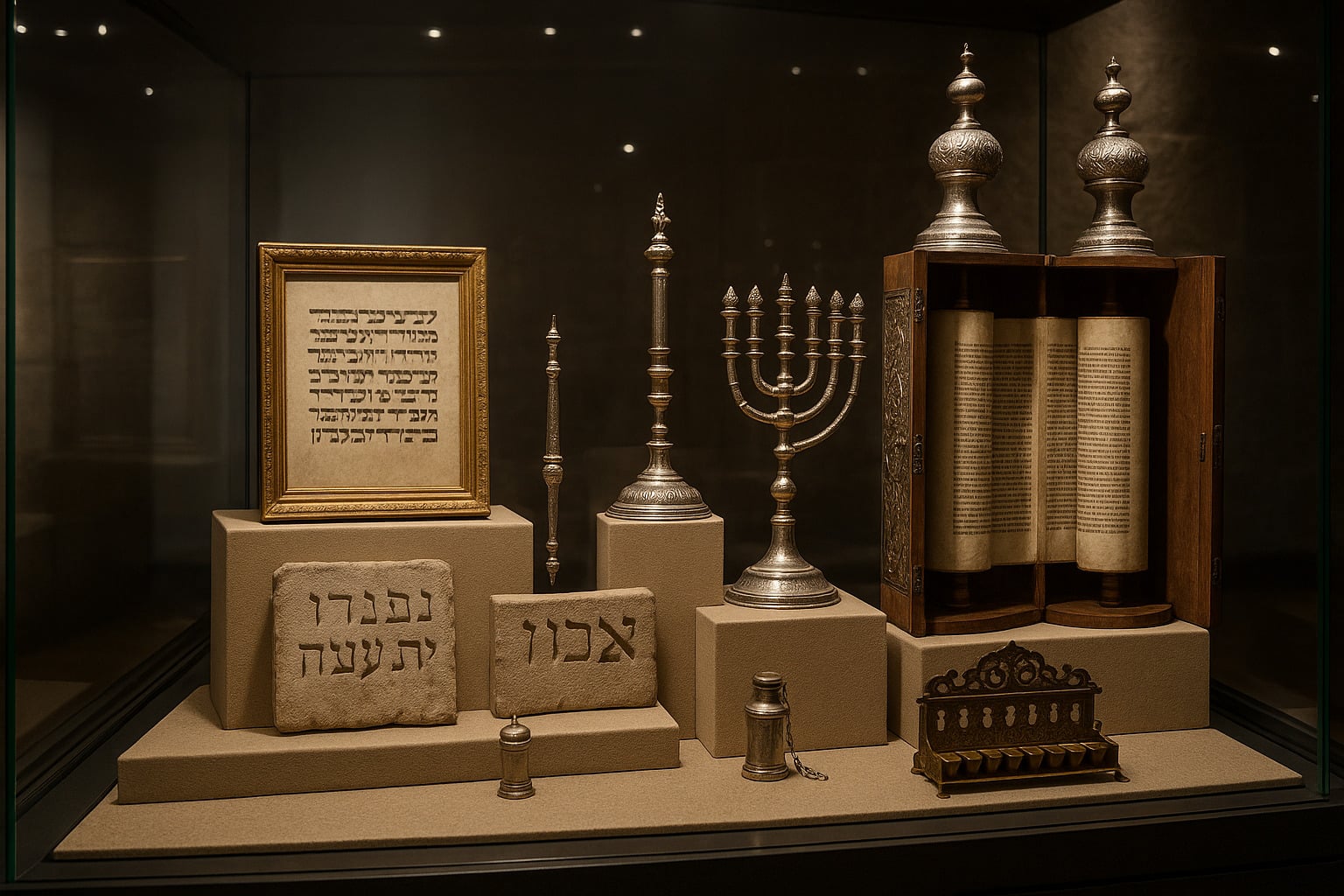
A private day linking Belmonte with nearby food towns
Start with Belmonte rather than rushing straight to lunch. Its compact historic centre, castle and Jewish Museum give the food landscape useful context. Belmonte received its first municipal charter from King Sancho I in 1199; today, the town’s Jewish heritage also reminds visitors that regional pork traditions do not represent every community’s table.
For a manageable food-focused day, combine Belmonte with Covilhã, roughly 25 km away by road. Explore Belmonte in the morning, leave time for a reserved regional lunch, then continue to Covilhã to look for cherovia and regional food shops. Cheese, olive oil and preserves are easier to fit into a day than several substantial restaurant meals. Let the menu determine where you eat cabrito or papas de carolo rather than assigning a guaranteed dish to each stop.
Guarda, around 35 km from Belmonte by road, is an alternative second town. A Sabugal-focused route makes more sense if seasonal bucho is your priority. Choose one direction instead of trying to cover all three: opening hours, lunch service and time to enjoy each town matter more than collecting stops.
Portugal Magik offers private day and multi-day tours with an English-speaking driver, door-to-door pickup and flexible itineraries. Ask for a personalized route that allows proper time for lunch and visits to independently operated food shops or producers, subject to their availability. Meals, purchases and any producer visits should be confirmed separately when planning.
From Lisbon, Belmonte is approximately 290 km away, usually around three to three-and-a-half hours of driving each way before stops. A multi-day tour or private transfer with a planned lunch stop offers more breathing room than a food-heavy return day trip. For smaller groups, request a private Mercedes-Benz V-Class as a comfortable option, subject to availability; the vehicle should be confirmed for your booking.
Beira Interior wine pairings and food etiquette
Start with Beira Interior DOC wines if you want the glass to reflect the region. Reds made with varieties such as Rufete, Tinta Roriz and Touriga Nacional can accompany roast kid and pork dishes. Choose a fresher, less heavily oaked red for cabrito; a fuller style can stand up to richer enchidos or bucho. Ask which local bottles are available by the glass before committing to a bottle.
Whites featuring Síria, Fonte Cal or Arinto are useful partners for fried cherovia and fresh requeijão. A white with good acidity can also balance the richness of a younger Serra da Estrela cheese. With pumpkin preserve, papas de carolo or arroz doce, coffee is perfectly appropriate; dry wine may taste sharp beside a sweet dessert.
Bread, olives, cheese and other small starters placed on the table are often a charged couvert, not a complimentary welcome. If you do not want them, decline before eating; check the menu price or ask the server. Before ordering several meat dishes, ask whether a dose serves one person or is suitable for sharing, since portion sizes vary.
Mention allergies and dietary requirements in advance. Vegetable soup, beans and rice may contain meat stock or pork, and farinheira contains flour. Belmonte’s Jewish heritage does not mean that its restaurants or regional products are automatically kosher; verified arrangements are essential for observant visitors.
Many traditional kitchens concentrate lunch service around midday and the early afternoon. Confirm serving times, especially when combining towns. If wine is part of your lunch, a Portugal Magik private tour lets your English-speaking driver handle the journey; request an itinerary with enough time to enjoy the meal without rushing.
Frequently Asked Questions
Plan a Belmonte journey around the regional table
Request a personalized private tour or transfer quote from Portugal Magik, with door-to-door pickup and an English-speaking driver. Share your dates, group size and food interests; ask about a Mercedes-Benz V-Class for smaller groups, subject to availability.