Traditional Food of Batalha: What to Eat and Where to Explore
The traditional food of Batalha brings together central Portugal’s roast meats, salt cod, rice-based dishes and village sweets. Around the monastery, and in nearby Leiria, Alcobaça and Nazaré, a little geographical knowledge helps you choose specialties with a genuine connection to each stop.
Traditional food of Batalha: 10 dishes, sweets and products
Wondering what to eat in Batalha? Start with the regional cooking served around town, then look beyond it for specialties associated with particular villages and neighboring municipalities. This list distinguishes everyday Portuguese traditions from genuinely place-specific foods: not everything originated in Batalha, and not everything appears on every menu.
01Bacalhau assado com migas
Roasted salt cod, usually dressed with olive oil and garlic, is a familiar choice in central Portuguese dining rooms, including Batalha. Its accompaniment gives it a regional character: local versions of migas often combine crumbled maize bread, shredded greens and black-eyed peas. Salt cod belongs to Portugal’s national culinary tradition rather than to Batalha alone. Insider tip: ask what goes into the migas before ordering; the word describes different preparations across Portugal, not one fixed recipe.
02Morcela de arroz
Associated particularly with the Leiria area, this blood sausage combines pork blood, rice, fat and seasonings in a casing. It belongs to the region’s rural pork-preserving tradition and is typically eaten cooked, as a starter or part of a substantial meal. Leiria is roughly 15 kilometers north of Batalha, making this a particularly relevant neighboring specialty. Insider tip: share a portion first; its rich flavor and soft rice filling make it more substantial than its size suggests.
03Cabrito assado
Roast kid goat is a traditional festive and Sunday-lunch dish across much of Portugal, including the central region around Batalha. Preparations commonly use garlic, wine, olive oil and aromatic seasonings, with potatoes roasted alongside or served separately. This is regional home-style cooking, not a recipe exclusive to the monastery town. Insider tip: ask whether cabrito is available when planning lunch, especially on weekdays; slow-roasted dishes are not necessarily prepared every day.
04Cavacas do Reguengo do Fetal
These light, crisp pastries are associated with Reguengo do Fetal, a village in Batalha municipality approximately 10 kilometers east of the town. Made with an egg-and-flour dough and finished with a white sugar coating, they are typically bought from local producers or pastry shops and eaten as a sweet snack. Insider tip: their brittle shell travels better in a rigid box than a soft bag, particularly if you are taking some back to Lisbon.
05Arroz doce
Sweet rice cooked with milk and sugar, often scented with lemon peel and cinnamon, is a Portuguese household and celebration staple found in traditional dining rooms around Batalha. Some recipes include egg yolks for extra richness. Its roots are national rather than uniquely local, but it is a fitting finish to a regional lunch. Insider tip: ask whether it is made in-house and served that day; texture varies from loose and creamy to firmer, depending on the recipe and temperature.
06Brisas do Lis
Leiria’s signature little sweets combine egg yolks, sugar and almonds. Named for the River Lis, which runs through the city, they are typically eaten in pastry shops with coffee or purchased in small boxes. Their moist almond base makes them distinct from sweets made only with eggs and sugar. Insider tip: make these your Leiria tasting rather than expecting every Batalha café to stock them, and remember that they contain almonds if anyone in your group has an allergy.
07Frango na púcara
Closely associated with Alcobaça, roughly 20 kilometers southwest of Batalha, this chicken dish takes its name from the earthenware pot in which it is cooked. Recipes vary, commonly bringing together chicken, cured pork, small onions, tomato and wine or other alcoholic seasonings. It is a sit-down restaurant meal rather than a quick snack. Insider tip: check whether the listed portion serves one or two people before adding starters; the pot often arrives with generous accompaniments.
08Pão de ló de Alfeizerão
Alfeizerão, in Alcobaça municipality, is known for a particularly soft pão de ló made with eggs, sugar and flour. Its defining feature is the moist, barely set center beneath a delicate sponge surface. It is typically bought from local pastry makers or served as dessert, making Alfeizerão a purposeful southern extension rather than an essential stop on every Batalha visit. Insider tip: expect to eat it with a spoon, and keep the box level during the journey.
09Maçã de Alcobaça
This protected geographical indication covers apples grown in a defined production area around Alcobaça, not a single apple variety. Atlantic influence helps shape the growing conditions of this orchard region. Enjoy the fruit fresh from produce shops and markets, or look for it identified in regional desserts. Insider tip: check the label for Maçã de Alcobaça rather than assuming any apple sold nearby has the protected designation; ask which variety is available and whether it is crisp, sweet or tart.
10Caldeirada de peixe
For a coastal contrast, Nazaré lies approximately 30 kilometers west of Batalha. Its fishing tradition makes it a natural place to try caldeirada: a stew of fish, potatoes, onions, tomato and peppers, with the selection of fish varying by kitchen and supply. This is a Portuguese coastal dish, not an inland Batalha specialty. Insider tip: ask which fish are included, whether shellfish is used and whether the pot is intended for sharing; expect bones rather than uniformly boneless fillets.
Trusted across Portugal and Spain
Journeys backed by 1,300+ verified reviews
Consistently five-star rated since 2012, Portugal Magik is a TripAdvisor Hall of Fame recipient. Our Portugal Ambassadors bring local knowledge, thoughtful service and dependable private travel to every journey.

Travel with Portugal Magik
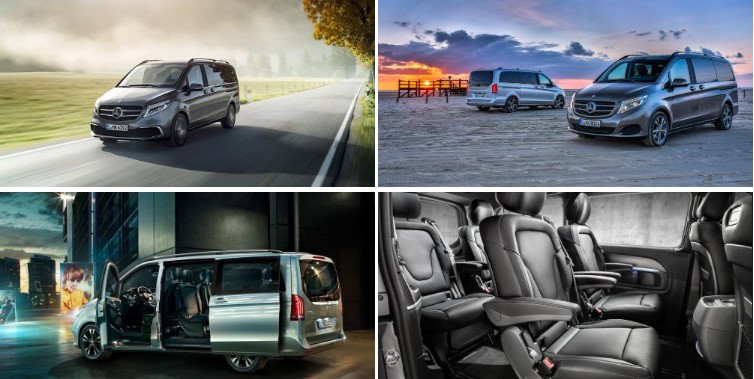
Explore Portugal in a Mercedes-Benz V-Class
For smaller groups, a private V-Class offers a comfortable way to travel between places, with an English-speaking driver, door-to-door pickup and a flexible itinerary planned with our team. Vehicle choice depends on your group and availability.
Plan a personalized journey →A private day that connects the food to its hometowns
The most satisfying food day is not a race through ten tastings. Choose one substantial lunch, one pastry stop and enough time to appreciate why you are visiting Batalha in the first place. Construction of its monastery began in 1386, and the monument has been a UNESCO World Heritage Site since 1983. Allow an unhurried visit rather than squeezing it between meals.
From Lisbon, Batalha is approximately 125 kilometers by road; allow around 1 hour 30 minutes to 2 hours, depending on traffic and your pickup point. A focused itinerary could begin at the monastery, continue with a regional lunch in Batalha, then head approximately 15 kilometers north to Leiria for brisas do Lis and a walk near the River Lis. For a closer village-food focus, discuss a stop in Reguengo do Fetal for cavacas instead, checking producer opening hours beforehand.
A different route links Batalha with Alcobaça and Nazaré. Travel roughly 20 kilometers to Alcobaça for frango na púcara, then around 15 kilometers farther to Nazaré for a coastal walk. If caldeirada is your priority, make Nazaré the main lunch stop and keep Alcobaça lighter. Adding Alfeizerão for pão de ló extends the day southward; it makes more sense as a considered alternative than another compulsory stop.
Portugal Magik offers private day and multi-day tours and private Mercedes-Benz transfers, with door-to-door pickup, an English-speaking driver and flexible itineraries. Your Portugal Ambassador is a knowledgeable local English-speaking driver-guide from Portugal who can help connect the towns and explain regional food traditions. Meals, shop openings and particular dishes remain subject to each independent establishment’s availability.
For smaller groups, a private Mercedes-Benz V-Class is a comfortable option for these journeys, subject to availability. Ask for a personalized Batalha itinerary built around your preferred lunch, dietary needs and sightseeing pace. Established in 2012, Portugal Magik has 1,300+ verified reviews and is consistently five-star rated.
Wine pairings and food etiquette around Batalha
Choose wine by the plate, not simply by proximity. Batalha sits conveniently for exploring the food of both the Leiria area and the northern part of the Lisboa wine region, but a restaurant’s list may draw from across Portugal.
With roasted bacalhau and olive-oil-rich migas, try a fresh but reasonably textured Portuguese white. An Arinto-based wine from the Lisboa region can provide useful acidity. For Nazaré’s caldeirada, a dry white or dry rosé is often a better starting point than a powerful, tannic red; the final choice depends on the fish and intensity of the broth.
Morcela de arroz and cabrito assado suit a red with freshness as well as structure. A red from the nearby Encostas de Aire denomination is a geographically relevant option when available. Frango na púcara generally works well with a medium-bodied red that will not overwhelm the chicken and sauce. Ask what is offered by the glass if you would rather taste one wine than commit to a bottle.
With brisas do Lis or the soft pão de ló from Alfeizerão, a small glass of sweet wine can work, but coffee is an equally natural choice. A bica means an espresso in Lisbon; asking for um café is understood in Batalha and the surrounding towns. Water and other non-alcoholic drinks fit perfectly into a food-focused day.
A few table habits help. Bread, olives, cheese or other small items placed on the table are usually a charged couvert, not automatically included in the meal. Ask the price and decline anything you do not want before eating it. Check portion sizes: uma dose may be generous, while meia dose means a half portion where offered, not necessarily a small appetizer.
Lunch service often centers on roughly 12:00–15:00, although individual kitchens vary. Plan your main meal before a long afternoon monument visit. Explain allergies clearly: migas can contain wheat as well as maize bread, brisas do Lis contain almonds, and caldeirada recipes may include shellfish. Tipping is discretionary rather than compulsory. If wine is part of your plans, a private tour keeps the driving with your Portugal Ambassador; share your tasting interests when requesting your personalized itinerary.
Your route
Direct or with stops
Tell us where you would like to pause along the way and we shape the day around it.
Request a proposal →Your pace
One day or several
Spread the journey over a few days with overnight suggestions from our team.
Request a proposal →Your Ambassador
A local by your side
An English-speaking driver-guide from Portugal in a private Mercedes-Benz.
Request a proposal →★★★★★ 1,300+ verified reviews · TripAdvisor Hall of Fame · Since 2012
Keep exploring
Related journeys and routes
Your guide to the traditional food of Portugal
The traditional food of Portugal tells its story through salt cod, Atlantic seafood, mountain cheeses and pastries shaped by convent kitchens. Discover what to order, where each specialty belongs and how to build a rewarding mainland journey around the table.
Read more →A regional guide to the top dishes in Portugal
The top dishes in Portugal tell a regional story, from Lisbon’s salt-cod recipes to Bairrada’s roast suckling pig and the sheep’s-milk cheeses of the Serra da Estrela. This mainland guide explains what to order, where each specialty belongs and how to build a satisfying day around Portuguese food.
Read more →Discover the traditional food of Castelo de Vide
The traditional food of Castelo de Vide brings together Easter lamb dishes, bread-based Alentejo cooking, sheep’s cheese and the chestnuts of the surrounding São Mamede countryside. This guide explains what belongs to the town’s own culinary traditions, what comes from its neighbours and how to plan a satisfying day around both.
Read more →Frequently Asked Questions
Personalized and without obligation
Speak with a travel designer
1,300+ five-star reviews · TripAdvisor Hall of Fame · Trusted since 2012 · Mercedes-Benz fleet