Discover the traditional food of Castelo de Vide
The traditional food of Castelo de Vide brings together Easter lamb dishes, bread-based Alentejo cooking, sheep’s cheese and the chestnuts of the surrounding São Mamede countryside. This guide explains what belongs to the town’s own culinary traditions, what comes from its neighbours and how to plan a satisfying day around both.
10 tastes of the traditional food of Castelo de Vide
Castelo de Vide stands in northern Alentejo, close to Marvão and the Spanish border. Its cooking shares the region’s practical use of bread, olive oil, garlic and seasonal produce, but the town’s Easter table has a particularly strong identity. If you are deciding what to eat in Castelo de Vide, start with these dishes and products. Some are local specialities; others belong to the wider Alto Alentejo pantry and are worth seeking out when available.
01Sarapatel
Closely associated with Easter in Castelo de Vide, this substantial dish uses lamb offal and blood, with seasoning and bread central to its character. Recipes vary between households, and it is more a festive tradition than an everyday menu fixture. Insider tip: ask specifically about Easter availability, and expect an assertive offal flavour rather than a conventional lamb stew.
02Cachafrito
Small pieces of lamb or kid are seasoned with ingredients such as garlic, wine and bay leaf, then fried until richly browned. It belongs to the pastoral cooking of Castelo de Vide and neighbouring northern Alentejo communities, appearing at traditional lunches and festive meals. Insider tip: ask which meat is being used that day; the name alone does not tell you whether it is lamb or kid.
03Açorda alentejana
Bread, garlic, coriander, olive oil and hot water form the foundation of this Alentejo staple, often finished with a poached egg; some versions include salt cod. It is typically eaten as a meal rather than a small starter. Insider tip: expect a brothy bowl with soaked bread, not the thick, stirred açorda found in some other Portuguese regions.
04Migas alentejanas
Older wheat bread is worked with garlic, fat or olive oil and a little liquid into a substantial accompaniment, commonly served with pork. This is rural Alentejo resourcefulness on the plate, familiar in traditional dining rooms around Castelo de Vide. Insider tip: ask what accompanies the migas before ordering another meat dish; the portion may already constitute a complete lunch.
05Ensopado de borrego
Lamb is slowly cooked with onions, garlic, bay leaf and other seasonings, with the fragrant broth traditionally served over slices of bread. Widespread across Alentejo, it is especially appealing during the cooler months and the Easter period. Insider tip: the bread is part of the dish, not merely something to nibble alongside it; let it absorb the cooking juices.
06Sopa de tomate alentejana
Ripe tomatoes, onions, garlic and olive oil become a generous soup, often poured over bread and served with an egg. Depending on the kitchen, pork products may also appear. It is a familiar expression of Alentejo home cooking. Insider tip: vegetarians should ask about both the broth and garnishes rather than assume that a tomato-based dish contains no meat.
07Boleima
Particularly associated with nearby Portalegre, boleima is a rustic tray bake made with a simple dough and a sugary topping, often scented with cinnamon. Apple-filled versions are especially worth seeking out in regional bakeries. Insider tip: ask whether the available boleima is plain or apple-filled; both the filling and the texture can differ considerably between recipes.
08Queijo de Nisa DOP
This protected-origin cheese comes from the Nisa area of Alto Alentejo and is made with raw sheep’s milk, coagulated with cardoon thistle. Its firm, slightly yielding paste suits a bread-and-cheese starter or a picnic-style snack. Insider tip: look for the full protected designation on the label if you want the certified product, rather than a generically labelled sheep’s cheese.
09Castanha de Marvão DOP
The protected chestnuts of the Marvão area reflect the cooler growing conditions around the Serra de São Mamede. Fresh chestnuts are an autumn product, enjoyed roasted or incorporated into seasonal dishes across the surrounding countryside. Insider tip: plan an autumn visit for the strongest chance of finding them freshly harvested; do not expect hot roasted chestnuts throughout the year.
10Sericaia
Strongly associated with Elvas and the wider Alentejo, this airy, cinnamon-topped sweet is made with eggs, milk, sugar and flour. It is commonly served as a restaurant dessert, sometimes with an Elvas plum in syrup. Insider tip: ask whether the plum accompanies the slice; its concentrated sweetness changes the balance of the dessert, and it is not always included.
These are top dishes Castelo de Vide visitors can use as a starting point, not a promise that every kitchen serves all ten. A short seasonal menu often tells you more about the day’s cooking than a long list of regional names.
Trusted across Portugal and Spain
Journeys backed by 1,300+ verified reviews
Consistently five-star rated since 2012, Portugal Magik is a TripAdvisor Hall of Fame recipient. Our Portugal Ambassadors bring local knowledge, thoughtful service and dependable private travel to every journey.

Travel with Portugal Magik
Explore Portugal in a Mercedes-Benz V-Class
For smaller groups, a private V-Class offers a comfortable way to travel between places, with an English-speaking driver, door-to-door pickup and a flexible itinerary planned with our team. Vehicle choice depends on your group and availability.
Plan a personalized journey →How a private day connects the town and its regional pantry
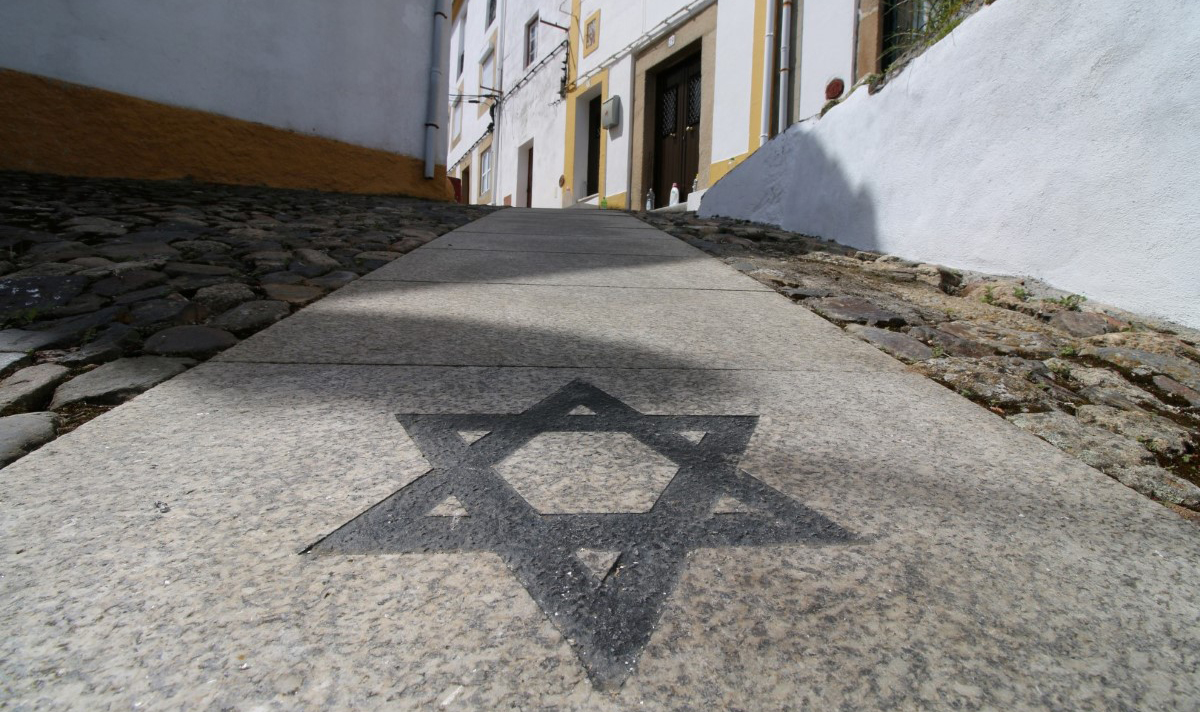
A rewarding food-focused day does not need ten tastings or a succession of heavy lunches. Give Castelo de Vide the main role: walk through the old town and historic Jewish quarter, pause for coffee, and leave enough time for one proper regional meal. Share a starter, choose a lamb dish or bread-based speciality, and save room for a sweet.
Marvão is roughly 12 km away by road, making it a practical companion to Castelo de Vide rather than a hurried detour. In autumn, ask about chestnut dishes or regional products before travelling onward. The fortified hilltop village also provides a welcome walking break between meals, although its slopes and uneven paving deserve comfortable shoes.
Portalegre, around 20 km from Castelo de Vide, makes sense if boleima and the wider São Mamede wine landscape are priorities. Nisa, approximately 30 km away, is an alternative for travellers particularly interested in its sheep’s cheese. Choose one or two neighbouring stops according to your interests; adding every town would leave less time to eat and explore.
From Lisbon, allow approximately three hours each way, depending on your pickup point, route and traffic. A same-day visit is possible, but it is a long outing. A multi-day private tour allows a more relaxed northern Alentejo stay, especially if you want to include both food stops and substantial time in Castelo de Vide and Marvão.
Portugal Magik offers private Mercedes-Benz transfers and private day or multi-day tours with door-to-door pickup and flexible itineraries. Your Portugal Ambassador is a knowledgeable local English-speaking driver-guide from Portugal who can help shape the route around your interests. Food stops depend on opening hours, seasonal availability and any arrangements required by the establishments themselves.
For smaller groups, a private Mercedes-Benz V-Class is a comfortable option for the Lisbon journey, subject to availability. Ask for a personalized itinerary that prioritizes a leisurely lunch over unnecessary mileage. Established in 2012, Portugal Magik has 1,300+ verified reviews and is consistently five-star rated.
Wine pairings and food etiquette in northern Alentejo
Start with wines from Portalegre, one of the eight subregions of the Alentejo wine denomination. Vineyards around the Serra de São Mamede include higher-altitude sites, and many wines show a freshness that works well with the region’s substantial cooking. Not every bottle labelled Alentejano comes from Portalegre, so ask about the producer’s location if you want a geographically close match.
For cachafrito and ensopado de borrego, choose a balanced red with enough freshness to handle the richness of lamb. Regional blends may include Aragonez, Trincadeira and Alicante Bouschet. Sarapatel also welcomes a red, but an especially powerful, heavily oaked wine can overwhelm rather than improve the pairing.
With açorda or tomato soup, a fresh white is often more useful than a weighty red. Arinto and Roupeiro are among the white varieties worth looking for in regional blends. Queijo de Nisa can work with either a textured white or a medium-bodied red; its maturity matters as much as its name. For sericaia, ask for a sweet wine at least as sweet as the dessert, or simply finish with coffee.
Bread, olives and cheese placed on the table are generally a charged couvert, not automatically included in the meal price. If you do not want them, politely decline before eating. Ask whether a dish serves one person or is intended for sharing, and remember that bread-based dishes can be very filling.
State dietary needs clearly before ordering. Pork fat, meat stock, egg, bread and raw-milk cheese can appear where an English menu gives little detail. Traditional food is not necessarily adaptable at short notice, particularly festive dishes prepared in advance.
Many kitchens concentrate lunch service around midday and early afternoon, so avoid leaving your main meal until late in the day without checking. Tell Portugal Magik whether wine, seasonal food or town walks matter most, and request a route that leaves comfortable time for your chosen lunch stop.
Your route
Direct or with stops
Tell us where you would like to pause along the way and we shape the day around it.
Request a proposal →Your pace
One day or several
Spread the journey over a few days with overnight suggestions from our team.
Request a proposal →Your Ambassador
A local by your side
An English-speaking driver-guide from Portugal in a private Mercedes-Benz.
Request a proposal →★★★★★ 1,300+ verified reviews · TripAdvisor Hall of Fame · Since 2012
Keep exploring
Related journeys and routes
Your guide to the traditional food of Portugal
The traditional food of Portugal tells its story through salt cod, Atlantic seafood, mountain cheeses and pastries shaped by convent kitchens. Discover what to order, where each specialty belongs and how to build a rewarding mainland journey around the table.
Read more →A regional guide to the top dishes in Portugal
The top dishes in Portugal tell a regional story, from Lisbon’s salt-cod recipes to Bairrada’s roast suckling pig and the sheep’s-milk cheeses of the Serra da Estrela. This mainland guide explains what to order, where each specialty belongs and how to build a satisfying day around Portuguese food.
Read more →Traditional food of Coimbra: Dishes, Pastries and Wine
The traditional food of Coimbra brings together slow-cooked meats, Mondego rice, river fish and pastries shaped by the region’s convent kitchens. If you are deciding what to eat in Coimbra, start with the city’s specialties, then leave room for the distinctive flavours of nearby Miranda do Corvo, Mealhada and Tentúgal.
Read more →Frequently Asked Questions
Personalized and without obligation
Speak with a travel designer
1,300+ five-star reviews · TripAdvisor Hall of Fame · Trusted since 2012 · Mercedes-Benz fleet