Your guide to the top places to visit in Belmonte
The top places to visit in Belmonte reveal a distinctive mix of Jewish heritage, medieval architecture and the story of Pedro Álvares Cabral. Give this hilltop town in central Portugal time: its small museums and granite lanes reward a slower visit, with the Serra da Estrela mountains on the horizon.
8 top places to visit in Belmonte
01Belmonte Castle
Rising above the old town, this medieval castle became the residence of the Cabral family, whose most famous member, Pedro Álvares Cabral, led the Portuguese fleet that reached Brazil in 1500. Look for the Manueline window associated with its residential phase, and allow around 45 minutes rather than treating it as a quick viewpoint stop. Wear shoes with good grip for uneven stone surfaces, and check which interior areas are accessible that day.
02Church of Santiago and the Cabral Pantheon
Close to the castle, this medieval church preserves wall paintings and stands beside the Cabral family pantheon, linking Belmonte’s religious history with its best-known family. It is worth visiting for the quieter architectural details as much as the Cabral connection. Check access before planning your morning around it, since seeing the exterior does not guarantee entry to the church or pantheon.
03Belmonte’s Historic Jewish Quarter
The lanes around Rua Direita and Rua Fonte da Rosa form the setting for one of Portugal’s most important stories of Jewish continuity: local families preserved Jewish traditions in secrecy across generations following the forced conversions of 1497. Walk these streets before or after the Jewish Museum so the houses and lanes have historical context. This remains a residential neighbourhood, so keep voices low and ask permission before photographing residents.
04Belmonte Jewish Museum
Opened in 2005, the museum explores Jewish life in Portugal and the particular experience of Belmonte’s community, including the preservation of religious practices under persecution. For meaningful Belmonte sightseeing, this is a priority rather than an optional extra. Allow about an hour, and check current opening days before deciding which date to visit.
05Bet Eliahu Synagogue
Inaugurated in 1996, Belmonte’s synagogue represents the public renewal of a Jewish community whose traditions survived largely within family life. Its importance lies in its role as a living place of worship, not simply as a historic building. Visitor access can be restricted, particularly around religious observances, so confirm arrangements in advance and follow the community’s instructions on dress and photography.
06Discoveries Museum
This interpretive museum focuses on the Portuguese maritime voyages and the relationship between Portugal and Brazil, with Pedro Álvares Cabral providing Belmonte’s direct connection to the subject. It offers useful context after the castle, especially for visitors interested in how this inland town became associated with an Atlantic voyage in 1500. Choose it as one of your main museum stops rather than squeezing it into the last few minutes before closing.
07Olive Oil Museum
Set in a former olive mill, this museum introduces the equipment and processes behind a staple of the Beira region’s food culture. It provides a satisfying change of scale after the larger historical themes of the castle and Jewish Museum. Look closely at the milling and pressing machinery, then use lunch to explore local olive oil alongside bread and regional dishes; do not assume a tasting is included with admission.
08Centum Cellas Tower
Near Colmeal da Torre, roughly 4 kilometres from central Belmonte, this substantial Roman structure is generally interpreted as part of a villa complex, although its precise original function has prompted debate. Its tall walls and repeated openings make it one of the area’s most distinctive archaeological sights. Add it as a short driver-assisted stop outside town, ideally in softer morning or late-afternoon light, and bring sun protection because the setting is exposed.

Trusted across Portugal and Spain
Journeys backed by 1,300+ verified reviews
Consistently five-star rated since 2012, Portugal Magik is a TripAdvisor Hall of Fame recipient. Our Portugal Ambassadors bring local knowledge, thoughtful service and dependable private travel to every journey.

Travel with Portugal Magik
Explore Portugal in a Mercedes-Benz V-Class
For smaller groups, a private V-Class offers a comfortable way to travel between places, with an English-speaking driver, door-to-door pickup and a flexible itinerary planned with our team. Vehicle choice depends on your group and availability.
Plan a personalized journey →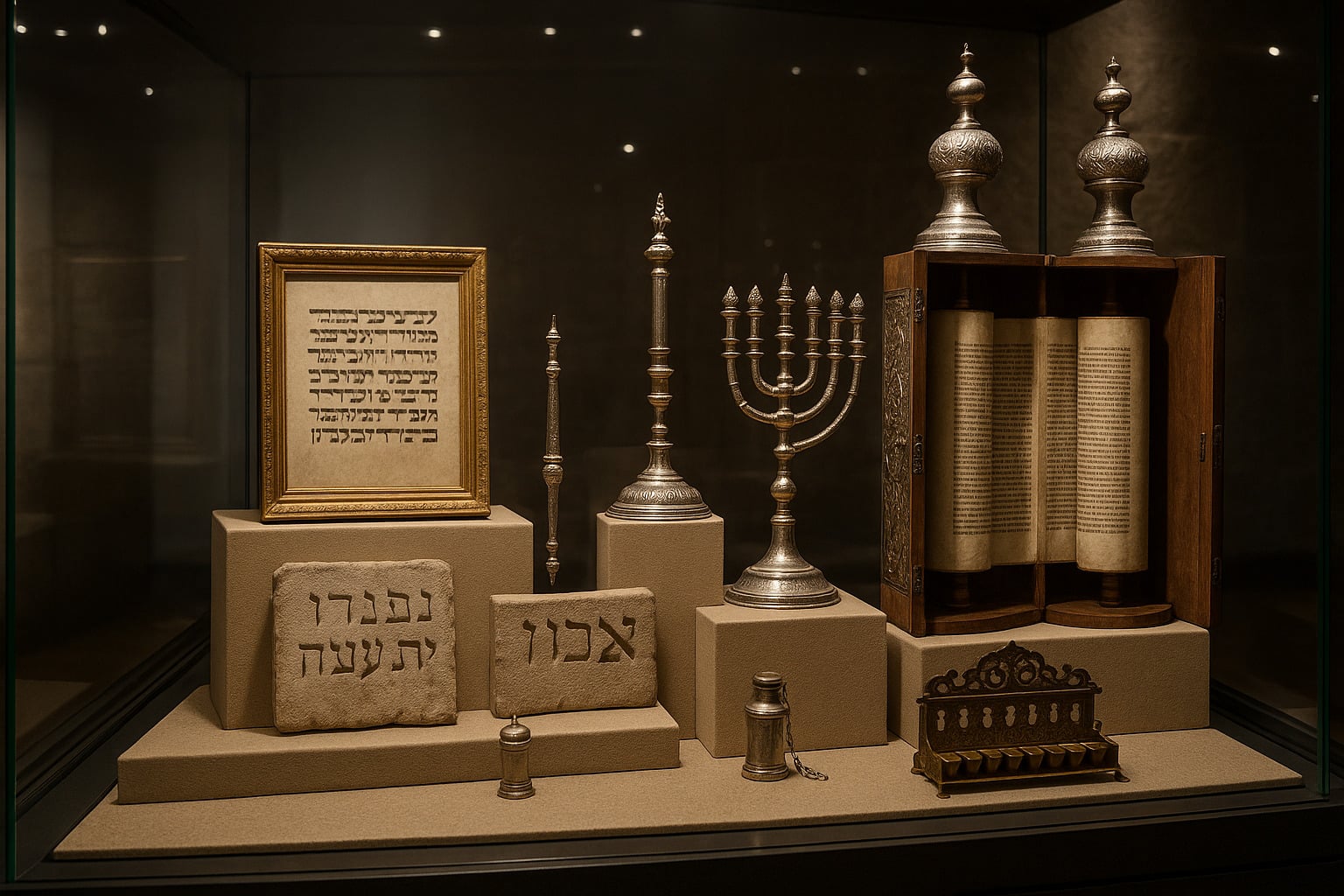
A relaxed Belmonte day or a slower inland journey
For a day beginning in Belmonte or nearby Covilhã, start with the castle and Church of Santiago before walking downhill through the historic lanes. Give the Jewish Museum a full hour, then pause for lunch rather than trying to cover every museum consecutively. In the afternoon, choose the Discoveries Museum or Olive Oil Museum according to your interests, with a synagogue visit only if access has been confirmed. Finish with Centum Cellas Tower outside town.
An English-speaking driver makes the transitions easier, particularly between your accommodation, the upper town and Centum Cellas. The historic centre still involves walking on slopes and uneven paving; door-to-door pickup does not mean every monument entrance is accessible by vehicle. Tell Portugal Magik about your walking preferences when requesting a personalized itinerary so the route can include sensible drop-off points and unhurried breaks.
From Lisbon, Belmonte is roughly 300 kilometres away, usually around three to three and a half hours by road each way, depending on traffic and stops. A same-day return is possible but long, and it leaves less time for the museums that give the town its character. For a more relaxed experience, ask Portugal Magik about a private multi-day tour rather than treating Belmonte as a quick detour.
A comfortable three-day outline is Lisbon to Belmonte on day one, with an optional stop in Tomar; a full Belmonte day and second overnight on day two; and a return to Lisbon on day three. Alternatively, continue from Belmonte to Guarda, approximately 30 kilometres away, before travelling onward to Porto. Add nights if you also want a substantial Serra da Estrela excursion instead of compressing mountain roads and museum visits into one afternoon.
Portugal Magik provides private Mercedes-Benz transfers and private day or multi-day tours with door-to-door pickup and flexible itineraries. Your Portugal Ambassador is a knowledgeable local English-speaking driver-guide from Portugal who can help put the journey in context. A private Mercedes-Benz V-Class is a comfortable option for smaller groups on these longer journeys, subject to availability. Share your starting point and must-see Belmonte priorities to request a personalized route.
Best time to visit Belmonte and practical insider tips
May, June, September and October generally offer a good balance of pleasant walking conditions and daylight for exploring. Spring brings greener countryside, while early autumn often suits a combination of town visits and regional food stops. Belmonte sits at around 600 metres above sea level, so pack an extra layer even when Lisbon feels warm.
July and August can be hot, especially around the exposed castle and Centum Cellas. Put outdoor sightseeing earlier in the day and reserve museums for the warmer hours, subject to their opening schedules. Winter can be atmospheric and quiet, but cold mornings, rain and shorter days call for a lighter itinerary. Snow or ice may affect higher Serra da Estrela roads if you extend the trip into the mountains.
Check museum hours individually, including weekly closures and lunch breaks. Ask whether a combined museum ticket is currently available and which sites it covers; the synagogue should not be assumed to follow municipal museum arrangements. Keep a little flexibility around the church and other smaller heritage interiors.
For lunch, look for regional cooking such as cabrito assado, or roasted kid, when available. Queijo Serra da Estrela is another local specialty worth seeking, although it is traditionally made with raw sheep’s milk, which matters for some dietary requirements. Visitors requiring kosher food should verify suitable options in advance rather than assuming that a restaurant in a town with Jewish heritage is kosher.
The most rewarding preparation is simple: read a little about Belmonte’s Jewish community before arriving, then leave enough time to absorb what you see. Established in 2012, Portugal Magik can help shape a private tour around those interests, whether your emphasis is Jewish heritage, Cabral’s story or a slower journey through inland Portugal.
Your route
Direct or with stops
Tell us where you would like to pause along the way and we shape the day around it.
Request a proposal →Your pace
One day or several
Spread the journey over a few days with overnight suggestions from our team.
Request a proposal →Your Ambassador
A local by your side
An English-speaking driver-guide from Portugal in a private Mercedes-Benz.
Request a proposal →★★★★★ 1,300+ verified reviews · TripAdvisor Hall of Fame · Since 2012
Keep exploring
Related journeys and routes
10 things you can't miss in Portugal
These 10 things you can't miss in Portugal connect Lisbon's maritime monuments with royal palaces, medieval towns, vineyard terraces and the Algarve coast. This mainland Portugal travel guide explains what makes each stop worthwhile, when to go and how to combine them without turning your holiday into a checklist.
Read more →10 things you can't miss in Fátima
These 10 things you can't miss in Fátima connect the great sanctuary with the village homes and quiet walking paths behind its story. Whether you come on pilgrimage or to understand an important chapter of Portuguese history, leave time for reflection rather than rushing between monuments.
Read more →A local guide to sightseeing in Amarante
Sightseeing in Amarante brings together the River Tâmega, richly decorated churches and an artistic heritage that rewards a slower visit. Allow time for the bridge, a museum and a pastry stop rather than treating this northern Portuguese town as a quick photograph between Porto and the Douro.
Read more →Frequently Asked Questions
Personalized and without obligation
Speak with a travel designer
1,300+ five-star reviews · TripAdvisor Hall of Fame · Trusted since 2012 · Mercedes-Benz fleet