10 things you can't miss in Fátima
These 10 things you can't miss in Fátima connect the great sanctuary with the village homes and quiet walking paths behind its story. Whether you come on pilgrimage or to understand an important chapter of Portuguese history, leave time for reflection rather than rushing between monuments.
10 things you can't miss in Fátima: the essential places
01Chapel of the Apparitions
The Capelinha das Aparições marks the heart of the sanctuary, where Catholics believe Our Lady appeared to three shepherd children in 1917; the first chapel was built here in 1919. Today, a larger shelter protects the small chapel and its worship space. Check the sanctuary’s daily programme before arriving so you can choose between attending a service and visiting during a quieter interval.
02Basilica of Our Lady of the Rosary
This limestone basilica, whose construction began in 1928, contains the tombs of Francisco and Jacinta Marto and their cousin Lúcia dos Santos, the three children associated with the apparitions. Its tower is one of Fátima’s most recognisable landmarks, but the tombs are the principal reason many pilgrims enter. Allow time inside rather than treating it as a photograph stop, and avoid moving around to sightsee during Mass.
03Basilica of the Most Holy Trinity
Inaugurated in 2007 at the opposite end of the sanctuary’s vast prayer square, this contemporary basilica accommodates more than 8,000 worshippers. Its broad, largely column-free interior and gold-toned mosaic behind the altar offer a striking contrast to the older basilica. The walk between the two churches is exposed, so carry water and sun protection in warm weather.
04Museum of the Shrine of Fátima
The sanctuary museum’s permanent exhibition, Fátima Light and Peace, presents offerings, artworks and objects that document the devotion inspired by the apparitions. It adds valuable context to a visit, especially if the sanctuary’s international importance is unfamiliar to you. Check the current exhibition location, opening arrangements and admission requirements before building your day around it, as museum access follows a separate schedule from the prayer spaces.
05Lúcia’s House in Aljustrel
Around two kilometres from the sanctuary, the modest house where Lúcia dos Santos was born helps explain the rural setting of the 1917 events. Its small rooms make a useful counterpoint to the monumental scale of the sanctuary. Visit with time to walk through Aljustrel as well, and expect to pause outside when groups fill the confined interior.
06Francisco and Jacinta’s House in Aljustrel
A short walk from Lúcia’s home, this is the family house of Francisco and Jacinta Marto, the siblings canonised in Fátima in 2017. The domestic setting brings their childhood into focus in a way that the sanctuary’s large public spaces cannot. Combine both houses in one stop rather than making separate journeys, and keep voices low around visitors praying nearby.
07Valinhos Apparition Site
The monument at Valinhos commemorates the apparition of 19 August 1917, which Catholic tradition places here rather than at the Cova da Iria. Its quieter setting among olive trees helps visitors understand that Fátima’s story extends beyond the main sanctuary. Reach it as part of your Aljustrel visit, wearing comfortable shoes for the surrounding paths rather than expecting another level urban square.
08Way of the Cross at Valinhos
Beginning near the southern roundabout commonly known as Rotunda dos Pastorinhos, this devotional route follows paths associated with the shepherd children through the landscape between Fátima and Aljustrel. The stations invite a slower, contemplative visit and are among the most rewarding Fátima highlights for travellers who enjoy walking. Allow roughly an hour or more depending on your pace and prayer stops, and arrange a pickup near the far end rather than assuming you must retrace the entire route.
09Hungarian Calvary and Chapel of Saint Stephen
At the culmination of the Way of the Cross, the Hungarian Calvary and its chapel reflect the contribution of Hungarian Catholics to Fátima’s pilgrimage landscape. The elevated crucifixion scene gives the walk a clear destination, while the chapel offers a more intimate devotional setting. Treat this as part of the same walking outing rather than a separate cross-town excursion, and check chapel access if going inside is important to you.
10Parish Church of Fátima
Dedicated to Our Lady of Prazeres, Fátima’s parish church is distinct from the sanctuary and is where the three shepherd children were baptised. It anchors the story in the local community that existed before Fátima became an international pilgrimage destination. Combine it with nearby Aljustrel, but check worship times and remember that this remains an active parish rather than a museum.

Trusted across Portugal and Spain
Journeys backed by 1,300+ verified reviews
Consistently five-star rated since 2012, Portugal Magik is a TripAdvisor Hall of Fame recipient. Our Portugal Ambassadors bring local knowledge, thoughtful service and dependable private travel to every journey.

Travel with Portugal Magik
Explore Portugal in a Mercedes-Benz V-Class
For smaller groups, a private V-Class offers a comfortable way to travel between places, with an English-speaking driver, door-to-door pickup and a flexible itinerary planned with our team. Vehicle choice depends on your group and availability.
Plan a personalized journey →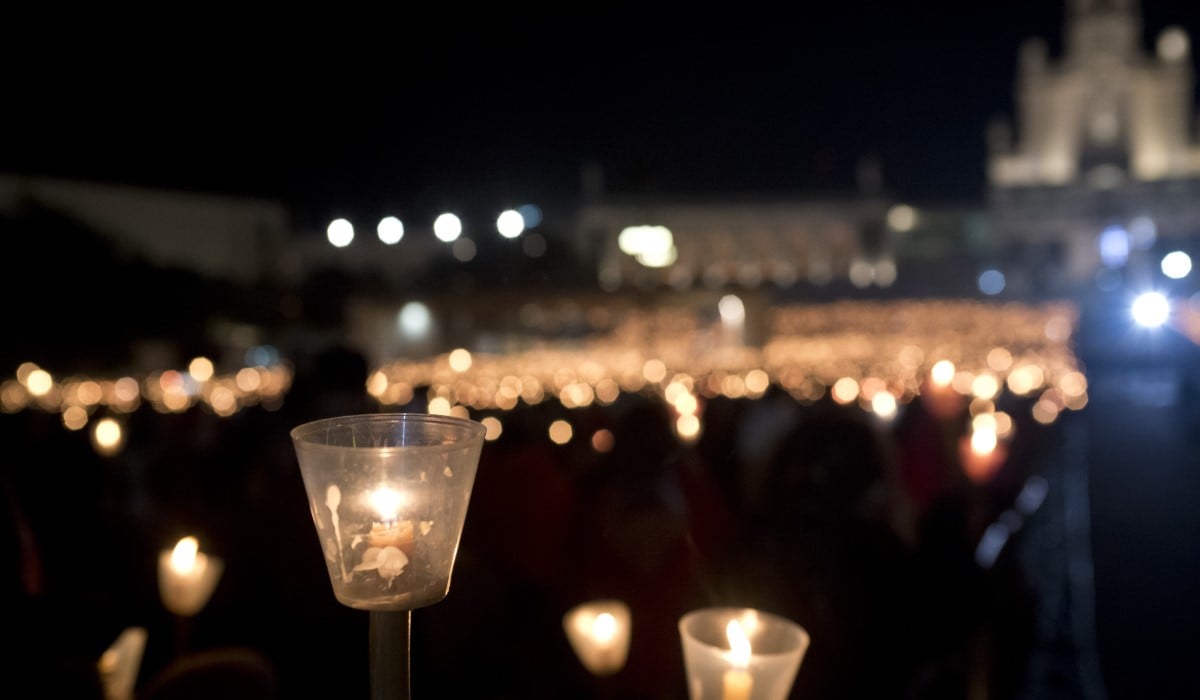
A relaxed private day from Lisbon—or a slower overnight stay
Fátima is approximately 130 kilometres by road from Lisbon Airport and around 130–145 kilometres from many central Lisbon hotels, depending on the starting point. Allow roughly 1½–2 hours each way under normal conditions, with extra time on major pilgrimage dates. Portugal Magik offers door-to-door private Mercedes-Benz transfers and private tours with an English-speaking driver, so your route can reflect your interests and walking pace.
For a comfortable day trip, start with the Chapel of the Apparitions and Basilica of Our Lady of the Rosary, then cross the prayer square to the Basilica of the Most Holy Trinity. Allow around two to three hours for this core visit, longer if you wish to attend Mass or spend time in prayer. Add the museum if its opening schedule fits, rather than squeezing it between services.
After an unhurried lunch, continue to Aljustrel for the two shepherd-family houses and nearby Valinhos. Choose either a longer walk along the Way of the Cross to the Hungarian Calvary or a shorter afternoon that includes the parish church. Trying to cover every interior, walk the complete route and attend several services in one Lisbon day trip can turn a meaningful visit into a timetable exercise.
To see all ten places at an easier pace, stay overnight in Fátima. Devote the first afternoon to the sanctuary and museum, with the possibility of attending the evening rosary and candlelight procession when scheduled. The following morning suits Aljustrel, the parish church and the Way of the Cross; your driver can coordinate the walking route’s drop-off and pickup points.
For a two- or three-day mainland itinerary, nearby Batalha Monastery is about 20 kilometres west of Fátima, while Tomar and its Convent of Christ are roughly 35 kilometres to the east. Choose one extension for a relaxed second day, or give each its own time rather than rushing through both after a full sanctuary visit.
Ask Portugal Magik to shape the journey around your preferred service times and walking distances. Your Portugal Ambassador—a knowledgeable local English-speaking driver-guide from Portugal—can provide context along the route and handle the driving between stops. A private Mercedes-Benz V-Class is a comfortable option for smaller groups on these journeys, subject to availability.
Best time to visit Fátima and practical insider tips
April to June and September to October often provide comfortable conditions for walking, though rain and warm spells are still possible. July and August can be hot, especially across the exposed sanctuary square. Winter generally brings quieter periods outside religious holidays, with cooler, wetter weather and fewer daylight hours for the Valinhos paths.
Choose your dates according to the experience you want. The 12th and 13th of May and October draw particularly large pilgrimages, and the monthly anniversary dates from May to October can also be busy. These occasions offer a powerful sense of collective devotion, but they are not the best choice for a quiet, lightly scheduled visit.
Early morning is often a good time for a calmer first look at the sanctuary, although services and organised groups influence the atmosphere throughout the day. Check the official sanctuary programme shortly before travelling for Mass languages, confession times and evening celebrations. Do not assume that a candlelight procession takes place at the same hour every night of the year.
Dress respectfully for worship spaces, with covered shoulders and clothing suitable for entering churches. Bring comfortable walking shoes, a refillable water bottle and a light layer: the distance across the prayer square can feel longer in sun, wind or rain. Observe posted photography rules and avoid photographing worshippers at close range without permission.
For visitors with limited mobility, prioritise the main sanctuary and discuss the smaller houses and rural paths individually before travelling. The sanctuary has extensive paved areas, but that does not make every stop equally accessible; Aljustrel’s interiors are compact, and the Way of the Cross involves a substantial outdoor walk. On major pilgrimage days, road restrictions may also affect how close a driver can stop.
Use this Fátima travel guide to decide what matters most: religious observance, historical context or time in the landscape of the apparitions. Established in 2012, Portugal Magik can help translate those priorities into a personalized private itinerary, with flexible stops rather than an obligation to tick every box.
Your route
Direct or with stops
Tell us where you would like to pause along the way and we shape the day around it.
Request a proposal →Your pace
One day or several
Spread the journey over a few days with overnight suggestions from our team.
Request a proposal →Your Ambassador
A local by your side
An English-speaking driver-guide from Portugal in a private Mercedes-Benz.
Request a proposal →★★★★★ 1,300+ verified reviews · TripAdvisor Hall of Fame · Since 2012
Keep exploring
Related journeys and routes
10 things you can't miss in Portugal
These 10 things you can't miss in Portugal connect Lisbon's maritime monuments with royal palaces, medieval towns, vineyard terraces and the Algarve coast. This mainland Portugal travel guide explains what makes each stop worthwhile, when to go and how to combine them without turning your holiday into a checklist.
Read more →A local guide to sightseeing in Amarante
Sightseeing in Amarante brings together the River Tâmega, richly decorated churches and an artistic heritage that rewards a slower visit. Allow time for the bridge, a museum and a pastry stop rather than treating this northern Portuguese town as a quick photograph between Porto and the Douro.
Read more →A local-minded guide to sightseeing in Óbidos
The pleasure of sightseeing in Óbidos lies in its small details: blue-and-white tiles above a gateway, book-lined church interiors and narrow lanes beneath medieval walls. Give this compact town several unhurried hours, rather than treating it as a quick castle photograph.
Read more →Frequently Asked Questions
Personalized and without obligation
Speak with a travel designer
1,300+ five-star reviews · TripAdvisor Hall of Fame · Trusted since 2012 · Mercedes-Benz fleet