Old World soul, undiscovered value
Portugal makes wine from grapes you will find almost nowhere else, in landscapes shaped by winemaking for two thousand years. More than 250 native grape varieties are grown across the country. The Douro was officially demarcated in 1756, making it one of the first regulated wine regions in the world, and the Alto Douro Wine Region was named a UNESCO World Heritage Site in 2001. In the Alentejo, wine has been fermented in clay talha pots for some two thousand years.
While France, Italy and Spain built their reputations on a handful of international grapes, Portugal quietly kept its own. The result is a country of distinct flavors: the floral, structured reds of the Douro, the sun-ripe generosity of the Alentejo, the salty freshness of Atlantic whites and fortified wines unlike anything else in the world. Many estates are still family owned, the winemaker may pour your glass, and exceptional bottles cost a fraction of their peers from Bordeaux or Napa.
The six regions at a glance
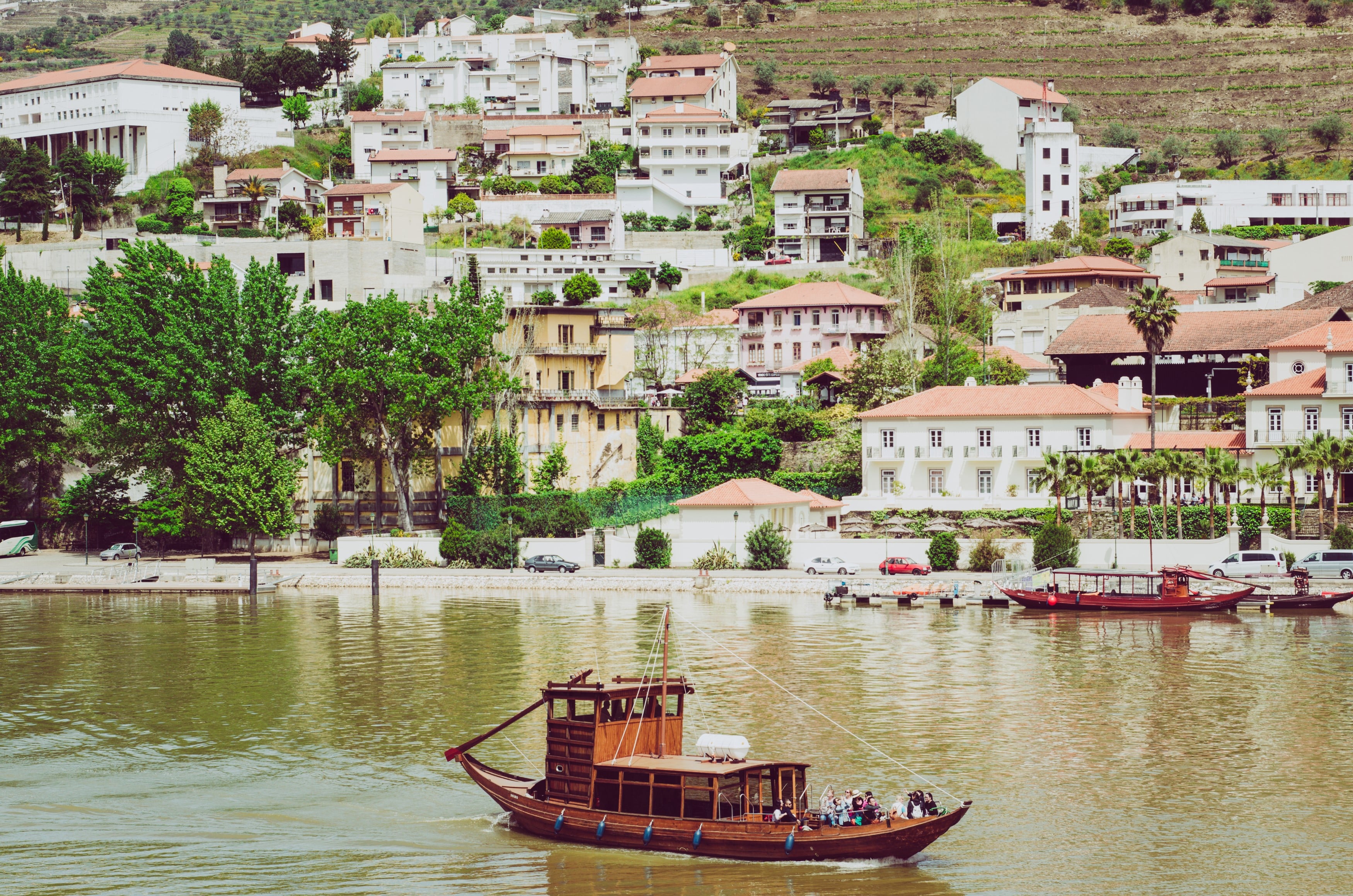
01Douro Valley
hand-built schist terraces above a winding river and the birthplace of Port. About 1h30 from Porto, 3h30 from Lisbon. Best from May to October.
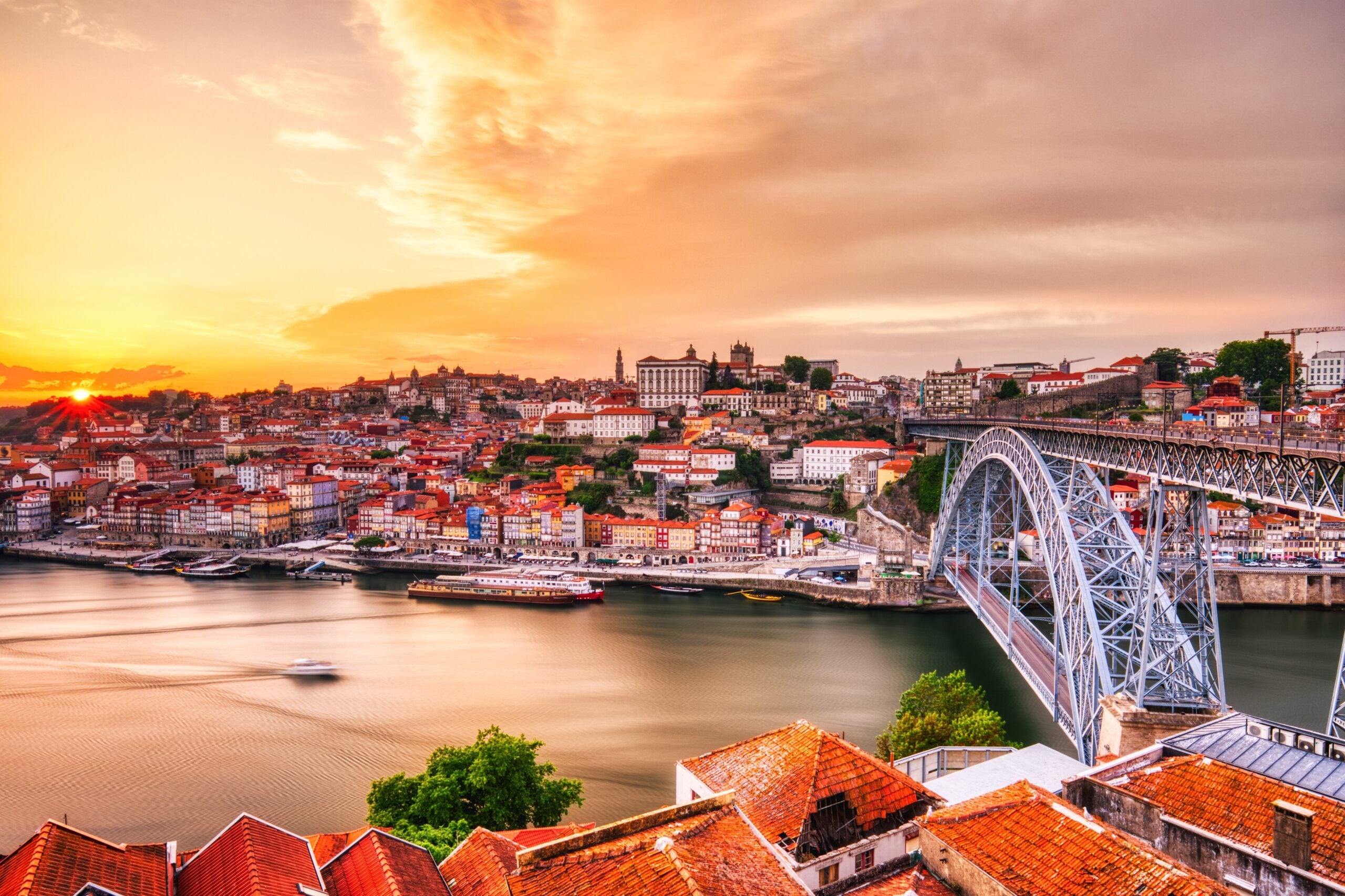
02Porto & Vila Nova de Gaia
the historic Port lodges on Gaia's riverbank, open all year. About 3 hours from Lisbon by car or train.
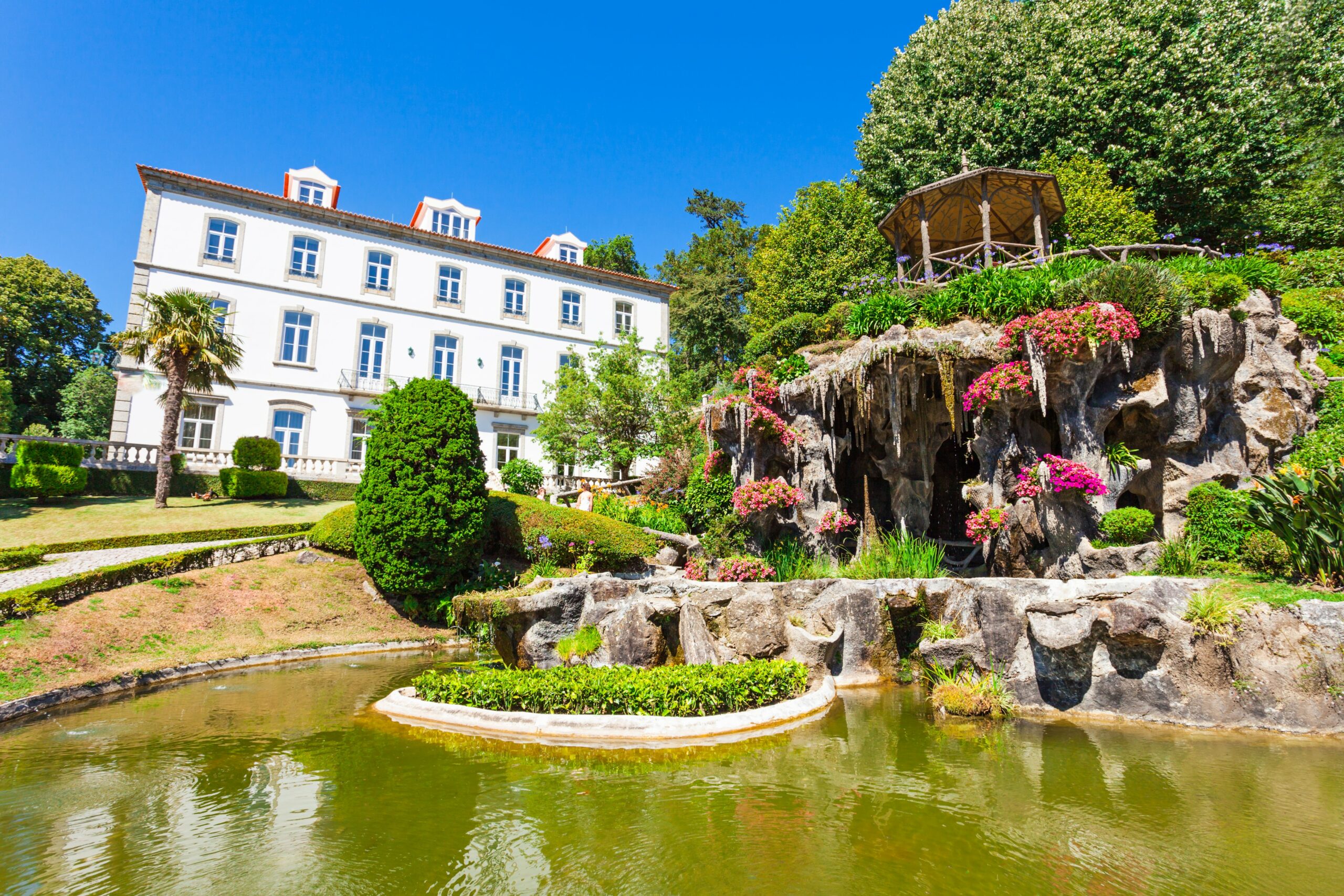
03Minho & Vinho Verde
granite manors, vines on pergolas and crisp Alvarinho and Loureiro whites. 45 minutes to 1h30 from Porto.
04The Alentejo
rolling plains, cork oaks, rich reds and amphora wine. About 1h30 from Lisbon to Évora. Best March to June and September to November.
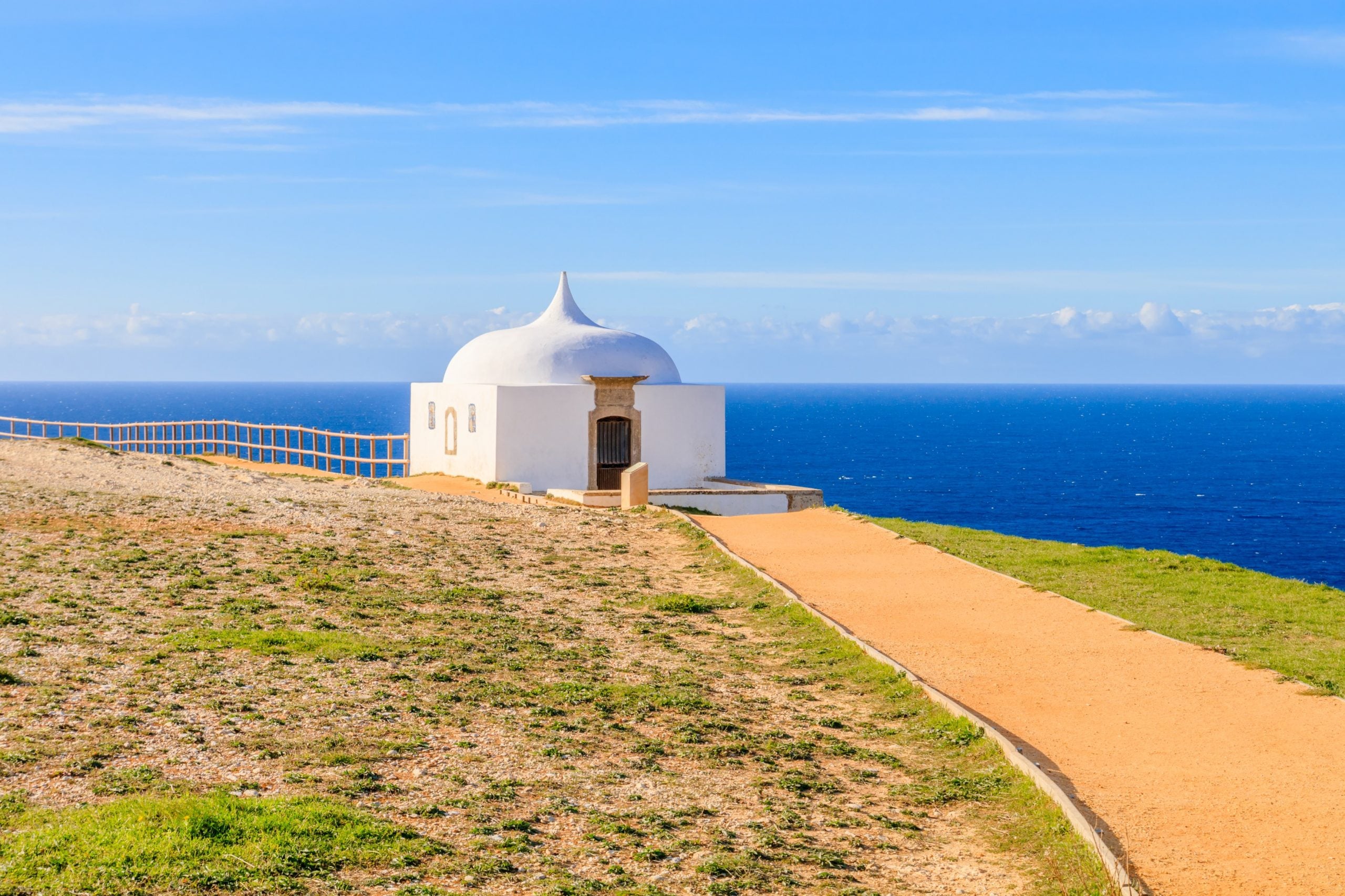
05Lisbon & Sintra
the rare Colares wines grown in sand dunes. About 40 minutes from Lisbon.
06Setúbal & Arrábida
golden Moscatel de Setúbal beneath limestone mountains. About 45 minutes from Lisbon.
How to choose your regions
If you have one day from Lisbon, the closest regions are Sintra and Colares, Setúbal and Azeitão, or Évora in the Alentejo. If you are based in Porto, the Port lodges of Gaia are across the bridge, Vinho Verde estates are within an easy drive, and the Douro rewards at least one overnight stay. A full week lets you link the south and the north: Lisbon and Sintra, Arrábida, the Alentejo, then north via Coimbra to Porto and the Douro.
Portugal is compact, but wine roads are not motorways. In the Douro especially, the roads hug the hillsides and a relaxed estate lunch is part of the experience. Plan two or three wineries a day, no more.
Complimentary PDF · 2027 edition
The Insider's Guide to Portugal Wine Country
- 30 pages · six regions mapped
- Hand-picked wineries, Port lodges and wine hotels
- Grapes, Port styles, best months and sample itineraries
Booking tastings
Almost every estate in Portugal receives visitors by appointment only, and the best slots fill weeks ahead in high season. Visit formats and opening hours change, so always confirm before you go. Some cellars, such as the private Quinta do Noval or the cult Herdade do Mouchão, open only for arranged visits.
Why a private driver makes sense
Portugal's legal blood alcohol limit is 0.5 g/l, and 0.2 g/l for new and professional drivers. Mountain roads in the Douro are unforgiving. With a private English-speaking driver-guide and a Mercedes-Benz vehicle, everyone in your group can enjoy the tastings, cellar doors are booked for you, and you have one point of contact before and during your trip. Our 8 to 12 day journeys across mainland Portugal can be built around the wineries you love, with Sintra included in every one.