The history of Serra da Estrela: mountains, wool and memory
The history of Serra da Estrela connects Ice Age landscapes with shepherding communities, medieval frontier towns and the wool factories of Covilhã. Read the mountains through their surviving landmarks, then choose a realistic route that leaves time to understand what you are seeing.
The history of Serra da Estrela in 11 key moments
Serra da Estrela is not the story of a single monument. Its history stretches across the high plateau, the Zêzere valley and the surrounding towns, where mountain resources shaped livelihoods over thousands of years.
01Glaciers shape the mountains (approximately 25,000–12,000 years ago)
During the last glacial period, ice sculpted the upper Serra da Estrela, leaving broad valleys, rock basins and other landforms still visible today. The Zêzere glacial valley above Manteigas is the clearest introduction to this much older landscape. Insider tip: look for the valley’s broad U-shaped profile rather than expecting to find surviving ice; there are no glaciers here today.
02Farming and pastoral communities take root (Neolithic and Chalcolithic periods)
Prehistoric communities farmed, kept livestock and built megalithic monuments around the mountain region. Archaeology provides evidence of these early societies, although it does not justify assigning a precise prehistoric origin to today’s cheese recipes or shepherding customs. Insider tip: start with the archaeological collections at Museu da Guarda to put the region’s scattered prehistoric remains into context.
03Roman estates and roads connect the foothills (1st–4th centuries AD)
Roman settlement linked the mountain’s surrounding valleys to wider networks of agriculture, trade and administration. Near Belmonte, the substantial granite tower of Centum Cellas survives from this period and is generally interpreted as part of a Roman villa complex. Insider tip: treat the familiar description of the tower as a Roman prison with caution; that is not the accepted archaeological explanation.
04Medieval towns strengthen the frontier (12th–13th centuries)
Portugal’s early monarchs encouraged settlement and defence around the mountains. Covilhã received a royal charter from Sancho I in 1186, and Guarda was founded by the same king in 1199. Castles, markets and municipal privileges helped organise a region whose economy also depended on livestock and wool. Insider tip: compare elevated Guarda with the mountain-facing castle at Linhares da Beira to understand how different sites controlled movement through the landscape.
05Jewish communities face forced conversion (1496–1497 and after)
Manuel I’s expulsion decree of 1496 and the forced conversions of 1497 transformed Jewish life in Portugal. Belmonte, on the eastern side of the mountain region, became especially significant for the survival of Jewish practices in secrecy across generations. Insider tip: visit its Jewish museum before exploring the surrounding streets; it explains why this history is about a living community, not simply a former Jewish quarter.
06Royal investment expands wool production (1764)
The establishment of the Real Fábrica de Panos in Covilhã under the Marquis of Pombal marked an important phase of state-backed textile manufacturing. Mountain wool, water and accumulated craft knowledge helped make Covilhã a major wool-working centre. Insider tip: the surviving dyeing structures at the Museu de Lanifícios make the manufacturing process much easier to understand than a general overview of industrial history.
07Mechanisation transforms Covilhã (19th century)
Industrialisation enlarged textile production and reshaped Covilhã with factories, workers’ neighbourhoods and increasingly mechanised processes. The Goldra and Carpinteira streams were important corridors of industrial development. Insider tip: allow time to look at the town’s steep terrain and former factory buildings outside the museum; the relationship between water, slope and industry is part of the story.
08A scientific expedition studies the Serra (1881)
The Sociedade de Geografia de Lisboa organised a major scientific expedition to Serra da Estrela, bringing systematic attention to its geology, climate, plants and mountain communities. The expedition helped establish the massif as a subject of national scientific interest. Insider tip: pair this chapter with a landscape stop above Manteigas, where the terrain investigated by early researchers remains clearly legible.
09The mountain gains natural-park protection (1976)
The creation of Parque Natural da Serra da Estrela recognised the importance of its habitats, geology and cultural landscape. Protection concerns a lived-in mountain, including villages and pastoral traditions, rather than an uninhabited wilderness. Insider tip: keep to established paths and designated stopping places; sensitive upland vegetation can be damaged by apparently harmless shortcuts.
10Serra da Estrela cheese receives European protection (1996)
Queijo Serra da Estrela was registered as a Protected Designation of Origin at European level in 1996. Its defined production area and methods protect a cheese made from raw sheep’s milk using cardoon as the coagulant. This recognition formalised an existing regional tradition; it did not mark the invention of the cheese. Insider tip: look for the DOP identification when buying, rather than assuming every cheese sold in a mountain village is certified Queijo Serra da Estrela.
11The landscape gains UNESCO geopark recognition (2019)
Estrela became a UNESCO Global Geopark, recognising geological heritage and its connections with education, local communities and sustainable development. This is different from inscription as a UNESCO World Heritage Site. Insider tip: use the geopark’s interpretation to connect granite formations and glacial valleys with settlement, building materials and mountain livelihoods.

Trusted across Portugal and Spain
Journeys backed by 1,300+ verified reviews
Consistently five-star rated since 2012, Portugal Magik is a TripAdvisor Hall of Fame recipient. Our Portugal Ambassadors bring local knowledge, thoughtful service and dependable private travel to every journey.

Travel with Portugal Magik
Explore Portugal in a Mercedes-Benz V-Class
For smaller groups, a private V-Class offers a comfortable way to travel between places, with an English-speaking driver, door-to-door pickup and a flexible itinerary planned with our team. Vehicle choice depends on your group and availability.
Plan a personalized journey →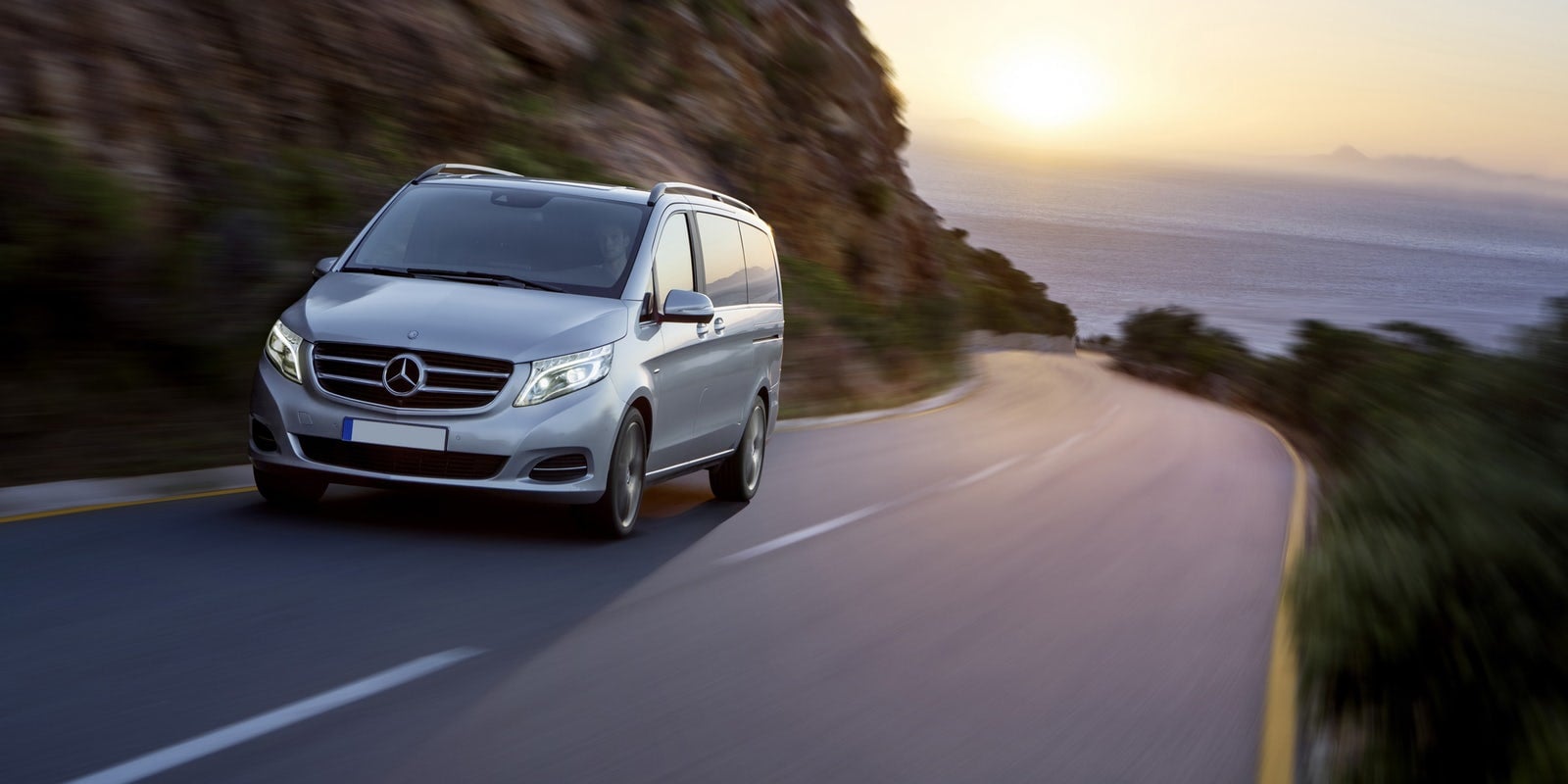
Where Serra da Estrela history can still be seen today
When choosing historic sites in Serra da Estrela, distinguish between places inside the massif and towns around its edges. Covilhã, Guarda and Belmonte belong in the wider historical picture, but visiting all of them alongside the high mountain in one day would leave little time for meaningful stops.
01Museu de Lanifícios, Covilhã
The University of Beira Interior’s wool museum is the strongest starting point for the region’s industrial story. Its Real Fábrica de Panos and Real Fábrica Veiga sites explain different stages of textile production, connecting machinery and surviving structures with the people who worked here. Insider tip: check which museum sites are open on your chosen date and allow at least 60–90 minutes for a focused visit, rather than treating the museum as a quick photograph stop.
02Guarda Cathedral and the old town
Founded in 1199, Guarda preserves a medieval street pattern, surviving defensive elements and a cathedral whose construction began much later, in the late 14th century. Its fortress-like exterior and Gothic and Manueline details reflect a long building history, not a single founding moment. Insider tip: walk around the cathedral before entering; the buttresses and mass of granite are particularly revealing from the adjoining streets. Respect worship and any access restrictions.
03Linhares da Beira Castle and village
On the northwestern side of the Serra, Linhares retains a medieval castle above granite houses and lanes. The surviving fortifications largely reflect medieval rebuilding, including work associated with the reign of King Dinis. The site helps explain the strategic importance of settlements overlooking approaches to the mountain. Insider tip: wear shoes with good grip; uneven paving and exposed castle areas deserve more attention than the village’s small size might suggest.
04Belmonte’s Jewish museum and historic centre
Belmonte offers essential context for Jewish life, forced conversion and the preservation of religious identity in Portugal. The Museu Judaico de Belmonte is an appropriate starting point, while the town’s present-day Jewish community reminds visitors that this is not only a historical subject. Insider tip: do not assume that the synagogue is open for casual visits; confirm access arrangements and treat religious spaces as places of worship.
05Centum Cellas, near Belmonte
At Colmeal da Torre, roughly 4 km from Belmonte, this tall Roman granite structure gives the eastern foothills a striking link to antiquity. Its original function has prompted several theories, but interpretation as part of a villa complex is more credible than the popular prison legend. Insider tip: combine it with Belmonte rather than making a long mountain detour solely for this one stop, and check current site access before travelling.
06The Zêzere glacial valley and Manteigas
The valley is a geological landmark rather than a built monument, but it explains much of the human story: routes, water, settlement and the conditions surrounding pastoral life. Manteigas adds its own textile heritage, including burel, a dense woollen cloth associated with practical mountain clothing. Insider tip: ask whether a cloth or garment is actually made locally; a shop’s mountain setting alone does not establish its provenance.
07Museu do Pão, Seia
This modern museum interprets bread-making and the wider rural world rather than preserving an ancient bakery unchanged. It is useful for families and for visitors interested in how farming, milling and food traditions supported communities around the Serra. Insider tip: pair it with Seia and the western foothills; adding Belmonte on the opposite side of the massif makes a much larger itinerary.
For help choosing between industrial history, medieval villages and Jewish heritage, ask Portugal Magik for a personalized route built around the subjects that interest you most.
How a private guided day brings the history to life
The most rewarding day follows one historical thread instead of chasing every landmark. A Portugal Ambassador is a knowledgeable local English-speaking driver-guide from Portugal who can explain the connections between the landscape and the towns, while leaving proper time for museum visits and walking stops.
For wool and mountain history, begin in Covilhã, visit the Museu de Lanifícios, then continue towards Manteigas and the Zêzere valley if conditions allow. A regional lunch can introduce Queijo Serra da Estrela and local bread without turning the day into a succession of rushed stops. Museum opening hours should determine the order, and mountain roads should determine the pace.
For a heritage-focused day with less emphasis on the high mountain, consider Guarda, Belmonte and nearby Centum Cellas. This brings together medieval settlement, Jewish history and Roman archaeology. Linhares da Beira works especially well on a separate western or northern approach, rather than as an automatic addition to an already full route.
Starting location matters. Lisbon to Covilhã is approximately 280 km and usually around three hours each way before breaks, traffic or mountain detours. A Lisbon day trip is therefore a long outing: focus on Covilhã and a limited selection of nearby stops. For a broader understanding of the Serra, a two- or three-day private tour is more comfortable, or arrange a private transfer and begin your sightseeing after an overnight stay in the region.
Portugal Magik provides private Mercedes-Benz transfers and private day and multi-day tours, with an English-speaking driver, door-to-door pickup and flexible itineraries. A Mercedes-Benz V-Class can be a comfortable option for smaller groups on these longer journeys, subject to availability. Museum admission, religious-site access and any third-party visits remain subject to their own opening arrangements.
Established in 2012, Portugal Magik has 1,300+ verified reviews and is consistently five-star rated. Share your pickup location, travel dates and preferred historical themes to request a personalized itinerary that balances useful context with unhurried time on the ground.
Your route
Direct or with stops
Tell us where you would like to pause along the way and we shape the day around it.
Request a proposal →Your pace
One day or several
Spread the journey over a few days with overnight suggestions from our team.
Request a proposal →Your Ambassador
A local by your side
An English-speaking driver-guide from Portugal in a private Mercedes-Benz.
Request a proposal →★★★★★ 1,300+ verified reviews · TripAdvisor Hall of Fame · Since 2012
Keep exploring
Related journeys and routes
The history of azulejos in Portugal: a living art
The history of azulejos in Portugal unfolds across palace walls, church interiors and everyday street façades. Follow their journey from imported geometric tiles to vast painted narratives, then discover where to read that history on the mainland today.
Read more →The history of Peneda-Gerês: Roads, Castles and Mountain Life
The history of Peneda-Gerês stretches from prehistoric burial grounds and Roman roads to frontier castles, communal granaries and villages reshaped by reservoirs. Understanding these layers turns a mountain journey into a richer encounter with northern Portugal’s people, landscapes and traditions.
Read more →The history of Mafra: From Medieval Town to Royal Monument
The history of Mafra stretches far beyond its monumental palace, connecting a medieval community with royal ambition, religious life and Portugal’s transition to a republic. Around 40 km northwest of Lisbon, its basilica, library, gardens and former royal hunting grounds make those changes unusually easy to trace.
Read more →Frequently Asked Questions
Personalized and without obligation
Speak with a travel designer
1,300+ five-star reviews · TripAdvisor Hall of Fame · Trusted since 2012 · Mercedes-Benz fleet