The history of Porto: From River Port to Invicta
The history of Porto unfolds along the Douro, from the cathedral hill to merchant quays, wine warehouses and iron bridges. Follow the events that shaped the city, then discover where their traces remain in its streets and buildings.
The history of Porto in 10 key moments
Porto grew through its relationship with the Douro: a river that carried goods, attracted merchants and sometimes became a battlefield. These ten moments explain the city beyond its familiar waterfront silhouette.
01Roman-era roots (1st–5th centuries CE)
The Porto–Gaia area formed part of the Roman world, with settlements and trading activity around the Douro crossing. The ancient names Portus and Cale are central to the later name Portucale, although identifying their precise early locations requires care. Local tip: start at the Casa do Infante museum, where archaeological remains reveal layers much older than the medieval waterfront.
02Vímara Peres and the County of Portucale (868)
Vímara Peres secured the Porto area for the Christian kingdom of Asturias during its southward expansion. This was an important stage in the development of the County of Portucale, not the founding of independent Portugal, which came centuries later. Local tip: look for his equestrian statue beside Porto Cathedral before exploring the surrounding lanes.
03An episcopal city takes shape (1120–12th century)
In 1120, Teresa, mother of the future King Afonso Henriques, granted the town to Bishop Hugo. Episcopal authority helped shape medieval Porto, while construction of the present cathedral began during the 12th century. Local tip: view the cathedral from Terreiro da Sé to appreciate its fortress-like Romanesque exterior before examining later additions.
04A royal marriage strengthens an alliance (1387)
João I married Philippa of Lancaster in Porto, reinforcing the Anglo-Portuguese relationship formalized by the Treaty of Windsor in 1386. Their marriage linked the city to a dynasty that would shape Portuguese expansion overseas. Local tip: São Bento station's tile panels include the ceremonial entry of João I and Philippa into Porto; seek out that scene rather than photographing only the hall as a whole.
05Shipbuilding and the Ceuta expedition (1415)
Porto contributed ships and supplies to the expedition that captured Ceuta in North Africa. Tradition connects the city's nickname, tripeiros, with residents giving better cuts of meat to the fleet and keeping offal for themselves; this is a cherished story rather than an established explanation. Local tip: try tripas à moda do Porto, a real local dish combining tripe, white beans and meats.
06Wine commerce reshapes the riverfront (1703–1756)
The Methuen Treaty of 1703 supported the wine trade with Britain. In 1756, the Portuguese crown established the Companhia Geral da Agricultura das Vinhas do Alto Douro, ushering in regulation and demarcation of the Douro wine region. Local tip: compare Porto's merchant waterfront with the warehouses across the river in Vila Nova de Gaia, where port wine traditionally matured before export.
07The French invasion and bridge disaster (1809)
During the French capture of Porto on 29 March, civilians fleeing across the Ponte das Barcas, a bridge of boats, died when the crossing failed. In May, Anglo-Portuguese forces under Arthur Wellesley crossed the Douro and forced the French withdrawal. Local tip: look for the Alminhas da Ponte memorial on the Ribeira waterfront, which commemorates the March tragedy.
08The Siege of Porto and the liberal cause (1832–1833)
Liberal forces supporting Pedro IV held Porto against the absolutist army of his brother Miguel during Portugal's civil war. The prolonged siege became central to the city's identity as Invicta, or unconquered. Local tip: visit Lapa Church to understand another connection with Pedro IV: his heart is preserved there, although it is not an ordinary museum display.
09Iron bridges and political change (1877–1891)
The Maria Pia railway bridge opened in 1877, followed by the Dom Luís I Bridge in 1886. These engineering projects transformed connections across the Douro. On 31 January 1891, Porto also witnessed a republican uprising, which failed but anticipated the republic established in 1910. Local tip: Rua de 31 de Janeiro preserves the uprising's date in the everyday street map.
10World Heritage recognition (1996)
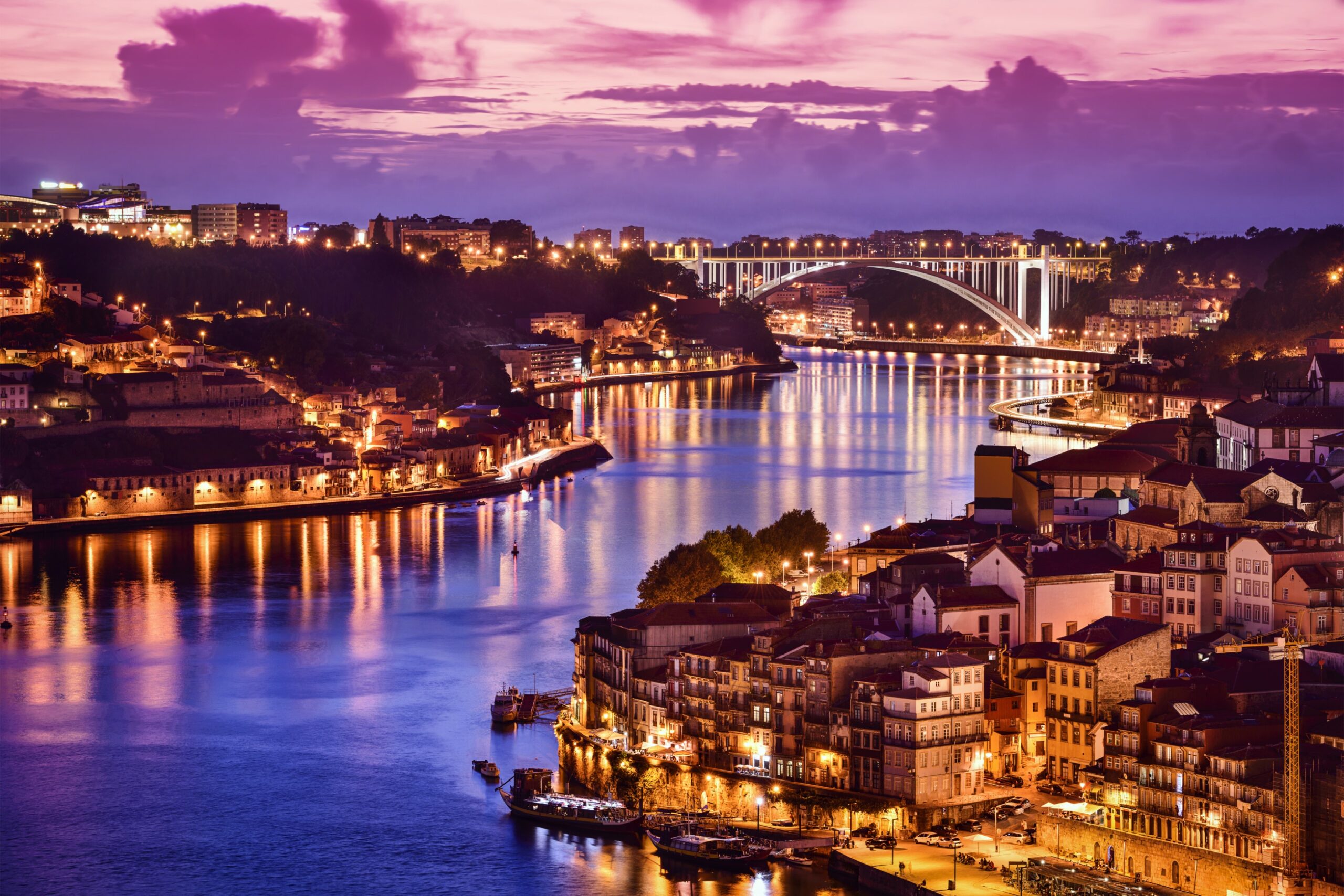
UNESCO inscribed Porto's historic centre on the World Heritage List in 1996, recognizing an urban landscape shaped over many centuries. Its significance lies in the relationship between buildings, steep streets and the river, not simply a handful of monuments. Local tip: cross to Gaia for a view that makes the cathedral hill, stacked houses and waterfront easier to read together.
Trusted across Portugal and Spain
Journeys backed by 1,300+ verified reviews
Consistently five-star rated since 2012, Portugal Magik is a TripAdvisor Hall of Fame recipient. Our Portugal Ambassadors bring local knowledge, thoughtful service and dependable private travel to every journey.

Travel with Portugal Magik
Explore Portugal in a Mercedes-Benz V-Class
For smaller groups, a private V-Class offers a comfortable way to travel between places, with an English-speaking driver, door-to-door pickup and a flexible itinerary planned with our team. Vehicle choice depends on your group and availability.
Plan a personalized journey →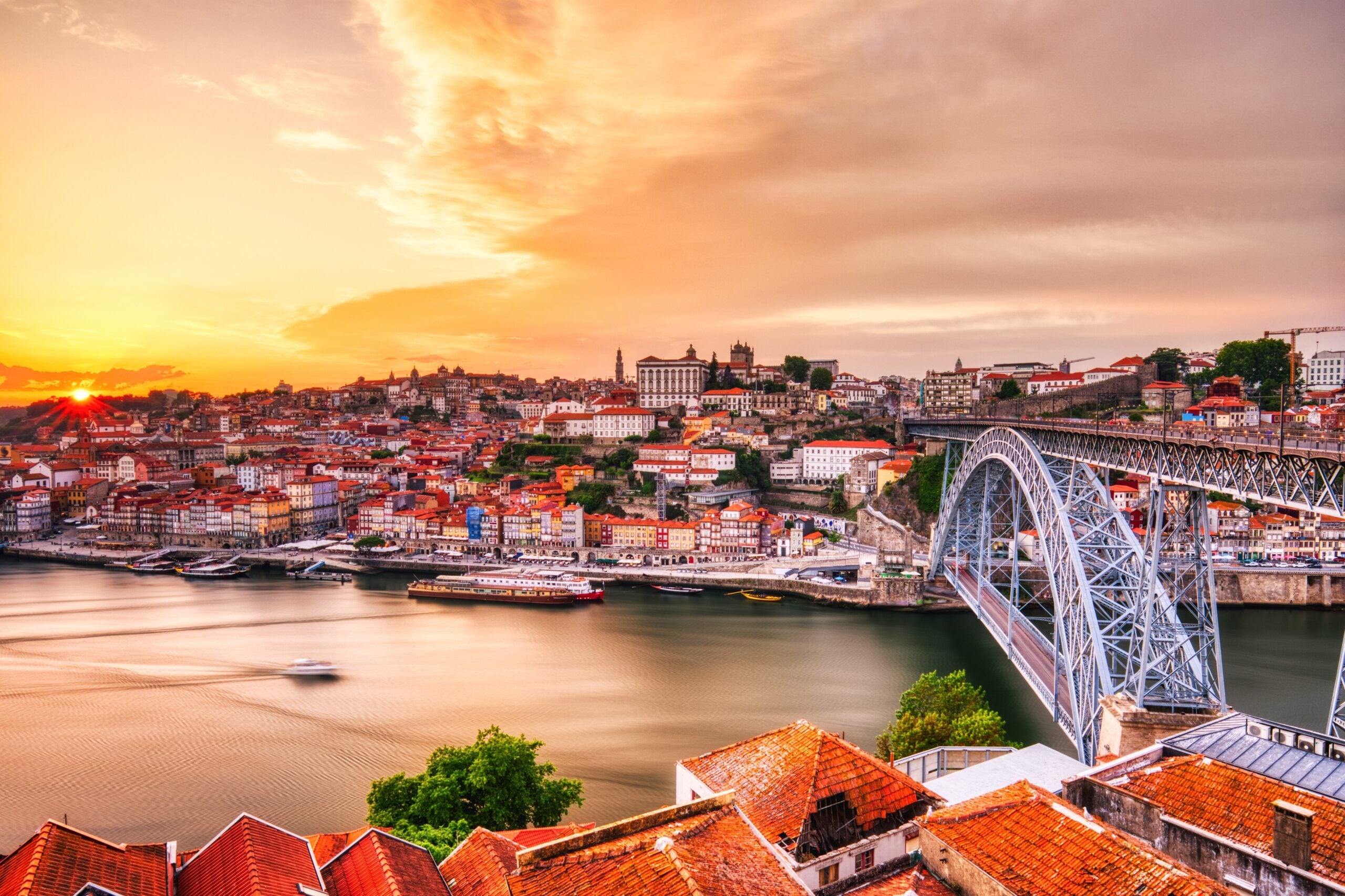
Where Porto's history is still visible today
Among the historic sites Porto preserves, the most revealing are often close together but separated by steep climbs. The cathedral, São Bento and Ribeira form a compact historical core; allow more time than their map distances suggest.
01Porto Cathedral and Terreiro da Sé
The cathedral's Romanesque origins, Gothic cloister and later Baroque alterations make it a useful introduction to the city's changing tastes and sources of power. The Episcopal Palace beside it reinforces the importance of church authority. Local tip: examine the exterior first, then distinguish the architectural periods inside rather than treating the whole complex as a single medieval building.
02Casa do Infante
Near the river on Rua da Alfândega, this former royal customs complex dates to the 14th century and traditionally marks the birthplace of Infante Henrique, known in English as Henry the Navigator, in 1394. Its archaeological remains extend the story back into antiquity. Local tip: use the museum to understand customs duties and river commerce, not only the association with a royal birth.
03Muralha Fernandina at Guindais
Surviving stretches of the 14th-century defensive walls show how Porto expanded beyond its earlier enclosure. The Guindais section, near the Dom Luís I Bridge, makes the city's steep defensive setting especially clear. Local tip: observe the wall from the surrounding streets before deciding whether to add the nearby steps; this is a demanding area for anyone uncomfortable with gradients.
04Church of São Francisco
Its predominantly Gothic structure encloses an extraordinary Baroque interior covered in gilded woodcarving. That contrast tells a story of later wealth transforming an older religious building without replacing its entire shell. Local tip: look closely at the Tree of Jesse carving, which represents the genealogy of Christ, rather than letting the quantity of gold dominate your visit.
05Palácio da Bolsa
Construction began in 1842 on the site of the former Franciscan convent. Built for Porto's Commercial Association, the palace expresses the confidence of the city's merchants, most famously in its Arab Room, inspired by Islamic decorative traditions. Local tip: check the timing and language of the palace's own guided visits before arranging the rest of your morning; access follows the venue's visiting arrangements.
06Ribeira and Praça da Ribeira
This was a working waterfront long before it became a popular place to pause over lunch. The narrow plots, tall houses and passages climbing uphill reflect the pressures of trading beside a busy river. Local tip: step away from the restaurant terraces into the lanes behind the square to see how little space separated homes, storage and commercial activity.
07Dom Luís I Bridge and the Gaia waterfront
Opened in 1886, the bridge was designed by Théophile Seyrig, a former partner of Gustave Eiffel; it should not simply be credited to Eiffel. Across it, Gaia's wine lodges explain the storage and export side of port wine history. Local tip: the lower crossing connects the two waterfronts, while the upper level offers a different perspective and requires care around operating trams.
08São Bento Railway Station
Inaugurated in 1916 on the site of the former São Bento de Avé Maria convent, the station contains Jorge Colaço's celebrated azulejo panels. Their subjects combine historical episodes with rural life and changing forms of movement. Local tip: treat the entrance hall as a visual history lesson, but remember it remains a working station and keep circulation routes clear.
09Clérigos Church and Tower
Designed by Nicolau Nasoni, the Clérigos complex is one of Porto's defining Baroque landmarks; the tower was completed in 1763. Its prominence reflects the role of religious commissions in reshaping the 18th-century skyline. Local tip: climbing the tower involves more than 200 steps, so choose the church and exterior instead if stairs would make the day less comfortable.
10Lapa Church
North of the principal riverfront sights, Lapa provides a quieter encounter with Porto's liberal history. Pedro IV's heart is preserved in a monument here, honoring his wish to leave it to the city that supported his cause. Local tip: distinguish visiting the church from seeing the heart itself; the preserved organ is not routinely exposed to visitors, and worship should guide the pace of a visit.
For a first visit, choose a few interiors rather than trying to enter every landmark. Ask Portugal Magik for a personalized route that balances your historical interests with the hills, opening hours and time you want to spend on foot.
How a private guided day brings Porto's past to life
A rewarding day follows the story rather than simply collecting sights. With a Porto pickup, begin around the cathedral to establish the medieval city, continue to São Bento for its tiled historical scenes, then work downhill toward the customs house and Ribeira. After lunch, choose the merchant story at Palácio da Bolsa or cross to Gaia to understand the port wine waterfront. Clérigos or Lapa can replace another stop if Baroque architecture or the Liberal Wars particularly interest you.
Your Portugal Ambassador is a knowledgeable local English-speaking driver-guide from Portugal. Their role is to connect the places with the people, trade and conflicts that shaped them, while adapting the driving route and stops to your interests. Monument interiors operate under their own opening hours and visitor arrangements; some, including Palácio da Bolsa, use their own guided visits.
Portugal Magik offers private day and multi-day tours and private Mercedes-Benz transfers, with door-to-door pickup and flexible itineraries. For smaller groups, a private Mercedes-Benz V-Class is a comfortable option, subject to availability. Vehicle access within the oldest lanes is restricted or impractical, so a thoughtful itinerary combines suitable drop-off points with manageable walking sections rather than promising doorstep access to every monument.
If you are starting in Lisbon, Porto is approximately 315 km away by road. Allow roughly three to three and a half hours of driving each way in normal conditions, excluding stops. A same-day visit is possible but leaves a limited sightseeing window; an overnight stay or a multi-day tour gives Porto history the time it deserves. Request a personalized Lisbon–Porto transfer or a multi-day itinerary if you would prefer not to compress the city into a long return journey.
Established in 2012, Portugal Magik has 1,300+ verified reviews, is consistently five-star rated and holds TripAdvisor Hall of Fame recognition. Share your starting point, available time and preferred historical themes to shape a private day around the Porto you most want to understand.
Your route
Direct or with stops
Tell us where you would like to pause along the way and we shape the day around it.
Request a proposal →Your pace
One day or several
Spread the journey over a few days with overnight suggestions from our team.
Request a proposal →Your Ambassador
A local by your side
An English-speaking driver-guide from Portugal in a private Mercedes-Benz.
Request a proposal →★★★★★ 1,300+ verified reviews · TripAdvisor Hall of Fame · Since 2012
Keep exploring
Related journeys and routes
The history of azulejos in Portugal: a living art
The history of azulejos in Portugal unfolds across palace walls, church interiors and everyday street façades. Follow their journey from imported geometric tiles to vast painted narratives, then discover where to read that history on the mainland today.
Read more →The history of Peneda-Gerês: Roads, Castles and Mountain Life
The history of Peneda-Gerês stretches from prehistoric burial grounds and Roman roads to frontier castles, communal granaries and villages reshaped by reservoirs. Understanding these layers turns a mountain journey into a richer encounter with northern Portugal’s people, landscapes and traditions.
Read more →The history of Mafra: From Medieval Town to Royal Monument
The history of Mafra stretches far beyond its monumental palace, connecting a medieval community with royal ambition, religious life and Portugal’s transition to a republic. Around 40 km northwest of Lisbon, its basilica, library, gardens and former royal hunting grounds make those changes unusually easy to trace.
Read more →Frequently Asked Questions
Personalized and without obligation
Speak with a travel designer
1,300+ five-star reviews · TripAdvisor Hall of Fame · Trusted since 2012 · Mercedes-Benz fleet