The history of Ericeira: Fishing, Royal Exile and Surf
The history of Ericeira runs from a medieval fishing settlement to the departure of Portugal’s last reigning king and the recognition of its Atlantic surf coast. Around 50 km northwest of Lisbon, its working harbour, coastal chapels and compact old centre make that history easy to explore on foot between carefully chosen stops.
The history of Ericeira in nine key moments
Ericeira’s story is not simply a progression from fishing village to surf destination. Fishing, coastal defence, commerce and seaside holidays overlap here, and the harbour remains the best place to start understanding why.
01A medieval charter establishes local rights (1229)
Frei Fernão Rodrigues Monteiro, master of the Order of Avis, granted Ericeira its first foral, or town charter. This regulated the settlement’s rights and obligations; it should not be mistaken for the date people first lived here. Local tip: begin above Praia dos Pescadores, where the relationship between the settlement and its small natural harbour is immediately clear.
02A port connects the town to wider markets (16th–19th centuries)
Fishing and maritime commerce sustained Ericeira long before tourism. Its port handled goods moving between coastal communities, Lisbon and the surrounding agricultural hinterland. The waterfront was a workplace, not simply a beach. Local tip: look at the steep approaches between the old centre and the harbour; they reveal how closely everyday town life depended on access to the sea.
03Coastal fortifications protect the anchorage (17th century)
Following the restoration of Portuguese independence in 1640, coastal defence gained renewed importance. Ericeira’s Forte de Nossa Senhora da Natividade belongs to this defensive landscape, guarding the harbour from its elevated position. Local tip: view the fort from both the town side and the waterfront to understand why its position mattered more than its size.
04Ericeira gives its name to a noble title (1655)
King João IV created the title Count of Ericeira for Diogo de Meneses. The title later became particularly associated with Luís de Meneses, the third count, a soldier and historian of Portugal’s Restoration period. This is a connection through a noble title, not evidence that every grand-looking local house was a count’s residence. Local tip: distinguish documented history from assumptions when exploring the older streets.
05The municipality is incorporated into Mafra (1855)
Ericeira ceased to be a separate municipality and became part of the municipality of Mafra. That administrative change explains why today’s Ericeira belongs to Mafra while retaining a strong identity of its own. Local tip: pair the coast with Mafra, roughly 10 km inland, to appreciate the contrast between a maritime settlement and the town dominated by its royal palace-convent.
06Portugal’s last reigning king leaves from the harbour (5 October 1910)
As the republic was proclaimed, King Manuel II departed Portugal from Ericeira with members of the royal family. They boarded the royal yacht Amélia offshore, beginning their exile. The departure gives this modest harbour a place in a major national turning point. Local tip: pause above Praia dos Pescadores before going down to the beach; the elevated view helps make sense of the departure setting.
07The fishing town develops as a seaside destination (20th century)
Ericeira increasingly attracted summer visitors drawn to its beaches, sea air and proximity to Lisbon. Holiday life developed alongside fishing rather than replacing it overnight. Local tip: walk from Praça da República toward Praia do Sul to see how the social centre and bathing coast fit together.
08Surfing adds another chapter to the coast’s identity (Late 20th century)
The reefs, points and beaches around Ericeira became increasingly prominent within Portuguese and international surfing. Surf culture brought new visitors and businesses, while older maritime traditions remained visible around the harbour. Local tip: compare Praia dos Pescadores with Ribeira d’Ilhas; their different coastal settings explain why fishing and surfing concentrate in different places.
09The coast becomes a World Surfing Reserve (2011)
Ericeira was dedicated as Europe’s first World Surfing Reserve and the world’s second. The reserve covers approximately 4 km of coastline and seven recognised surf breaks, including Ribeira d’Ilhas and Coxos. This is a surfing and coastal-conservation designation, not UNESCO World Heritage status. Local tip: visit the Ribeira d’Ilhas viewpoint even if you do not surf; it offers a clear introduction to this modern chapter of Ericeira history.
Plan with confidence
Plans change. Your options are clear.
Change dates without an extra change charge when available, and cancel early for a refund or travel credit. Our team confirms every detail before you pay.
Travel with Portugal Magik
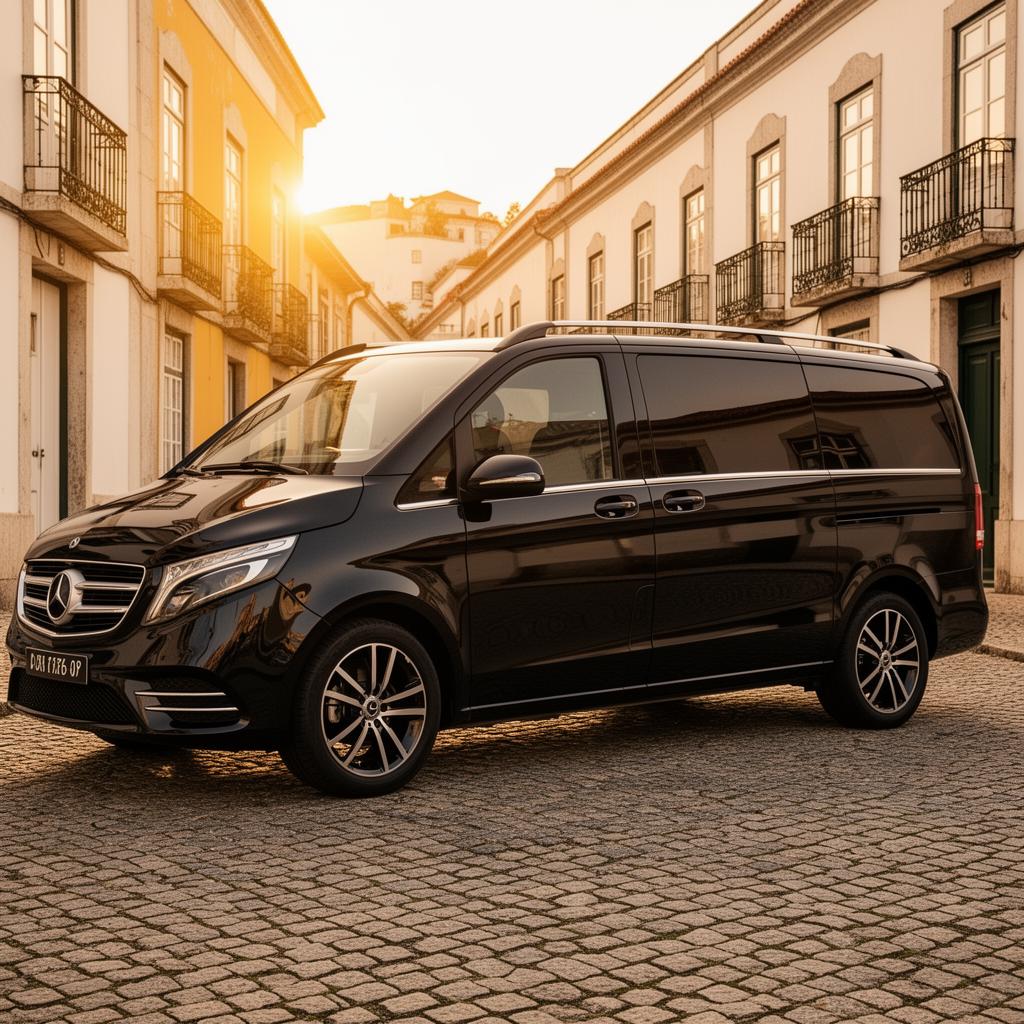
Explore Portugal in a Mercedes-Benz V-Class
For smaller groups, a private V-Class offers a comfortable way to travel between places, with an English-speaking driver, door-to-door pickup and a flexible itinerary planned with our team. Vehicle choice depends on your group and availability.
Plan a personalized journey →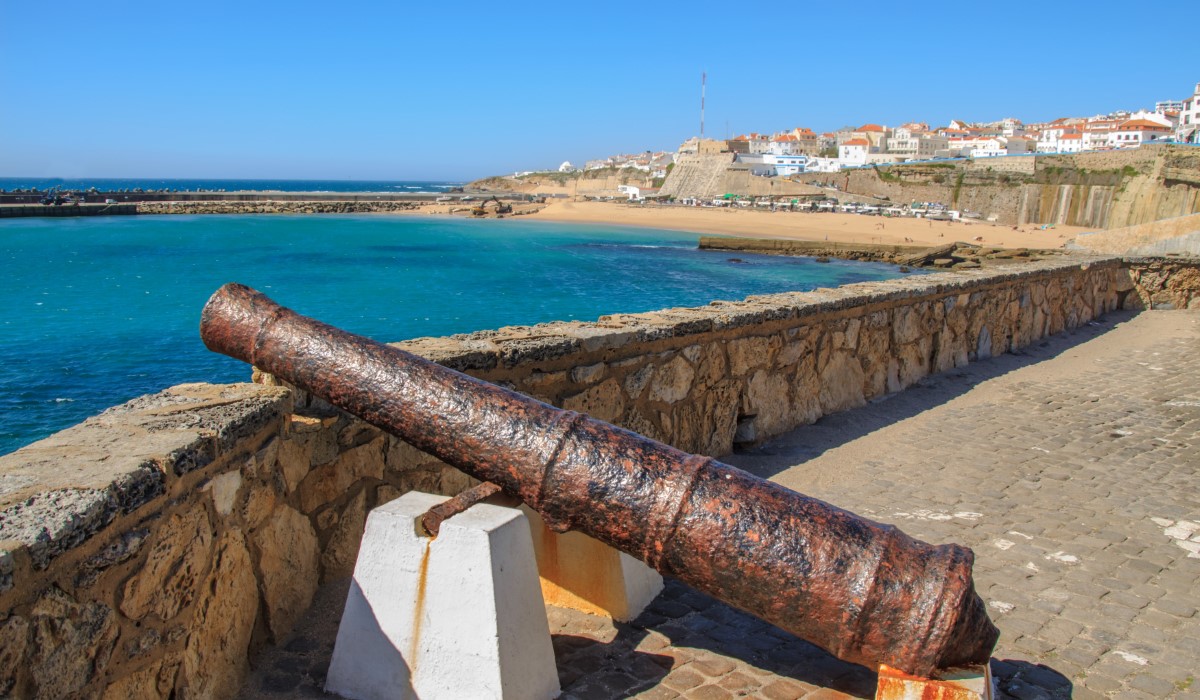
Historic sites Ericeira visitors should know
Most of the older sights sit within a compact centre, but cobbles, slopes and steps can make a short distance feel longer. Church and chapel interiors depend on opening arrangements; the harbour, streets and coastal viewpoints still provide a rewarding visit when doors are closed.
01Praia dos Pescadores and the fishing harbour
Also known as Praia da Ribeira, this is the essential starting point for both fishing history and the royal departure of 1910. Cliffs, boats and the town above give the setting a distinctive sense of scale. Local tip: take in the harbour from Largo das Ribas first, then descend if comfortable with the gradient. Keep working access clear and give fishing crews space.
02Forte de Nossa Senhora da Natividade
Above the harbour, this small coastal fort makes Ericeira’s defensive history tangible. Its position explains how a relatively modest installation could watch the anchorage and approaches below. Local tip: make the exterior and harbour outlook the core of your stop rather than relying on interior access; the surrounding views tell much of the story.
03Igreja de São Pedro
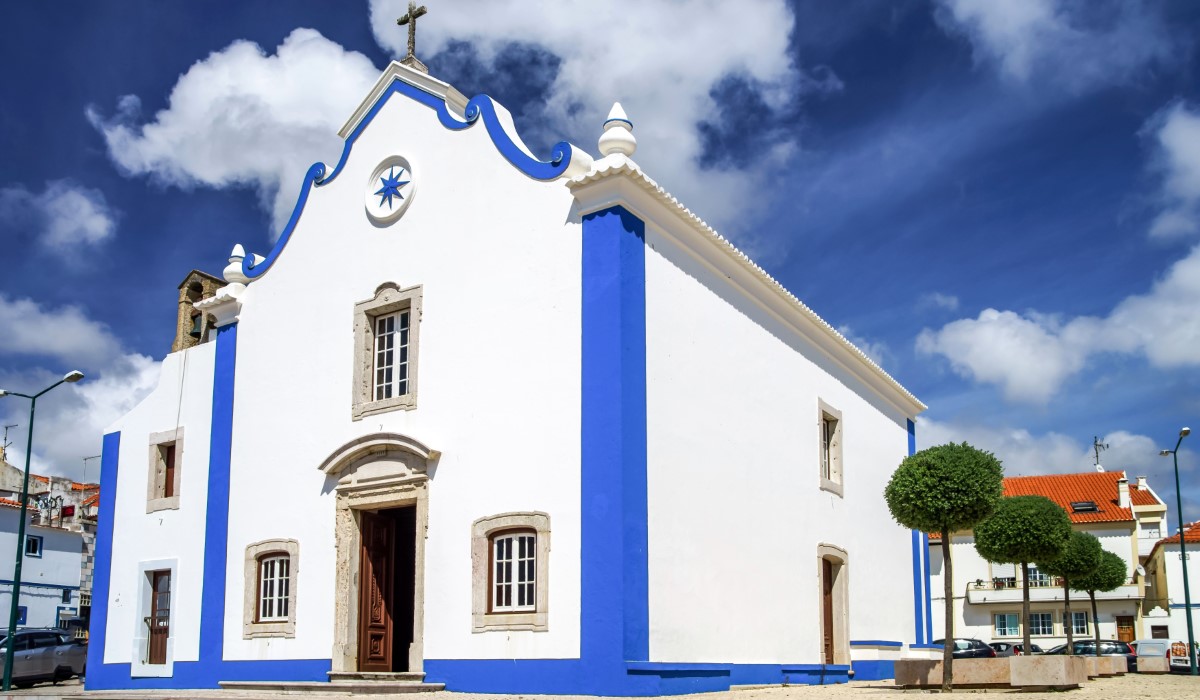
Ericeira’s parish church is dedicated to Saint Peter, a fisherman before becoming an apostle: a particularly resonant dedication in this town. Its religious art and decorative interior offer a different perspective from the beach and fort. Local tip: check whether a service is taking place before entering, and allow time to look quietly rather than treating the church as a quick photograph stop.
04Capela de São Sebastião
This small coastal chapel north of the centre is known for its tiled interior and exposed seaside setting. It introduces the devotional side of local history beyond the main parish church. Local tip: interior access is not guaranteed, so combine it with a walk along the nearby coast; bring a layer because the wind can feel markedly stronger here than in the sheltered streets.
05Praça da República and the old centre
Commonly called Jogo da Bola, Praça da República remains a useful place to understand Ericeira as a lived-in town rather than a collection of monuments. Narrow streets lead from this social centre toward the sea. Local tip: explore one or two streets away from the square and notice the changes in level, doorways and glimpses of water; avoid assuming that every whitewashed façade is medieval.
06Ribeira d’Ilhas
Around 3–4 km north of central Ericeira, this beach connects the town’s maritime past with its internationally recognised surf coast. It belongs in a history itinerary because surfing has shaped contemporary Ericeira so strongly. Local tip: use the viewpoint for an overview before deciding whether to go down to beach level; you do not need to enter the water to appreciate the setting.
07The Royal Building of Mafra, an inland companion stop
This is outside Ericeira, roughly 10 km inland, but adds valuable royal context. Construction began in 1717 under King João V, and the UNESCO-listed ensemble includes the palace, basilica and convent. Local tip: choose your priorities before arriving; a full palace visit takes substantially longer than an exterior stop and should not be squeezed into an already crowded coastal day.
For a day that connects these places without rushing, ask Portugal Magik for a personalized route combining Ericeira’s harbour, old centre and one or two wider stops.
How a private guided day brings Ericeira’s past to life
The most useful history-focused itinerary follows the landscape rather than ticking off every landmark. Start at the harbour to establish fishing, trade and the departure of Manuel II. Continue through the old centre to the fort and a church or chapel, then finish at Ribeira d’Ilhas to see how the Atlantic still shapes the town.
From central Lisbon, Ericeira is approximately 50 km away. Allow around an hour for the journey, depending on traffic and your pickup address. A comfortable full-day plan can give the town a relaxed morning, leave time for lunch and add either the surf coast or a substantial Mafra visit. Trying to include every church, a lengthy palace visit and several beaches usually weakens the experience.
Portugal Magik offers private day and multi-day tours with an English-speaking driver, private Mercedes-Benz transfers, door-to-door pickup and flexible itineraries. For smaller groups, a private Mercedes-Benz V-Class is a comfortable option for the Lisbon–Ericeira journey, subject to availability. Vehicle suitability depends on passenger numbers and luggage requirements.
The value of a driver-led day is in the pacing and connections: convenient drop-offs, time to explore the historic centre on foot and flexibility when a chapel is closed or coastal weather changes. An English-speaking driver service should not be confused with a specialist guided visit inside a monument; clarify the scope when requesting your itinerary.
Tell Portugal Magik whether your main interest is the royal departure, working maritime heritage, religious buildings or the history of surfing. Request a personalized private tour quote built around those priorities, or a door-to-door transfer if you prefer a simpler visit.