The history of Belmonte: Castle, Cabrals and Jewish Heritage
The history of Belmonte connects Roman settlement, medieval frontier politics, Atlantic exploration and Jewish traditions preserved through centuries of persecution. On this hilltop in Portugal’s Beira Interior, those stories remain visible in stone buildings, museum collections and a living religious community.
The history of Belmonte in 10 key moments
01Roman settlement around Belmonte (1st century AD)
Centum Cellas, near Colmeal da Torre, is the clearest surviving landmark of the area’s Roman past. Archaeological evidence associates the substantial granite structure with a Roman villa complex, although its precise original function has been debated. Insider tip: look for the lower foundations around the tower; they help explain why this was more than an isolated lookout.
02A royal charter establishes municipal rights (1199)
King Sancho I granted Belmonte its first foral, or municipal charter, defining local rights and obligations as the Portuguese monarchy consolidated settlement and authority inland. Insider tip: begin at the castle hill and look across the surrounding countryside to understand why this elevated settlement mattered.
03A fortified medieval town takes shape (13th–14th centuries)
Belmonte’s castle and the Church of Santiago reflect the town’s medieval development. Their surviving fabric belongs to different building phases rather than one single construction campaign. Insider tip: compare the castle’s defensive masonry with the church’s restrained Romanesque and Gothic features instead of treating both as monuments from exactly the same moment.
04The Cabral family gains the castle (1466)
Under Afonso V, Fernão Cabral became the hereditary governor of Belmonte’s castle. The fortress subsequently developed a residential role associated with this influential family, into which Pedro Álvares Cabral was born around 1467. Insider tip: seek out the castle’s Manueline window, a later feature that reveals its evolution beyond a purely military building.
05Expulsion orders and forced conversion (1496–1497)
Manuel I’s 1496 decree ordered Jews and Muslims to leave Portugal unless they converted; in 1497, many Jews were forcibly baptized. Some families in Belmonte maintained Jewish practices privately while outwardly living as Christians. Insider tip: visit the Jewish Museum before walking through the old Jewish quarter, where domestic buildings alone cannot explain this history.
06Cabral’s fleet reaches Brazil (1500)
On 22 April 1500, the fleet commanded by Pedro Álvares Cabral reached the coast of what is now Brazil while undertaking an expedition intended for India. This was a Portuguese arrival in an already inhabited land, not the beginning of its human history. Insider tip: use the Museum of the Discoveries to follow the wider voyage, rather than considering the Brazilian landfall in isolation.
07Religious life under the Inquisition (1536–1821)
The Portuguese Inquisition created a prolonged threat for New Christians suspected of practicing Judaism. In Belmonte, some families transmitted prayers and customs within the home, with women playing an important role in their preservation. Insider tip: give particular attention to explanations of household observance at the Jewish Museum; the domestic setting is central to the story.
08Samuel Schwarz documents the community (1917)
The Polish-born Jewish mining engineer Samuel Schwarz encountered Belmonte’s crypto-Jewish community and helped bring its history to wider attention. His work did not create or revive a vanished community: it documented people who had continued practicing aspects of their faith privately. Insider tip: look for references to Schwarz in the museum to distinguish outside recognition from the community’s own long continuity.
09Public communal organization and a synagogue (1989–1996)
Belmonte’s Jewish community formally organized in 1989, and the Bet Eliahu Synagogue was inaugurated in 1996. These developments marked a new, public chapter in local Jewish life. Insider tip: remember that the synagogue is a functioning religious building, not simply another museum; confirm visitor access and respect worship arrangements.
10A dedicated Jewish museum opens (2005)
The Jewish Museum of Belmonte opened in 2005, giving visitors a dedicated setting in which to understand Portuguese Jewish history and the particular experience of Belmonte’s community. Insider tip: allow time to read the interpretation rather than making this a quick photographic stop; it supplies essential context for the surrounding streets.

Plan with confidence
Plans change. Your options are clear.
Change dates without an extra change charge when available, and cancel early for a refund or travel credit. Our team confirms every detail before you pay.

Travel with Portugal Magik
Explore Portugal in a Mercedes-Benz V-Class
For smaller groups, a private V-Class offers a comfortable way to travel between places, with an English-speaking driver, door-to-door pickup and a flexible itinerary planned with our team. Vehicle choice depends on your group and availability.
Plan a personalized journey →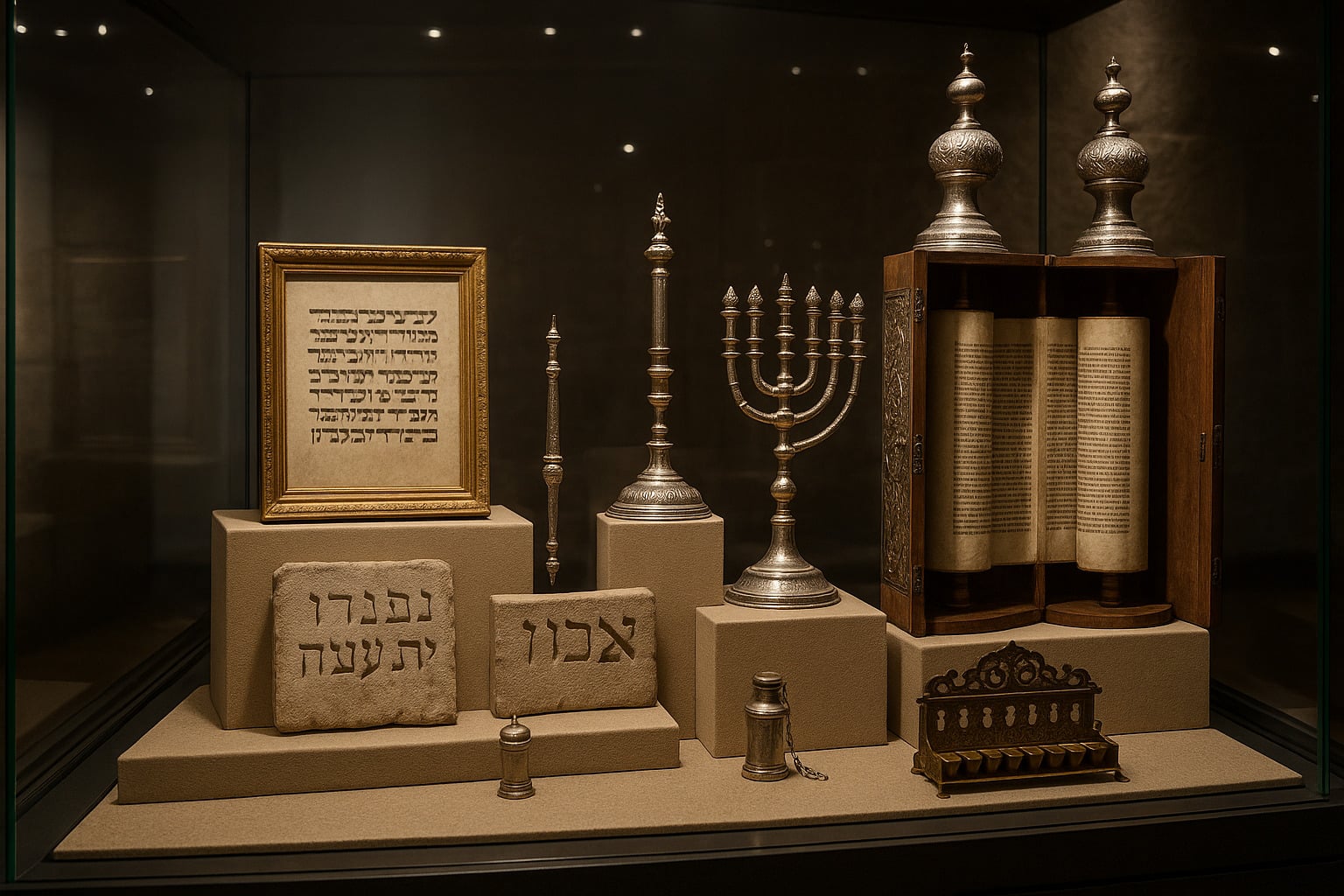
Where Belmonte history can still be seen today
The historic sites Belmonte is best known for are concentrated around the old town, with one important Roman landmark just outside it. Cobbles and gradients make comfortable footwear worthwhile, even on a visit with door-to-door pickup.
01Belmonte Castle
The walls above town connect medieval defense with the later influence of the Cabral family. The Manueline window is particularly useful for understanding the fortress’s adaptation as a residence. Insider tip: pause at a viewpoint over the Cova da Beira before entering; the landscape explains the castle’s position better than a date on a sign.
02Church of Santiago and the Cabral Pantheon
Close to the castle, this medieval church preserves architectural features and wall paintings alongside the Cabral family’s funerary heritage. It provides a quieter counterpoint to the castle’s political story. Insider tip: check access before planning your visit around the interior, and do not confuse the family pantheon with Pedro Álvares Cabral’s burial place in Santarém.
03Jewish Museum of Belmonte
This is the most useful starting point for understanding forced conversion, private religious practice and the community’s emergence into public life. It places individual objects within a history that buildings alone cannot tell. Insider tip: visit before exploring the old Jewish quarter so that the ordinary appearance of its houses becomes meaningful rather than disappointing.
04The old Jewish quarter and Bet Eliahu Synagogue
Around Rua Direita and Rua Fonte da Rosa, the streets connect the town’s Jewish past with its present. The synagogue, inaugurated in 1996, belongs to that modern chapter; it is not a surviving medieval synagogue. Insider tip: keep photography discreet around homes and religious spaces, and confirm synagogue visiting arrangements separately from museum opening hours.
05Museum of the Discoveries
Housed in the Solar dos Cabrais, this museum explores Portuguese maritime expansion and the connection between Belmonte, Cabral and Brazil. Its subject is the Atlantic world rather than the town’s medieval development. Insider tip: pair it with the castle to connect the Cabral family’s local status with Pedro Álvares Cabral’s royal command at sea.
06Centum Cellas
Around 3 km north of Belmonte, near Colmeal da Torre, this Roman granite structure adds a much earlier layer to the visit. Its monumental openings make it visually striking, but the excavated surroundings are equally informative. Insider tip: arrange this as a separate transfer stop rather than assuming it sits within the walkable old-town circuit.
Ask Portugal Magik to shape a personalized itinerary around the sites that interest you most, allowing proper time for Jewish heritage, the Cabral connection or the Roman remains.
How a private guided day brings Belmonte’s past to life
A rewarding day follows the historical connections rather than simply collecting entrances. Start at the castle and Church of Santiago for medieval Belmonte and the Cabrals, then give the Jewish Museum an unhurried visit before exploring the surrounding streets. Add the Museum of the Discoveries for the Brazil connection, or Centum Cellas for the region’s Roman past. The order should adapt to confirmed opening hours and your priorities.
Portugal Magik offers private Mercedes-Benz transfers and private day or multi-day tours with an English-speaking driver, door-to-door pickup and flexible itineraries. A driver-led day keeps the practical arrangements straightforward, while the museums provide detailed historical interpretation. Do not assume that specialist guiding inside monuments, admissions or synagogue access are included; clarify those arrangements when requesting your quote.
From Lisbon, Belmonte is approximately 300 km by road, generally around three to three-and-a-half hours each way before stops and traffic. A day trip is possible but long. For deeper engagement with the museums, consider including Belmonte in a private multi-day itinerary rather than rushing a return journey.
Share your pickup address, available time and main historical interests with Portugal Magik to request a personalized private tour or transfer quote.