12 fun facts about Porto worth discovering in person
These fun facts about Porto reveal a city of railway-tile storytelling, bridge-building rivalry and sandwiches that demand a proper appetite. Use them to connect the landmarks with the people, traditions and small details that make a visit more rewarding.
12 fun facts about Porto, with tips for your visit
01Porto’s UNESCO recognition crosses the river
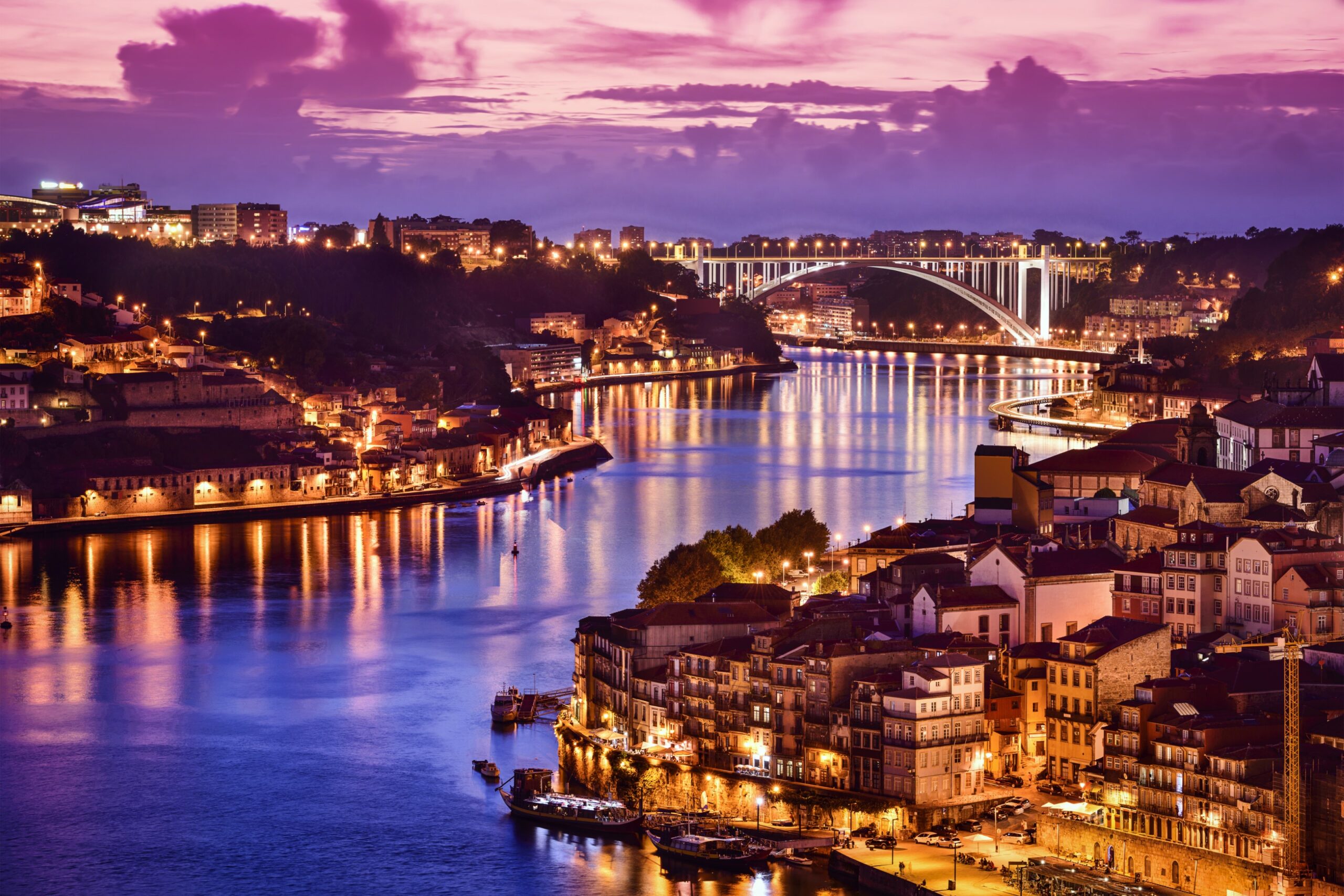
Inscribed in 1996, the World Heritage property now titled Historic Centre of Oporto, Luiz I Bridge and Monastery of Serra do Pilar includes landmarks on both sides of the Douro. For a view that makes this geography clear, head to the terrace outside Serra do Pilar in Vila Nova de Gaia and look back towards Ribeira.
02Dom Luís I Bridge is not Eiffel’s bridge
Opened in 1886, Porto’s celebrated double-deck iron bridge was designed by Théophile Seyrig, a former partner of Gustave Eiffel. Walk along its upper-level pedestrian path for views over the riverside roofs, but expect wind and keep clear of the tram tracks.
03Maria Pia Bridge has the Eiffel connection
The slender Maria Pia railway bridge, inaugurated in 1877, was built by Gustave Eiffel’s company and remained in railway service until 1991. Look upstream from the Dom Luís I Bridge to spot it; Maria Pia is not open as a pedestrian crossing.
04São Bento tells history through roughly 20,000 tiles
The station opened in 1916, and its entrance hall features azulejo panels by Jorge Colaço depicting historical events and scenes of Portuguese life. Look above the large blue-and-white pictures for the coloured frieze illustrating the evolution of transport, a detail easily missed at eye level.
05Clérigos rewards a 225-step climb
Completed in 1763, the approximately 75-metre Clérigos Tower was designed by Italian architect Nicolau Nasoni, whose work helped shape Porto’s Baroque skyline. Choose a clear day for the climb and bear in mind that the narrow stairs make this unsuitable for some visitors with limited mobility.
06Livraria Lello was already theatrical in 1906
Opened by the Lello brothers in 1906, the bookshop combines a neo-Gothic façade with an ornate interior and its famous branching staircase. Reserve admission through the official website and look up at the stained-glass ceiling rather than spending your whole visit photographing the stairs.
07The francesinha is a knife-and-fork sandwich
Porto’s signature sandwich usually layers bread with steak, ham and sausages, then adds melted cheese and a hot tomato-and-beer-based sauce, with recipes varying between houses. Order with an appetite and check whether egg and chips are included or optional rather than assuming every version is identical.
08Porto’s famous wine cellars are mostly across the river
Port wine comes from the demarcated Douro region inland, while many historic ageing lodges stand in Vila Nova de Gaia rather than Porto itself. If you book a cellar visit, check its address carefully: some lodges are on the waterfront, while others require an uphill walk.
09Bolhão is a working market, not just a photogenic building
The present Mercado do Bolhão dates to 1914 and reopened in 2022 after a major restoration, retaining its role as a fresh-food market. Visit in the morning to see produce and fish stalls at work, and check the current opening calendar before planning around a Sunday or holiday.
10Capela das Almas wears a twentieth-century tile coat
Although the chapel is older, the blue-and-white exterior tiles that make Capela das Almas so recognisable were added in 1929 and depict episodes associated with Saint Francis of Assisi and Saint Catherine. Step back along Rua de Santa Catarina to appreciate the scale of the panels without blocking the entrance to this active place of worship.
11A king’s heart is kept in Porto
Pedro IV of Portugal, also Pedro I of Brazil, left his heart to Porto in recognition of the city’s loyalty, and it has been kept at the Church of Lapa since 1835. Visit for the church and its historical connection, but do not expect to see the heart: it is not an everyday public exhibit.
12Portugal’s name has roots beside the Douro
Among the most interesting Portugal facts is the connection between the country’s name and Portus Cale, an ancient place-name associated with the lower Douro that evolved into Portucale. Pause on the Gaia waterfront opposite Ribeira to picture the river mouth’s long importance as a place of settlement and trade.
Plan with confidence
Plans change. Your options are clear.
Change dates without an extra change charge when available, and cancel early for a refund or travel credit. Our team confirms every detail before you pay.
Travel with Portugal Magik
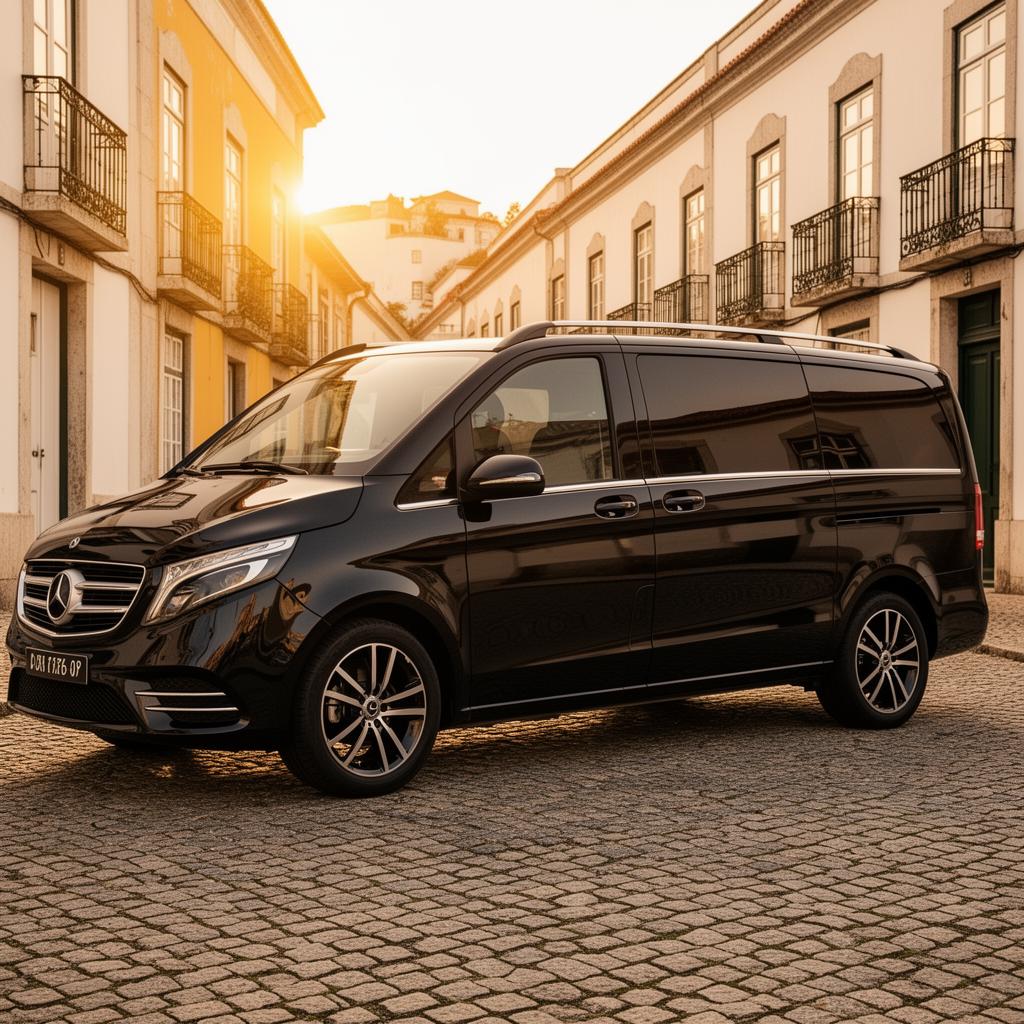
Explore Portugal in a Mercedes-Benz V-Class
For smaller groups, a private V-Class offers a comfortable way to travel between places, with an English-speaking driver, door-to-door pickup and a flexible itinerary planned with our team. Vehicle choice depends on your group and availability.
Plan a personalized journey →Where to experience Porto’s stories first-hand
Start with São Bento and the historic centre
Begin inside São Bento’s entrance hall, where the tile panels reward a few unhurried minutes. Continue towards Clérigos and Livraria Lello, which are close to one another, allowing separate time for any tower climb or booked bookshop admission; proximity does not eliminate queues.
If you would like help turning these stops into a realistic day, ask Portugal Magik for a personalized private Porto itinerary with an English-speaking driver. Door-to-door pickup and flexible itineraries make it easier to balance sightseeing with time on foot.
Follow the food and tile trail
Mercado do Bolhão and Capela das Almas make a practical pairing in the upper centre, with only a short walk between them. See the market earlier in the day, study the chapel’s tiled exterior, then leave room for a francesinha lunch; Café Santiago on Rua de Passos Manuel is one established address for the dish, though queues are possible and opening times should be checked.
Read the city from the river
Explore Ribeira at water level, then cross to Vila Nova de Gaia for the classic view back towards Porto. The upper and lower decks of Dom Luís I Bridge meet very different elevations, so choose your approach before setting off rather than assuming the upper crossing begins beside the quays.
For the wine connection, consider a separately booked visit with an established Gaia lodge such as Taylor’s or Graham’s. Consult the venue directly for available visits, admission conditions and tasting options; Portugal Magik can help shape a private driving itinerary around your confirmed booking, without providing the cellar experience itself.
Make space for Lapa
The Church of Lapa sits outside the tight cluster around Ribeira and São Bento, making it a worthwhile addition for travellers interested in Portuguese and Brazilian history. Ask about including it in your route, and check worship schedules before visiting.
A few practical tips before you explore
Porto is compact on a map but demanding underfoot. Wear shoes with grip for granite paving, expect steep changes in level, and carry a light rain layer; bridge crossings can feel noticeably cooler and windier than sheltered streets.
Reserve Livraria Lello and any wine-lodge visit ahead, and confirm current opening hours for markets, churches and monuments. Keep some gaps between bookings: Porto’s most satisfying details often reveal themselves when you stop looking at the clock.
For Portugal travel plans combining Lisbon and Porto, the road journey is roughly 315 kilometres; allow around three to four hours of driving, depending on traffic and the exact pickup and drop-off points, with additional time for stops. A private transfer suits a direct journey, while a private multi-day tour allows more time for places along the way.
Portugal Magik offers private Mercedes-Benz transfers and private day or multi-day tours with an English-speaking driver, door-to-door pickup and flexible itineraries. For smaller groups, a Mercedes-Benz V-Class can be a comfortable option for the Lisbon–Porto journey, subject to availability; request a personalized quote with your dates, group size and luggage requirements.