Top places to visit in Castelo de Vide
The top places to visit in Castelo de Vide reveal a different side of the Alentejo: medieval walls, Jewish heritage, marble fountains and prehistoric monuments. Give this hill town time, and its steep lanes become part of the pleasure rather than a checklist to rush through.
10 top places to visit in Castelo de Vide
01Castelo de Castelo de Vide
This medieval frontier stronghold crowns the town, with stone walls and views across the surrounding countryside toward Spain. Start here before descending through the historic streets, and wear shoes with good grip for uneven paving and any accessible steps or ramparts.
02Burgo Medieval
Within the castle enclosure, the medieval settlement preserves narrow lanes and traditional houses that make the town’s defensive layout easy to understand. Explore beyond the main entrance rather than stopping at the first viewpoint; these are residential streets, so keep doorways clear when taking photographs.
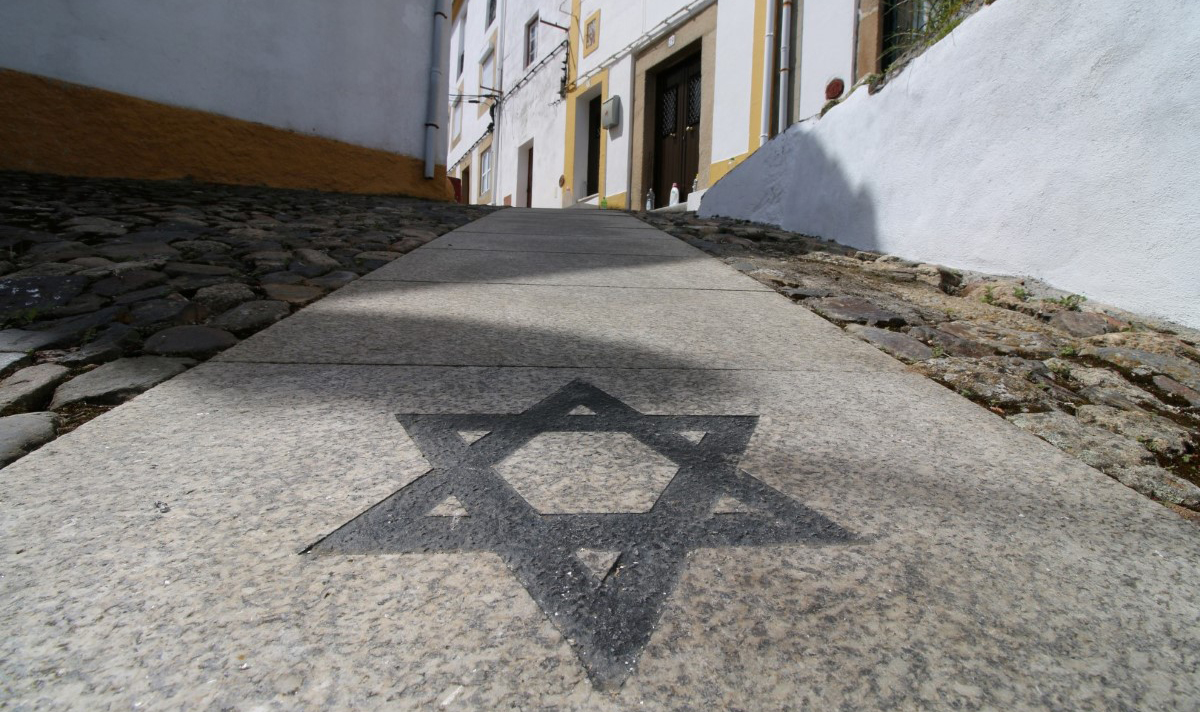
03Judiaria de Castelo de Vide
The old Jewish Quarter spreads along the slopes below the castle, with streets including Rua da Judiaria and Rua Nova recalling a community central to the town’s history. Walk slowly and look for surviving pointed stone doorways, but avoid assuming that every carved mark is evidence of Jewish ownership.
04Sinagoga de Castelo de Vide
The building identified as the medieval synagogue now houses a museum interpreting local Jewish heritage, including the upheaval surrounding Portugal’s 1496 decree ordering the expulsion of Jews who would not convert. Visit alongside the surrounding Judiaria for context, and confirm current opening hours before building your walk around an interior visit.
05Fonte da Vila
This Renaissance fountain, sheltered beneath an elegant roof supported by marble columns, is one of Castelo de Vide’s most distinctive landmarks. It makes a natural pause while exploring the Jewish Quarter; step back into the square to appreciate the whole structure rather than photographing only its spouts.
06Igreja de Santa Maria da Devesa
Overlooking Praça Dom Pedro V, the town’s imposing parish church contrasts with the intimate scale of the older hillside lanes; construction began in 1789. Combine it with a café stop in the square, and remember that sightseeing access may be limited during religious services.
07Igreja de São João Baptista and Megalithic Interpretation Centre
This former church houses an interpretation centre devoted to the region’s megalithic heritage, helping explain the standing stones and burial monuments scattered across the countryside. Visit before the Menir da Meada if opening hours allow, so the rural monument becomes more than an impressive stone in a field.
08Igreja de Nossa Senhora da Alegria
Inside the fortified medieval settlement, this small church is particularly associated with its decorative tile-lined interior. Include it while exploring the castle enclosure, but treat entry as dependent on current access rather than assuming the door will be open throughout the day.
09Ermida de Nossa Senhora da Penha
Set on a hill outside the centre, this chapel and viewpoint offer a rewarding perspective on Castelo de Vide’s white houses and castle. Ask your driver to include the approach by road, while allowing for the final pedestrian access and steps; clear late-afternoon conditions are particularly good for photographs.
10Menir da Meada
Approximately 12 km from Castelo de Vide, this prehistoric granite standing stone rises more than seven metres above ground and is one of the region’s most striking megalithic monuments. Visit in daylight with sturdy footwear, and bring water and a hat because the exposed rural setting offers little shelter.
Trusted across Portugal and Spain
Journeys backed by 1,300+ verified reviews
Consistently five-star rated since 2012, Portugal Magik is a TripAdvisor Hall of Fame recipient. Our Portugal Ambassadors bring local knowledge, thoughtful service and dependable private travel to every journey.

Travel with Portugal Magik
Explore Portugal in a Mercedes-Benz V-Class
For smaller groups, a private V-Class offers a comfortable way to travel between places, with an English-speaking driver, door-to-door pickup and a flexible itinerary planned with our team. Vehicle choice depends on your group and availability.
Plan a personalized journey →A relaxed private route through Castelo de Vide
For a satisfying day already based in the northern Alentejo, begin with the castle, Burgo Medieval and Igreja de Nossa Senhora da Alegria. Continue downhill through the Judiaria to the synagogue museum and Fonte da Vila, then pause around Praça Dom Pedro V for lunch. Traditional Alentejo dishes worth looking for include açorda alentejana and migas, although menus and daily availability vary.
Keep the afternoon selective. Choose the megalithic interpretation centre and Menir da Meada if prehistoric landscapes interest you, or Nossa Senhora da Penha for a shorter outing with town views. Trying to enter every building and add every countryside stop would work against the relaxed character of Castelo de Vide sightseeing.
Portugal Magik’s private tours pair door-to-door pickup with an English-speaking driver and a flexible itinerary. Your Portugal Ambassador—a knowledgeable local English-speaking driver-guide from Portugal—can help sequence the driving stops around your interests and the town’s pedestrian streets. Request a personalized route that includes time to wander rather than simply moving between photo stops.
From Lisbon, allow roughly 2½–3 hours each way, depending on traffic and the pickup address. A private day trip is possible, but it is a long day: concentrate on Castelo de Vide itself rather than squeezing in several additional towns. A private Mercedes-Benz V-Class is a comfortable option for smaller groups on this journey, subject to availability.
For a gentler two-day journey, spend the first day in Castelo de Vide and stay overnight in the area. Visit Marvão, approximately 12 km away by road, the following morning, leaving time for its castle and walled streets before returning to Lisbon. Ask Portugal Magik, established in 2012, for a personalized private tour or transfer quote suited to your starting point and preferred pace.
Best time to visit and practical insider tips
April to June and September to October generally offer the most comfortable balance for walking, with spring greenery or softer autumn light across the surrounding countryside. July and August can be very hot: explore the upper streets early, protect yourself from the sun and leave room for a long lunch break. Winter is quieter, but rain, cold winds and shorter daylight can affect exposed viewpoints.
Easter is especially significant in Castelo de Vide, whose celebrations reflect distinctive local traditions and the town’s Jewish and Christian heritage. If you are visiting during Holy Week, check the current municipal programme and expect a different rhythm around services and processions rather than assuming ordinary sightseeing conditions.
Plan the historic centre as a walk, not a sequence of vehicle stops. Cobbles, slopes and steps make supportive footwear important, and some lanes cannot be reached by a vehicle. Tell Portugal Magik about mobility requirements when requesting your itinerary so the driver can plan suitable access points and a less demanding selection of stops.
Museum and church opening hours can vary, so verify them close to your visit and avoid making one interior the sole reason for travelling. Carry water for the castle area and countryside stops, and do not assume that a historic fountain is suitable for drinking unless it is clearly indicated.
For the most rewarding photographs, combine close-up details in the Judiaria with a wider town view from Nossa Senhora da Penha. Leave spare time between them: Castelo de Vide rewards the unplanned pause at a doorway, a quiet square or a shaded café table.
Your route
Direct or with stops
Tell us where you would like to pause along the way and we shape the day around it.
Request a proposal →Your pace
One day or several
Spread the journey over a few days with overnight suggestions from our team.
Request a proposal →Your Ambassador
A local by your side
An English-speaking driver-guide from Portugal in a private Mercedes-Benz.
Request a proposal →★★★★★ 1,300+ verified reviews · TripAdvisor Hall of Fame · Since 2012
Keep exploring
Related journeys and routes
The best things to do in Braga: 10 places worth your time
The best things to do in Braga combine monumental sanctuaries, Roman archaeology and an old town made for unhurried exploring. Give the city a full day for its essentials, or stay overnight to enjoy its churches, gardens and Minho cooking at a gentler pace.
Read more →A local guide to sightseeing in Silves
The pleasure of sightseeing in Silves lies in its compact scale: a red-sandstone castle, a Gothic cathedral and streets descending towards the River Arade. Give this former Moorish capital of the Algarve an unhurried day, with time for its archaeology museum, a proper lunch and a riverside walk.
Read more →Best Things to Do in Tavira: A Relaxed Local Guide
The best things to do in Tavira revolve around its hilltop castle, remarkable churches and the easy rhythm of life beside the Gilão River. This guide connects the historic centre with the mainland waterfront at Cabanas, leaving time for shaded gardens, local seafood and unhurried exploring.
Read more →Frequently Asked Questions
Personalized and without obligation
Speak with a travel designer
1,300+ five-star reviews · TripAdvisor Hall of Fame · Trusted since 2012 · Mercedes-Benz fleet