A practical guide to sightseeing in the Alentejo
Sightseeing in the Alentejo brings together Roman monuments, whitewashed hill towns and fortified borders across a region that rewards an unhurried pace. Start with Évora, then choose a route through the Guadiana valley or the castle towns near Spain rather than trying to see everything in one day.
10 places to include when sightseeing in the Alentejo
01Roman Temple of Évora
Dating from the first century AD, Évora’s Roman temple stands beside the cathedral and is one of the city’s most recognizable monuments; its traditional association with Diana is not supported by archaeological evidence. Visit early for softer light on the surviving Corinthian columns, then pause in the Jardim de Diana beside it.
02Évora Cathedral
Begun in the late 12th century, this granite cathedral combines Romanesque and Gothic features and dominates the skyline of Évora’s UNESCO-listed historic centre. If you are comfortable with stairs, choose an admission option that includes the roof terrace, and wear shoes with good grip for the stone steps.
03Chapel of Bones, Évora
Created by Franciscan friars in the 17th century, the Capela dos Ossos beside the Church of São Francisco uses human bones and skulls to encourage reflection on mortality. Allow time for the church as well as the chapel, and consider whether the displays will suit younger children or sensitive visitors.
04Almendres Cromlech
Around 18 kilometres west of Évora, this prehistoric stone enclosure near Guadalupe belongs to a landscape used by Neolithic communities thousands of years before the Roman period. The final approach involves unpaved access and uneven ground, so ask your driver to check current conditions and vehicle suitability before including it; bring water and expect little shade.
05Monsaraz
This fortified hilltop village overlooks the Alqueva reservoir and the surrounding countryside, with whitewashed lanes leading to a medieval castle. Leave the vehicle outside the historic core and explore on foot, ideally toward late afternoon when the light softens; the cobbles and slopes make supportive footwear more useful than dress shoes.
06Ducal Palace of Vila Viçosa
Begun in 1501 under Jaime, Duke of Braganza, the palace became a principal residence of the House of Braganza and reflects the town’s long association with Portuguese royal history. Check the current visiting arrangements before setting out, since interior access follows the palace’s own schedule, and leave time to appreciate the broad marble-fronted façade from Terreiro do Paço.
07Elvas and Forte da Graça
Elvas’s frontier fortifications received UNESCO World Heritage status in 2012, and the 18th-century Forte da Graça occupies a commanding hill just outside the city. Treat the fort and the old town as separate stops rather than a quick roadside visit, and photograph the Amoreira Aqueduct from ground level as you approach the city.
08Marvão
Set on a granite ridge in the Serra de São Mamede, Marvão is a walled village whose castle looks across the border landscape toward Spain. Arrange a drop-off near an appropriate entrance and continue on foot, allowing extra time for steep lanes and exposed ramparts; even a warm afternoon can feel windy at the top.
09Castelo de Vide
Castelo de Vide combines a medieval castle with a historic Jewish quarter, where the former synagogue now houses a museum interpreting the town’s Jewish heritage. Walk the narrow lanes around Rua da Judiaria and the Fonte da Vila, checking museum opening hours beforehand rather than assuming the small interior sites remain open all day.
10Mértola
Above the Guadiana River, Mértola preserves Roman and Islamic layers of history, including a parish church adapted from a 12th-century mosque after the Christian conquest of 1238. Start with the uphill historic centre before the hottest part of the day, and select a few museum sites rather than expecting to cover every archaeological collection in a short stop.

Trusted across Portugal and Spain
Journeys backed by 1,300+ verified reviews
Consistently five-star rated since 2012, Portugal Magik is a TripAdvisor Hall of Fame recipient. Our Portugal Ambassadors bring local knowledge, thoughtful service and dependable private travel to every journey.

Travel with Portugal Magik
Explore Portugal in a Mercedes-Benz V-Class
For smaller groups, a private V-Class offers a comfortable way to travel between places, with an English-speaking driver, door-to-door pickup and a flexible itinerary planned with our team. Vehicle choice depends on your group and availability.
Plan a personalized journey →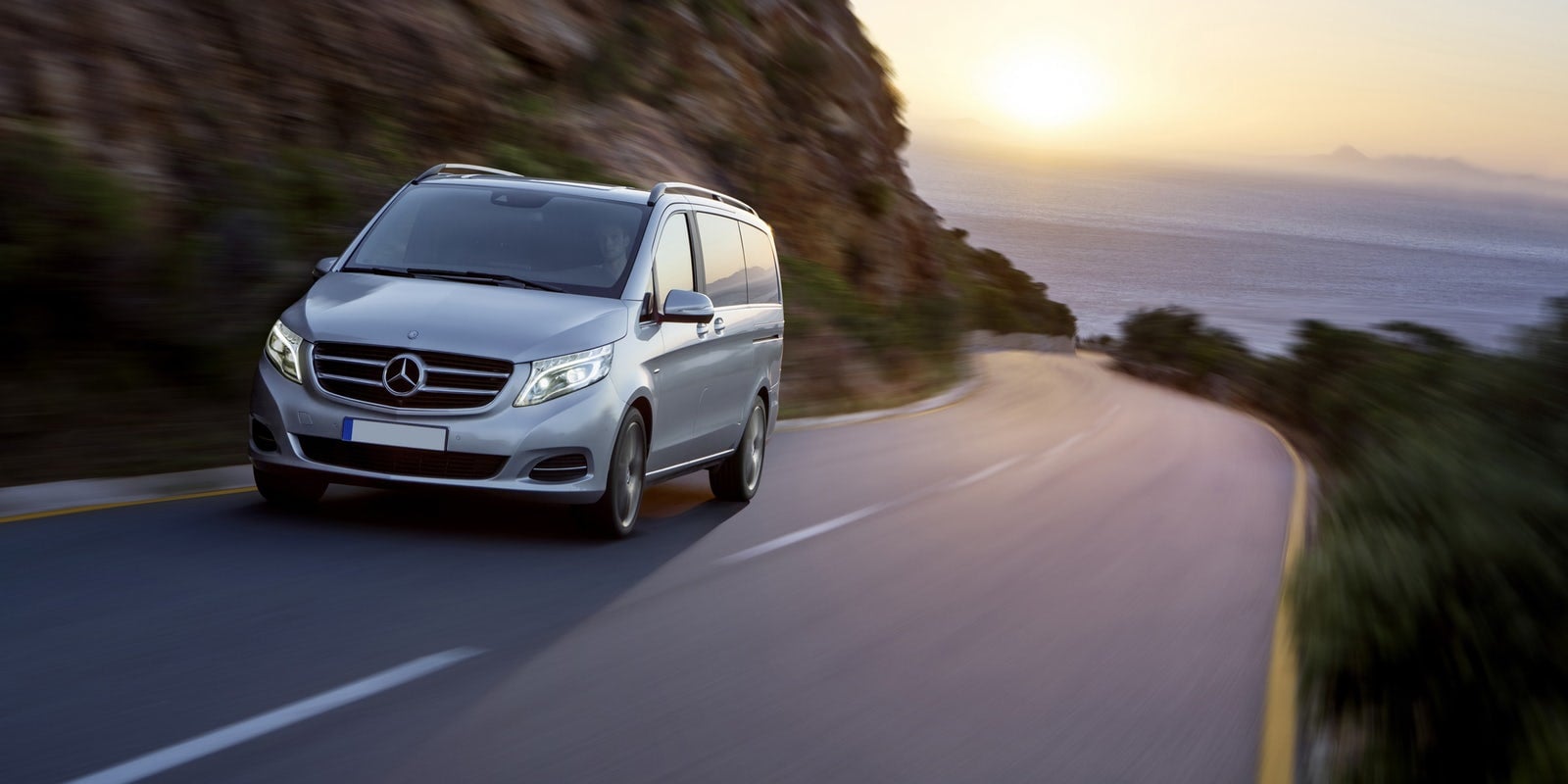
Relaxed private routes from Lisbon
The key to a rewarding itinerary is choosing a geographical cluster. Évora, Marvão and Mértola belong to the same region, but they are not neighbouring stops: the Alentejo landmarks on this list work best across several days or on separate journeys.
One relaxed day: Évora and its surroundings
Allow approximately 1 hour 30 minutes to 1 hour 45 minutes from Lisbon to Évora, depending on your pickup address and traffic. Combine the Roman Temple, cathedral and Chapel of Bones with a proper lunch break and time around Praça do Giraldo. Add Almendres only if access conditions, daylight and your interest in archaeology justify it; otherwise, give Évora the whole day. Ask Portugal Magik for a personalized route that prioritizes the interiors you most want to visit.
A longer day: Évora and Monsaraz
For travellers who value village scenery over multiple museum visits, pair a focused Évora walk with Monsaraz, roughly an hour farther east by road. Choose one main interior in Évora, enjoy lunch, and reserve the afternoon for Monsaraz’s lanes and castle. The return to Lisbon takes roughly 2 hours 15 minutes to 2 hours 45 minutes, so this is a full day, not the most leisurely option; an overnight stay makes it gentler.
Four or five days: Évora and the northern fortresses
Spend the first day in Évora, with Almendres on a separate morning if desired. Continue through Vila Viçosa to Elvas, allowing enough time for the palace and an overnight stop rather than rushing straight onward. Dedicate another day to Elvas and Forte da Graça, then head north for Marvão and nearby Castelo de Vide, which are around 20–25 minutes apart by road. A final overnight in this northern area leaves time to enjoy both villages before returning to Lisbon.
Three days: Évora, Monsaraz and Mértola
For a southern alternative, spend one day in Évora and the next in Monsaraz, continuing to Mértola for an overnight stay. Allow roughly two hours for the Monsaraz–Mértola drive, depending on the route, and keep the following morning for Mértola’s church, castle and selected museum sites before returning to Lisbon. Leave Marvão and Elvas for another trip rather than adding long cross-region detours.
Portugal Magik offers private Mercedes-Benz transfers and private day or multi-day tours with an English-speaking driver, door-to-door pickup and flexible itineraries. Your Portugal Ambassador is a knowledgeable local English-speaking driver-guide from Portugal who can help put the landscape and towns into context. For smaller groups, request a private Mercedes-Benz V-Class as a comfortable option for the longer journeys, subject to availability; monument admissions and any site-specific guiding should be checked separately.
Best time to visit and practical insider tips
April to June and September to October usually offer the most comfortable balance of daylight and walking conditions. Spring often brings green fields and wildflowers, while early autumn retains warm afternoons; neither season guarantees mild weather, and September can still be hot.
July and August require a different rhythm. Inland temperatures can exceed 35°C, so explore castles and exposed archaeological sites early, pause for a long lunch, and return to village streets later in the afternoon. Carry water, a hat and sunscreen, particularly at Almendres, Monsaraz and Elvas’s outer fortifications.
Winter can be rewarding for quieter streets and indoor visits, but daylight is shorter and rain, cold stone interiors and wind on hilltops are realistic considerations. Avoid planning a late arrival at Marvão followed by several outdoor stops.
Check individual opening days before choosing your route. Smaller museums, palace visits and religious buildings may have limited hours, lunch closures or access restrictions during services. A flexible itinerary helps, but it does not guarantee admission or replace the need to confirm arrangements.
Expect walking even with door-to-door pickup. Historic centres have pedestrian streets, narrow entrances and vehicle restrictions, and castle ramparts often involve steps without an easy alternative. Tell Portugal Magik about mobility needs when requesting your route so stops and practical drop-off points can be considered in advance.
Make lunch part of the visit. Look for açorda alentejana, a bread-based preparation commonly flavoured with garlic and coriander, or migas served with pork; Serpa cheese is another regional speciality. Recipes vary, so ask about ingredients, especially if avoiding meat, fish, eggs or gluten.
Established in 2012, Portugal Magik has 1,300+ verified reviews, is consistently five-star rated and holds TripAdvisor Hall of Fame recognition. Make the Alentejo private tour your own by sharing your priorities—archaeology, Jewish heritage, royal history or village walks—and requesting a personalized itinerary rather than a longer checklist.
Your route
Direct or with stops
Tell us where you would like to pause along the way and we shape the day around it.
Request a proposal →Your pace
One day or several
Spread the journey over a few days with overnight suggestions from our team.
Request a proposal →Your Ambassador
A local by your side
An English-speaking driver-guide from Portugal in a private Mercedes-Benz.
Request a proposal →★★★★★ 1,300+ verified reviews · TripAdvisor Hall of Fame · Since 2012
Keep exploring
Related journeys and routes
The best things to do in Northern Portugal
The best things to do in Northern Portugal combine Porto’s riverside streets, the Douro’s vineyard terraces, medieval towns and the mountain landscapes of Peneda-Gerês. This guide explains what deserves your time, which stops work together and how to explore without spending every day rushing between them.
Read more →The best things to do in Silves: Castle, Old Town and River
The best things to do in Silves reveal a different Algarve: red sandstone walls, traces of a powerful Islamic city and quiet streets above the Arade River. Give this former regional capital time, and its castle, archaeological museum and riverside squares make a rewarding alternative to a beach-focused day.
Read more →Your guide to sightseeing in Nazaré
For sightseeing in Nazaré, give yourself time for both halves of town: the fishing traditions along the beachfront and the clifftop landmarks of Sítio. Between them, you will find a pilgrimage church, fish-drying racks, a small coastal fortress and viewpoints over one of Portugal’s most remarkable stretches of Atlantic coast.
Read more →Frequently Asked Questions
Personalized and without obligation
Speak with a travel designer
1,300+ five-star reviews · TripAdvisor Hall of Fame · Trusted since 2012 · Mercedes-Benz fleet