Portugal private tour for senior travelers: an unhurried route
A Portugal private tour for senior travelers should make room for the country’s pleasures without turning each day into an endurance test. This 12-day mainland journey connects Lisbon, Coimbra, Porto and the Douro Valley, with time for proper lunches, afternoon rests and changes of plan.
Portugal private tour for senior travelers: a 12-day plan
The most comfortable Portugal itinerary is not necessarily the one with the fewest miles: it is the one with fewer hotel changes, manageable sightseeing and well-placed breaks. This route uses four overnight bases: Lisbon for four nights, Coimbra for two, Porto for three and the Douro Valley for two. Arriving in Lisbon and departing from Porto avoids a long return drive south.
Driving times below are approximate, excluding sightseeing, meals and comfort stops. Traffic around Lisbon and Porto, Sintra’s access restrictions and winding Douro roads can lengthen journeys. Walking remains optional wherever practical, but historic buildings are not uniformly step-free.
01Day 1: Arrive in Lisbon
Meet your driver for a private transfer to your hotel, usually around 25–45 minutes from Lisbon Airport to the central city, depending on traffic. Keep the afternoon clear rather than scheduling a monument after an overnight flight. A hotel around Avenida da Liberdade can be a practical base, with restaurants and cafés nearby. Insider tip: a room facing away from the avenue may matter more than a landmark view if you sleep lightly.
02Day 2: Belém without a sightseeing marathon
Allow roughly 25–40 minutes each way between central Lisbon and Belém. The Jerónimos Monastery, begun in 1501 under King Manuel I, gives the morning a clear focus; its elaborate stonework rewards a slow visit. Choose an interior visit or an exterior introduction according to queues and energy, followed by lunch and a riverside pause. Insider tip: Belém’s waterfront is comparatively level but exposed, so carry a light layer even when central Lisbon feels warm.
03Day 3: Sintra with one main visit
Sintra lies about 30 kilometers from central Lisbon, typically 40–60 minutes by road before local delays. Concentrate on the National Palace of Sintra and the historic center rather than attempting several hilltop estates. The palace’s twin conical kitchen chimneys are unmistakable, but its historic interiors include stairs; confirm access arrangements before choosing the visit. Insider tip: do not interpret a map’s short distance to Pena Palace as an easy walk—the terrain is steep, and vehicle access is controlled. Return to Lisbon for a restful afternoon.
04Day 4: Cascais or a quiet Lisbon day
Cascais is approximately 35 kilometers west of Lisbon, with a direct drive often taking 40–60 minutes. Choose a short waterfront outing and a fish lunch around the harbor, or stay in Lisbon for shopping and café time. Walking beside Cascais Bay can be kept brief and comparatively level without tackling the longer coastal paths. Insider tip: ask for a lunch table with straightforward access rather than assuming a sea-view terrace is step-free. An optional Fado evening in Lisbon can replace daytime sightseeing, rather than becoming an extra commitment after a full day.
05Day 5: Lisbon to Coimbra, with an optional Tomar stop
The direct journey to Coimbra is about 205 kilometers and usually takes 2¼–2¾ hours. Routing through Tomar makes this a longer transfer day: allow around 1¾–2 hours to Tomar and another 1–1¼ hours to Coimbra, plus the stop. Tomar’s Convent of Christ reflects its Knights Templar heritage, but extensive interiors and uneven surfaces may not suit everyone. Insider tip: a lunch break near the Nabão River is a worthwhile alternative to a demanding monument visit. Spend two nights in Coimbra.
06Day 6: Coimbra at two speeds
Coimbra’s university was founded in 1290 and settled permanently in the city in 1537. Its historic hilltop setting is magnificent but steep, so use vehicle access as close as permitted and choose a limited upper-town visit rather than a continuous uphill walk. The Joanina Library requires advance attention to admission arrangements and access suitability. After lunch, return to the hotel or enjoy a short riverside outing. Insider tip: the Mondego riverfront and Parque Verde offer a gentler afternoon than the lanes around the Old Cathedral.
07Day 7: Coimbra to Porto via Aveiro
Allow around one hour for the approximately 65-kilometer drive to Aveiro, followed by roughly one hour to Porto. A short canal-side walk and a café stop make a natural break without requiring another major attraction. Try ovos moles, Aveiro’s traditional egg-yolk-and-sugar sweet, before continuing to Porto for three nights. Insider tip: keep the Aveiro stop near the central canals; adding Costa Nova is possible, but introduces extra driving and time out of the vehicle.
08Day 8: Porto with the hills planned out
Begin with a panoramic introduction, then select one compact area for walking. São Bento station’s azulejo panels depict scenes from Portuguese history, while Ribeira offers river views at the bottom of a substantial slope. Avoid linking every landmark on foot. Insider tip: the upper and lower decks of the Dom Luís I Bridge sit at very different levels; decide which viewpoint you want before planning the walk. A port lodge visit in Vila Nova de Gaia can be suggested through an independent venue, with seating and steps checked beforehand.
09Day 9: A slower Porto day or Matosinhos lunch
Keep this day deliberately light. Matosinhos, on the Atlantic coast, is usually around 20–35 minutes from central Porto by car and is known for fish restaurants near the fishing port. A grilled-fish lunch and a short promenade outing provide a change from Porto’s historic streets. Alternatively, remain in Porto for a museum or a quiet afternoon. Insider tip: Atlantic breezes can feel cool even in sunshine, so take a layer and choose indoor seating when comfort matters more than the view.
10Day 10: Porto to the Douro Valley through Amarante
With Peso da Régua as the reference point, allow approximately 2–2½ hours of driving via Amarante, plus a leisurely stop. Amarante’s São Gonçalo church and bridge overlook the Tâmega River, making the town a pleasant place for lunch and a short look around. Continue to a Douro hotel for two nights. Insider tip: check the hotel’s exact approach road before choosing it—a vineyard address may involve a winding final drive and slopes between rooms and dining areas.
11Day 11: One Douro experience, not a checklist
The Alto Douro Wine Region became a UNESCO World Heritage Site in 2001. From Peso da Régua, Pinhão is approximately 25 kilometers away along the N222, generally a 35–45-minute drive without stops. Choose one independently operated winery visit if desired, with an appropriate tasting format and access arrangements, then leave room for lunch and rest. Insider tip: Pinhão station’s azulejo panels illustrate vineyard work and offer a rewarding short stop without a lengthy estate tour.
12Day 12: Private transfer to Porto Airport
From Peso da Régua, allow approximately 1½–2 hours to Porto Airport; from Pinhão, allow around 2–2½ hours. Your actual hotel location, road conditions and flight check-in requirements determine the departure time. Insider tip: for an early flight, move the final overnight stay to Porto instead of accepting a very early start on valley roads.
Treat this as a working route, not a fixed program. Request a personalized proposal with your preferred daily walking time, arrival airport and ideal number of hotel changes, and Portugal Magik can shape the journey around those priorities.
Trusted across Portugal and Spain
Journeys backed by 1,300+ verified reviews
Consistently five-star rated since 2012, Portugal Magik is a TripAdvisor Hall of Fame recipient. Our Portugal Ambassadors bring local knowledge, thoughtful service and dependable private travel to every journey.

Travel with Portugal Magik
Explore Portugal in a Mercedes-Benz V-Class
For smaller groups, a private V-Class offers a comfortable way to travel between places, with an English-speaking driver, door-to-door pickup and a flexible itinerary planned with our team. Vehicle choice depends on your group and availability.
Plan a personalized journey →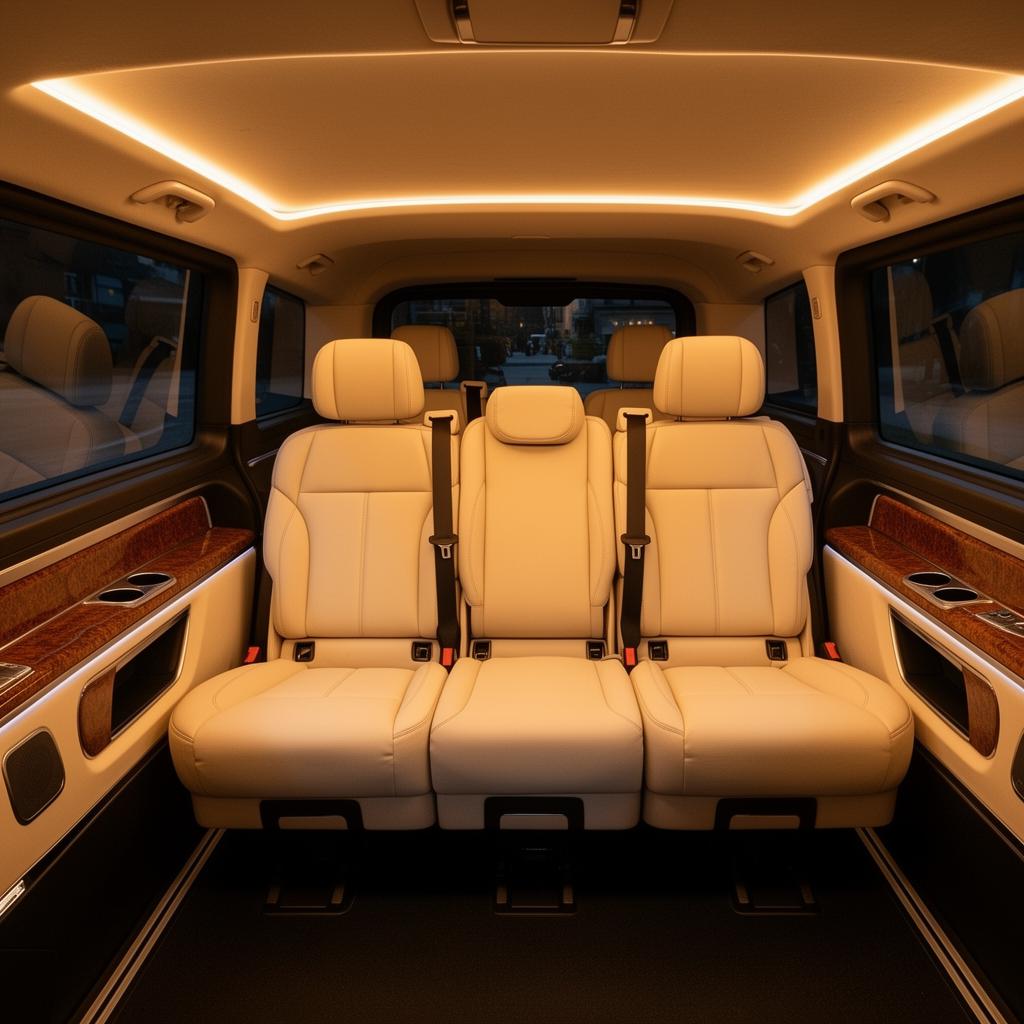
Your Portugal Ambassador and door-to-door private travel
A Portugal Ambassador is a knowledgeable local English-speaking driver-guide from Portugal. On this journey, that means someone who understands both the country and the practical rhythm of a multi-day trip: when a scenic stop is worth making, where a shorter visit works better and when to leave the afternoon open.
Portugal Magik provides private Mercedes-Benz transfers and private day or multi-day tours with an English-speaking driver. For smaller groups, a private Mercedes-Benz V-Class is a comfortable option, subject to availability. The appropriate vehicle depends on passenger numbers, luggage and any mobility equipment; discuss those details before requesting a specific model.
Door-to-door private travel removes the need to manage luggage between separate transport connections. Hotel and airport pickups are arranged around your itinerary. At pedestrian streets, restricted historic centers and certain monuments, the vehicle must stop at the nearest permitted access point, so door-to-door service does not mean every attraction entrance is reachable by car.
Flexible stops are especially valuable on the Lisbon–Coimbra transfer and in the Douro Valley. You can build in comfort breaks, shorten a visit or favor a seated lunch over another monument, allowing for opening hours, existing admission arrangements and the distance still to cover. Tell your driver-guide about motion sensitivity before a winding valley route, not after discomfort starts.
Hotel recommendations should consider more than star ratings. Ask about step-free entry, lift access to the actual room, walk-in showers, restaurant access and the distance from the vehicle drop-off. Properties to discuss might include Tivoli Avenida Liberdade Lisboa, Vila Galé Coimbra and PortoBay Flores, but suitability depends on the precise room and current access arrangements. A historic address is not automatically the easiest choice for limited mobility.
Your Portugal Ambassador can also suggest restaurants, museums, wine estates and other independently operated experiences that fit your interests. Portugal Magik does not own the recommended hotels or operate third-party activities, and suggestions do not guarantee availability or accessibility. Interior guiding requirements and venue admission arrangements should be checked separately.
Established in 2012, Portugal Magik has 1,300+ verified reviews, is consistently five-star rated and holds TripAdvisor Hall of Fame recognition. Share your group size, luggage needs and comfort priorities when requesting a personalized proposal, so the transport and pacing can be considered together.
Who this journey suits, when to travel and how to tailor it
This route suits couples, friends and multigenerational families who want cultural depth without packing and unpacking every morning. It works particularly well for travelers who enjoy one substantial visit a day, leisurely meals and the option to sit out an activity. Age alone is not a useful measure of pace: walking tolerance, balance, heat sensitivity and preferred start times matter much more.
For travelers using a wheelchair or walking frame, each hotel, vehicle and proposed visit needs individual assessment. A standard Mercedes-Benz V-Class should not be assumed to have a wheelchair lift or ramp. Explain whether you can transfer into a seat and provide the folded dimensions of mobility equipment. A driver-guide is not a substitute for a personal care companion or medical support.
May and the second half of September into October often offer a good balance of daylight and more moderate temperatures, although hot spells remain possible. September can be busy in the Douro during harvest, and estate availability varies. April brings spring color but also changeable weather. July and August require more caution with heat, especially inland; early outings and substantial midday breaks become important. Winter can work for city-focused travel, but Porto and the Douro may be wet, and daylight is shorter.
For eight days, use three nights in Lisbon, one in Coimbra and three in Porto, departing on day eight. Keep the Coimbra transfer direct and omit the Douro overnight stay rather than forcing the valley into an already busy schedule. If minimizing hotel changes is the priority, divide seven nights between Lisbon and Porto and plan a gentle break on the approximately three-hour direct drive between them.
For fifteen days, add one night in Lisbon, one in Porto and one in the Douro. These extra days create space for weather changes, a proper rest day or a second carefully selected visit without adding another hotel. Travelers more interested in Roman history than wine could instead discuss a redesigned route including Évora, where the Roman temple and historic center reward an unhurried stay; it requires a deliberate inland detour, not a quick stop between Lisbon and Porto.
If Spain is important, a 15-day Portugal and Spain journey can be designed around fewer Portuguese bases and a clearly chosen Spanish region. Adding Seville or Madrid to every stop above would undermine the comfortable pace. Request a personalized proposal that identifies your must-see places first, then lets realistic driving distances determine what belongs in the route.
Your route
Direct or with stops
Tell us where you would like to pause along the way and we shape the day around it.
Request a proposal →Your pace
One day or several
Spread the journey over a few days with overnight suggestions from our team.
Request a proposal →Your Ambassador
A local by your side
An English-speaking driver-guide from Portugal in a private Mercedes-Benz.
Request a proposal →★★★★★ 1,300+ verified reviews · TripAdvisor Hall of Fame · Since 2012
Keep exploring
Related journeys and routes
Portugal Atlantic coast private journey: 8–15 Days
A Portugal Atlantic coast private journey connects Lisbon’s riverfront, fishing towns, Atlantic beaches and Porto without turning every day into a hotel change. This 12-day route provides a practical starting point, with options to shorten it to eight days or extend it to fifteen.
Read more →14 day Portugal and Southern Spain private tour
A 14 day Portugal and Southern Spain private tour connects Lisbon, the Alentejo and the Algarve with Andalucía’s great historic cities at a considered pace. This mainland itinerary combines door-to-door Mercedes-Benz travel with time for tiled streets, Roman remains, Atlantic seafood and the courtyards of Seville, Córdoba and Granada.
Read more →Portugal Ambassador private driver-guide: 8–15 Days
A Portugal Ambassador private driver-guide brings local knowledge, English-speaking support and private Mercedes-Benz travel to a thoughtfully paced journey through mainland Portugal. Request a personalized proposal built around your interests, preferred hotels and time to explore.
Read more →Frequently Asked Questions
Personalized and without obligation
Speak with a travel designer
1,300+ five-star reviews · TripAdvisor Hall of Fame · Trusted since 2012 · Mercedes-Benz fleet