Moorish history of Portugal: A Guide to Its Living Traces
The Moorish history of Portugal survives in hilltop fortifications, excavated houses, irrigation traditions and a former mosque overlooking the Guadiana. Understanding those traces makes a visit to Lisbon, Sintra or the Algarve much richer than simply walking another castle wall.
Moorish history of Portugal: 11 key moments
For more than five centuries, parts of what is now Portugal belonged to the changing political and cultural world of al-Andalus. Muslim rule lasted much longer in the south than in the north: there was never one continuous, uniformly governed “Moorish Portugal.”
“Moorish” is a familiar but imprecise historical label. The populations involved included Amazigh people from North Africa, Arabs and locally born Muslims, living alongside Christian and Jewish communities under conditions that varied considerably over time. Among the most useful Portugal facts to remember is that Portugal did not yet exist as an independent kingdom when Muslim armies arrived.
01The conquest of the Iberian Peninsula begins (711–c. 716)
An army led by Tariq ibn Ziyad crossed from North Africa in 711. Following the defeat of the Visigothic king Roderic, Muslim forces rapidly extended their authority across much of Iberia, including substantial areas of present-day Portugal. Visiting tip: use a historical map rather than modern national borders to understand this first expansion.
02The Emirate of Córdoba takes shape (756)
Abd al-Rahman I established an independent Umayyad emirate at Córdoba. Western Iberian territories formed part of the wider world known as Gharb al-Andalus, although control and local loyalties fluctuated. Visiting tip: watch for the word “Gharb” in museum interpretation; it means “west” and helps explain the later name Algarve.
03The Caliphate of Córdoba is proclaimed (929)
Abd al-Rahman III declared himself caliph, inaugurating a period of strengthened central authority and extensive commercial and cultural connections. Cities in western al-Andalus participated in networks reaching across Iberia and the Mediterranean. Visiting tip: ceramics and everyday objects often reveal these connections more clearly than castle walls do.
04The taifa kingdoms emerge (1031)
The collapse of the Caliphate of Córdoba left competing regional kingdoms, known as taifas. Silves and Mértola were among the places that became seats of local Muslim power at different stages of this fragmented political landscape. Visiting tip: read museum dates carefully; “Islamic period” covers several distinct regimes, not a single dynasty.
05Coimbra passes permanently into Christian hands (1064)
Ferdinand I of León captured Coimbra, bringing Muslim political rule there to an end. The conquest established an important Christian stronghold well before the independent Portuguese kingdom emerged. Visiting tip: do not assume Coimbra’s prominent medieval monuments are Moorish; much of what visitors see belongs to later Christian building campaigns.
06Almoravid power reaches western al-Andalus (late 11th century)
The Almoravids, a North African Muslim dynasty, absorbed much of the taifa territory during the 1090s. Their intervention tied western Iberia more closely to political developments across the Strait of Gibraltar. Visiting tip: distinguish “Almoravid” from “Almohad” on interpretation panels; they were successive, rival movements, not interchangeable names.
07Santarém and Lisbon are conquered (1147)
Afonso Henriques took Santarém in March and Lisbon in October, the latter after a prolonged siege assisted by crusaders travelling toward the eastern Mediterranean. Sintra also passed into Portuguese hands that year. Visiting tip: pair Lisbon’s castle hill with Sintra’s Moorish Castle to understand how fortifications protected settlements and surrounding approaches.
08Silves changes hands twice (1189–1191)
Sancho I captured Silves in 1189 with crusader assistance. In 1191, the Almohad ruler Yaqub al-Mansur recovered it, demonstrating that Christian expansion was neither steady nor irreversible. Visiting tip: at Silves Castle, look beyond the battlements to the interior remains; defending a city also required water storage and inhabited space.
09The remaining southern territories fall (1238–1249)
Mértola was conquered by the Order of Santiago in 1238, and Silves passed permanently into Portuguese hands in 1242. Afonso III’s capture of Faro in 1249 conventionally marks the end of Muslim political rule in the territory of present-day mainland Portugal. Visiting tip: do not confuse the end of Muslim rule with the immediate disappearance of Muslim residents.
10The Algarve dispute is settled (1267)
The Treaty of Badajoz between Afonso III of Portugal and Alfonso X of Castile settled competing claims over the Algarve and established the Guadiana as the boundary in its lower course. Visiting tip: in Mértola, look down toward the river to appreciate its importance as a commercial corridor as well as a frontier.
11The expulsion decree ends recognized Muslim communal life (1496–1497)
Manuel I’s decree of December 1496 ordered Jews and Muslims to leave Portugal by the following year. Its implementation differed sharply between the two communities: many Jews faced forced conversion, while Muslims were generally permitted to depart. Visiting tip: interpret surviving mouraria place names as evidence of former communities, not proof that their medieval buildings remain intact.

Trusted across Portugal and Spain
Journeys backed by 1,300+ verified reviews
Consistently five-star rated since 2012, Portugal Magik is a TripAdvisor Hall of Fame recipient. Our Portugal Ambassadors bring local knowledge, thoughtful service and dependable private travel to every journey.

Travel with Portugal Magik
Explore Portugal in a Mercedes-Benz V-Class
For smaller groups, a private V-Class offers a comfortable way to travel between places, with an English-speaking driver, door-to-door pickup and a flexible itinerary planned with our team. Vehicle choice depends on your group and availability.
Plan a personalized journey →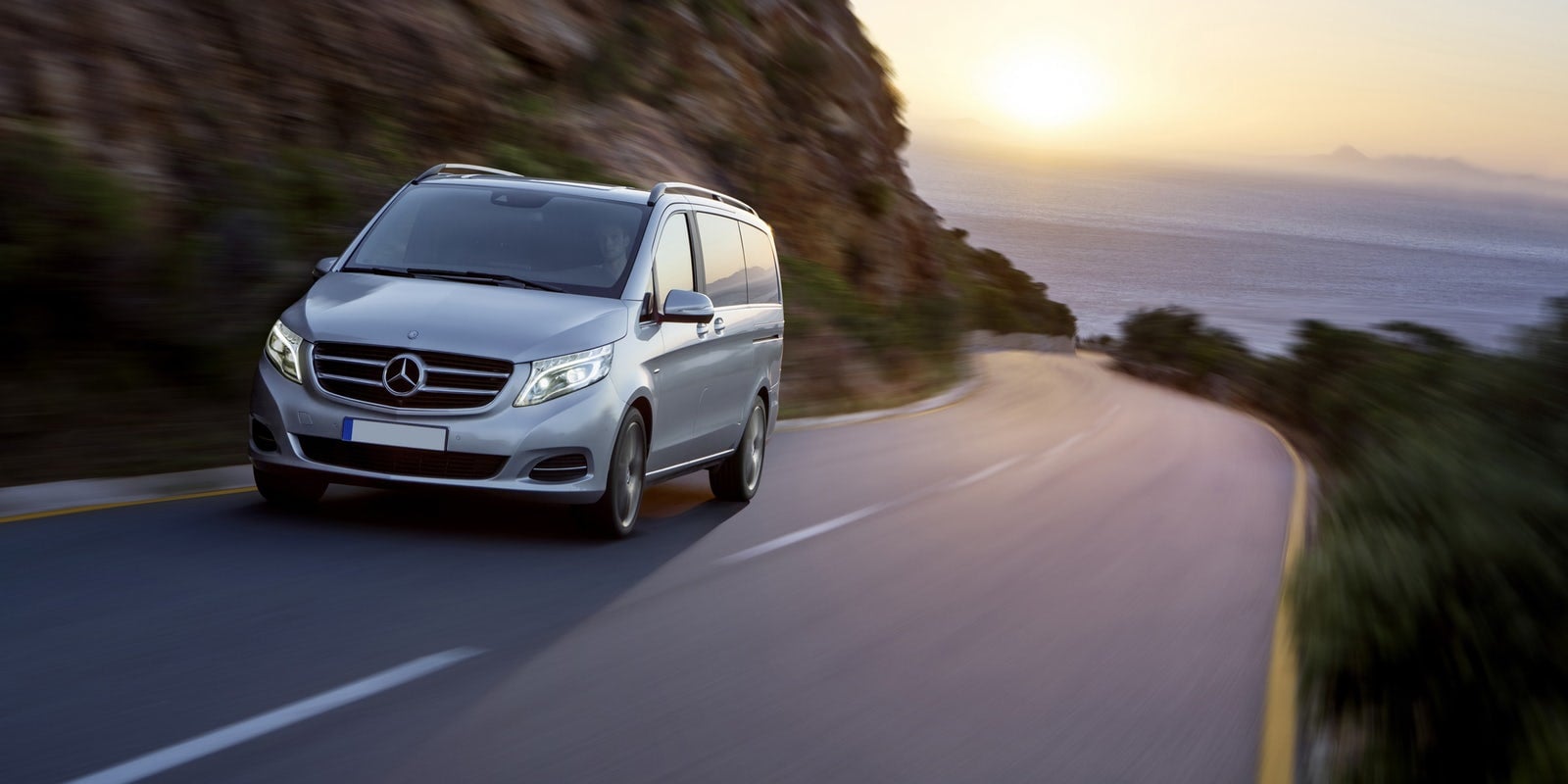
Where to see Portugal’s Islamic past today
The strongest visits combine standing architecture with archaeology. A castle may preserve an Islamic layout but include Christian additions and modern restoration; a modest museum display may contain the more securely dated evidence.
01Lisbon: São Jorge Castle and the old city
The castle’s archaeological area preserves remains of Islamic-period houses, providing a more intimate picture of life before 1147 than the ramparts alone. Alfama’s name derives from Arabic al-hamma, associated with hot springs or baths, although today’s neighbourhood contains many later layers. Insider tip: check archaeological-area visiting arrangements before building your day around it; access can differ from general castle access.
02Sintra: the Moorish Castle
Approximately 30 kilometres west of central Lisbon, this Islamic-period hilltop fortress controlled a strategically valuable landscape. Its walls also reflect later repairs and substantial 19th-century restoration associated with Ferdinand II. Insider tip: allow time for the steep, uneven steps and exposed wall walks. The route is considerably more demanding than a gentle stroll, especially in wind or wet weather.
03Silves: castle, archaeology museum and former capital
About 280 kilometres south of Lisbon by road, Silves was one of the principal cities of Islamic western Iberia. Its red sandstone castle and Municipal Archaeology Museum make a particularly rewarding pairing; the museum incorporates an Almohad-period well-cistern. Insider tip: visit the museum as well as the castle. Its excavated objects help explain the households, trade and craftsmanship that military architecture cannot show alone.
04Mértola: a former mosque above the Guadiana
Mértola’s Igreja Matriz, dedicated to Nossa Senhora da Anunciação, occupies a former mosque and retains significant Islamic features, including its mihrab, the prayer niche indicating the direction of Mecca. The town’s Islamic art collection adds ceramics and other archaeological evidence. Insider tip: check the separate opening hours of the church and museum spaces; Mértola’s heritage is spread across several small sites rather than one large building.
05Tavira: Islamic archaeology beneath a later town
Tavira’s Islamic Museum, part of the Municipal Museum, displays archaeological evidence of the town’s medieval Muslim occupation, including the distinctive ceramic object known as the Vaso de Tavira. The castle area adds a sense of the former fortified settlement, though its fabric includes later alterations. Insider tip: do not treat Tavira’s bridge, commonly called the Roman Bridge, as a surviving Moorish monument; its visible structure reflects later rebuilding.
06Loulé: medieval Islamic baths
Loulé’s excavated Islamic baths, dating to the final centuries of Muslim rule, reveal an aspect of urban life rarely as legible elsewhere in Portugal. Their rooms and heating arrangements help explain bathing as a social and practical institution. Insider tip: use the interpretation to follow how heat and water moved through the building; otherwise, the low archaeological walls can be difficult to understand at first glance.
07Lisbon’s Mouraria: the history of a community
Following the conquest of Lisbon, a Muslim community lived outside the Christian city walls in the area that became known as Mouraria. The district is valuable for understanding the centuries after 1147, rather than for viewing a preserved medieval mosque or an unchanged Islamic streetscape. Insider tip: separate the neighbourhood’s medieval origins from its later associations with fado and contemporary migration; each belongs to a different chapter.
For a first visit, Lisbon and Sintra offer the most practical introduction from a Lisbon base. If Silves, Mértola or the eastern Algarve are your priorities, ask Portugal Magik for a personalized multi-day itinerary rather than compressing the south into an exhausting excursion.
How a private guided day brings the history to life
A useful historical day follows a question, not just a checklist: how did people defend their towns, obtain water, trade and continue living together after a conquest? Your Portugal Ambassador—a knowledgeable local English-speaking driver-guide from Portugal—can connect those themes between stops and help distinguish Islamic remains from later additions.
From Lisbon, choose São Jorge Castle and Sintra’s Moorish Castle as the two main visits, allowing a full day rather than adding several more palaces. They are roughly 30–35 kilometres apart by road, depending on the route; traffic and Sintra’s access arrangements can substantially affect timings. Expect uphill walking, archaeological interpretation and two very different perspectives on 1147. Door-to-door pickup does not remove the pedestrian approaches within historic areas.
For a less strenuous Lisbon-focused day, concentrate on the castle’s archaeological story and Mouraria, with time to discuss what changed after the conquest. Ask Portugal Magik to shape the route around your walking comfort and the sites’ current access arrangements.
From an Algarve base, Silves and Loulé provide a strong contrast between fortification and everyday urban life. They are approximately 55 kilometres apart by road, making a focused day more realistic than attempting to include every Islamic-history site in the region. Mértola deserves a separate day or a carefully paced mainland multi-day journey, especially if you want time for its dispersed museum collections.
For comfortable Portugal travel between these places, Portugal Magik offers private Mercedes-Benz transfers and private day or multi-day tours with an English-speaking driver, door-to-door pickup and flexible itineraries. A private Mercedes-Benz V-Class is a comfortable option for smaller groups on these journeys, subject to availability.
Established in 2012, Portugal Magik has 1,300+ verified reviews, is consistently five-star rated and holds TripAdvisor Hall of Fame recognition. Share your starting point, preferred historical sites and walking preferences to request a personalized tour or transfer quote.
Your route
Direct or with stops
Tell us where you would like to pause along the way and we shape the day around it.
Request a proposal →Your pace
One day or several
Spread the journey over a few days with overnight suggestions from our team.
Request a proposal →Your Ambassador
A local by your side
An English-speaking driver-guide from Portugal in a private Mercedes-Benz.
Request a proposal →★★★★★ 1,300+ verified reviews · TripAdvisor Hall of Fame · Since 2012
Keep exploring
Related journeys and routes
The history of azulejos in Portugal: a living art
The history of azulejos in Portugal unfolds across palace walls, church interiors and everyday street façades. Follow their journey from imported geometric tiles to vast painted narratives, then discover where to read that history on the mainland today.
Read more →The history of Peneda-Gerês: Roads, Castles and Mountain Life
The history of Peneda-Gerês stretches from prehistoric burial grounds and Roman roads to frontier castles, communal granaries and villages reshaped by reservoirs. Understanding these layers turns a mountain journey into a richer encounter with northern Portugal’s people, landscapes and traditions.
Read more →The history of Mafra: From Medieval Town to Royal Monument
The history of Mafra stretches far beyond its monumental palace, connecting a medieval community with royal ambition, religious life and Portugal’s transition to a republic. Around 40 km northwest of Lisbon, its basilica, library, gardens and former royal hunting grounds make those changes unusually easy to trace.
Read more →Frequently Asked Questions
Personalized and without obligation
Speak with a travel designer
1,300+ five-star reviews · TripAdvisor Hall of Fame · Trusted since 2012 · Mercedes-Benz fleet