Grand Routes
Following Portugal South: A First Journey with Room to Pause
From Porto’s granite streets to the Algarve’s tidal lagoons, a first journey through Portugal works best with a clear direction and fewer changes of base. This north-to-south route balances celebrated places with time to understand them.
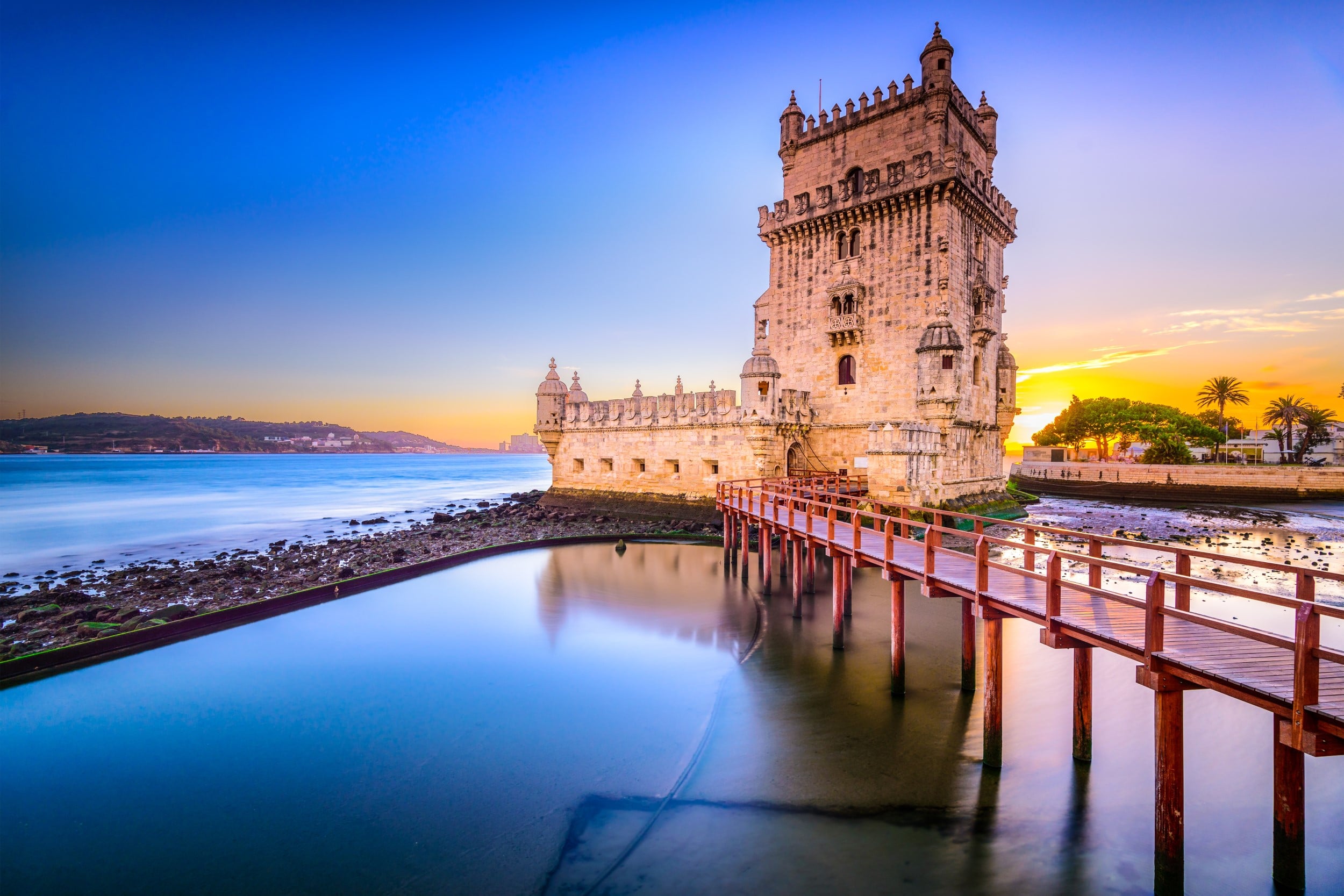
Portugal rewards a first visit that follows a clear direction without treating every stop as a deadline. Travelling from north to south reveals meaningful changes in landscape, architecture and food: granite gives way to whitewashed streets, Atlantic vineyards to cork oak country, and river valleys to coastal lagoons.
Allow around thirteen days, arriving in Porto and departing from Faro where flight schedules permit. A workable pattern is three nights in Porto, one in Coimbra, three in Lisbon, two in Évora and three in the Algarve. The Douro fits as a day excursion from Porto, although wine-focused travellers may prefer to add nights there. This is a framework rather than a checklist, with enough structure to make the distances sensible and enough freedom to leave an afternoon unfilled.
1. Begin in Porto, without immediately leaving it
Porto deserves more than an arrival evening before the journey moves inland. Spend the first afternoon finding your bearings between the upper city and the Douro waterfront. The distances can look modest on a map, but slopes, steps and uneven paving make comfortable shoes more useful than an ambitious walking schedule.
On your full city day, choose a small number of substantial visits. São Bento station’s tiled entrance hall offers an accessible introduction to Portuguese decorative storytelling. The cathedral area gives a different perspective on the city’s older fabric, while the riverfront makes most sense explored slowly rather than used simply as a photograph stop.
Across the river, Vila Nova de Gaia is home to the historic port wine lodges. Book a visit directly with your chosen lodge, checking tour language, duration and tasting format. One well-chosen tasting is usually more rewarding than several in succession.
Leave an evening for an unhurried meal. Northern cooking often favours substance, and portion sizes can be generous. Ask before ordering several dishes for the table.
2. Give the Douro a full day, not a spare afternoon
The Douro introduces a markedly different Portugal: steep vineyard terraces, small settlements and a river whose bends repeatedly change the view. From Porto, allow roughly one hour and forty-five minutes to two hours to reach the central wine-growing area, depending on your destination and traffic. Scenic roads take longer than the fastest approach.
For a first visit, build the day around one estate appointment, lunch and a modest stretch of riverside travel near Peso da Régua or Pinhão. Adding multiple tastings, a long lunch and a boat trip can turn an apparently leisurely excursion into a sequence of deadlines. Any estate visit or river activity should be checked and booked separately with its operator.
The Douro is attractive beyond harvest season. Spring brings fresh growth; autumn colour varies with weather and elevation. Summer afternoons can be very hot, so reserve time for shade rather than assuming every viewpoint will suit a lengthy stop.
If wine is a central interest, add two nights in the valley rather than compressing more into the day.
3. Use Coimbra as a genuine stop between regions
Travelling south from Porto, Coimbra offers a useful change of scale. The drive is usually around an hour and a half without stops, leaving enough of the day to explore rather than merely arrive for dinner.
The university’s historic hilltop setting is the main draw, but access arrangements matter. Check current ticket options and timed-entry requirements for the Joanina Library before fixing the day’s schedule. University buildings remain working spaces, and not every area is freely accessible at all times.
Balance the upper town with the lower streets around the old commercial centre. Coimbra’s steep approaches can be tiring, especially in warm weather; arrange a convenient drop-off and make the walking route predominantly downhill where practical.
One night gives the city an evening as well as a sightseeing window. That distinction matters on a first journey. A quiet dinner and a morning coffee can reveal more of a place’s character than another rushed monument visit.
Continue to Lisbon the following day, allowing approximately two to two and a half hours of driving before traffic and breaks.
4. Let Lisbon occupy several different moods
Three nights in Lisbon provide two full days, so choose priorities rather than trying to cover every district. Spend one day between the historic centre and the older eastern neighbourhoods, and another in Belém or on a separately planned excursion to Sintra. Attempting both Belém and Sintra in the same day usually sacrifices the pleasure of each.
In central Lisbon, group visits geographically. Alfama, the castle hill and the riverside can form a coherent day, provided you account for climbs and allow pauses. A private vehicle is useful between areas, but it does not eliminate walking in narrow historic streets or guarantee access beside every entrance.
Belém rewards advance planning for major monuments. Check opening days and current admission arrangements, especially for the Jerónimos Monastery. Sintra also needs preparation: its attractions sit across a hilly landscape, and local access restrictions can affect how visitors reach individual sites.
If you would like to hear Fado, choose a venue for its musical programme and atmosphere, then book directly. It is worth protecting the following morning from an early start.
For the wider journey, Portugal Magik provides private door-to-door transport, premium Mercedes-Benz vehicles, flexible itineraries and an English-speaking driver. Visits, meals and accommodation should be planned separately.
5. Cross into the Alentejo and change the pace
Évora lies roughly an hour and a half east of Lisbon by road, though city departures can add time. The shift is not simply geographical. Beyond the capital, the landscape opens into farmland, cork oak stands and settlements whose rhythms are less tied to metropolitan life.
Two nights allow a comfortable first afternoon in Évora and a full day divided between the city and its surroundings. Within the historic centre, the Roman temple, cathedral and smaller streets work well as a compact introduction. Check individual opening hours rather than assuming every monument follows the same schedule.
On the second day, consider a countryside drive or a visit to Monsaraz, approximately an hour away. Its elevated position above the Alqueva landscape makes it a strong contrast to Évora, but exposed streets can be uncomfortable during summer heat. Start early and keep the midday period gentle.
Food belongs naturally in this part of the journey. Look for regional soups, bread-based dishes, local cheeses and pork preparations, while asking about seasonal options. A winery visit is another possibility, provided it is arranged in advance and leaves room for the return drive.
6. Finish in the Algarve that suits your interests
From Évora, allow approximately three hours to reach the central or eastern Algarve, with additional time for a break and your precise destination. Choose one coastal base for the final three nights. Repacking for a second Algarve stay adds little value to a short visit.
For a quieter cultural finish, Tavira and the eastern coast offer tiled façades, salt marshes and access to the Ria Formosa lagoon system. Many beaches here are on barrier islands, so check seasonal ferry services rather than assuming you can drive directly to the sand.
For cliffs and small coves, consider the central or western coast. Coastal paths require sensible footwear, attention to closures and distance from unstable cliff edges. Boat departures depend on sea conditions, and the Atlantic can feel cool even when the air is warm.
Season should shape the whole route. May, June, September and early October often offer a useful balance, but heat, rain and busy periods remain possible. In winter, allow for shorter daylight and reduced services in some coastal areas. In July and August, build more shade and rest into inland days.
Use the 13-day Portugal tour as a reference when considering your time frame, then outline your preferred pace in the journey planner. Protect the final day for Faro airport rather than adding a distant last stop.
The strength of this route is not the number of places it includes. It is the gradual understanding that comes from staying long enough to notice how Portugal changes as you travel south.